styles

Islamic geometric patterns

Star patterns on five tilings, from simple six-pointed stars to twelve-point rosettes, in tile, stone and ink colors.

Make your own Islamic geometric pattern →

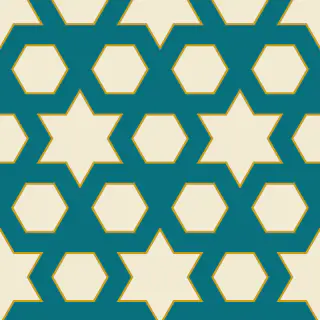
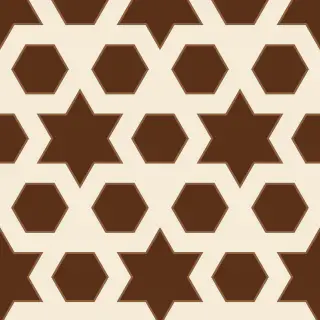
Six-pointed star pattern, Turquoise palette
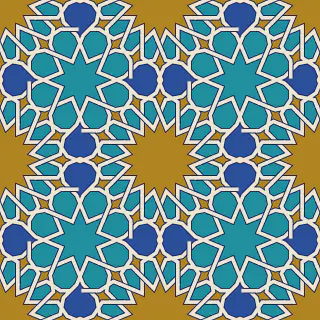
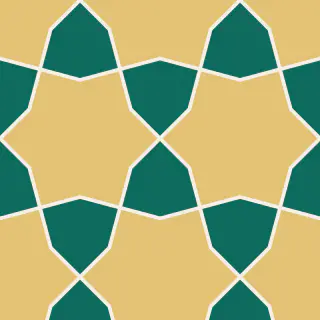
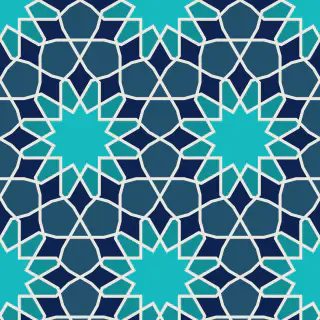
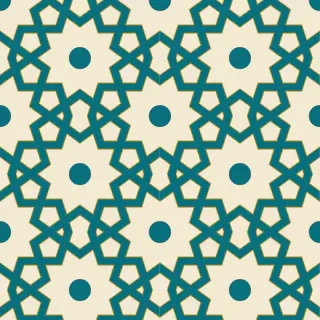
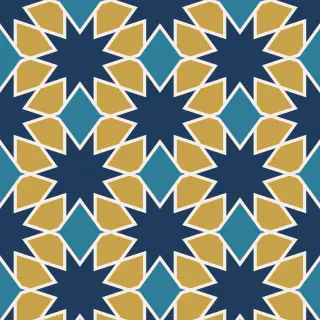
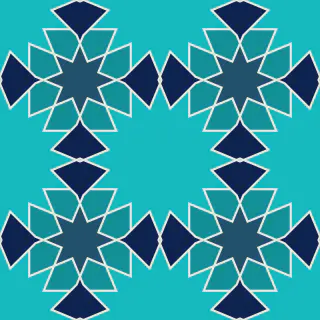
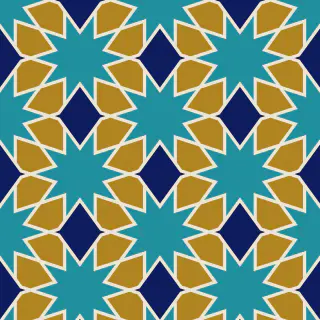
Eight-pointed star pattern, Turquoise palette
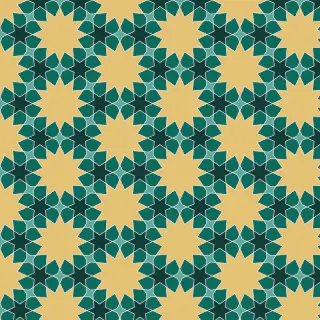
Twelve-point rosette pattern, Turquoise palette
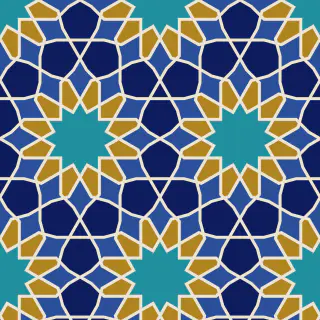
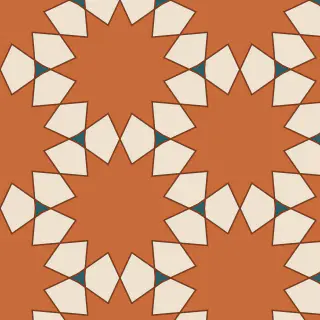
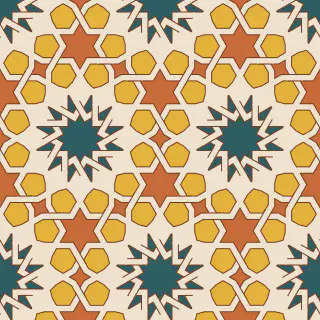
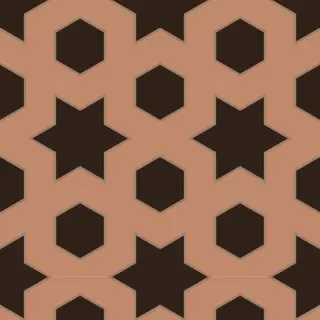
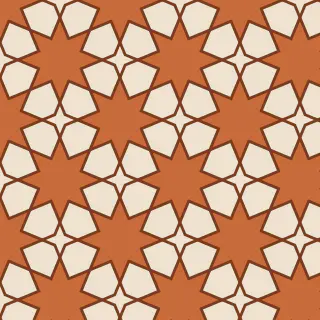
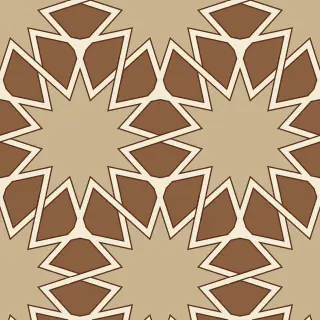
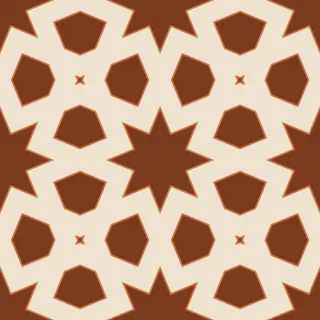
Girih pattern, Terracotta palette
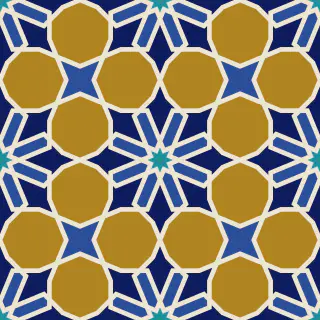
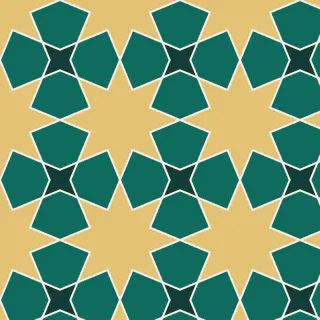
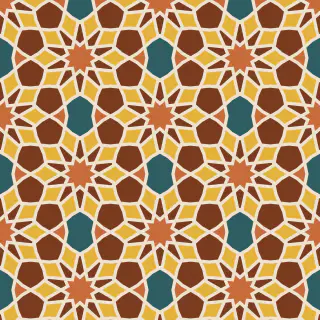
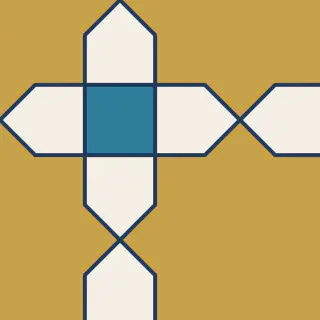
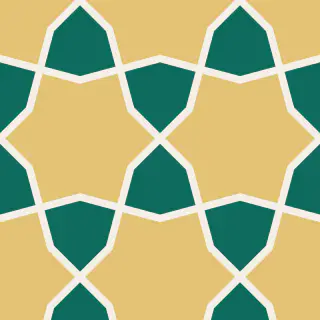
Zellij pattern, Fez zellij palette
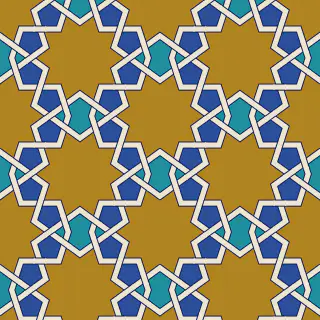
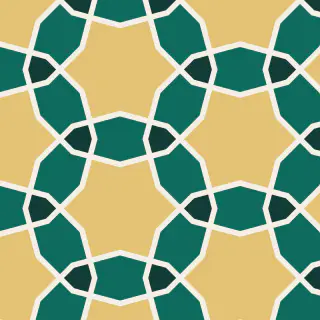
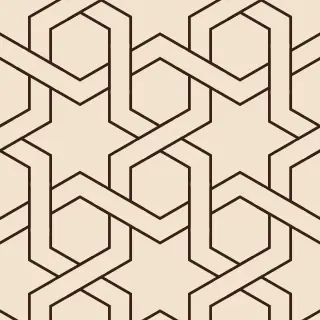
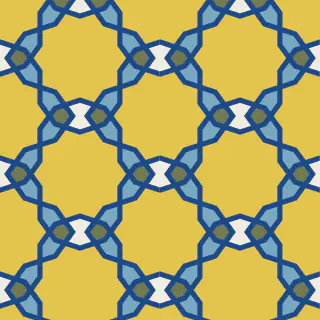
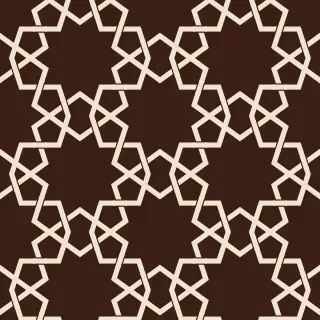
Interlace pattern, Mamluk marble palette
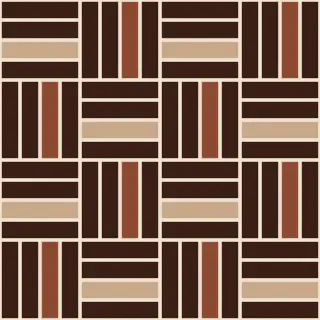
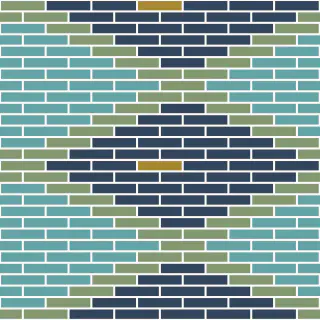
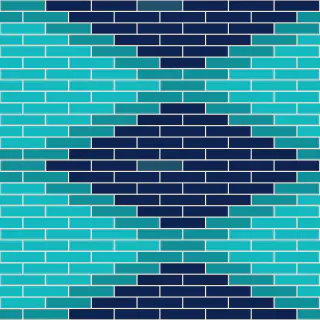
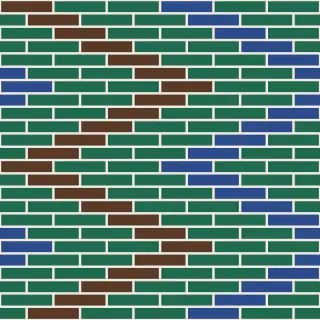
Persian brick pattern, Mamluk marble palette
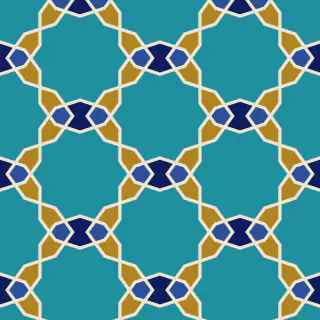
Jali screen pattern, Isfahan turquoise palette
Six-pointed star pattern, Turquoise palette
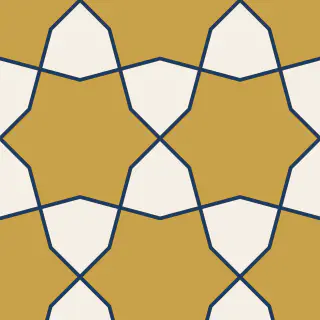
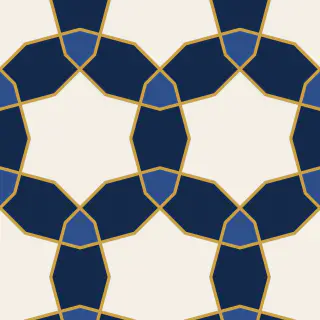
Eight-pointed star pattern, Tile blue palette
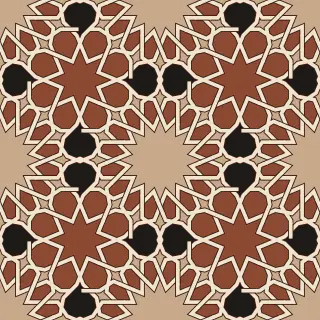
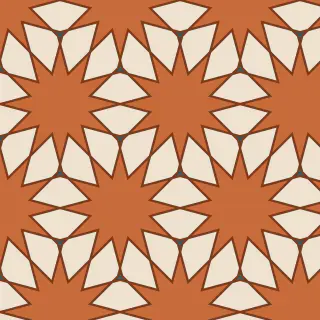
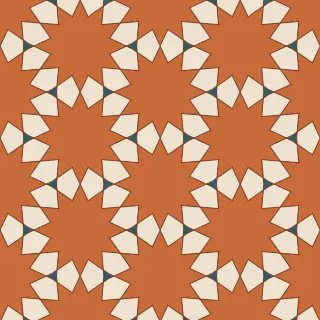
Twelve-point rosette pattern, Terracotta palette
Girih pattern, Konya turquoise palette
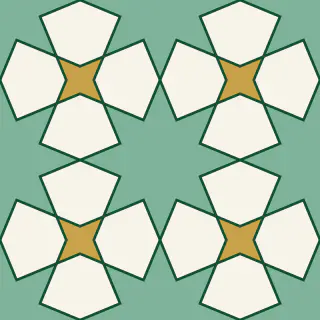
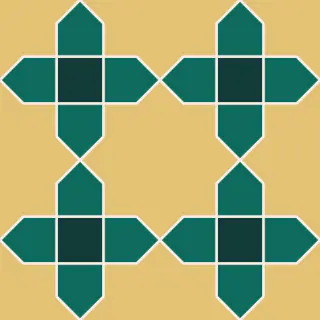
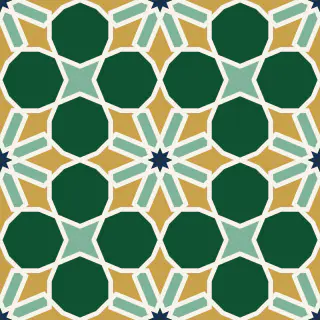
Zellij pattern, Emerald palette
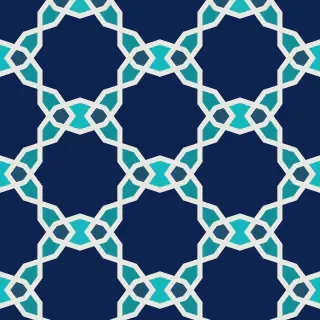
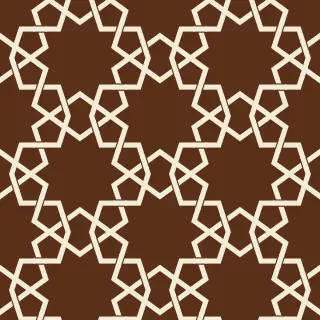
Interlace pattern, Terracotta palette
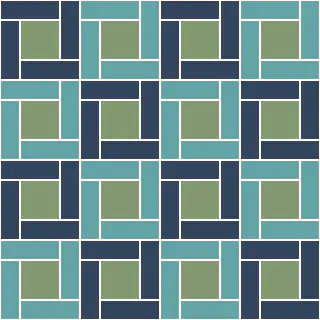
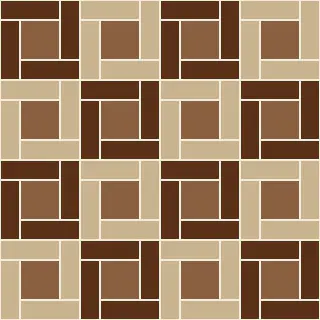
Persian brick pattern, Timurid grille palette
Jali screen pattern, Kashan lustre palette
Six-pointed star pattern, Tile blue palette
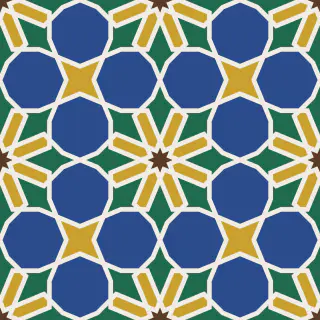
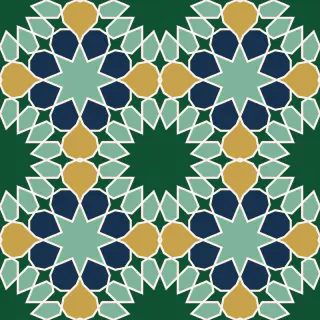
Eight-pointed star pattern, Emerald palette
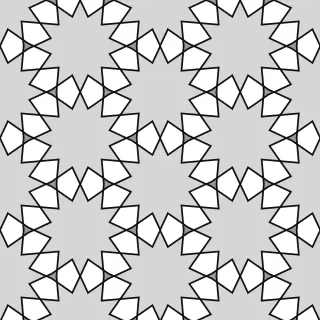
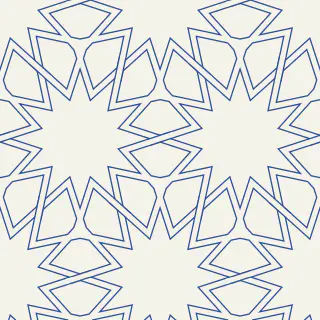
Twelve-point rosette pattern, Ink palette
Girih pattern, Kashan lustre palette
Zellij pattern, Konya turquoise palette
Interlace pattern, Iznik white palette
Persian brick pattern, Kashan lustre palette
Jali screen pattern, Isfahan turquoise palette
Six-pointed star pattern, Lapis and gold palette
Eight-pointed star pattern, Turquoise palette
Twelve-point rosette pattern, Terracotta palette
Girih pattern, Tile blue palette
Zellij pattern, Emerald palette
Interlace pattern, Mamluk marble palette
Persian brick pattern, Timurid grille palette
Jali screen pattern, Red sandstone palette
Six-pointed star pattern, Tile blue palette
Eight-pointed star pattern, Tile blue palette
Twelve-point rosette pattern, Terracotta palette
Girih pattern, Haft-rangi palette
Zellij pattern, Timurid star palette
Interlace pattern, Timurid star palette
Persian brick pattern, Konya turquoise palette
Jali screen pattern, Terracotta palette
Six-pointed star pattern, Turquoise palette
Eight-pointed star pattern, Terracotta palette
Twelve-point rosette pattern, Tile blue palette
Girih pattern, Mamluk marble palette
Zellij pattern, Konya turquoise palette
Interlace pattern, Kashan lustre palette
Persian brick pattern, Fez zellij palette
Jali screen pattern, Kashan lustre palette

The originals

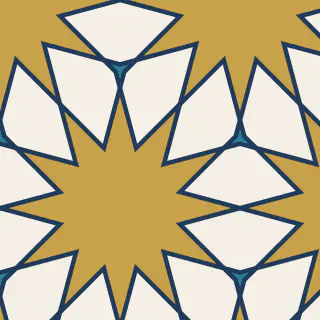
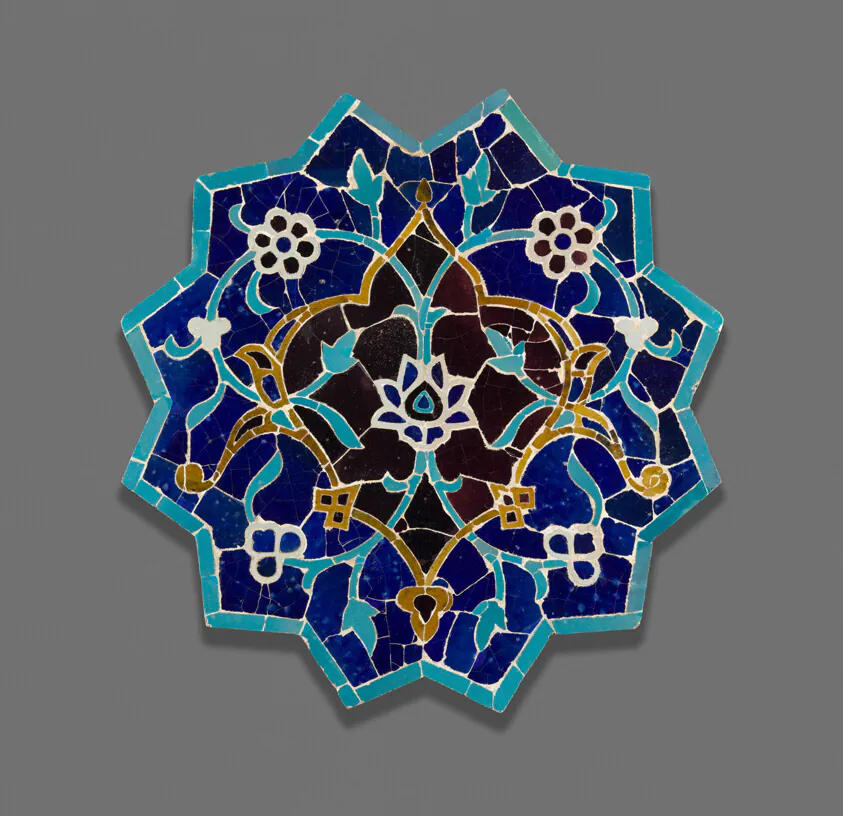
Twelve-point star tile of cut mosaic in cobalt and turquoise, with a dark aubergine center and white and gold flowers
Twelve-Point Star Tile, Timurid dynasty (1370-1507), Late 15th century. Art Institute of Chicago, 1925.40. CC0. Museum page

Timurid star

Colors in the original

  • #209aa918%
  • #000f5c18%
  • #24151916%
  • #16215714%
  • #d3ccb811%
  • #000f6d10%
  • #b49c7a6%
  • #9363013%
  • #c08c133%

Patterns in these colors
Zellij pattern, Timurid star palette
Interlace pattern, Timurid star palette
Girih pattern, Timurid star palette
Zellij pattern, Timurid star palette
Interlace pattern, Timurid star palette
Girih pattern, Timurid star palette

Make your own in Timurid star →

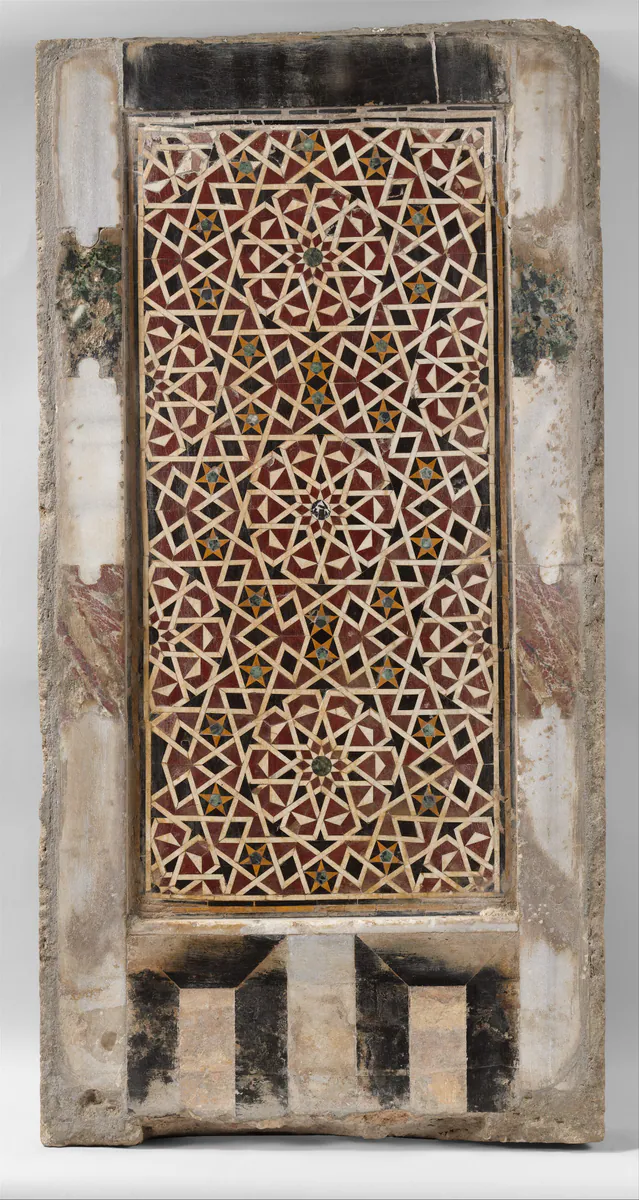
Tall stone wall panel carved with a fine geometric interlace of stars and polygons
Wall Panel with Geometric Interlace, 15th century. The Metropolitan Museum of Art, 1970.327.8. CC0. Museum page

Mamluk marble

Colors in the original

  • #bda68f17%
  • #9c836e14%
  • #cdc0b413%
  • #765b4812%
  • #59281e11%
  • #f2dbbf11%
  • #463c3310%
  • #2118159%
  • #d0ad7e2%
  • #a577442%

Patterns in these colors

Interlace pattern, Mamluk marble palette
Persian brick pattern, Mamluk marble palette
Girih pattern, Mamluk marble palette
Jali screen pattern, Mamluk marble palette
Zellij pattern, Mamluk marble palette
Interlace pattern, Mamluk marble palette

Make your own in Mamluk marble →

Geometric star patterns run through Islamic art in cut brick, carved stucco, wood and tile. Islamic geometric patterns include star, girih, zellige, interlace, brick and jali patterns. For florals, see Iznik tile patterns and arabesque patterns.
Which Islamic star pattern to pick

  • Six-pointed stars, on hexagons alone or on hexagons and triangles.
  • Eight-pointed stars, both on octagons and squares, as a star and cross or, at a sharper angle, an octagon rosette.
  • Twelve-point rosettes, on dodecagons with triangles, or with squares and hexagons.
  • Girih ten-point stars, on decagons and bowties.
  • Interlace, the same star networks drawn as a woven band.

The six-pointed stars are the simplest and the most open. Eight-pointed stars feel most like a tiled floor. Rosettes have the most pieces and suit a large print where the detail can be seen. These are new patterns in the tradition, not copies of any building.

Girih: ten-point stars

Girih is Persian for “knot.” In girih, lines cross the center of each edge of a decagon-and-bowtie tiling at 54 degrees and make ten-point stars ringed by pentagons. The lines read as a strap; some patterns weave the strap, show the thin tile edges, or have broader or sharper stars and petal rosettes. The meaning and history of girih covers the five tiles.

Strapwork and interlace

Wikipedia’s strapwork article describes stylized ribbon-like forms often interwoven in a geometric pattern; Peter Fuhring derives it from Islamic ornament. In Wikipedia’s survey the straps seem to weave over and under around stars of 6, 8, 10 and 12 points. Interlace patterns send a band over and under at every crossing, like Celtic knot patterns, with a contour line on each side. Two colors make line work; more give stone inlay. The Mamluk marble colors come from a 15th-century wall panel from Cairo in the Metropolitan Museum; try Mamluk interlace in the pattern generator.

Islamic pattern colors

The colors run from navy and gold on cream, a deep teal ground, and gold on dark blue to red earth with teal and yellow, green with gold, and black and grays on white. Some patterns are line art to color, and some come as solid black for a cutting machine.

Where do Islamic star patterns come from?

Wikipedia’s survey dates eight-pointed stars to the Great Mosque of Kairouan in 836 and six- and eight-point stars to the Ibn Tulun Mosque in Cairo in 879, and traces a growth from simple stars to 6- to 13-point patterns by the 13th century. Hankin described the “polygons in contact” method behind many of them: two lines cross at the midpoint of every edge of a polygon tiling and run inward until they meet, and the angle at which they cross decides how sharp the star points are.

Sources: Islamic geometric patterns (Wikipedia); Zellij (Wikipedia)

More styles

Japanese

Islamic

Rugs

Classic prints

Ornament

Modern

Stitch and knit

Quilt blocks

Prints

Heritage

Seasonal

Patterns by style →

Pattern

Palette

Find more

Download