styles
Quilt block patterns
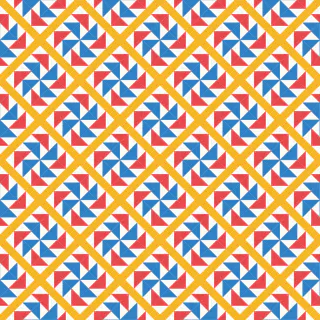
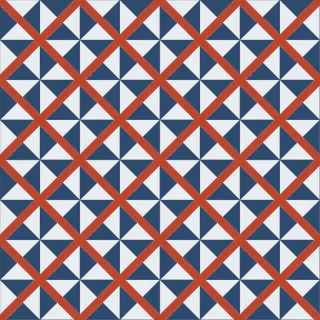
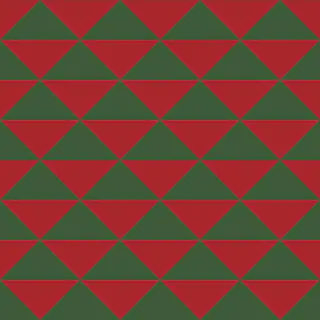
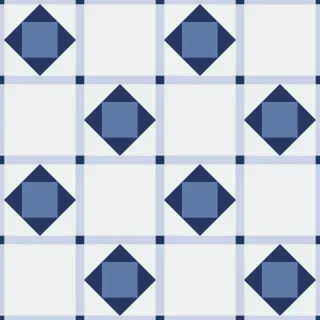
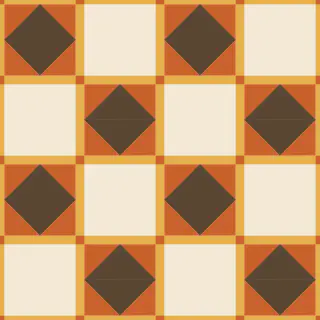
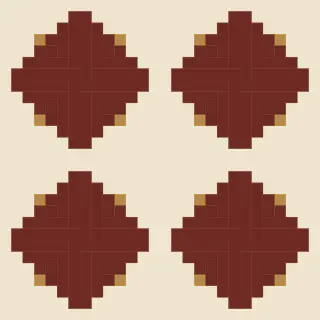
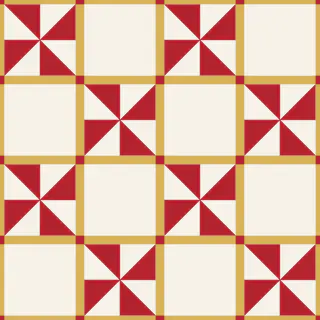
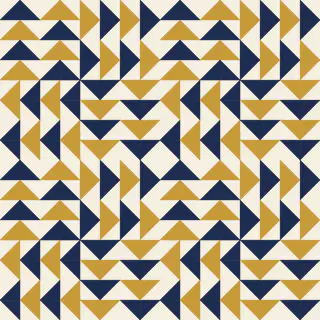
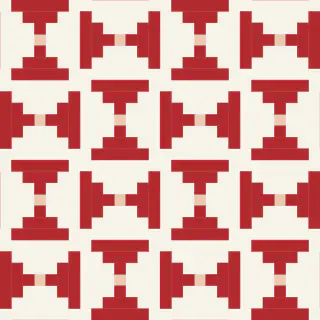
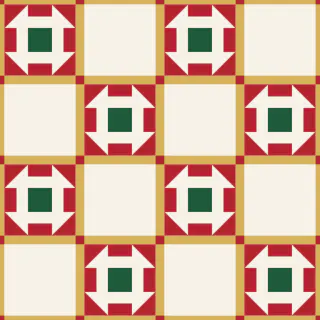
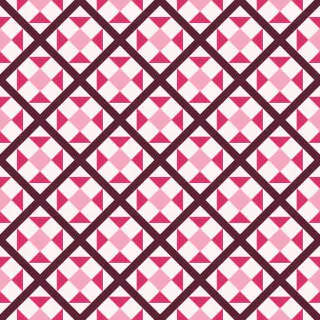
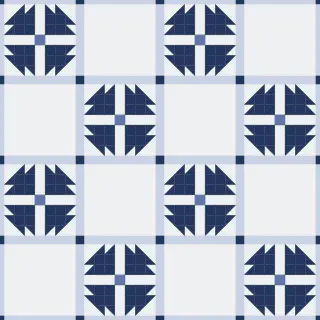
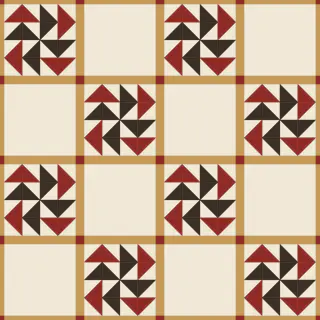
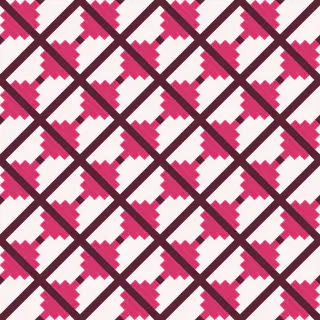
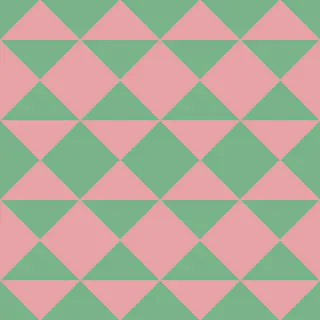
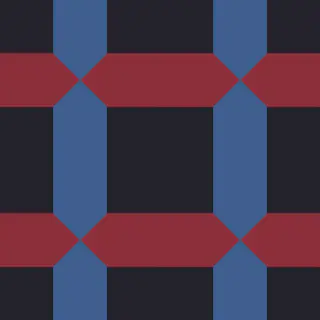
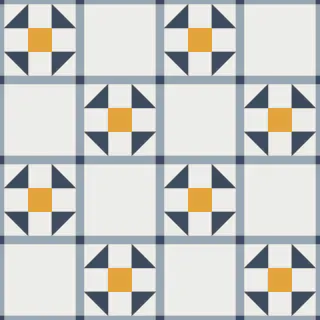
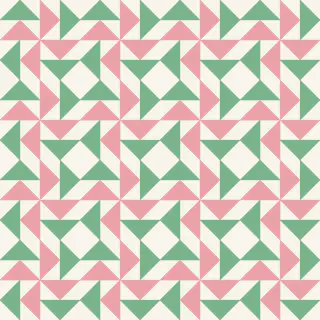
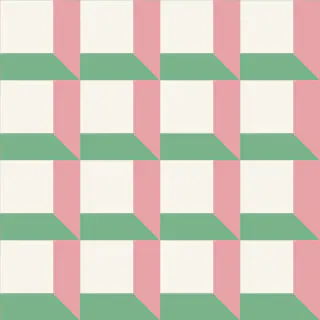
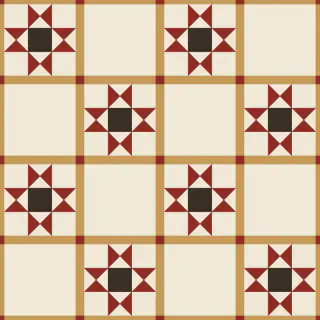
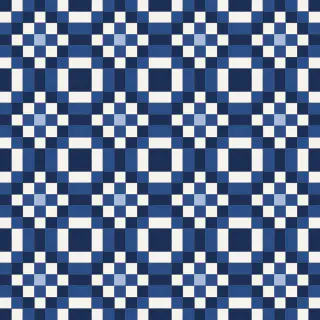
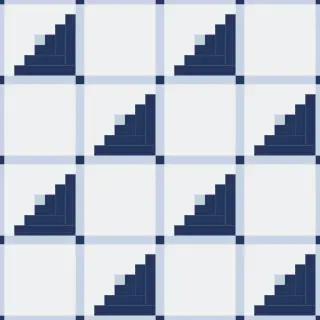
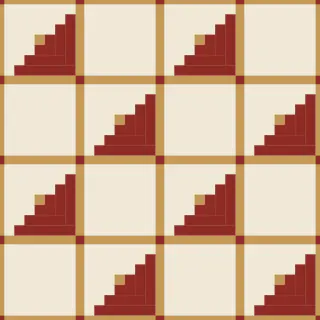
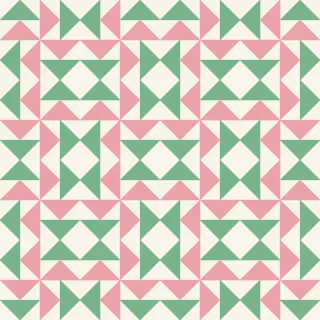
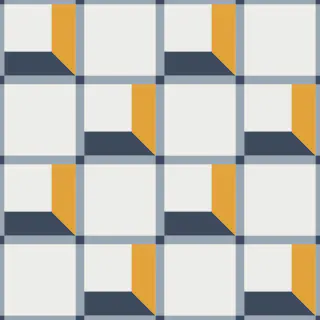
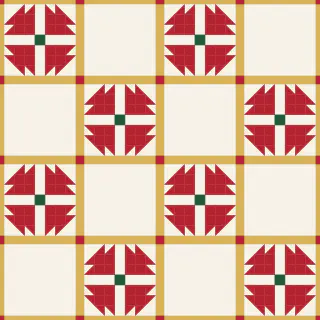
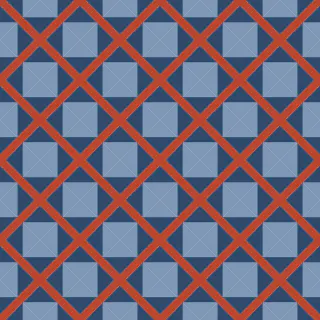
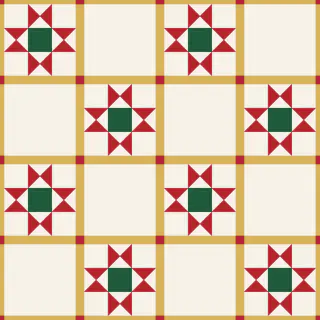
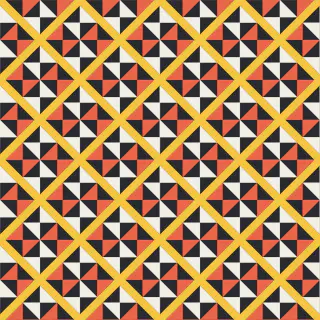
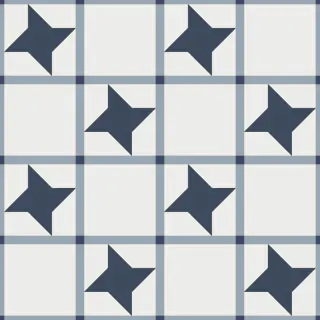
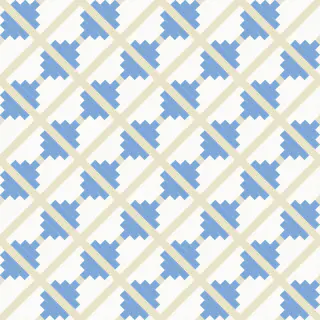
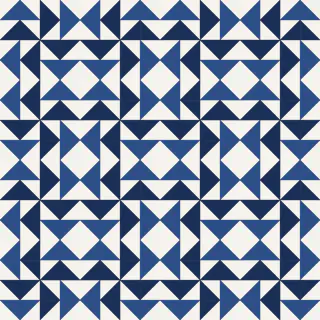
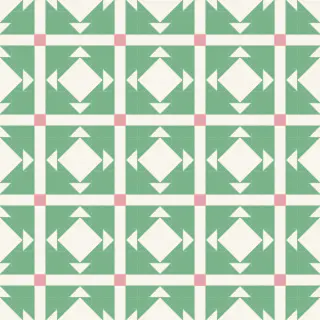
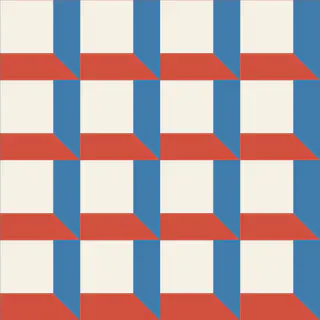
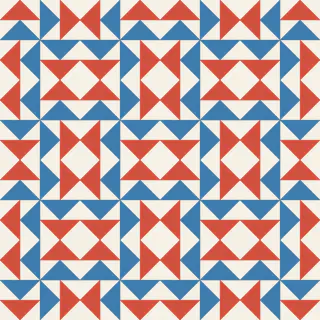
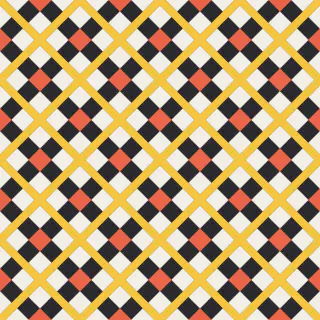
Twenty traditional pieced blocks, each set in a repeat of four blocks.

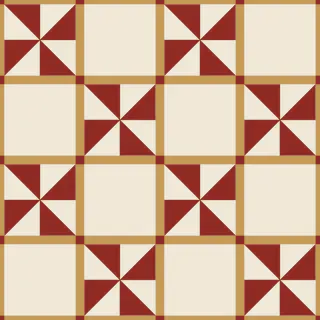
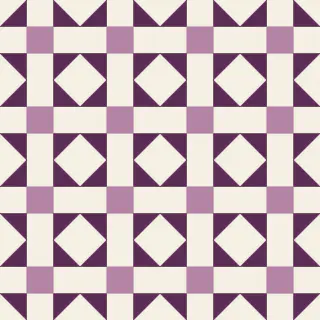
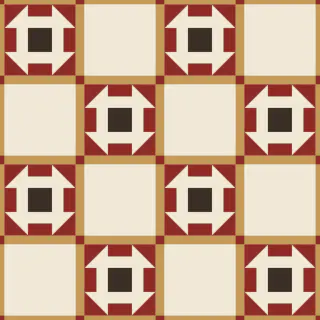
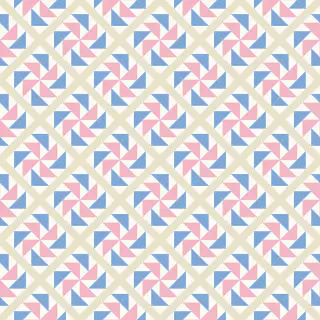

No patterns match this color.
Each block sits on a grid of squares and half-square triangles, the same units a quilter cuts and sews.
Which quilt block to pick
The blocks are nine-patch, log cabin, courthouse steps, flying geese, pinwheel, Ohio star, sawtooth star, friendship star, hourglass, rail fence, churn dash, bear’s paw, shoofly, broken dishes, Dutchman’s puzzle, bow tie, economy, attic windows, trip around the world and snowball. Four blocks make one tile. They can sit side by side, each turned a quarter more, mirrored, or alternated with plain blocks. Sashing adds strips between the blocks, sometimes with cornerstones where the strips cross. The ground color takes the place of the light fabric in each block, so a log cabin keeps its classic split between a light half and a dark half.
How to use quilt block patterns
As digital paper, the patterns suit farmhouse, country and holiday designs, scrapbook pages and card fronts. On fabric, a repeat of four blocks gives a cheater cloth: a printed quilt top to back or bind without piecing. Quilters can also use a tile as a color plan before they cut: count the grid squares across one block to get the unit size for the finished block.
What is a quilt block?
Patchwork joins small pieces of cloth into a larger whole, and a block is one repeated unit of a quilt top. Many of these block names are traditional in American quilting, and the same block often goes by more than one name from region to region.
Sources: Quilt block (Wikipedia); Patchwork (Wikipedia)