styles
Gingham patterns
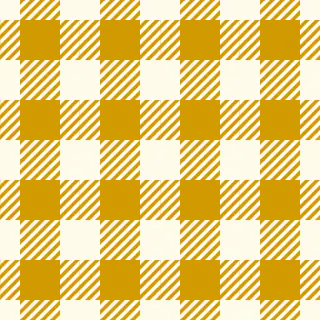
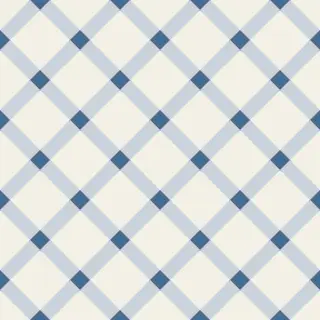
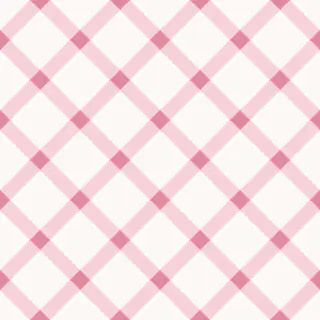
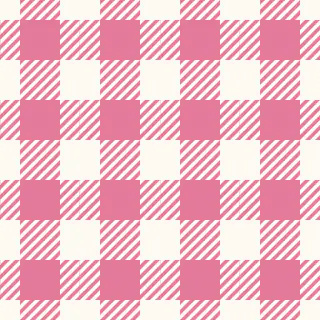
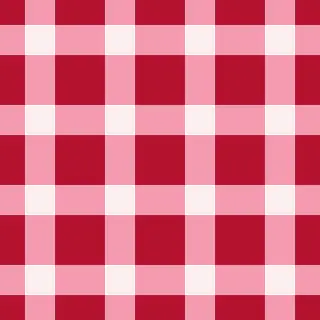
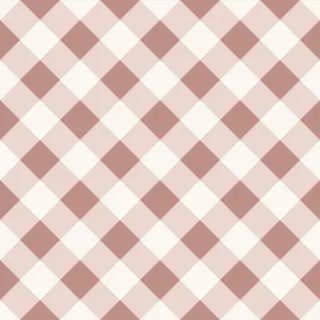
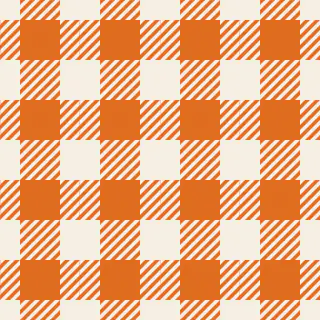
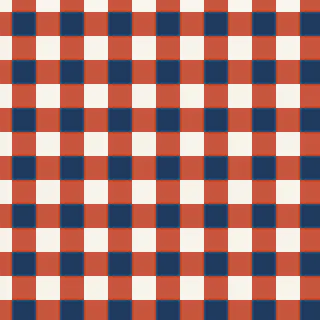
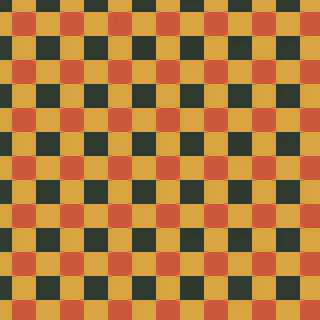
Gingham is an even check of one color and white. Where the colored bands cross, the color is full; where a band crosses white, you get a lighter middle tone.
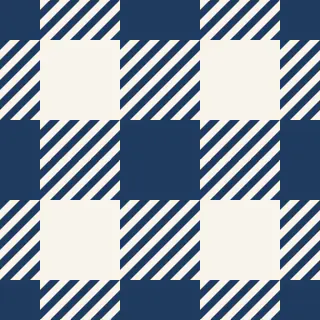
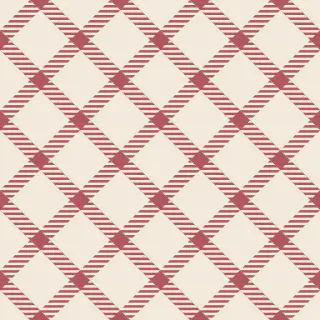
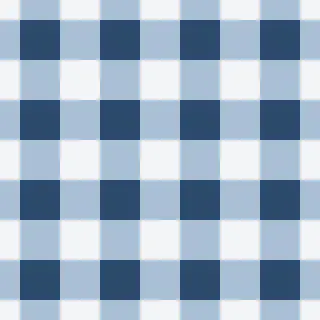
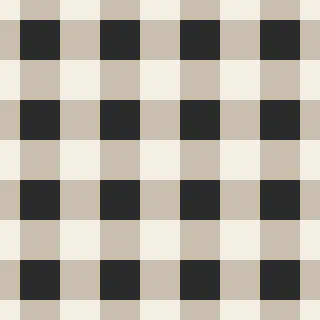
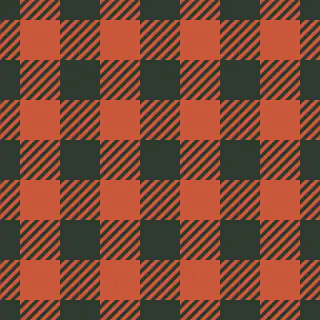
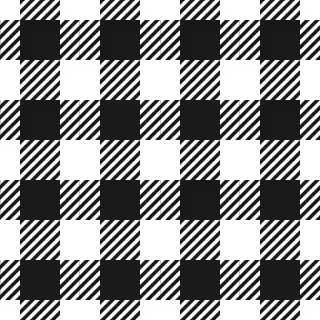
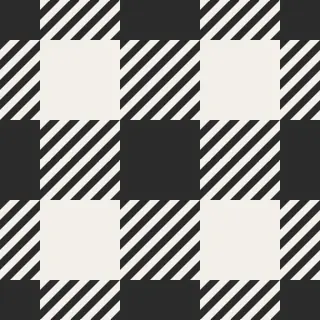
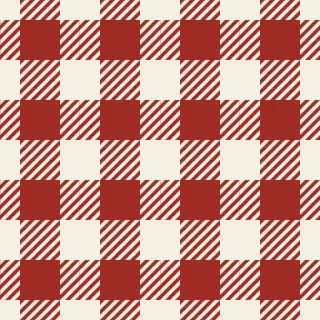
No patterns match this color.
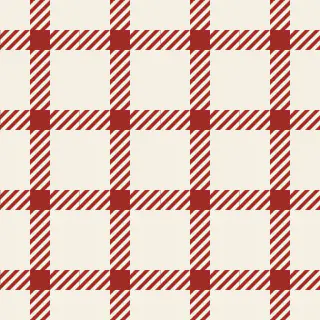
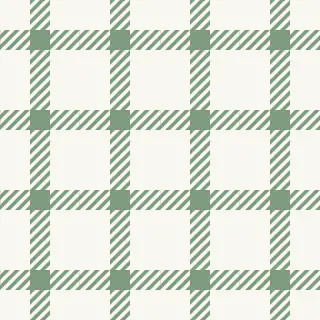
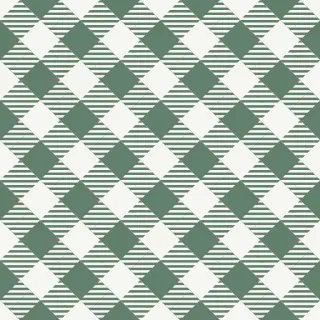
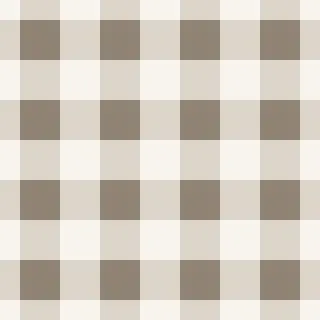
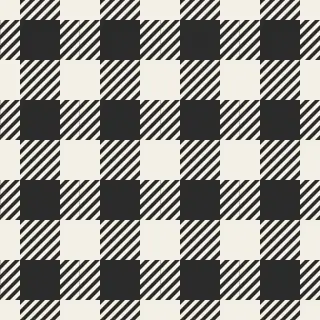
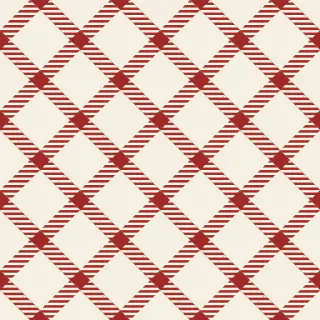
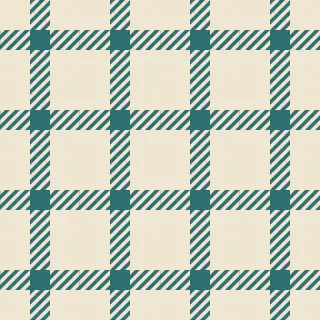
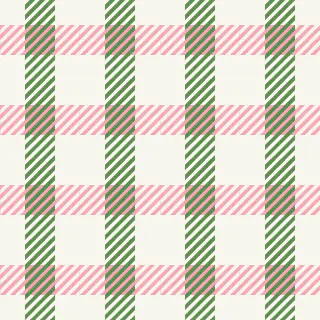
Each tile holds two checks across and two down. Bands of the main color run both ways over a light ground, and every square takes one of three tones: ground, the pale tint where one band passes, and the full color where two meet.
Which gingham to pick
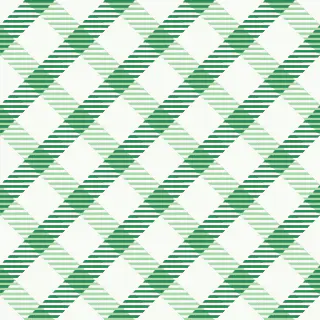
Classic gingham shows those three tones flat. Woven gingham fills the bands with a fine diagonal hatch of color over ground, so the tint comes from mixing in the eye, as it does in cloth. Wide bands give the familiar square check; narrow bands give a lighter, more open grid.
How to use gingham patterns
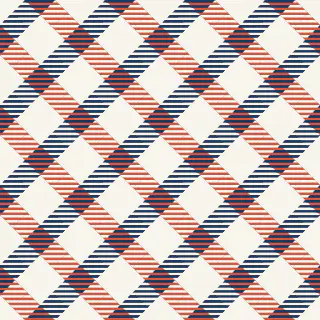
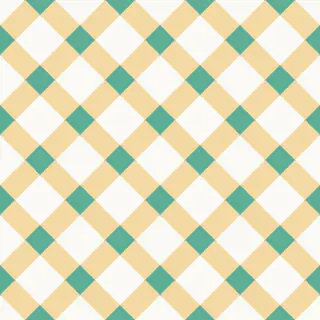
Gingham works as a quiet background for cards, recipe cards, picnic labels and scrapbook pages, and as a lining paper behind a busier print. A red, blue or green gingham on white uses little ink, so it prints well on a home inkjet. For a full scrapbook page, a larger scale reads better from a distance; for a gift tag or a jar label, pick a small check so several squares fit across. Turn the tile 45 degrees for a diamond check. Gingham pairs well with polka dots and plain stripes in the same color.
Where does the name gingham come from?
Gingham is a plain-woven cotton cloth made from dyed yarns. The name may come from Guingamp in Brittany, or from the Malay word genggang, meaning striped. Early imports to Europe in the 17th century were striped; from the mid-18th century, Manchester mills wove it in checks, often blue and white. In France and Spain the check is called vichy. In the UK it is a common print for younger girls’ school dresses.
Sources: Gingham (Wikipedia)