styles
Polka dot patterns
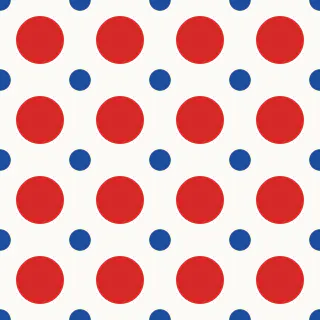
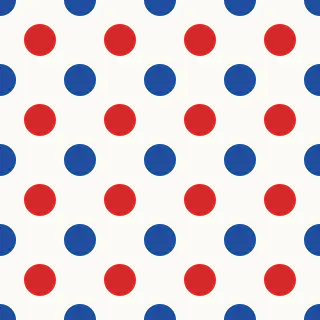
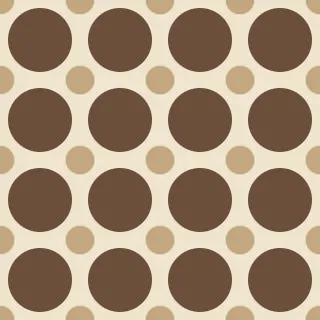
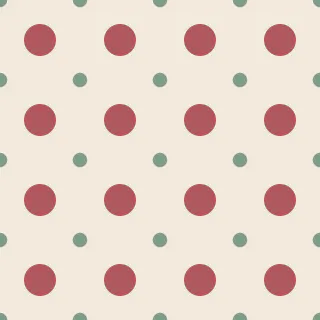
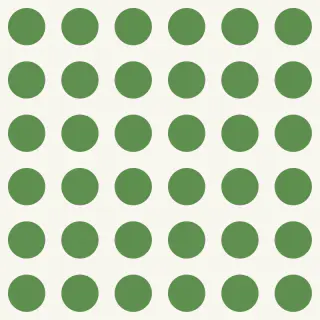
Polka dots are even rows of filled circles of one size, set apart on a plain ground.




















No patterns match this color.
Which polka dot pattern to pick
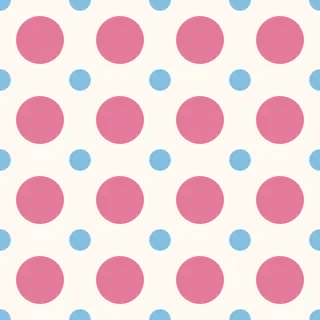
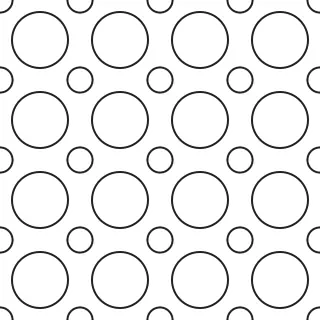
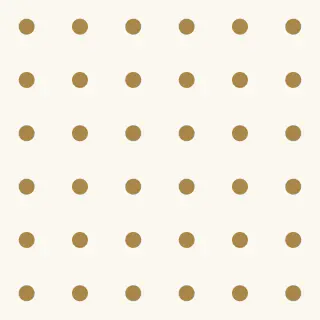
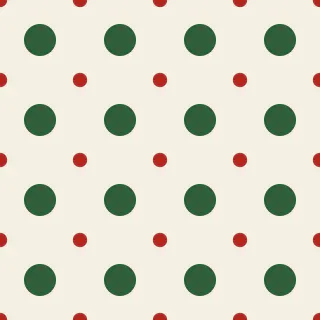
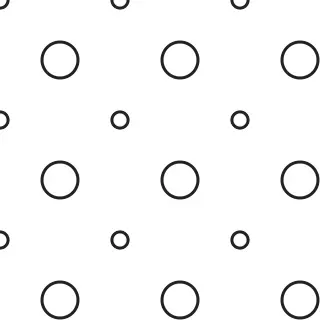
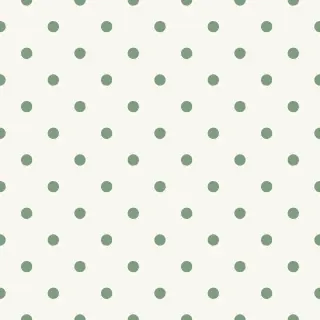
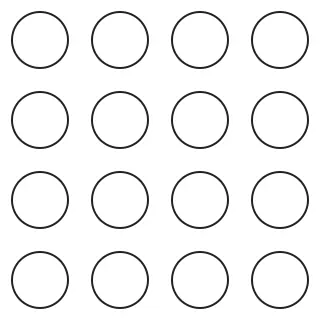
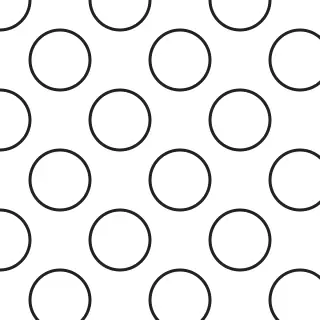
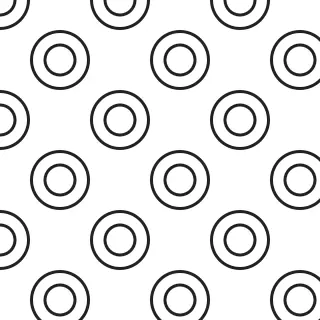
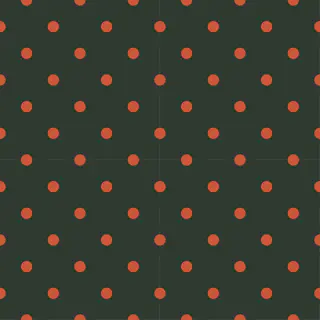
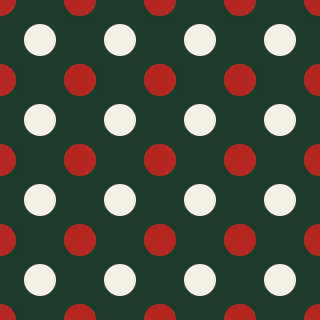
The classic layout is offset: dots on a square grid, plus a second dot in the middle of each square, so every row is shifted half a step from the next. The grid layout drops the middle dot for a plain square arrangement with smaller pin-like dots. Two sizes puts a small dot between the large ones. Dot in a ring circles each dot with a thin outline. With a third color, the second set of dots takes it. Dots run from small and far apart to large and almost touching.
How to use polka dot patterns
Polka dots fit almost any light occasion: baby shower cards, birthday wrap, lunch-box notes, gift tags. Small dots read as a texture; large dots read as a bold print. On a Letter sheet, a medium dot leaves enough ground to write on.
Printing and cutting polka dots
On a cutting machine or laser, circles cut cleanly, but very small dots can tear or get lost; go up a size for a cut file or a stencil. For printing, white dots on a dark ground use far more ink than colored dots on white. Polka dots pair with almost any other style, especially gingham, stripes and chevron in a matching color.
Where does the name polka dot come from?
A polka dot is an array of filled circles of the same size; in the UK it is also called a spot print. The name is usually tied to the craze for the polka dance in the 19th century, when many products took the word, though the reasons given for the link are disputed. Perfectly round, evenly spaced dots became easy to make with machine production during the Industrial Revolution. Well-known examples include Minnie Mouse’s red dress with white dots, from 1928, and the red-on-white jersey of the Tour de France mountain leader, worn since 1975.
Sources: Polka dot (Wikipedia)