styles
Kumiko lattice patterns
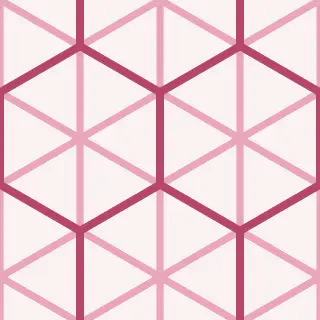
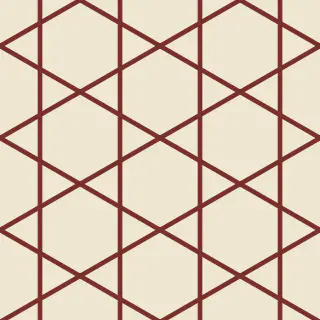
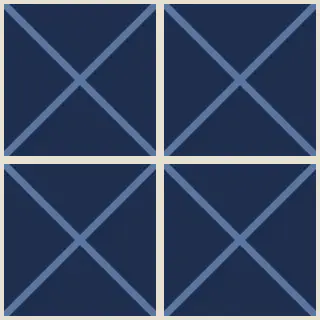
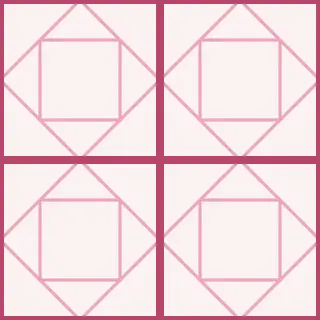
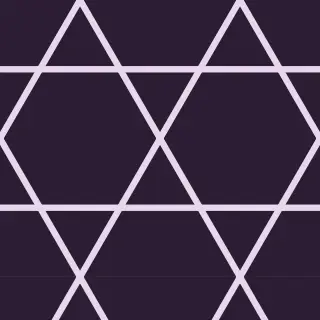
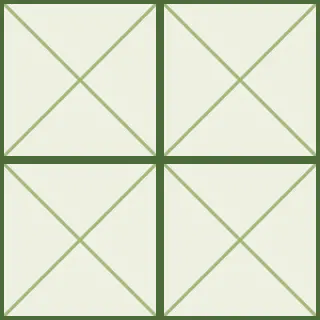
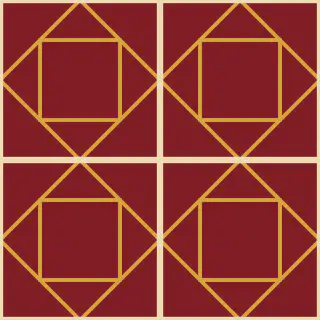
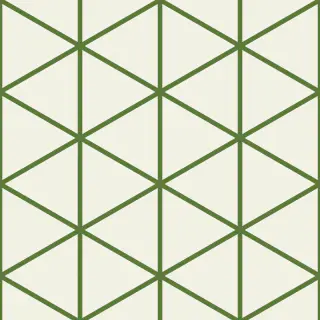
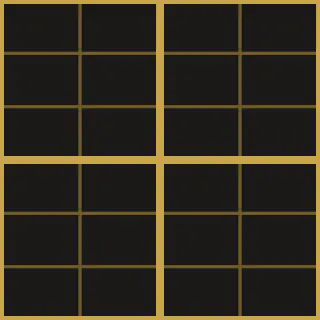
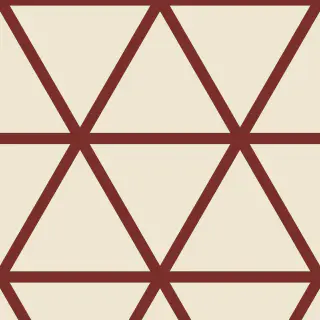
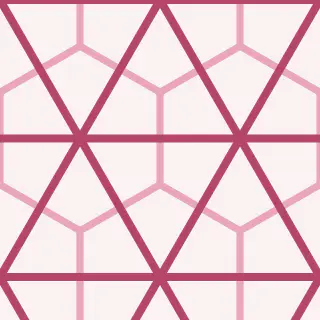
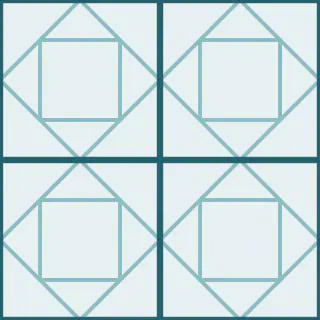
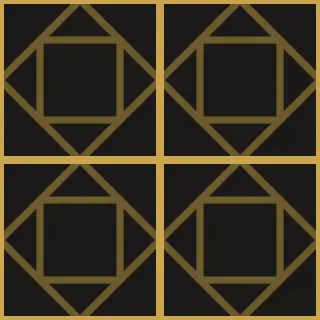
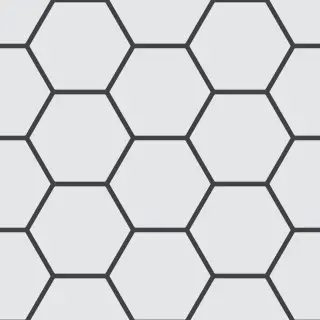
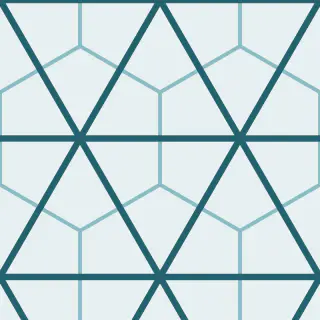
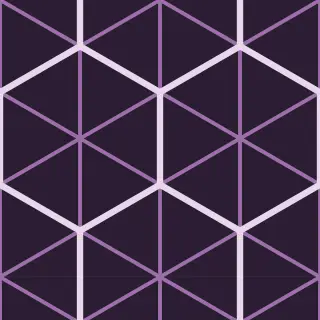
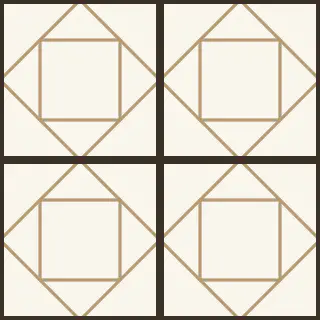
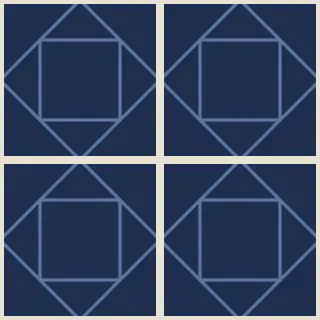
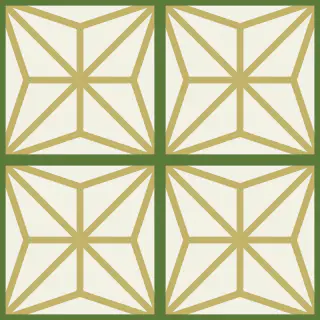
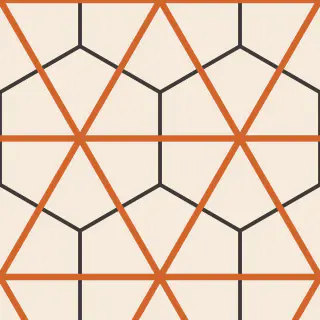
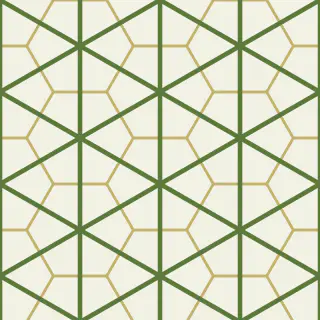
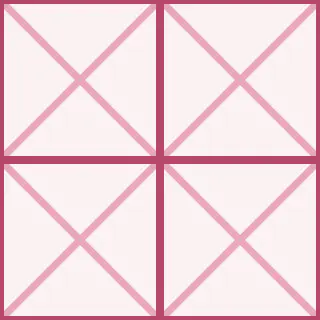
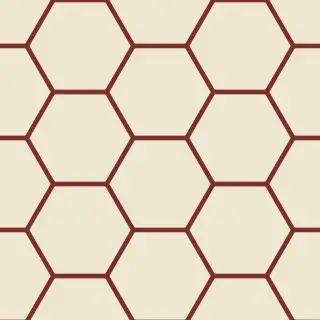
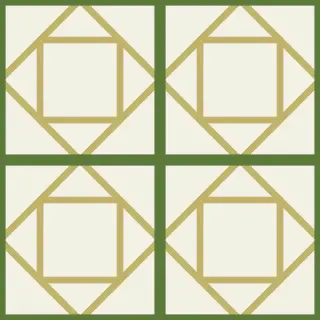
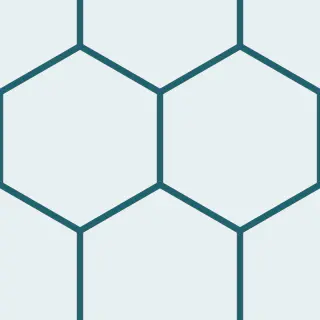
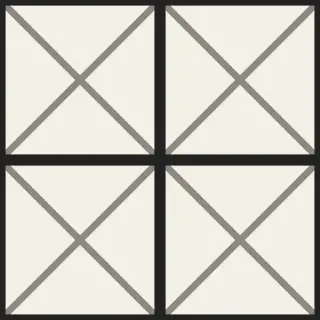
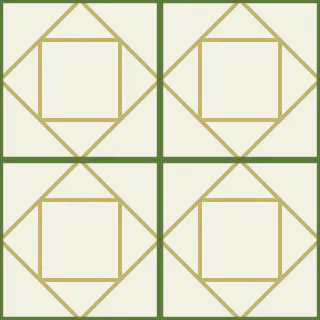
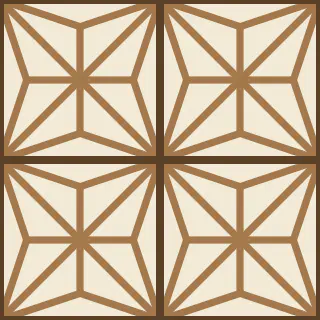
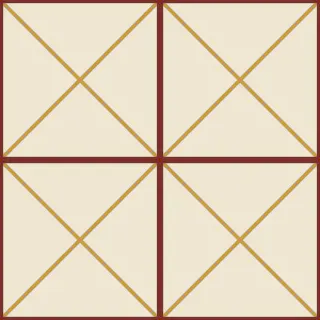
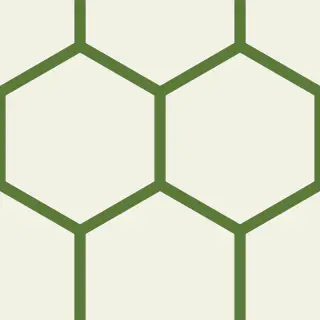
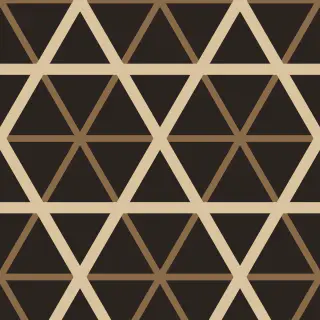
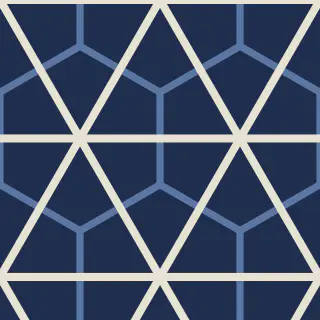
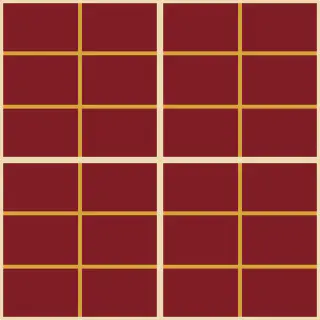
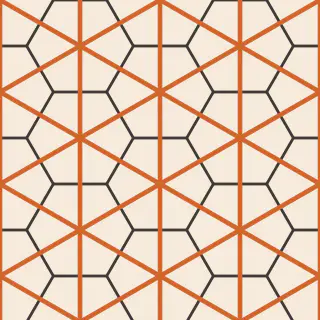
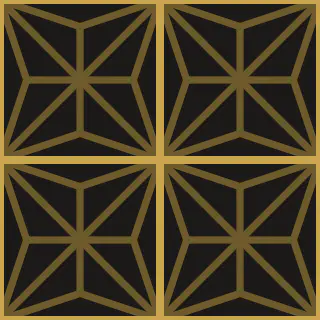
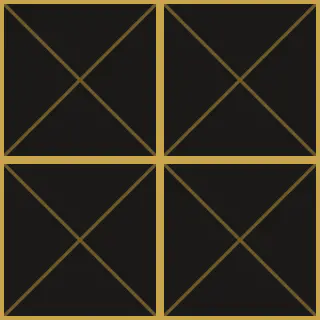
Japanese wooden lattices: thick frame strips with thinner strips inside each cell.





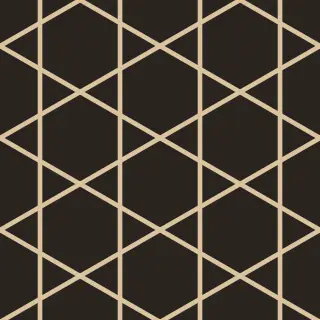

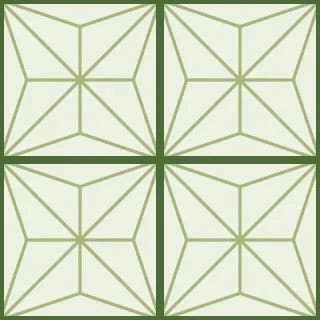
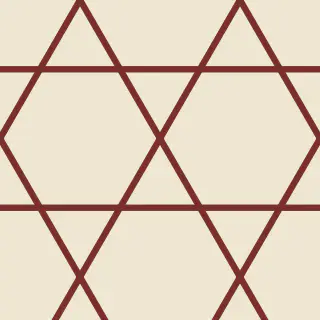
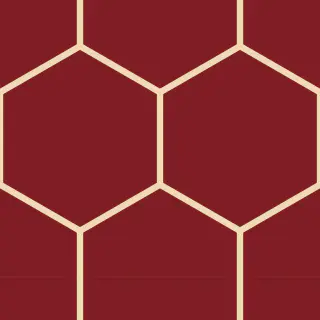


No patterns match this color.
Each lattice has two kinds of strips. The frame strips are thicker and form a base grid of triangles, hexagons or squares. The inner strips are thinner and split each cell into smaller shapes.
Which kumiko lattice to pick
The lattices are kagome (the basket weave of triangles and hexagons), plain triangles, triangles and hexagons, six-point stars, kikko (tortoise shell), hexagons and triangles, a shoji grid, squares and diagonals, a square star and nested squares. Thick frame strips look bold and wooden; thin inner strips look fine and delicate. A third color picks out the inner strips. For the hemp-leaf lattice, see asanoha patterns.
How to use kumiko patterns
Kumiko patterns suit digital paper for Japanese and minimal designs, and wallpapers with a calm, wooden feel. Brown strips on a cream ground look like wood on paper; light strips on a dark ground look like a lit screen. The thin lines also make clean guides for drawing and cutting machines.
Where does kumiko come from?
Kumiko is a Japanese woodworking craft in which thin strips of wood are cut and fitted together without nails to form lattices. The panels fill shoji screens, sliding doors and transoms, with paper or light behind them. The kagome pattern takes its name from a woven bamboo basket, and the same arrangement of triangles and hexagons is known in physics as the kagome lattice.
Sources: Kumiko (woodworking) (Wikipedia); Shōji (Wikipedia); Kagome lattice (Wikipedia)