styles
Argyle patterns
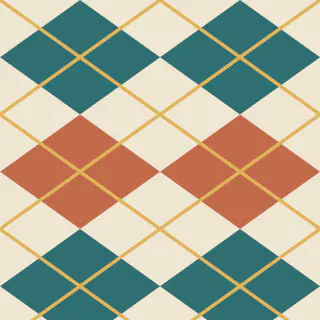
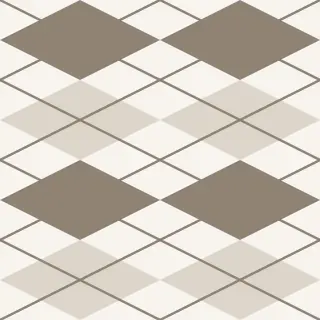
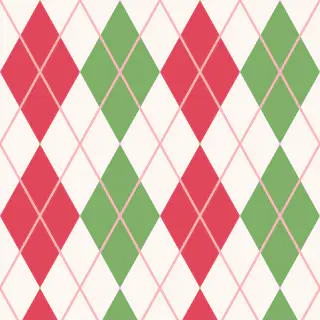
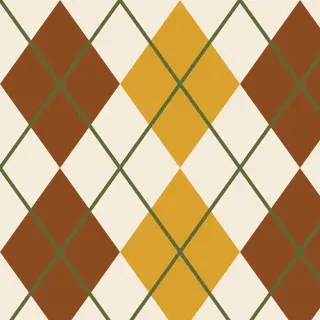
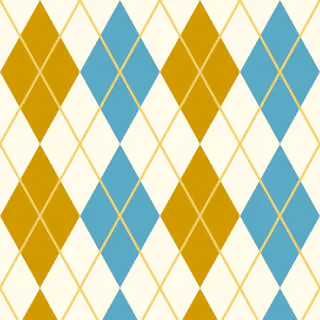
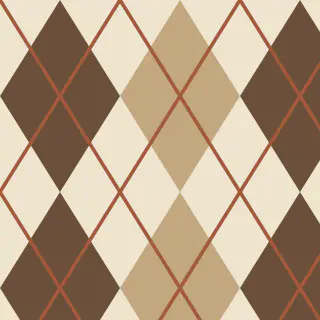
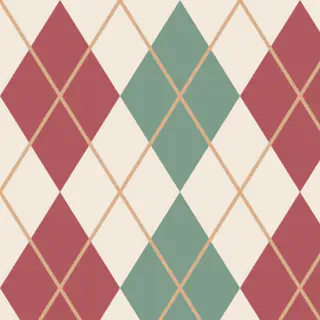
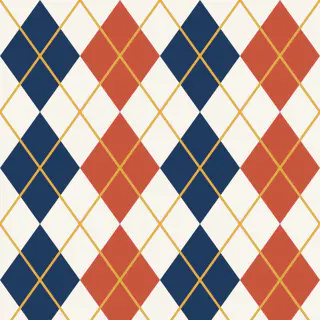
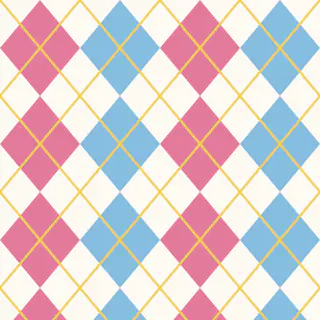
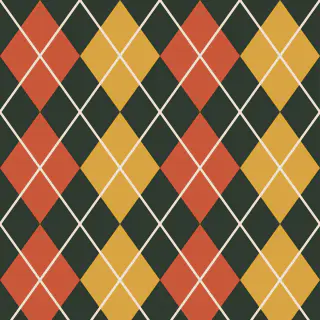
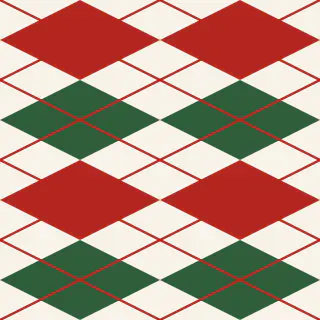
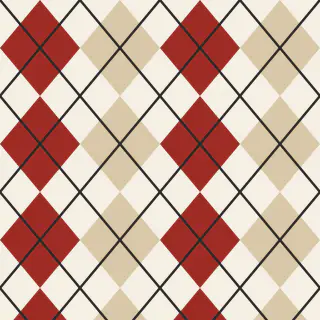
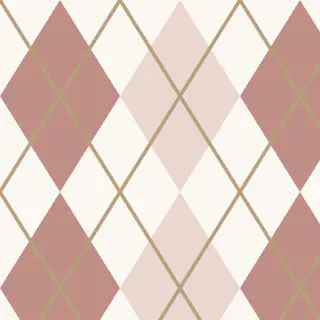
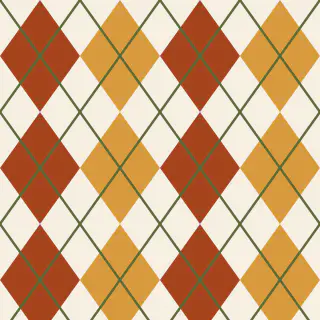
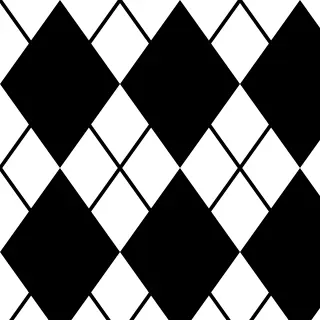
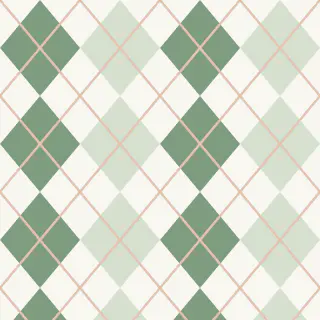
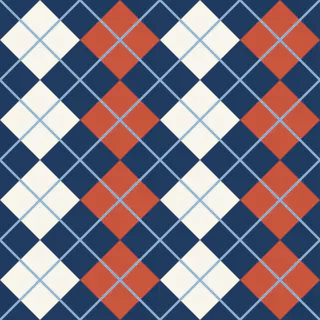
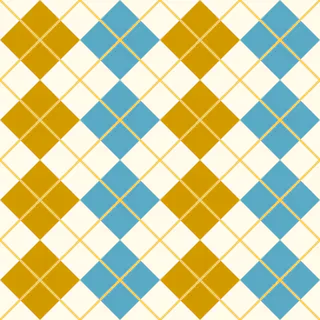
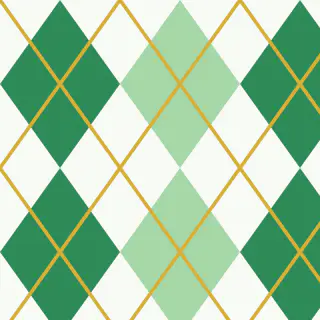
Argyle sets solid diamonds side by side and crosses them with thin diagonal lines.















No patterns match this color.
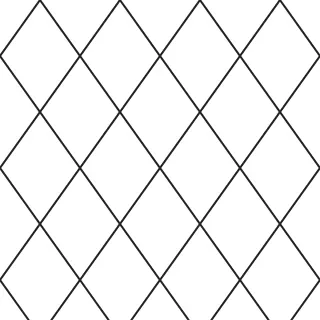
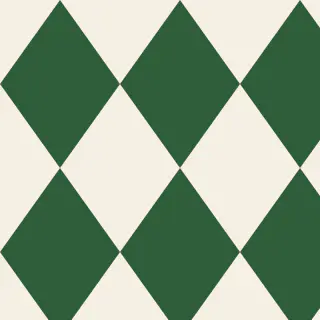
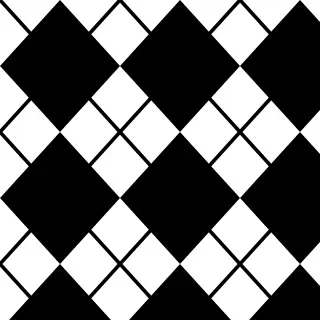
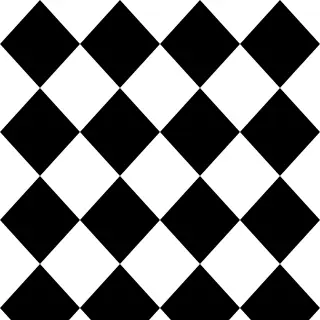
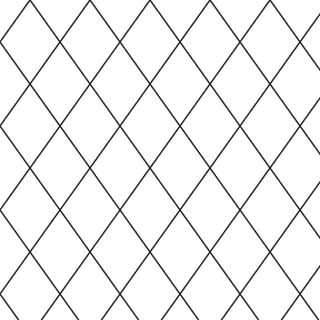
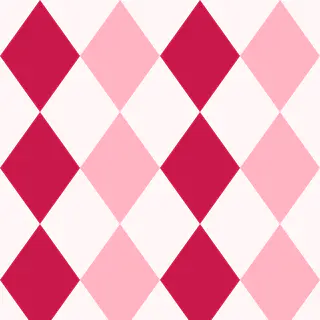
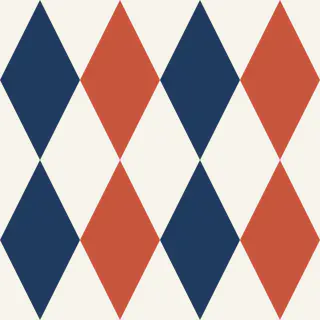
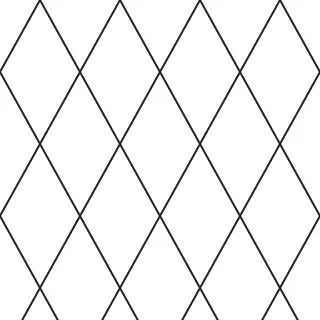
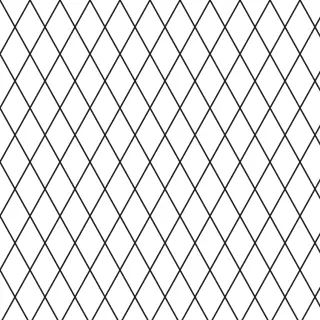
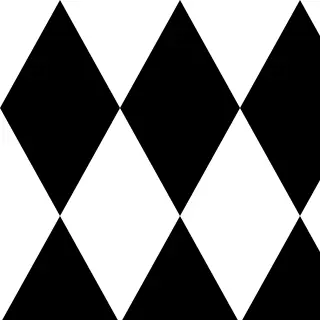
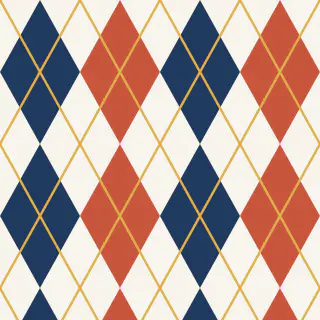
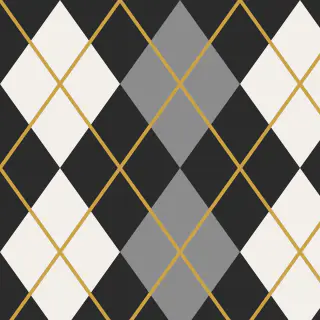
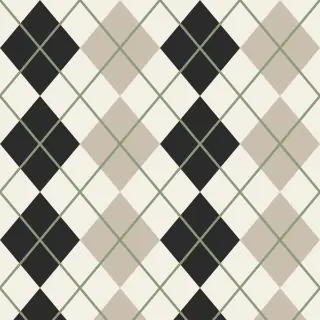
Each tile holds two diamonds across. The ground color fills one set of diamonds, and the next row alternates the main and second colors. Thin lines in a fourth color run diagonally through the center of every diamond, the overcheck that gives argyle its layered look. The harlequin version leaves the lines out for plain diamonds. The diamonds run from a square on its point to a tall lozenge.
How to use argyle patterns
As digital paper, argyle suits gift wrap, card fronts and invitations with a sporty or preppy theme. A taller diamond reads more elegant; a square one more playful. With three or four colors, keep the line color lighter or darker than all of the diamonds so it stays visible.
For knitters, argyle is usually worked in intarsia, with a separate length of yarn for each diamond, rather than with carried strands. The tile can be read as a chart: count stitches across one diamond and pick a height to match the gauge of the yarn. On cross-stitch fabric, a 14 or 16-count Aida keeps the diagonal lines smooth. For cutting machines, the harlequin version gives simple diamond shapes; the thin lines of the classic version are too narrow to cut cleanly at small sizes.
Where does argyle come from?
The pattern is said to come loosely from the tartan of Clan Campbell of Argyll in western Scotland, and from the patterned socks Highlanders wore from at least the 17th century. Modern argyle is usually not a true tartan, because it sets two solid colors side by side, which a tartan weave cannot do. Argyle knitwear became fashionable in Britain and then the United States after the First World War, helped by the Duke of Windsor, who wore it for golf.
Sources: Argyle (pattern) (Wikipedia)