styles
Eight-pointed star patterns
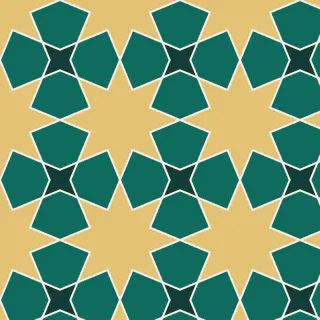
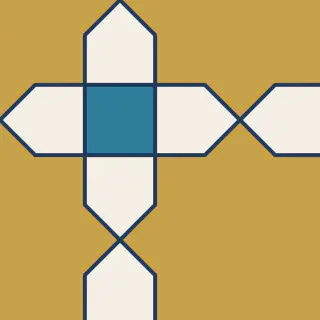
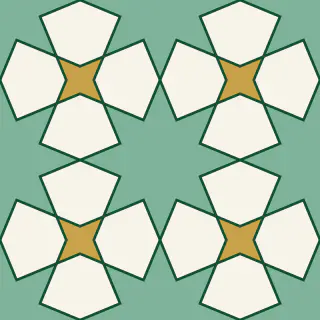
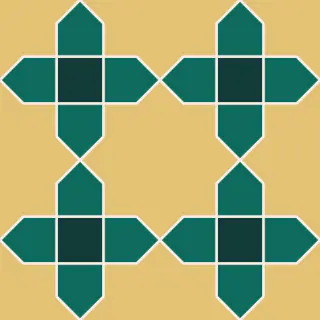
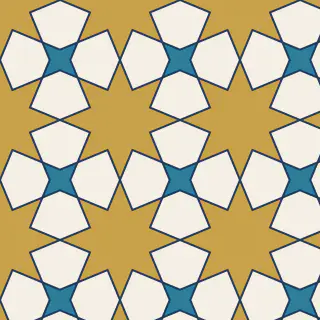
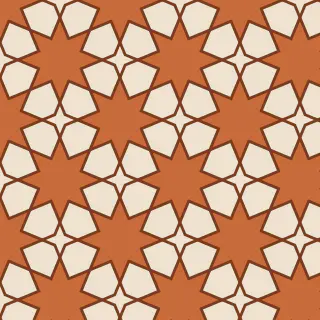
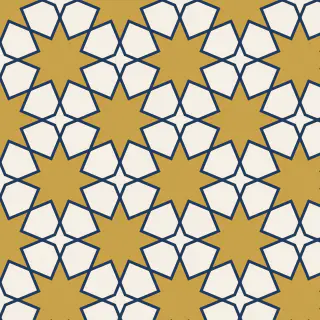
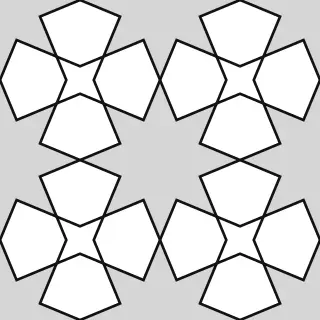
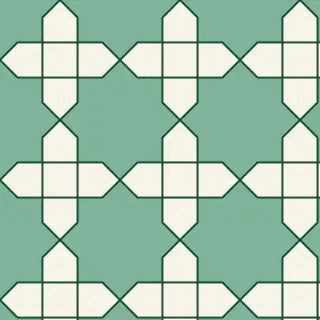
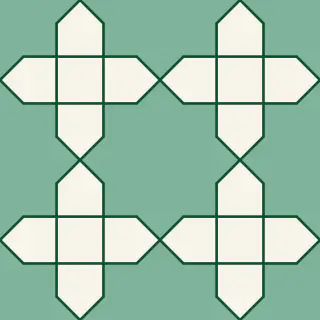
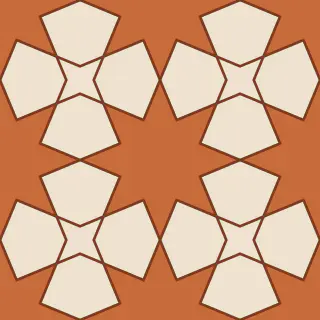
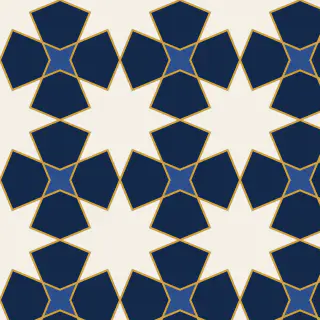
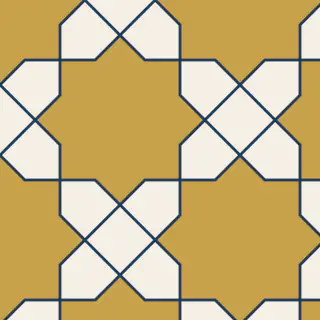
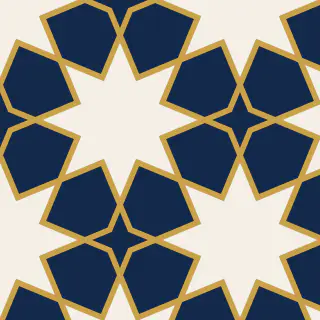
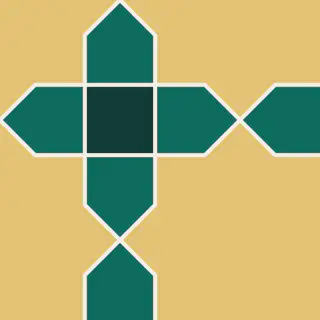
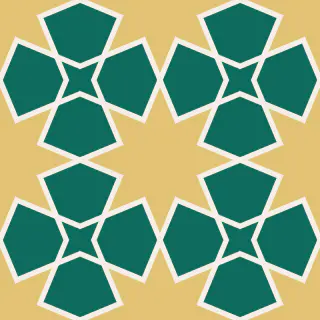
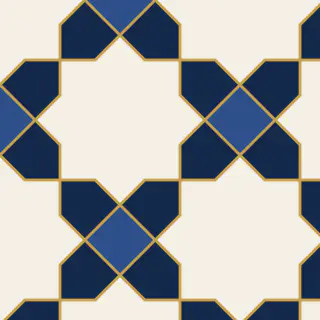
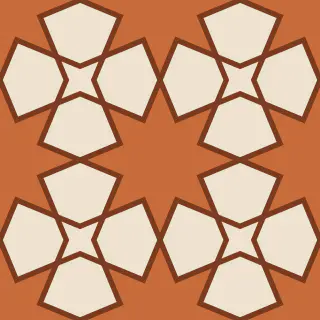
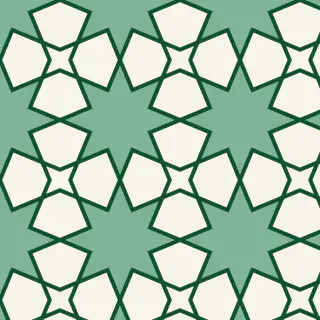
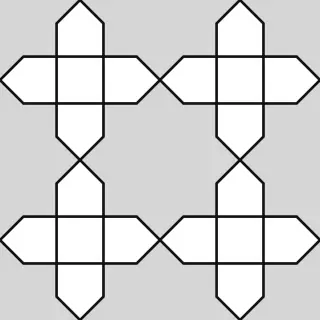
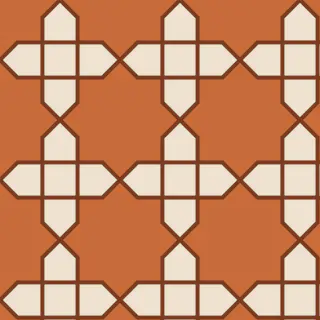
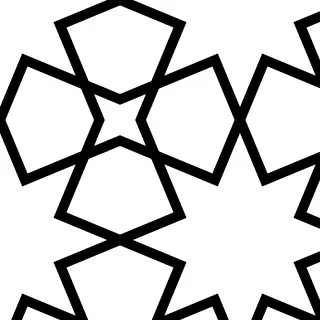
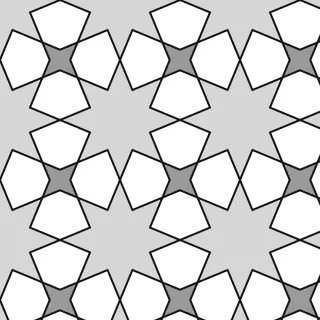
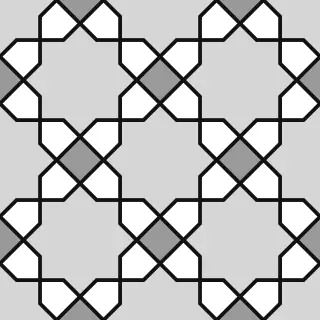
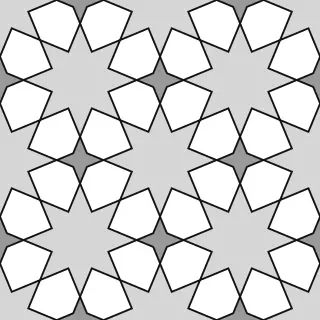
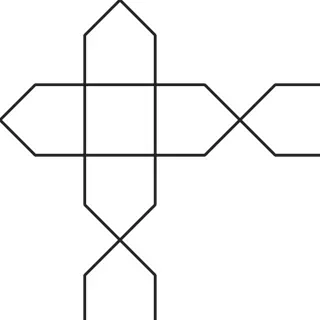
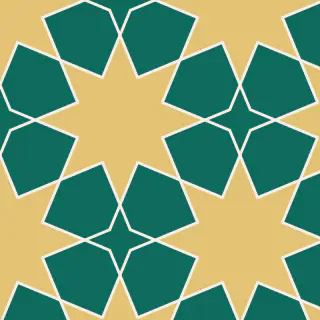
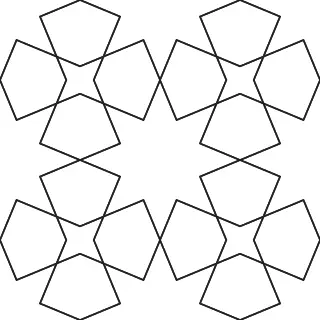
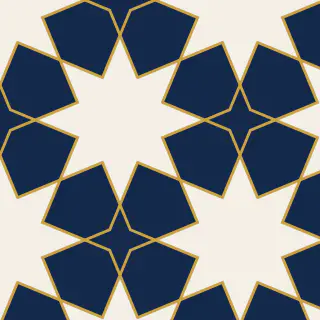
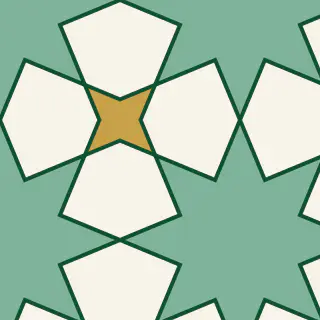
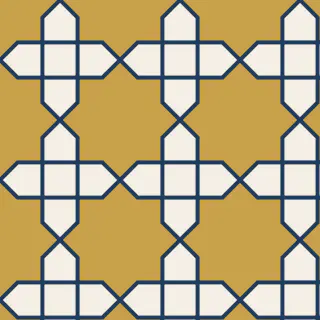
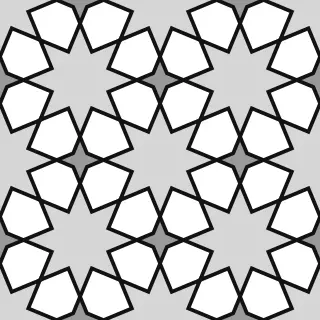
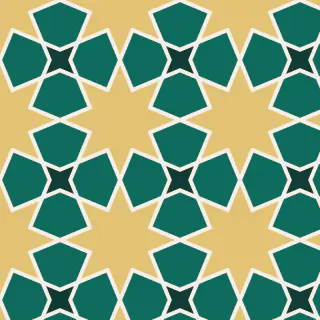
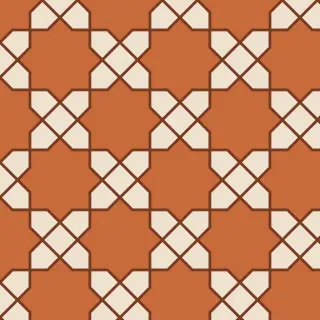
Eight-pointed stars on a square grid, set with crosses like a tiled floor or ringed by petals as a rosette.
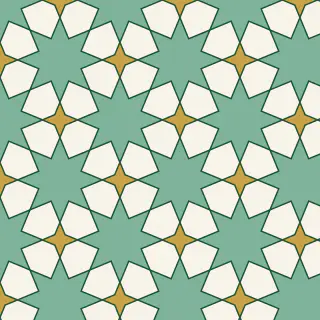
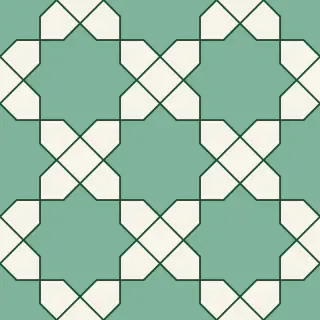
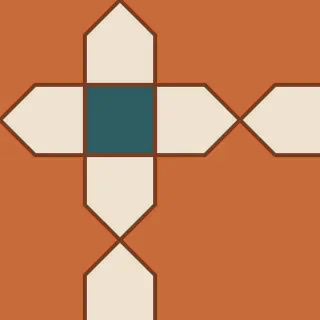
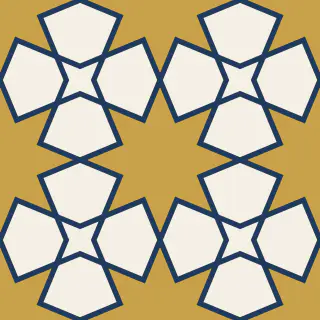
No patterns match this color.
The anatomy of the eight-pointed star pattern
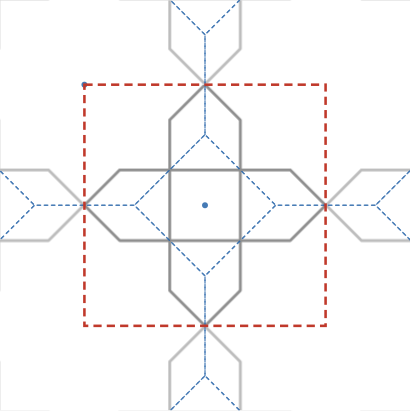
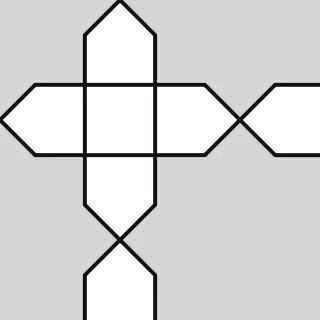
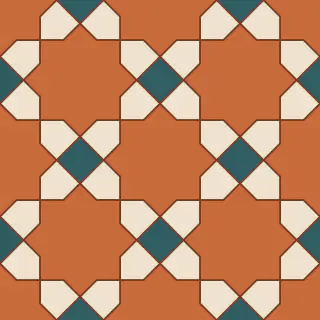
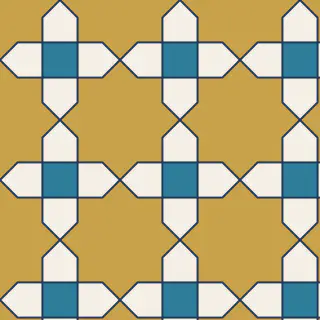
Lay one square over another at an angle of 45 degrees and you have the star. Put one on every corner of a square grid, sized so its tips reach halfway along each grid side, and the stars touch tip to tip. What is left between four of them takes the form of a cross with a small square at its heart, the same shape as the cross tiles set between star tiles on medieval Iranian walls.
An eight-pointed star is two squares, one turned 45 degrees over the other. Wikipedia’s survey of Islamic geometric patterns calls it a recurring motif and dates it to the Great Mosque of Kairouan in 836. For the star’s history and the Rub el Hizb, read the meaning and history of the eight-pointed star.
Which eight-pointed star to pick
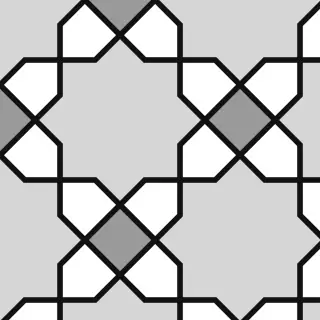
There are two looks. The star and cross has broad, right-angled points, and the space between four stars becomes a cross with a square at its center. It is the pattern most people know from tiled floors and walls, and it is calm and even.
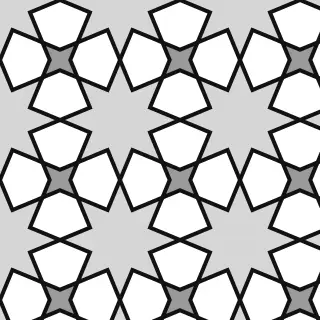
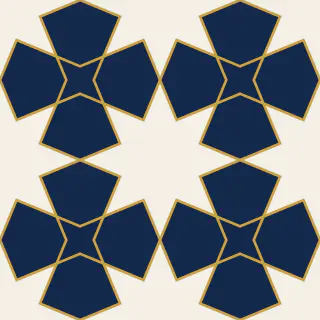
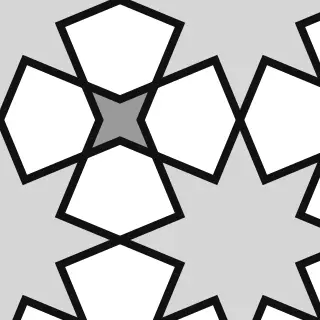
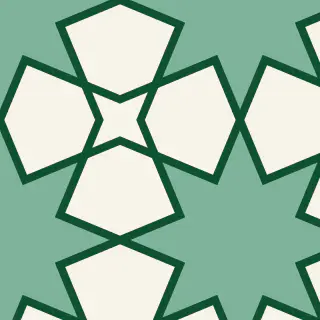
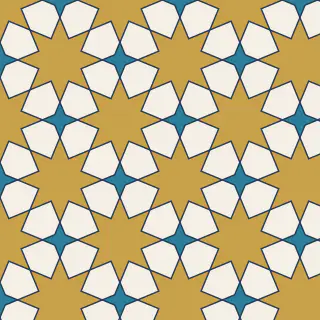
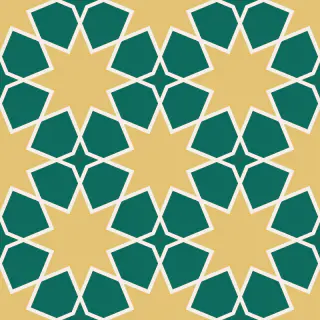
The octagon rosette has narrow points. A ring of eight petals grows around each star, and a small four-pointed star sits where the rosettes meet. It is busier and more ornamental.
Both come in a thin or a heavy line and in three sizes. Some are turned 45 degrees, which sets the stars on their points. The colors are tile blue, turquoise, lapis and gold, terracotta, emerald and ink, in three or five colors, so the crosses and the centers often get a color of their own.
How to use eight-pointed star patterns
A band of stars and crosses suits a mug or tumbler wrap made by sublimation. On paper, the star and cross suits menus, labels and Ramadan or Eid cards. A few patterns are line art for coloring, and a few are black shapes to cut.
Printing tips
Five colors look rich on screen but take more ink; ink and tile blue are the lightest prints. When you cut, the crosses of the star and cross are sturdy, while the thin petals of the rosette need the heavier line.
What is the Rub el Hizb?
It is the eight-pointed star drawn as two overlapping squares. Its main use today is to mark divisions of the text in some copies of the Quran.
Sources: Islamic geometric patterns (Wikipedia); Rub el Hizb (Wikipedia)