styles
Japanese patterns
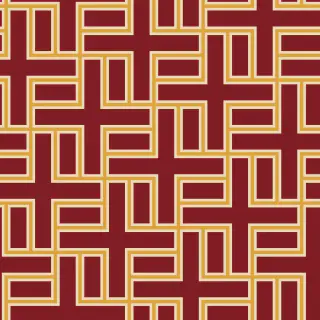
Classic Japanese repeats and sashiko stitch grids, in indigo, red, green, ink and gold.















No patterns match this color.
Japanese patterns follow traditional motifs: waves, hemp leaves, tortoise shells, scales, checks and arrow feathers. Compare them side by side, then open the one you like.
Which Japanese pattern to pick
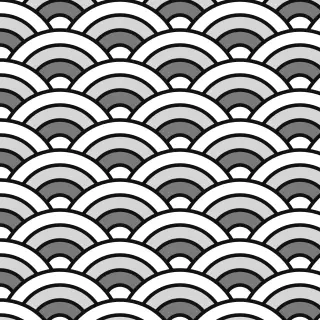
- Seigaiha: nested rings stacked in rows like waves.
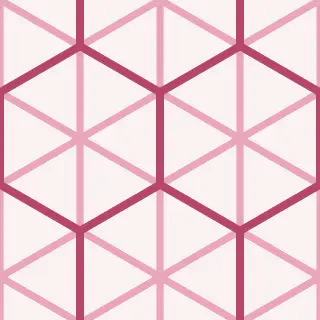
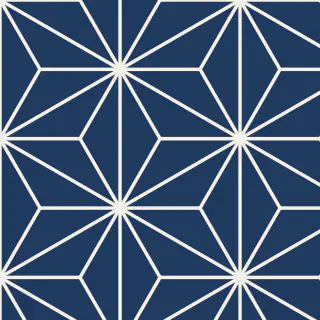
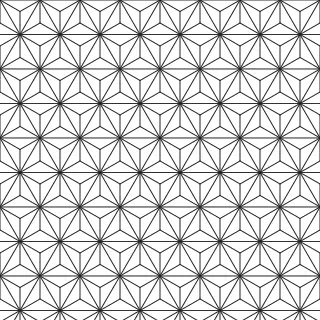
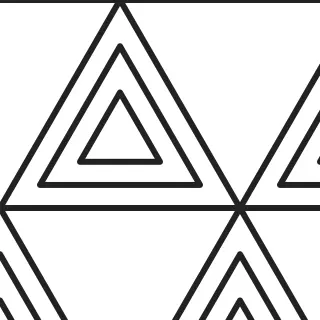
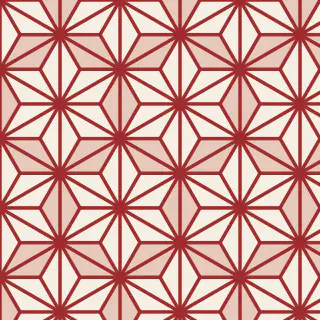
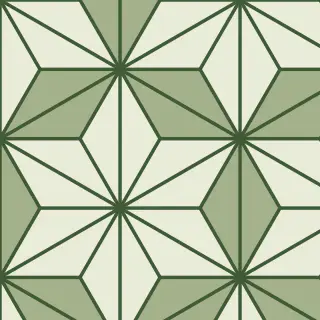
- Asanoha: six-pointed stars of thin diamonds on a triangle grid.
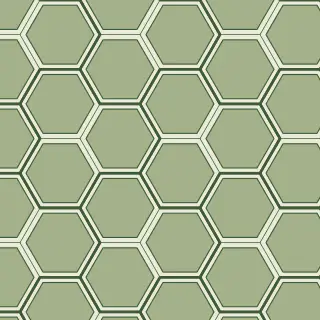
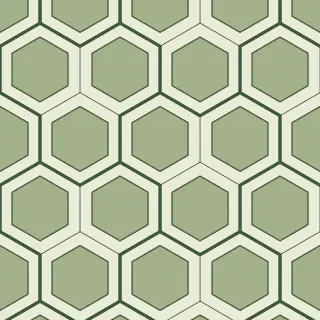
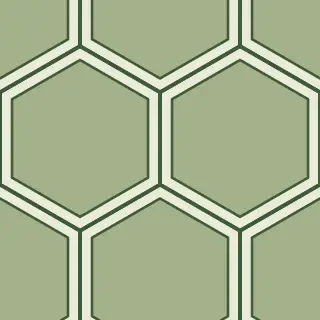
- Kikko: hexagons with a double outline, plain or grouped in threes.
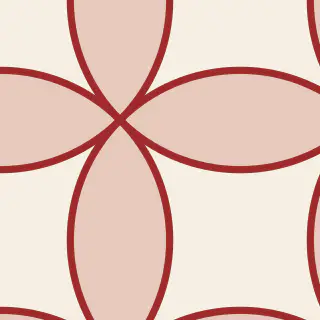
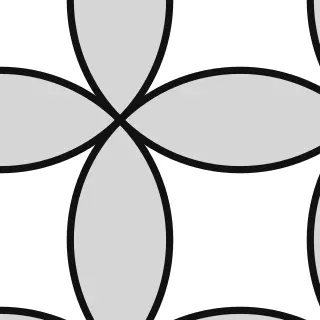
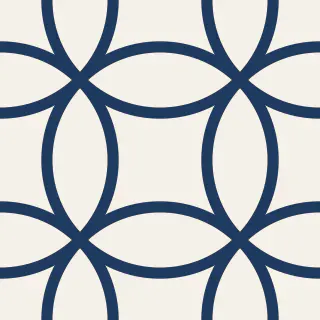
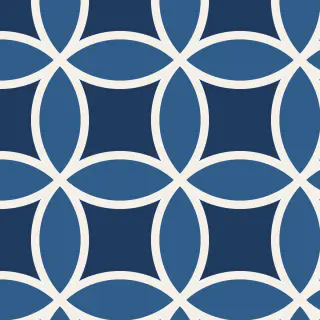
- Shippo: circles that overlap by a quarter.
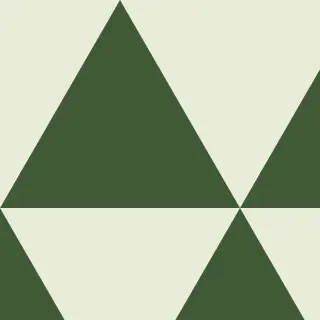
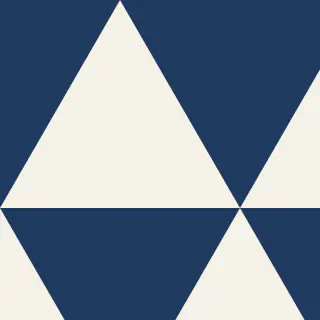
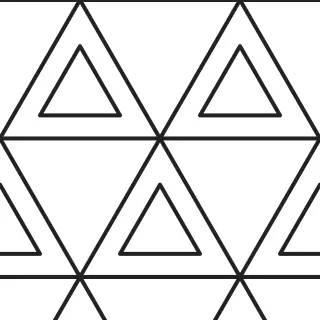
- Uroko: rows of solid triangles.
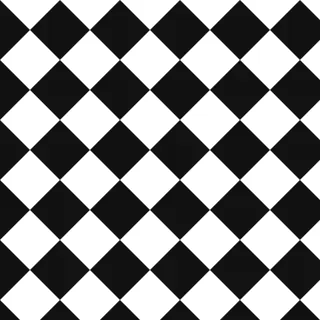
- Ichimatsu: a two-color checkerboard.
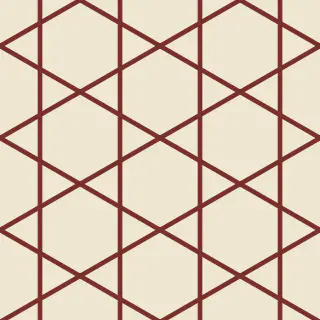
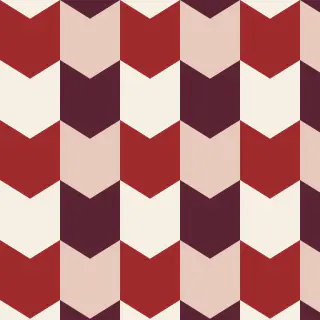
- Yagasuri: columns of arrow feathers, each column dropped half a step.
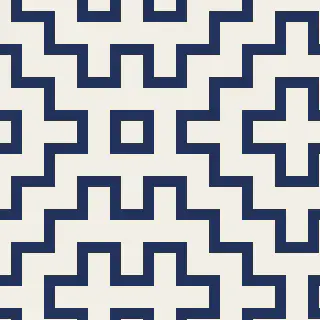
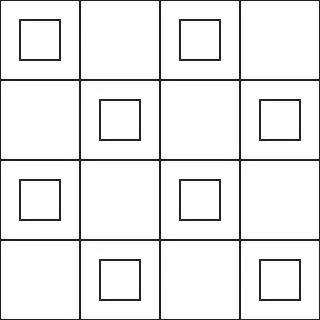
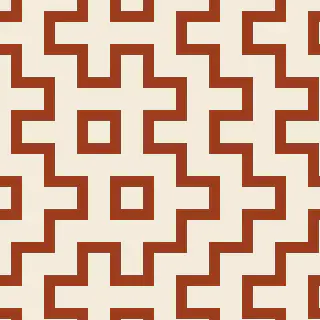
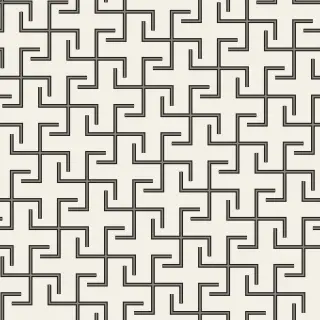
- Sashiko: hitomezashi running-stitch grids for stitching.
Several of them have a long history in cloth. Yagasuri was woven as kasuri, a Japanese ikat in which the threads are dyed before weaving, and small repeats were printed with katazome, a paste resist applied through a stencil.
Japanese pattern colors
The Japanese patterns come in six color pairs: white on indigo and indigo on white, a safflower red with cream, two greens on pale celadon, black ink on white, and a golden brown on charcoal. Many also come as plain line art for coloring.
How to use Japanese patterns
For a quiet background behind text, pick a fine line: asanoha or a thin kikko. For a bold sheet, uroko and ichimatsu are solid shapes with hard edges. Seigaiha is the one most people read as Japanese at a glance. Indigo on white and black on white use the least ink when printed; white on indigo and brown on charcoal are dark and better kept for screens, wraps and covers.
Sources: Sashiko (Wikipedia); Kasuri (Wikipedia); Katazome (Wikipedia)