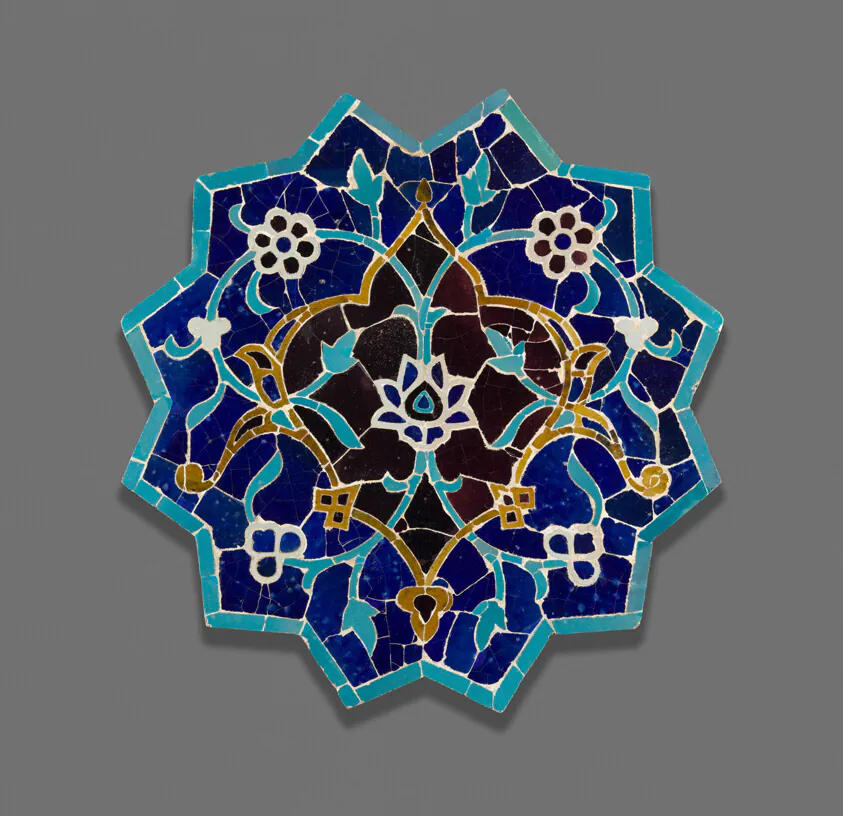
Timurid star
Colors in the original
#209aa918%#000f5c18%#24151916%#16215714%#d3ccb811%#000f6d10%#b49c7a6%#9363013%#c08c133%
Patterns in these colors
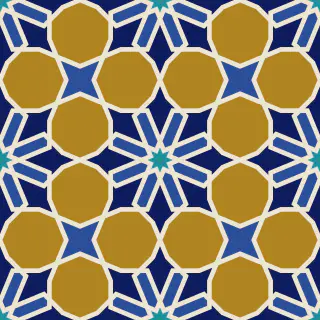
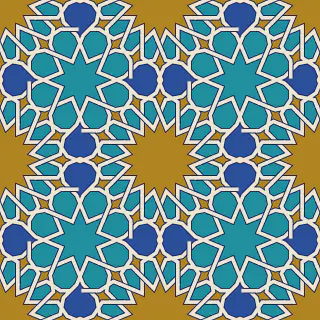
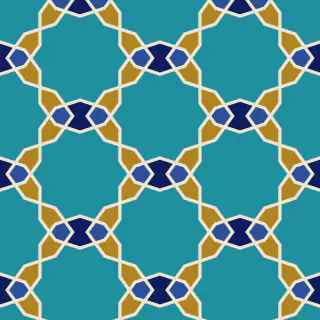
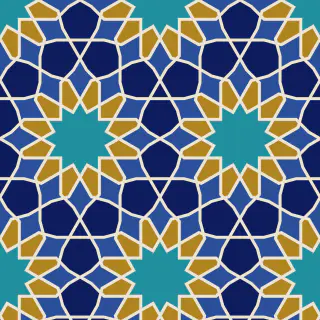
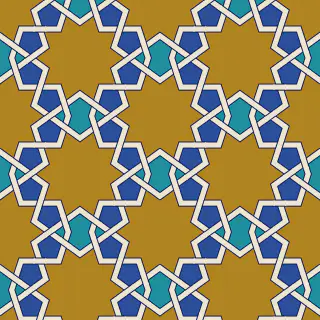
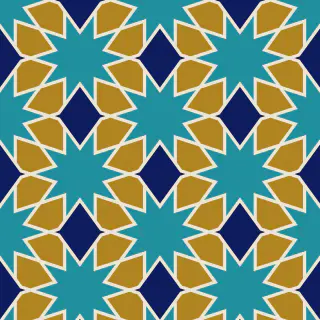
styles
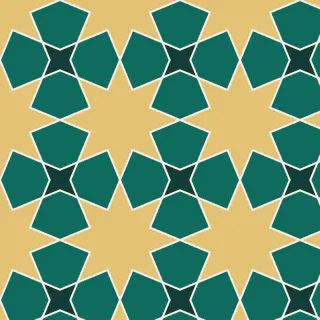
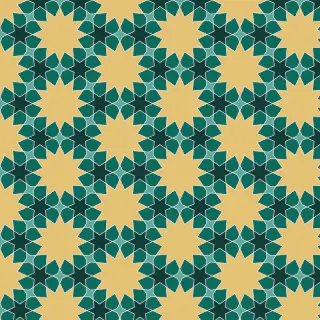
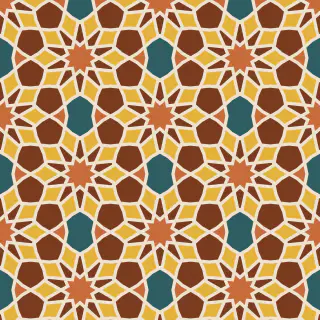
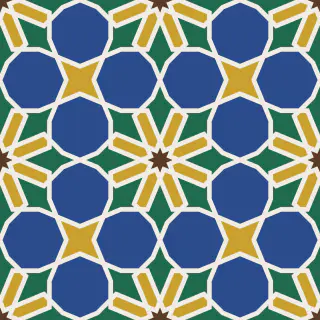
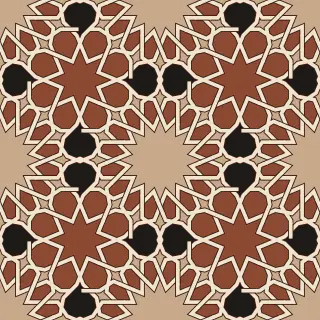
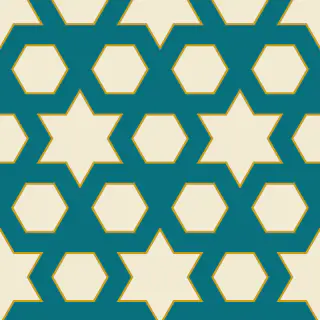
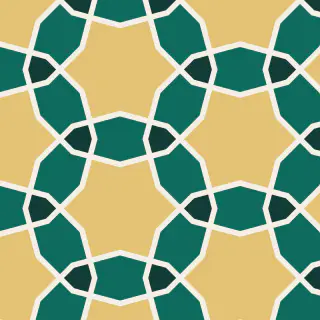
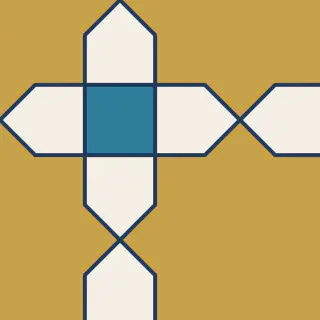
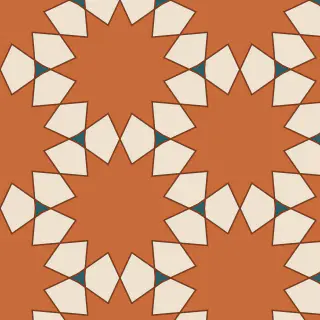
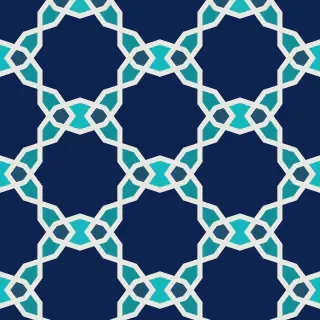
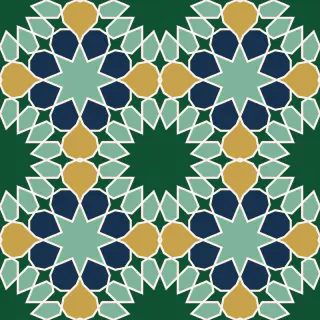
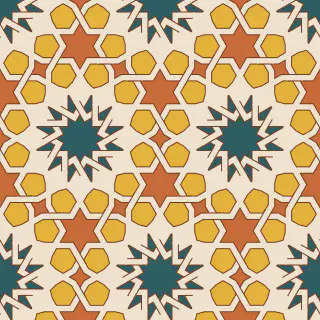
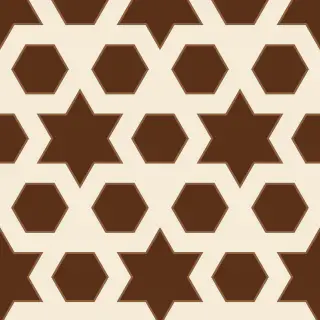
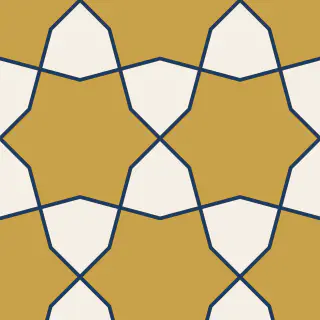
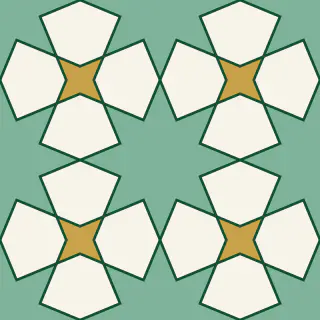
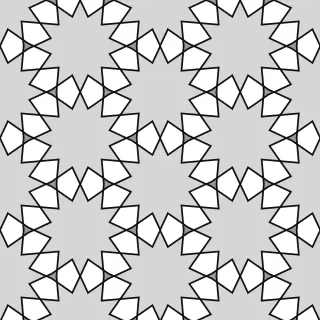
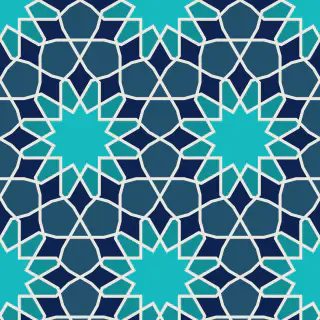
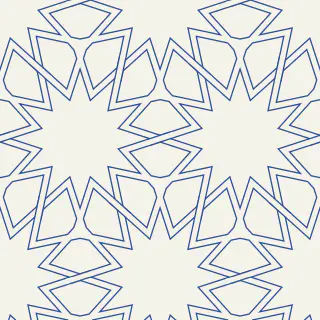
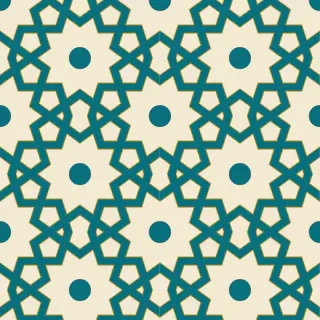
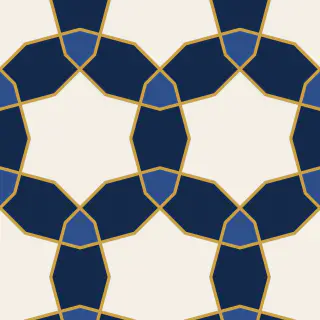
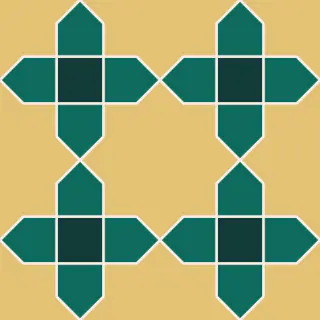
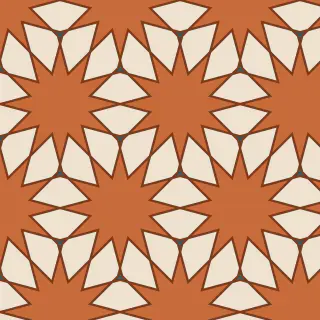
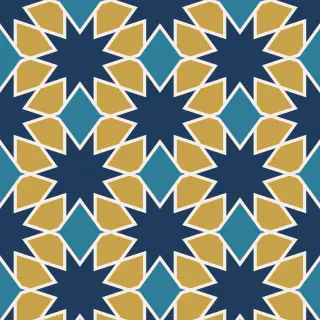
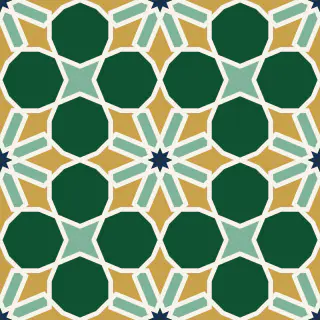
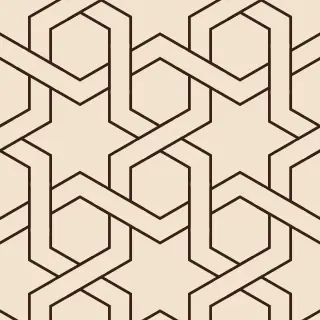
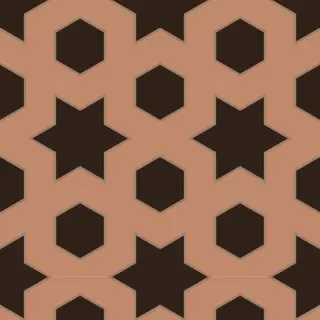
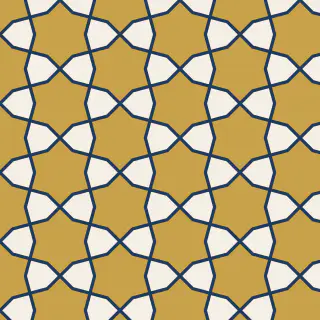
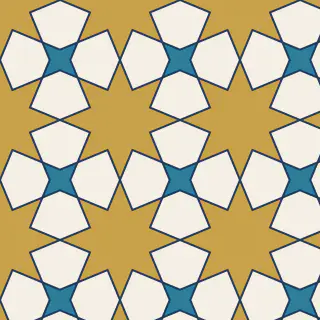
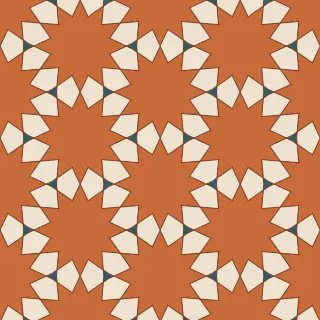
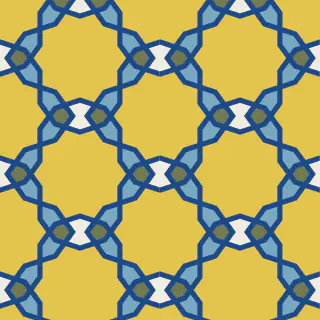
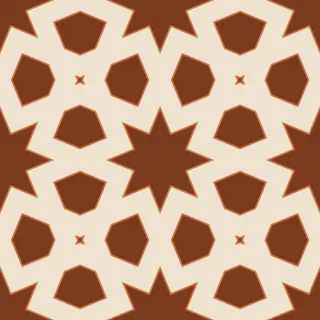
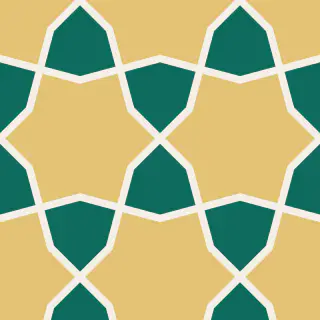
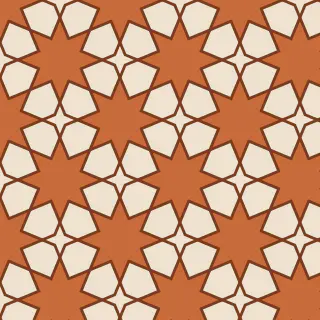
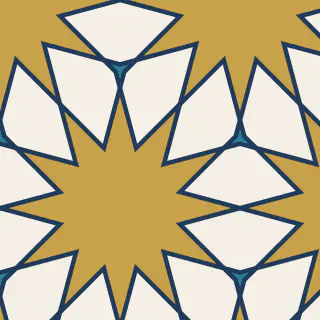
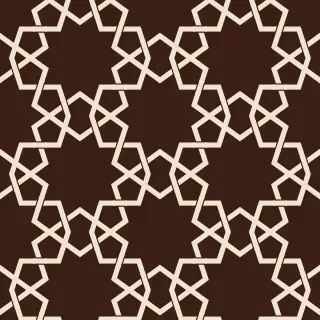
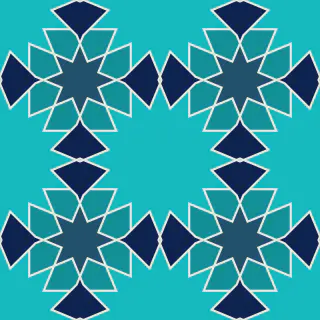
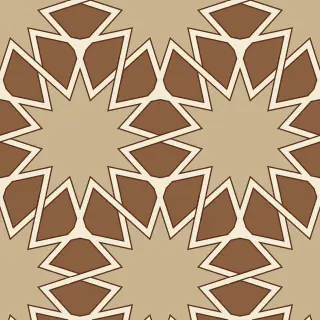
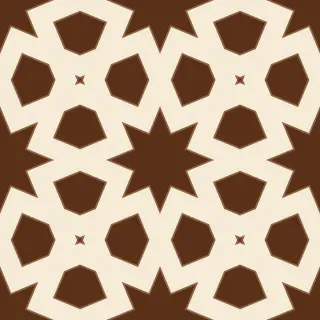
Star patterns on five tilings, from simple six-pointed stars to twelve-point rosettes, in tile, stone and ink colors.
No patterns match this color.
Colors in the original
#209aa918%#000f5c18%#24151916%#16215714%#d3ccb811%#000f6d10%#b49c7a6%#9363013%#c08c133%Patterns in these colors
Colors in the original
#bda68f17%#9c836e14%#cdc0b413%#765b4812%#59281e11%#f2dbbf11%#463c3310%#2118159%#d0ad7e2%#a577442%Patterns in these colors
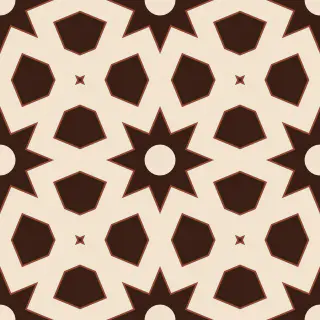
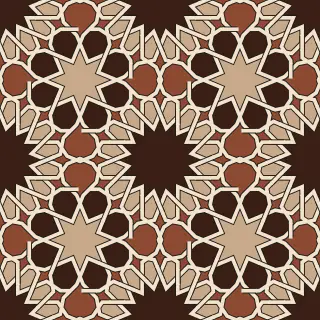
Geometric star patterns run through Islamic art in cut brick, carved stucco, wood and tile. Islamic geometric patterns include star, girih, zellige, interlace, brick and jali patterns. For florals, see Iznik tile patterns and arabesque patterns.
The six-pointed stars are the simplest and the most open. Eight-pointed stars feel most like a tiled floor. Rosettes have the most pieces and suit a large print where the detail can be seen. These are new patterns in the tradition, not copies of any building.
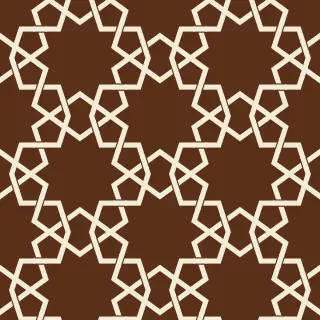
Girih is Persian for “knot.” In girih, lines cross the center of each edge of a decagon-and-bowtie tiling at 54 degrees and make ten-point stars ringed by pentagons. The lines read as a strap; some patterns weave the strap, show the thin tile edges, or have broader or sharper stars and petal rosettes. The meaning and history of girih covers the five tiles.
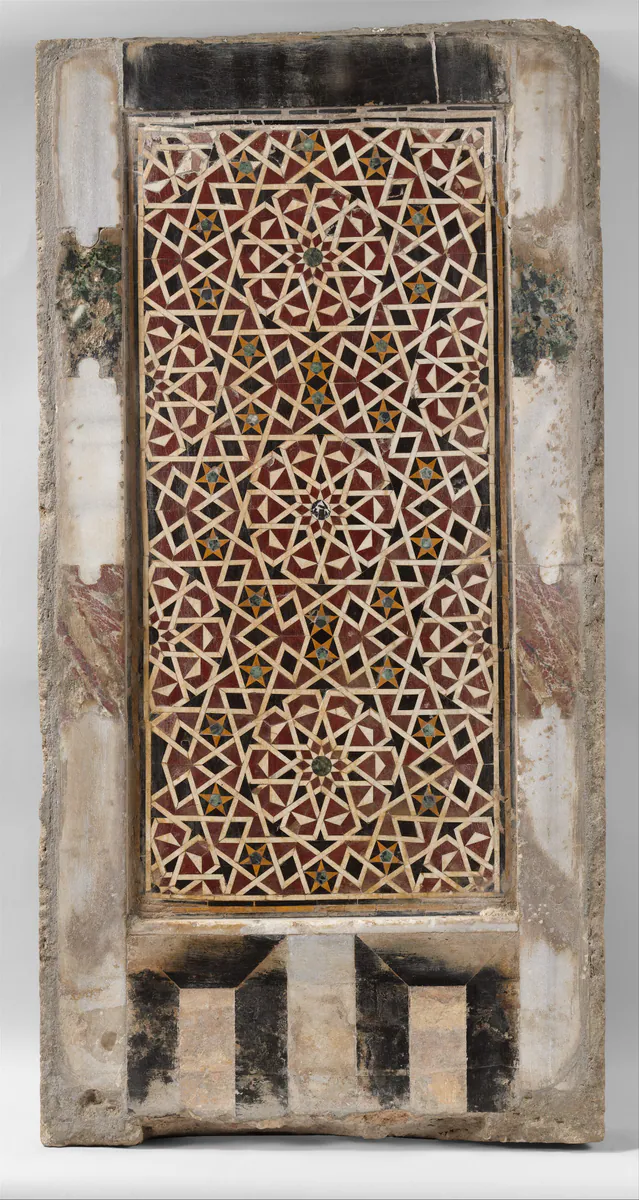
Wikipedia’s strapwork article describes stylized ribbon-like forms often interwoven in a geometric pattern; Peter Fuhring derives it from Islamic ornament. In Wikipedia’s survey the straps seem to weave over and under around stars of 6, 8, 10 and 12 points. Interlace patterns send a band over and under at every crossing, like Celtic knot patterns, with a contour line on each side. Two colors make line work; more give stone inlay. The Mamluk marble colors come from a 15th-century wall panel from Cairo in the Metropolitan Museum; try Mamluk interlace in the pattern generator.
The colors run from navy and gold on cream, a deep teal ground, and gold on dark blue to red earth with teal and yellow, green with gold, and black and grays on white. Some patterns are line art to color, and some come as solid black for a cutting machine.
Wikipedia’s survey dates eight-pointed stars to the Great Mosque of Kairouan in 836 and six- and eight-point stars to the Ibn Tulun Mosque in Cairo in 879, and traces a growth from simple stars to 6- to 13-point patterns by the 13th century. Hankin described the “polygons in contact” method behind many of them: two lines cross at the midpoint of every edge of a polygon tiling and run inward until they meet, and the angle at which they cross decides how sharp the star points are.
Sources: Islamic geometric patterns (Wikipedia); Zellij (Wikipedia)