styles
Damask patterns
Formal ornament repeats in the manner of damask: pointed medallions and ogee nets on a plain ground. These are printed patterns, not woven cloth.



No patterns match this color.
These damask patterns are flat prints that borrow the look of the woven cloth: a large symmetric motif in a half-drop, framed or linked by curves.
Which damask to pick
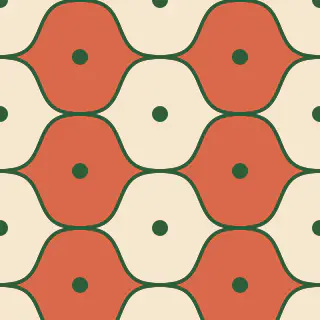
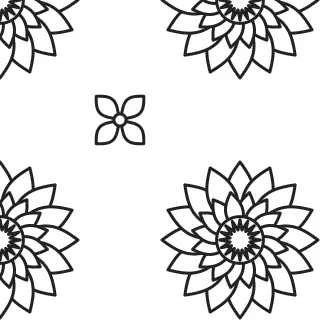
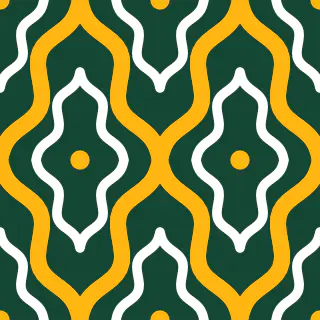
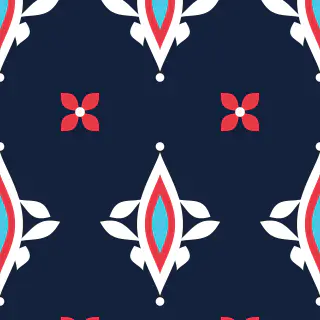
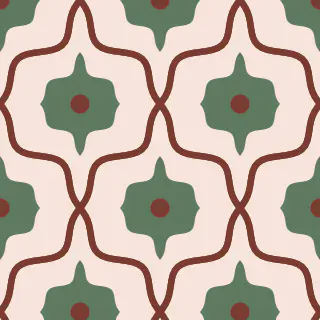
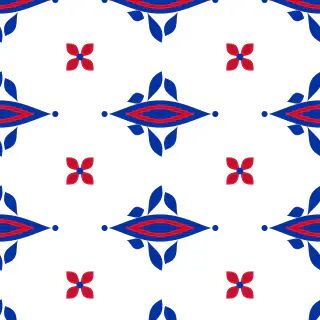
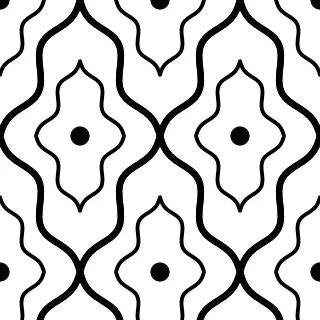
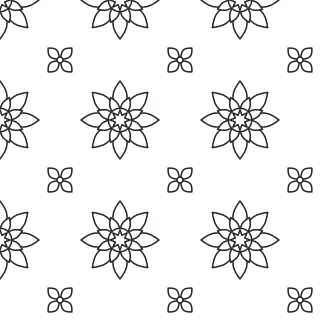
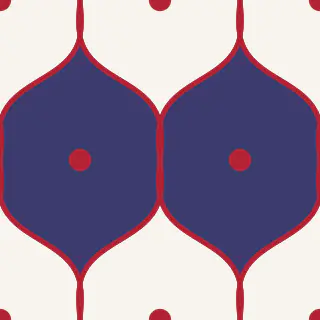
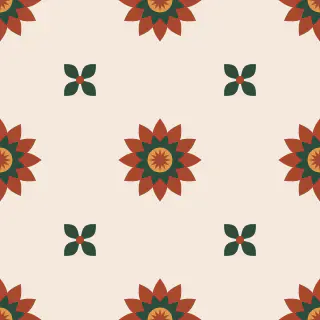
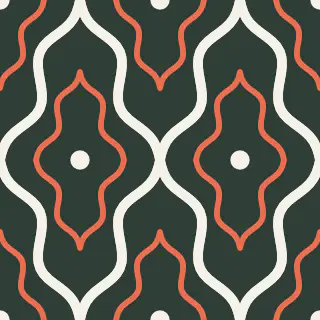
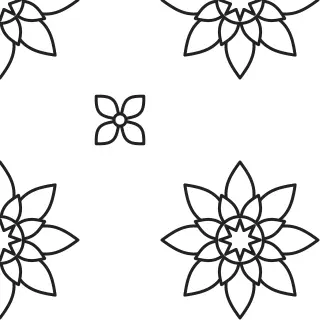
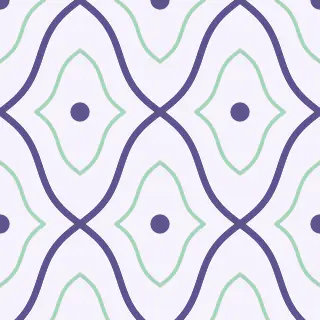
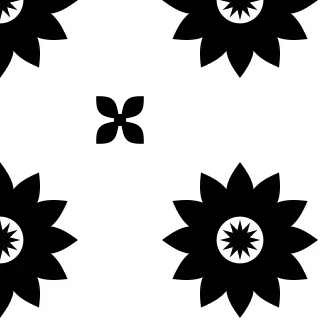
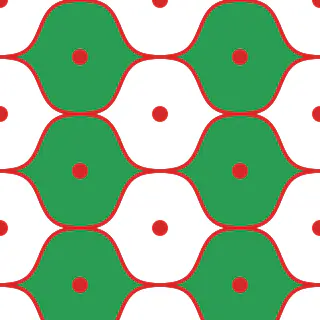
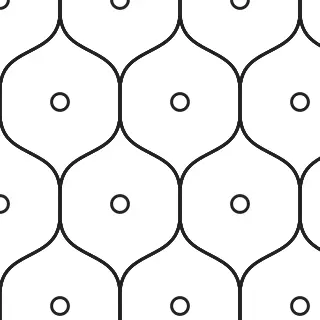
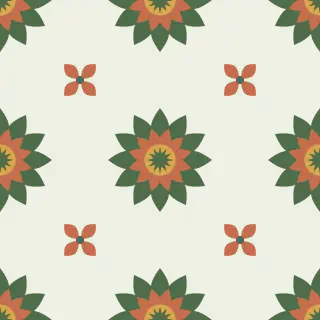
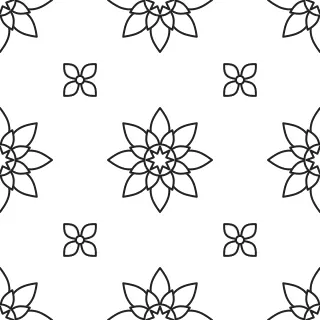
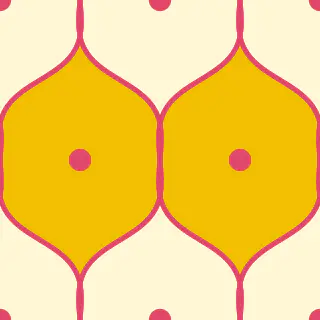
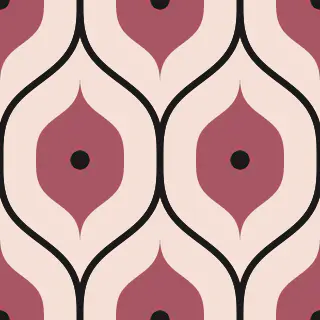
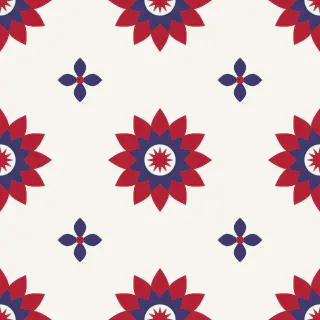
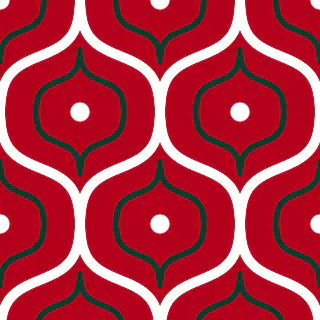
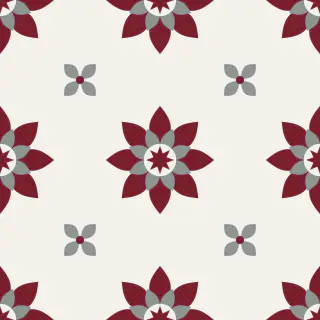
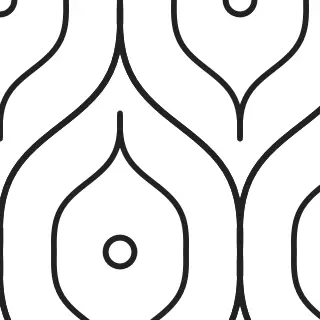
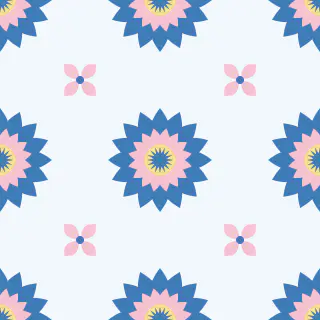
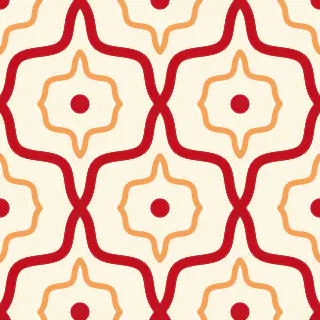
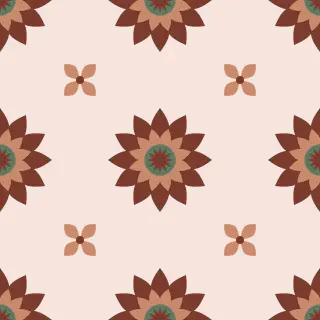
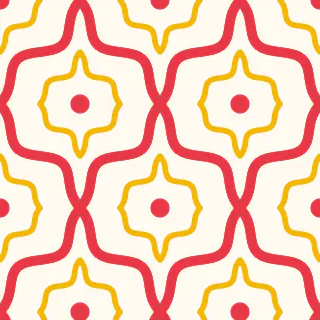
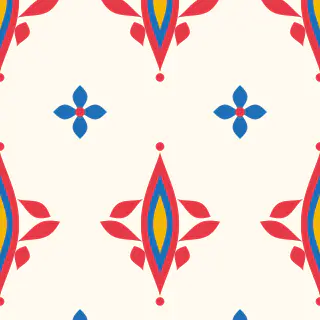
Medallion damask gives a tall pointed oval with nested ovals inside, paired side leaves and a small dot at each tip, or a round rosette of petals; a little four-leaf spacer sits between the large motifs. Ogee damask gives the net: onion-shaped cells, each with an inner outline and a center dot.
Printing damask patterns
Tone-on-tone colors, two close shades of one color, come nearest to the satin-on-matte effect of the cloth. For card making and scrapbook paper, a 2,048 px tile at a small scale keeps the motifs fine. On a sublimation mug or tumbler wrap for personal use, pick a larger scale so a whole motif faces out. A dark ground with a gold motif is the classic choice but uses heavy ink on a home printer.
What is damask?
Damask proper is a woven fabric. It is made by periodically reversing the action of the warp and weft threads, so the design shows as a contrast between a glossy satin face and a duller ground, and the cloth is reversible. The name comes from Damascus, a large trading city on the Silk Road. The word appears in French records from the mid-14th century, Italian weavers soon made damask on draw looms, and the Jacquard loom later made it faster and cheaper to weave. It is still common in table linen and furnishing fabric.
Sources: Damask (Wikipedia)