styles
Seigaiha wave patterns
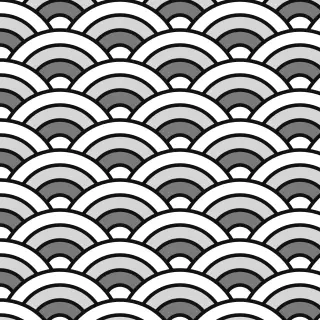
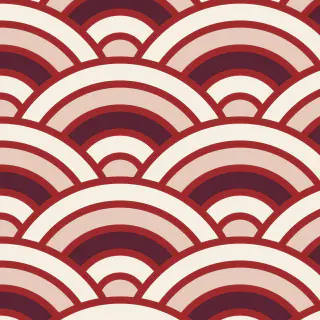
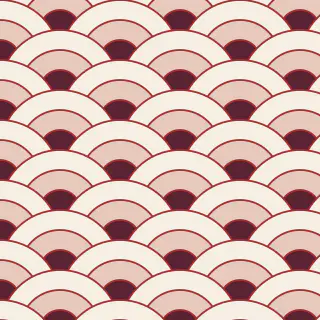
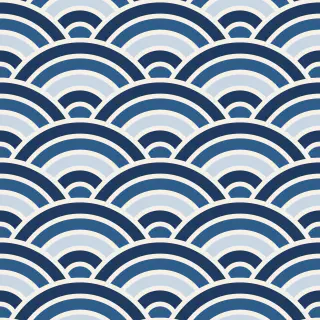
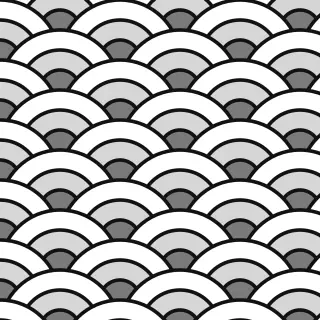
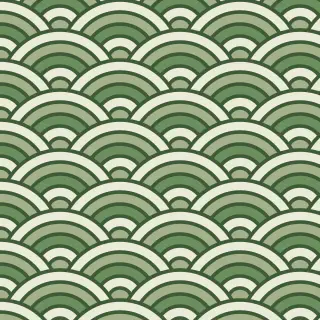
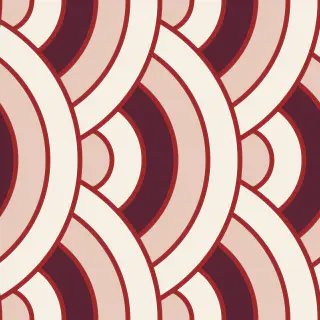
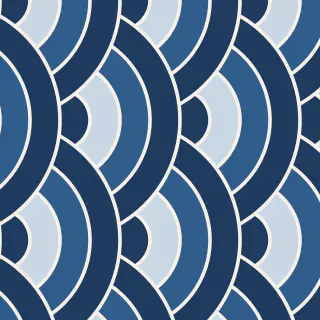
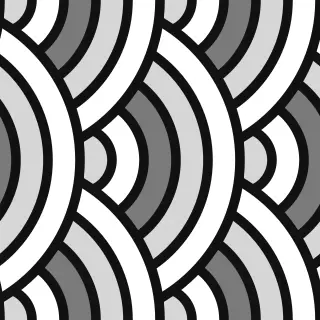
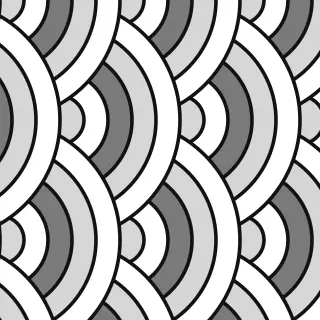
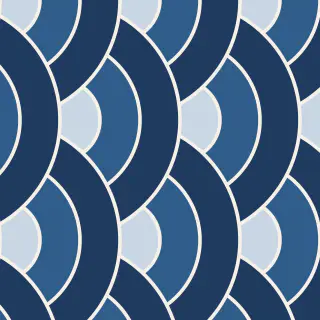
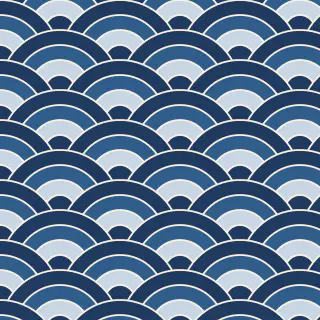
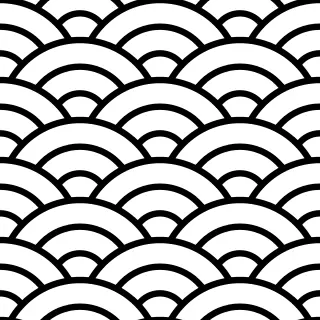
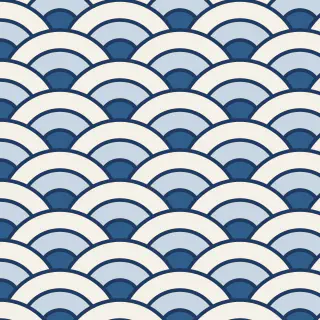
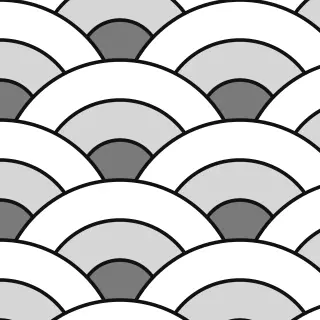
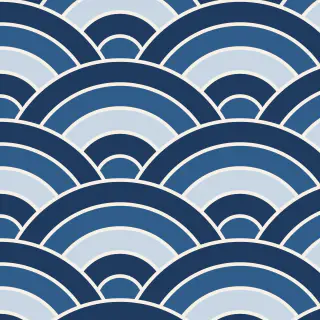
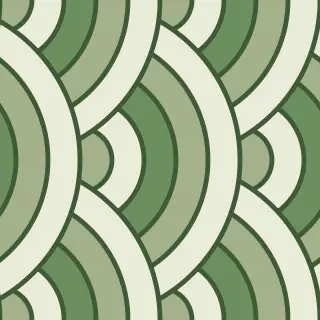
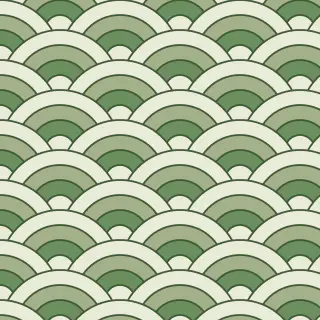
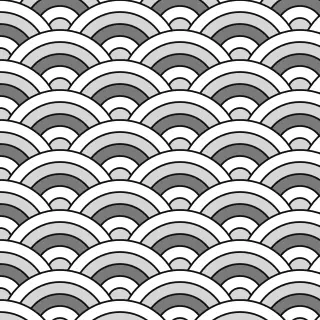
Seigaiha is the Japanese blue-sea wave: fans of rings set in rows that overlap, so the surface rolls like a calm sea.













No patterns match this color.
The anatomy of the seigaiha pattern
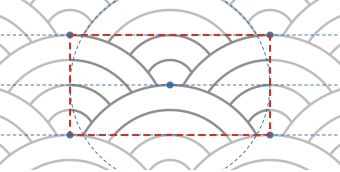
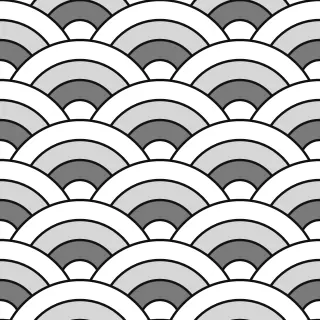
Every seigaiha starts from one fan: a few rings around a shared center. The fans stand shoulder to shoulder in a row, and each new row slides half a fan sideways and tucks over the row behind it. Only the upper arcs stay in view, so the eye reads rolling waves. One fan across and two rows down make the whole repeat.
Seigaiha takes its name from a Japanese court dance whose costume is said to have carried the wave design. For the full story, read the meaning and history of seigaiha.
Which seigaiha to pick
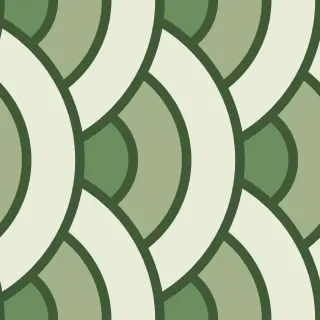
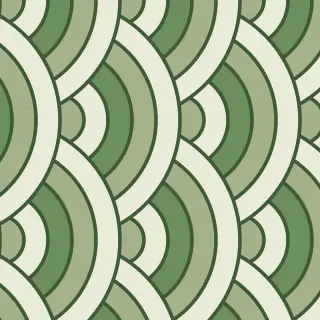
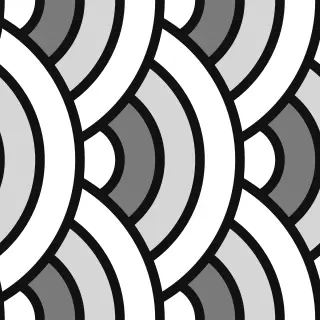
The number of rings sets the mood. Three rings give wide, open bands that read as waves from across a room. Five rings give a fine stripe that reads more like texture, good for a small print. A heavier line holds up on a dark ground such as indigo. Turned a quarter, the waves climb in columns, which suits a tall label or a phone screen.
Two colors give the classic look. With four colors, the rings change between two shades of the line color, which softens the stripes. The line art versions are black on white, ready to color.
How to use seigaiha patterns
The rows read well wrapped around a mug or tumbler, because the eye follows them round the curve. For paper crafts, a five-ring pattern at a small scale makes a calm lining for envelopes and journal covers. A large three-ring wave works as a bold background for a card or a poster.
Printing and cutting
Thin rings on a dark ground can fill in on cheap paper, so pick a heavier line for indigo or gold grounds. The coloring sheets have many narrow bands, so they suit fine-tip pens better than crayons. For vinyl or laser work, start from the solid black patterns: a hairline ring is too thin to weed or cut.
Sources: 青海波 (Seigaiha), Japanese Wikipedia