styles
Shibori patterns
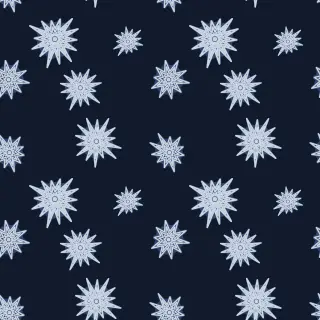
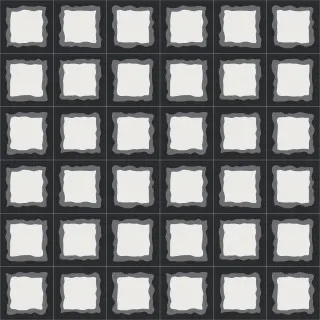
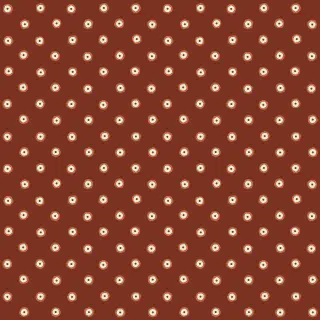
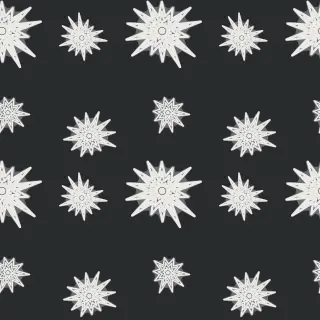
Four Japanese resist-dye looks, drawn with the soft edges of real dye.
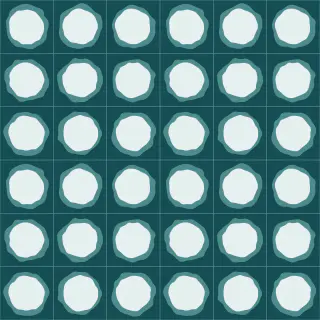

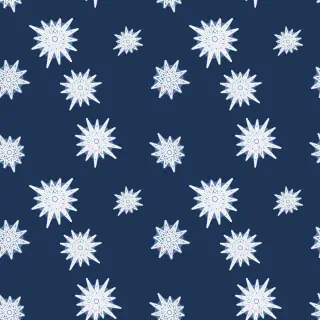
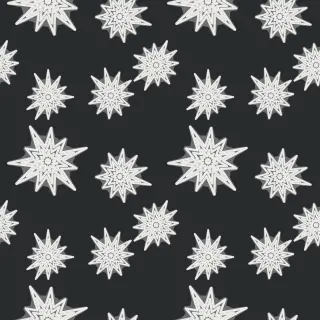
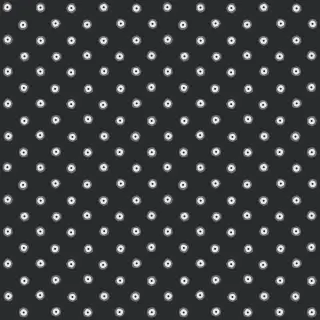
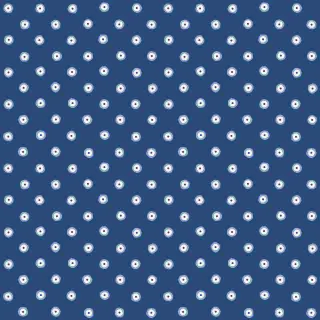
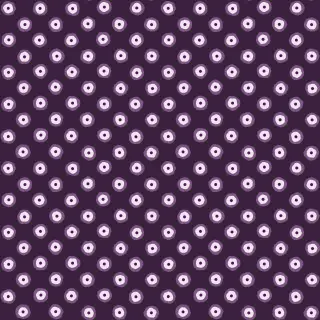
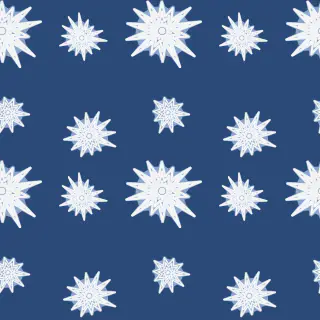
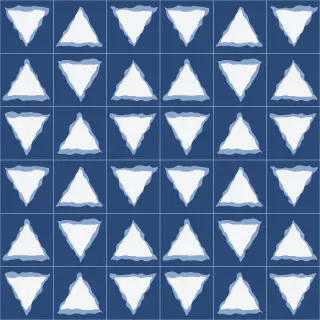
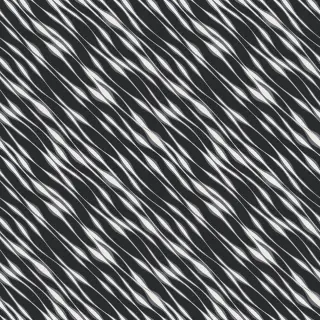
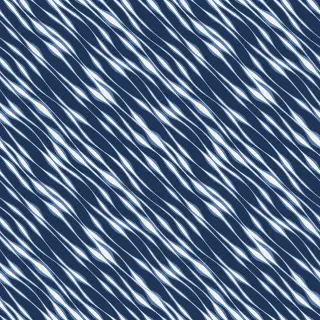
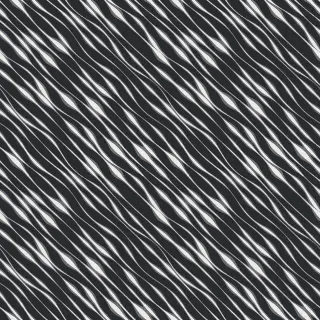

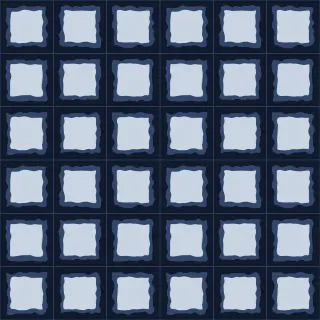
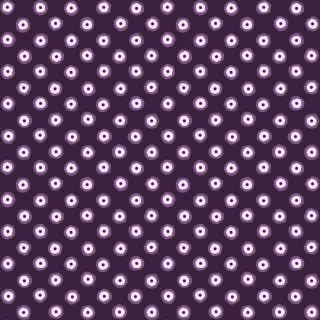
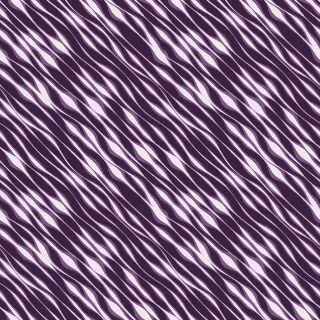
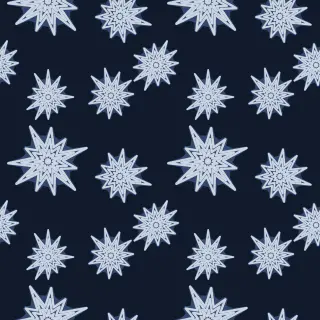
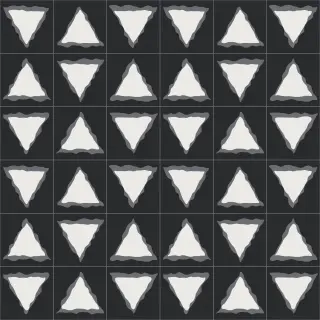
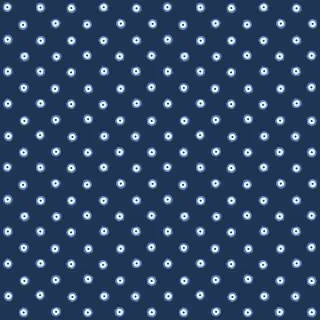
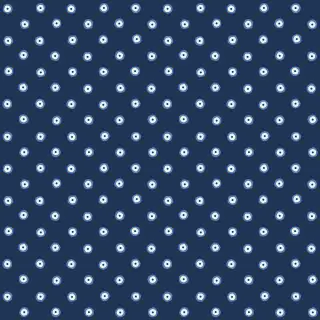
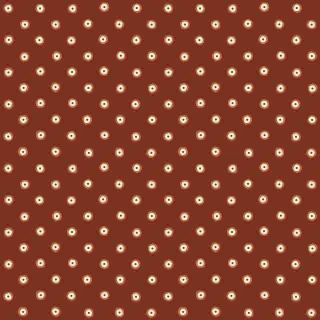

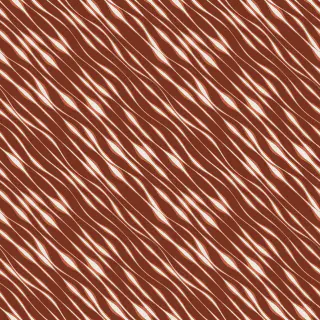
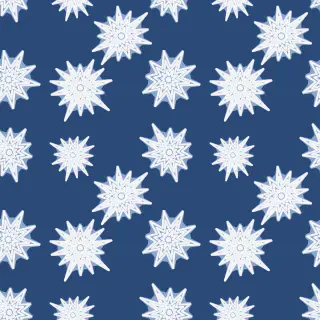
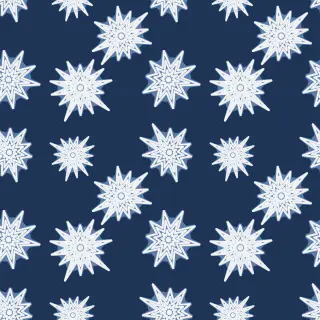
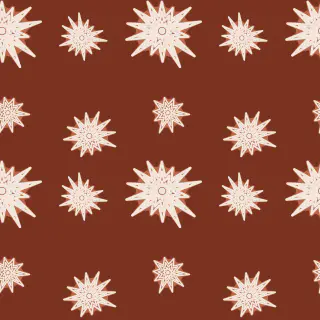
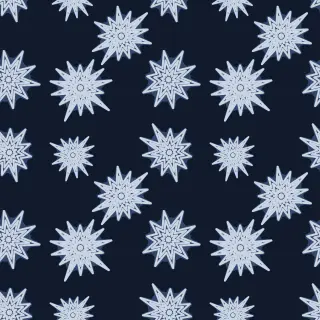
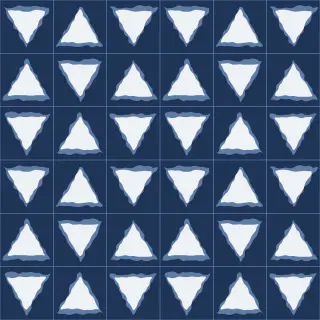
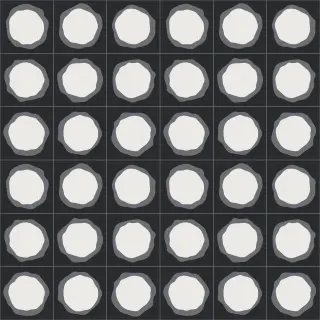
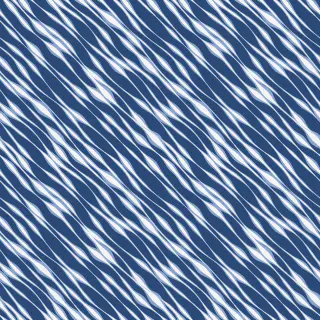
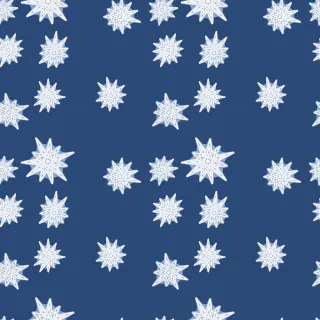
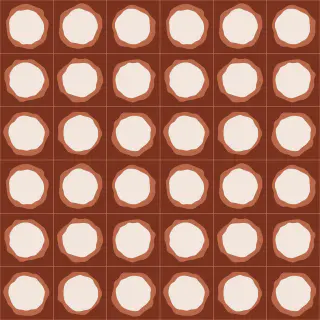
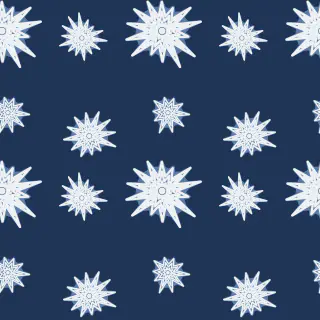
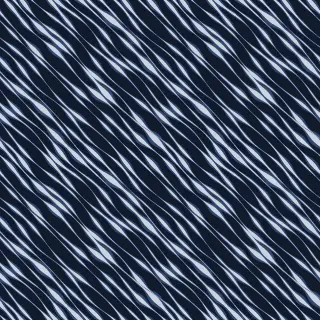
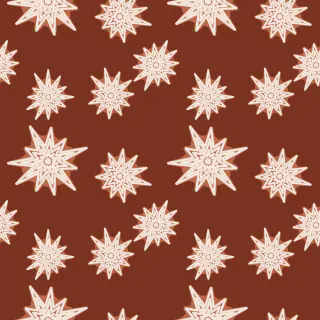
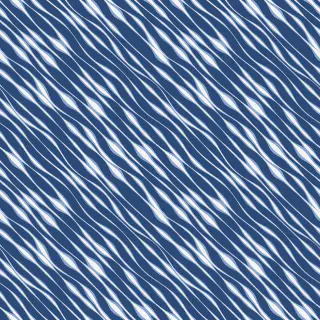
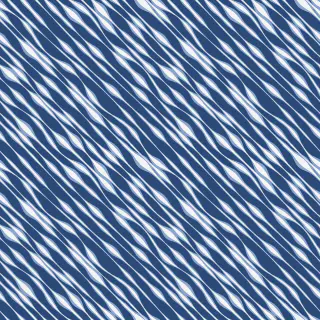
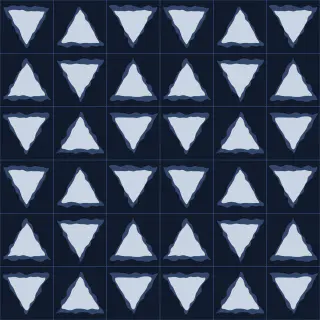
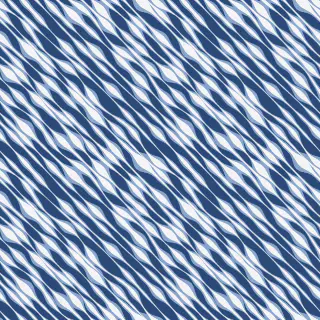
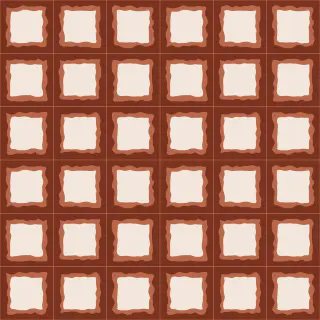
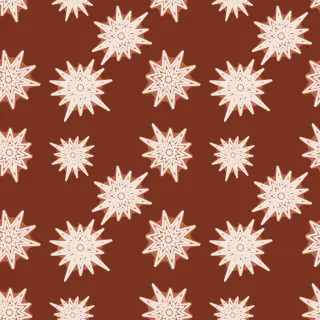
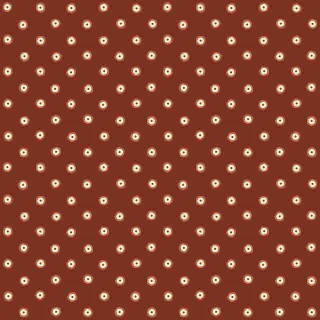
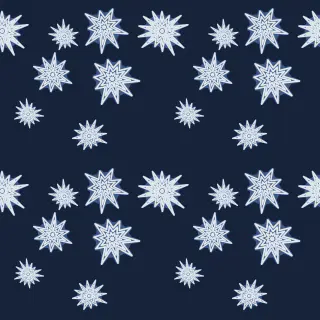
No patterns match this color.
The marks are light on a dark dye ground, the way cloth looks after it comes out of the indigo vat.
Which shibori to pick
Arashi gives fine diagonal lines, like rain in a storm. Itajime gives a grid of repeated shapes: squares, circles, diamonds or triangles. Kumo gives spider-web rings, and kanoko gives rows of small tied dots. Soft, feathered edges and small faults make each tile look hand dyed.
How to use shibori patterns
Shibori patterns suit digital paper for wedding stationery, coastal and boho designs, and backgrounds for quotes. On sublimation blanks, the deep blue grounds print rich and even. Rust, teal and plum grounds give the same look in other dye colors.
What is shibori?
Shibori is a group of Japanese methods of resist dyeing. The cloth is bound, stitched, folded, twisted or compressed before it goes into the dye, and the parts that the dye cannot reach stay light. In arashi, the cloth is wrapped around a pole and pushed together. In itajime, the cloth is folded and clamped between shaped boards. Kumo is pleated and bound, and kanoko is tied in small points. Indigo is the classic dye for all of them.
Sources: Shibori (Wikipedia); Tie-dye (Wikipedia)