styles
Nordic knit patterns
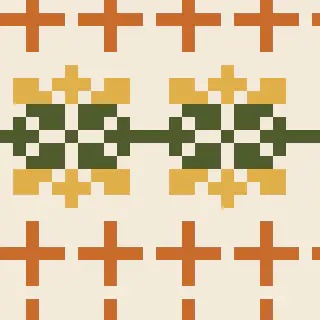
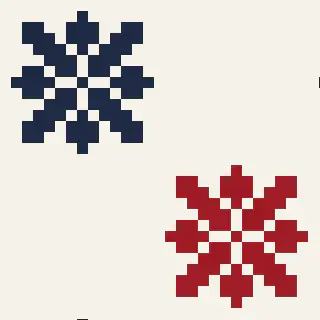
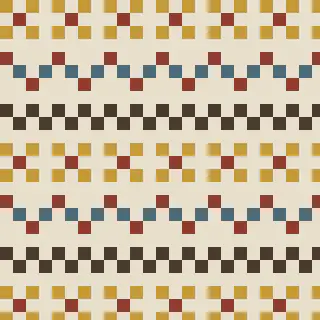
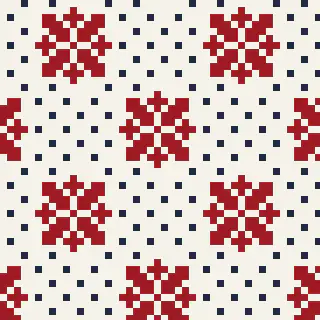
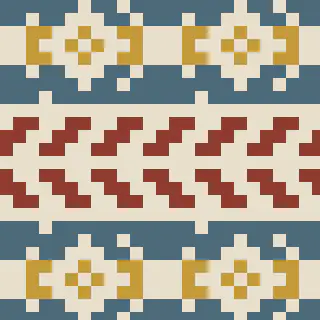
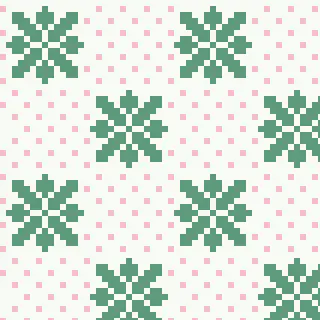
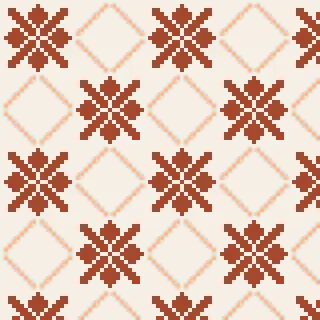
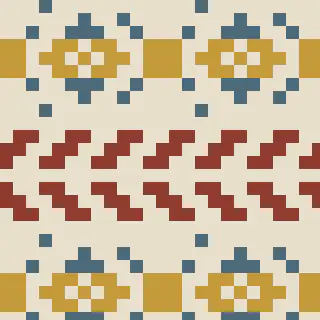
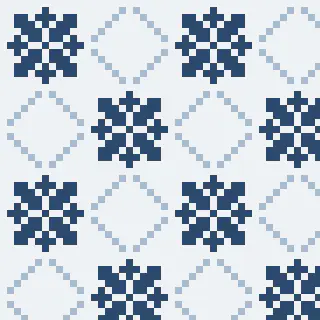
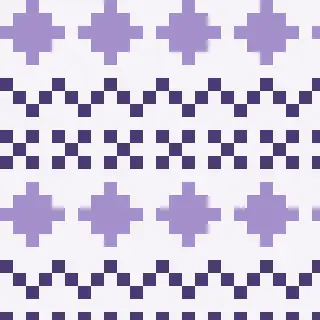
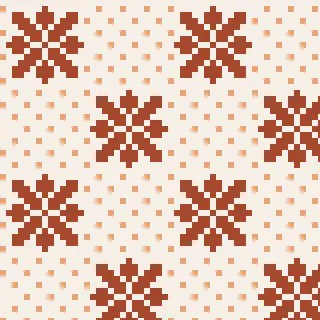
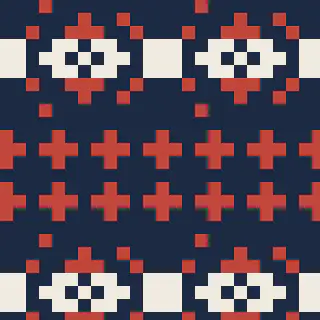
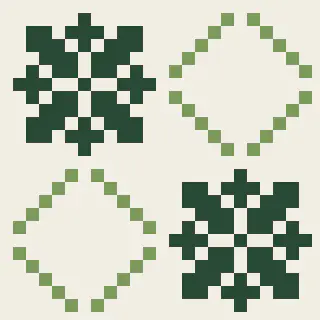
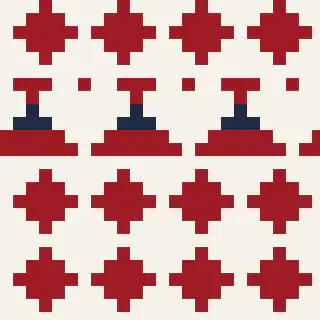
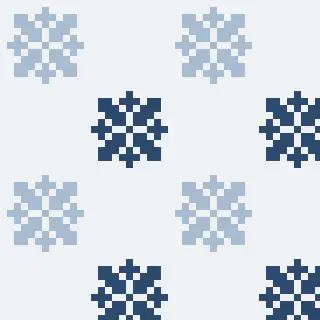
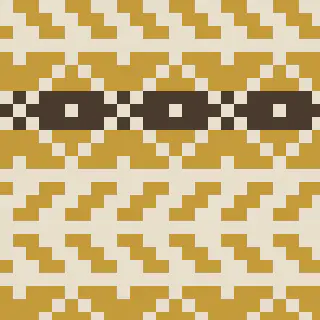
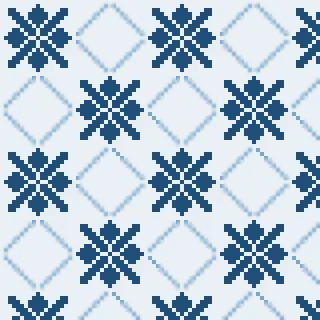
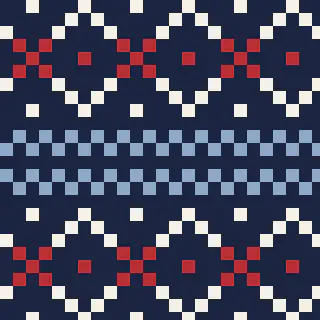
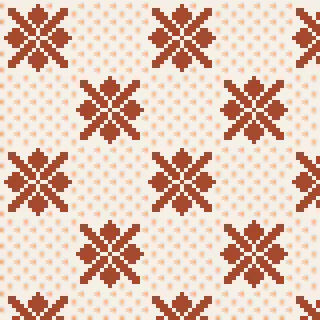
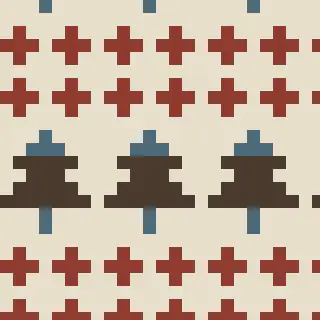
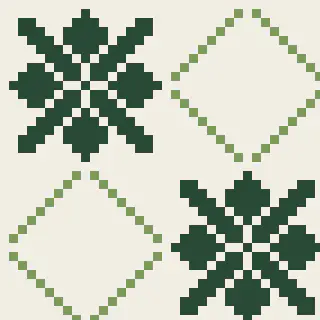
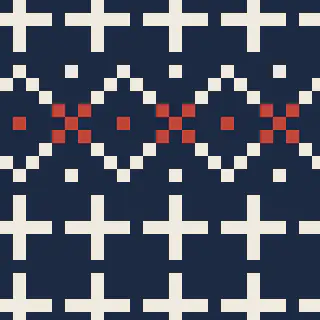
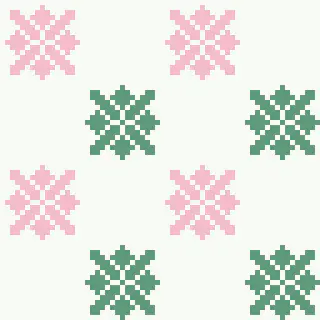
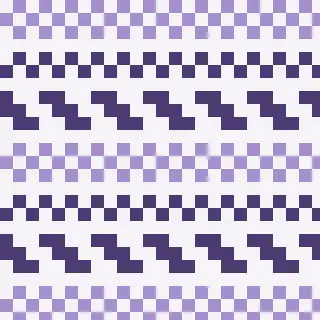
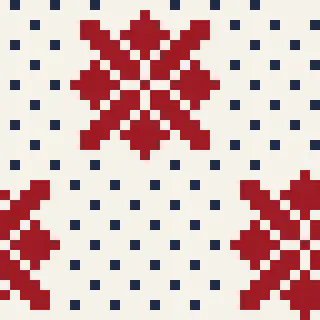
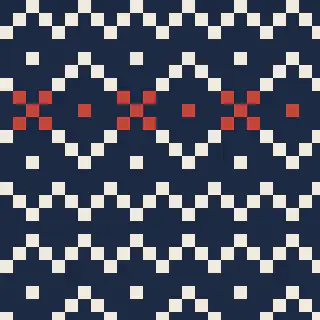
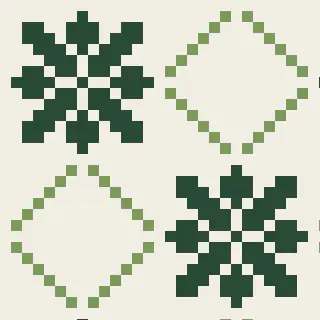
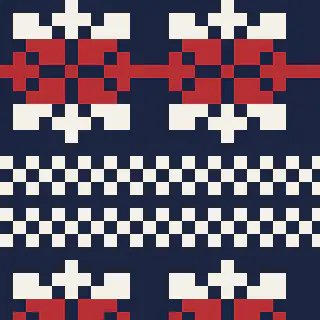
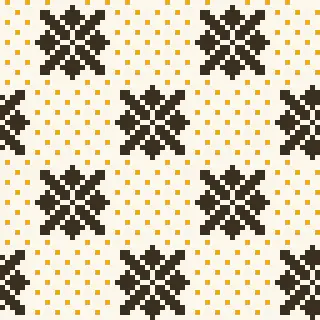
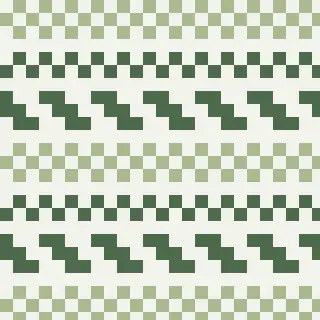
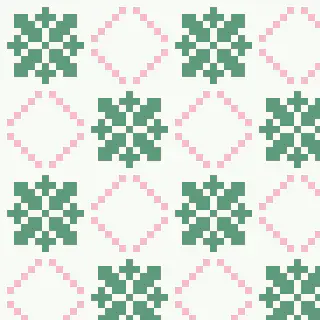
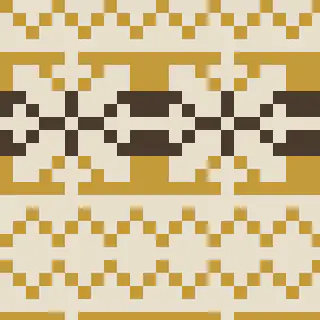
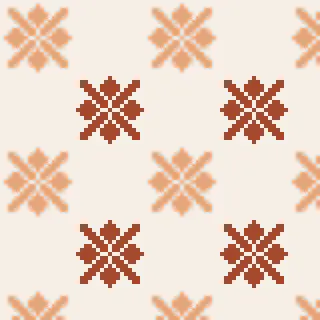
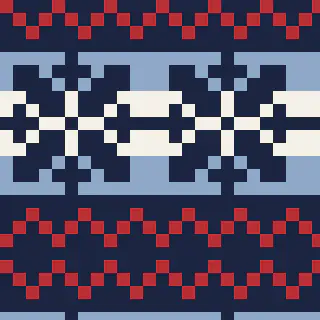
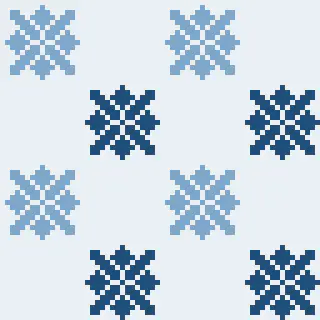
Two knitting traditions on one grid: Shetland's banded Fair Isle and the Norwegian Selbu star.
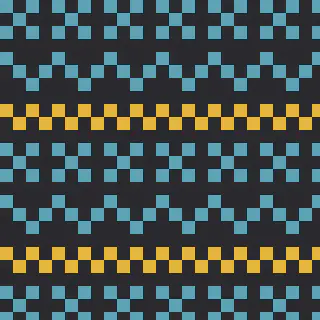
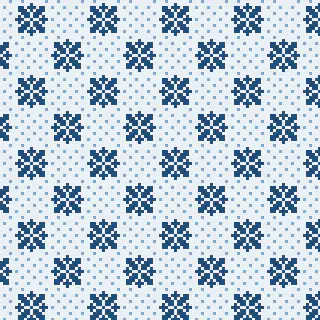
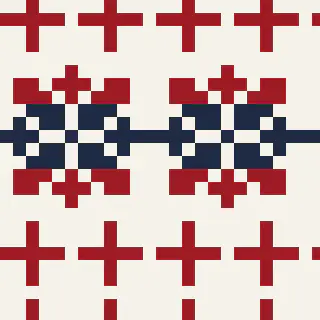
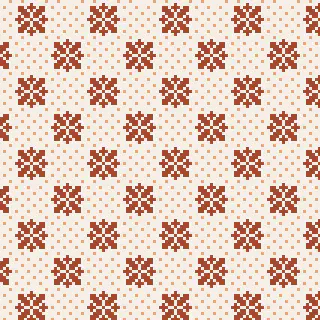
No patterns match this color.
Nordic patterns are two kinds of stranded colorwork chart. Both are knitted with two colors in a row and the unused yarn carried behind; both read as clean geometry on a grid of single cells. Where they differ is the layout and the colors.
Fair Isle or Selbu: how they compare
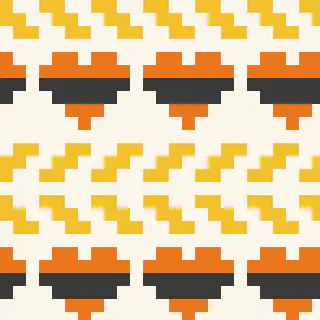
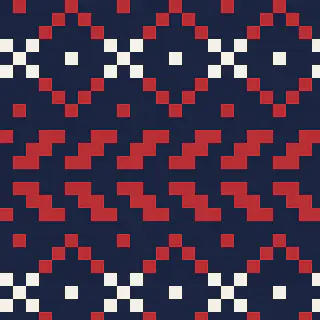
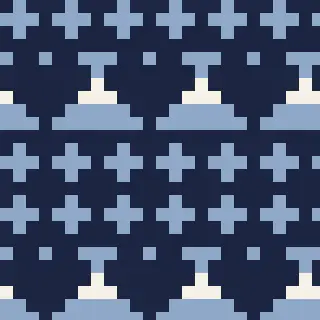
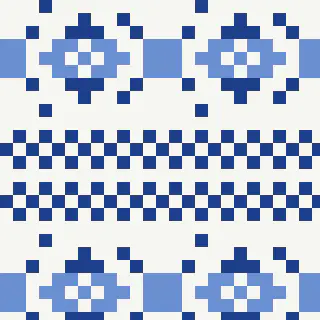
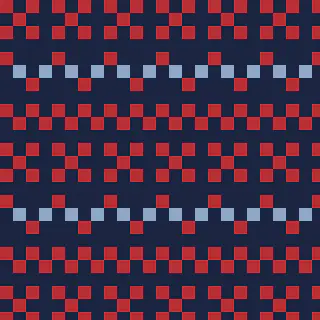
Fair Isle charts are horizontal. They stack bands: narrow peeries above and below a wide motif band such as an OXO or a lattice. The pattern color can change from band to band, so a single chart may hold four or five colors in total while each row still uses only two. The technique is named after Fair Isle, one of the Shetland Islands.
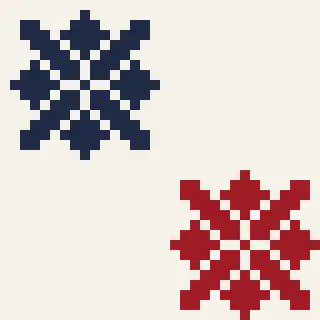
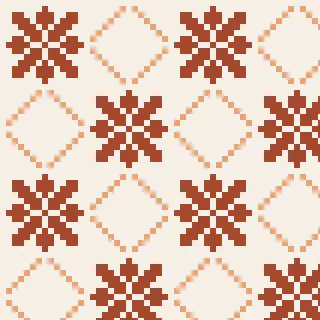
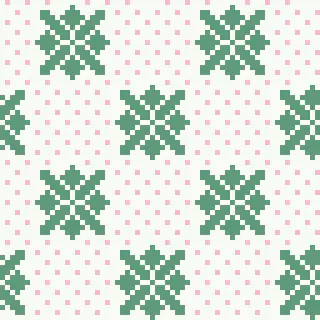
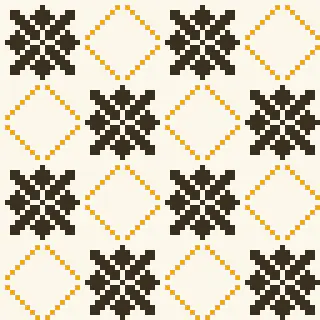
Selbu charts are all-over. One large eight-point star repeats across the whole tile on a staggered grid, with tiny single stitches, a diagonal lattice or nothing in the spaces between. They take their name from Selbu in Norway, where the star was knitted into mittens, often in just two colors.
Which Nordic chart to pick
For a yoke, a hat brim or a sweater hem, a Fair Isle band gives a clear horizontal stripe of pattern. For mittens, a hat crown or a large flat area such as a cushion front, the Selbu star spreads more evenly. The two also combine well on one piece: a star field on the body and a band at the cuff or edge. On paper, the stars print well as wrapping paper for winter gifts, while the bands make neat card borders.
All charts show one color per cell.
Sources: Fair Isle (technique) (Wikipedia); Selbu mittens (Wikipedia)