styles
Fair Isle patterns
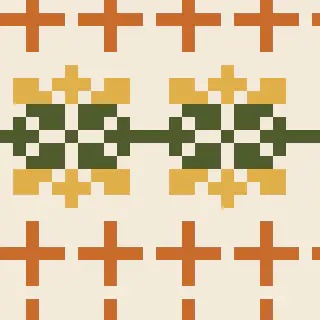
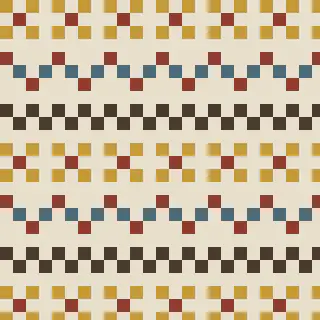
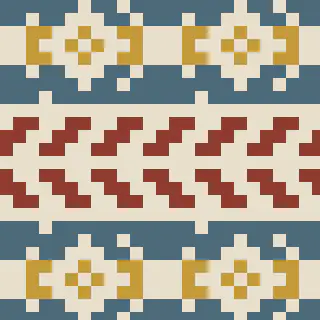
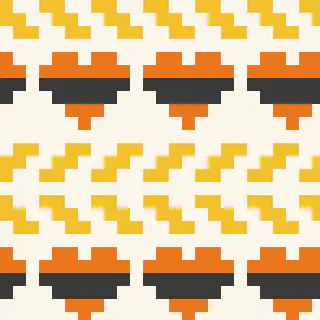
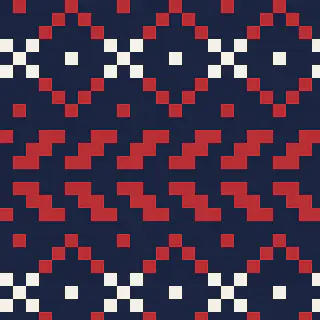
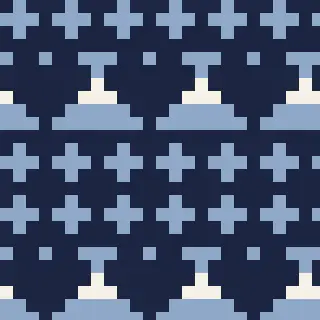
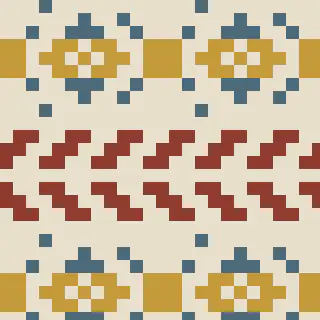
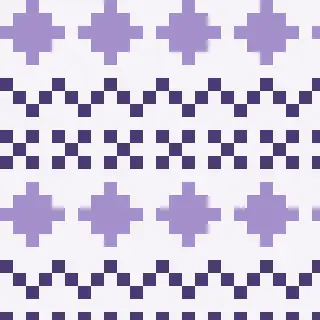
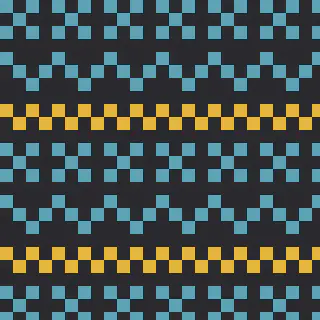
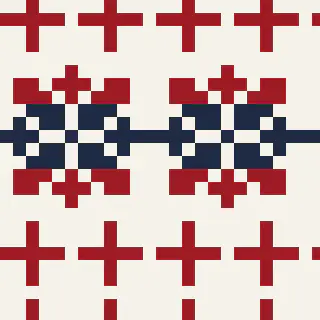
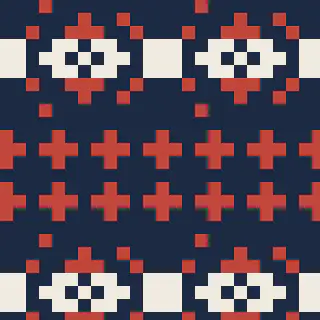
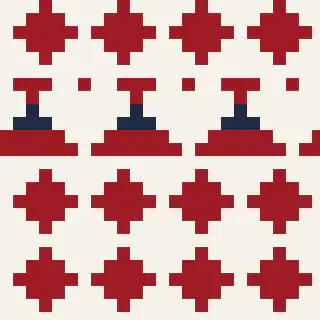
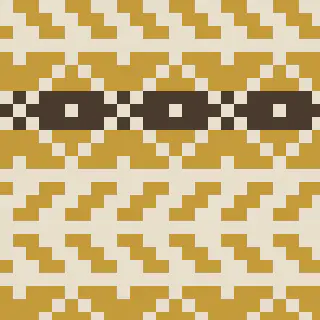
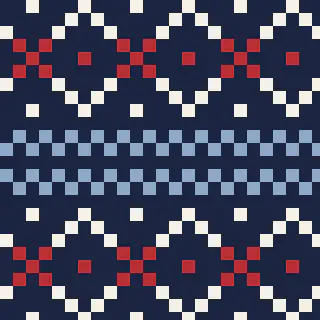
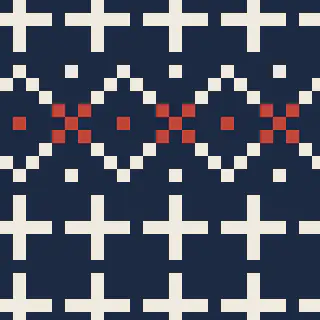
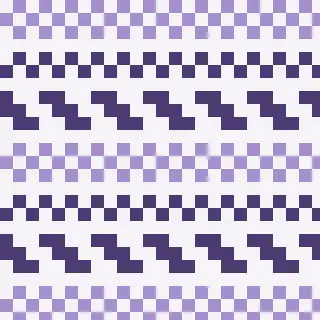
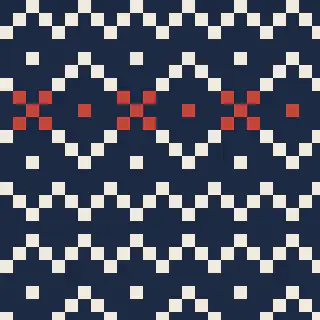
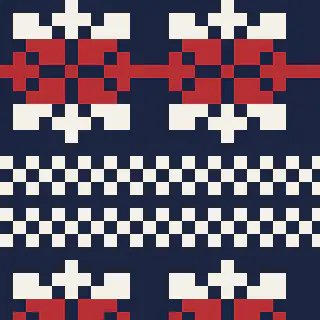
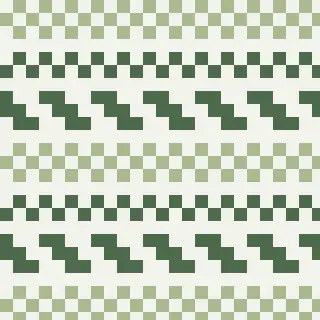
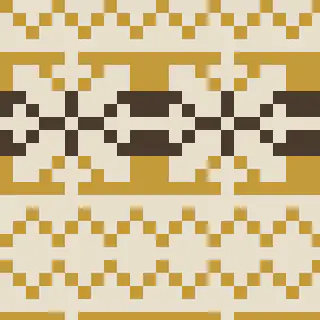
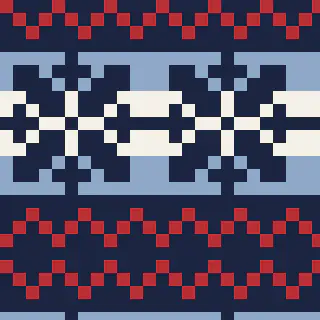
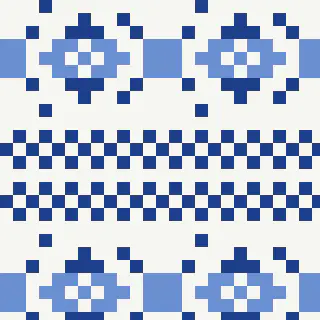
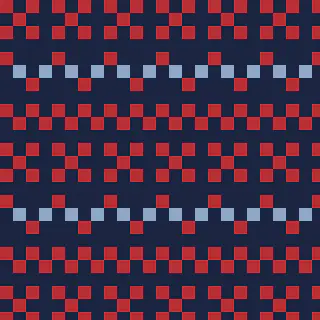
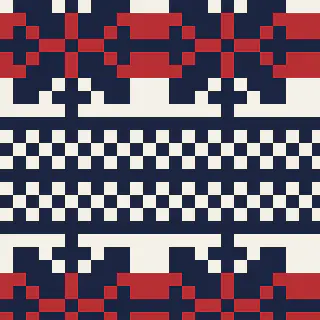
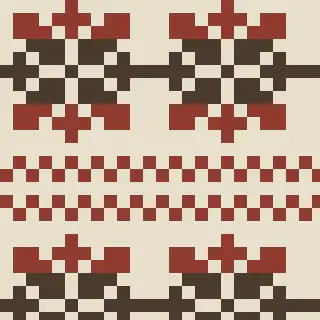
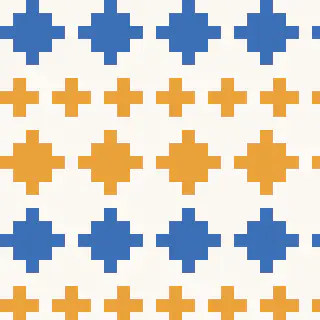
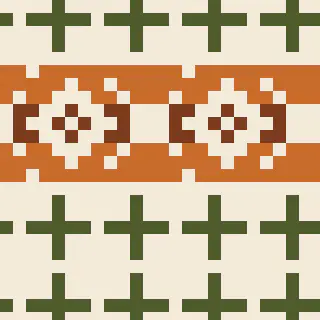
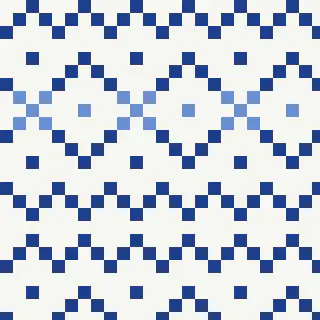
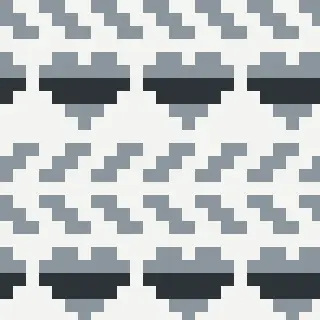
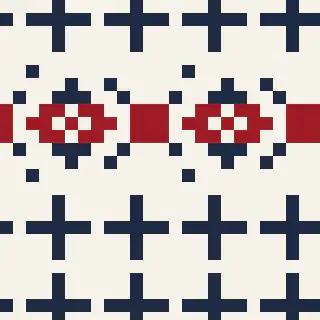
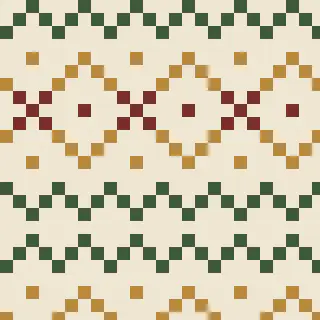
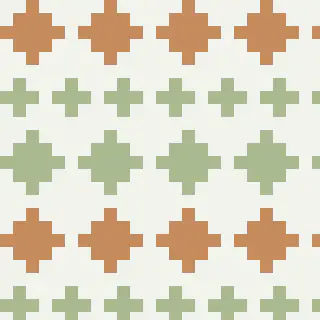
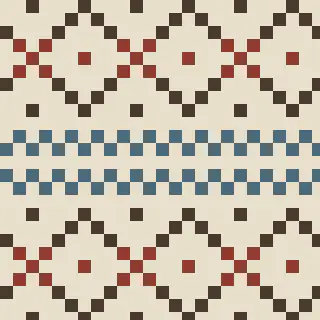
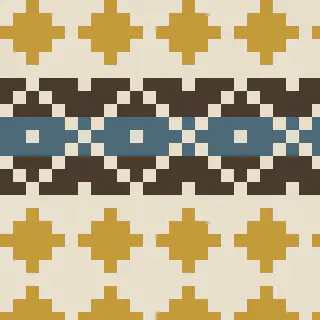
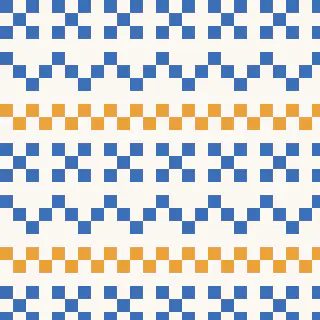
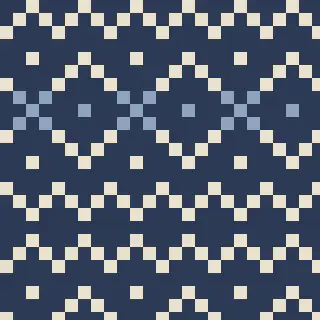
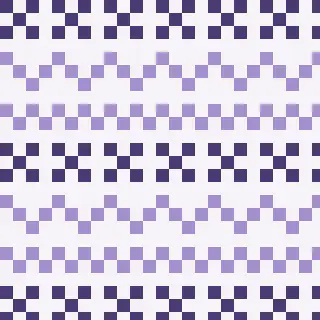
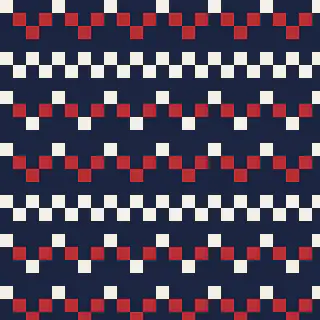
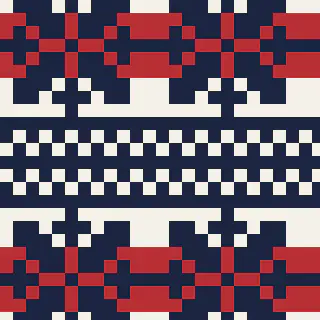
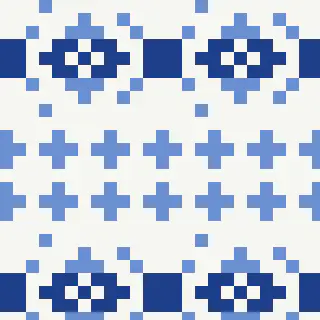
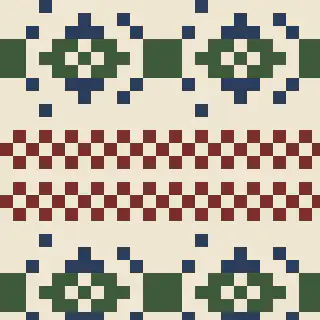
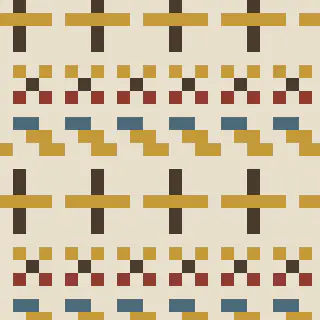
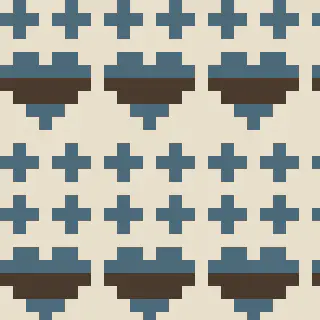
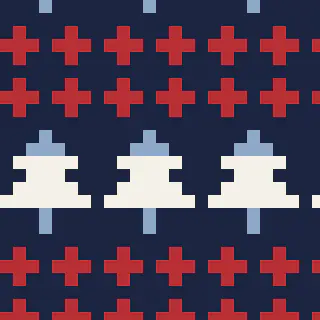
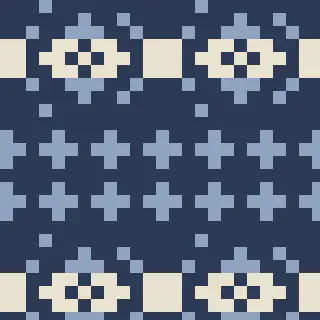
Stacked bands of stranded colorwork: small peerie rows framing a large OXO, star or lattice band, two colors to a row.
No patterns match this color.
Fair Isle charts are bands of small motifs for stranded knitting, two colors to a row.
Which Fair Isle chart to pick
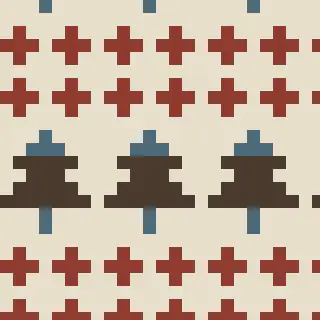
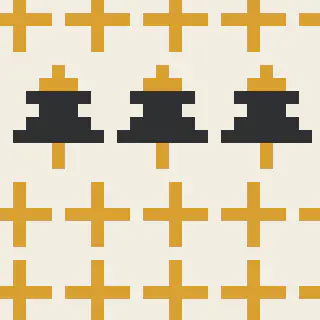
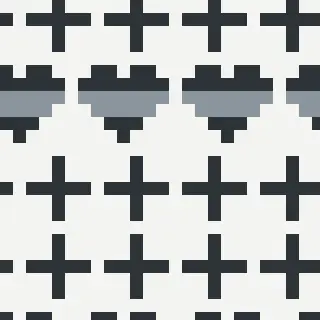
Each chart is a stack of bands. A large band (OXO, an eight-point star, a diamond lattice, or trees and hearts) sits between two narrow peerie bands, one the mirror of the other. Every band period divides into 24 stitches, so the whole chart repeats every 24 stitches across. Every row uses at most two colors, a ground and a pattern color. Across the large band the pattern color changes from the edge rows to the middle, which gives the band a shaded look. In dark-band charts the ground and pattern colors swap within the large band. Peerie charts stack three small bands only.
Knitting tips
These charts are new designs in the tradition, not copies of museum pieces. Check float length before casting on: some large bands have runs longer than three stitches, which a knitter may want to catch on the wrong side. Work a swatch first, since your gauge sets the finished size of a 24-stitch repeat. A larger chart in the pattern generator is larger only on screen; the stitch count stays the same. For a full Nordic look, combine a band with Selbu stars on the same project.
What is Fair Isle knitting?
Fair Isle is a stranded colorwork technique named after Fair Isle, one of the Shetland Islands. Two colors are knitted in each row; the color not in use is carried as a loose strand, or float, behind the stitches. Traditional patterns use five or so colors in all and keep runs of one color short, no more than three stitches, so the floats stay short. Common motifs are OXO shapes and small geometric bands called peeries. Since the 1990s the name has often been used loosely for any stranded knitting.
Sources: Fair Isle (technique) (Wikipedia)