styles
Ogee patterns
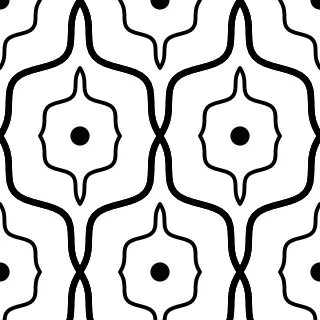
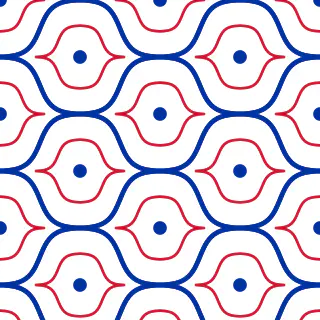
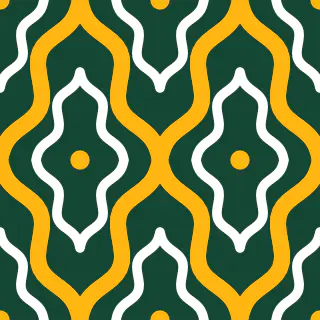
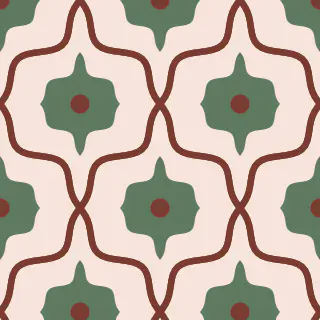
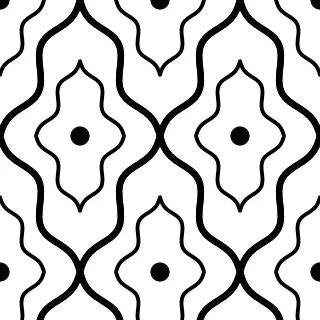
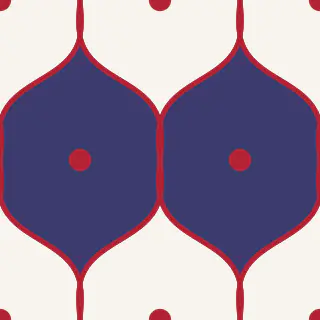
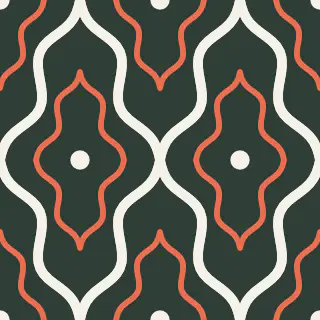
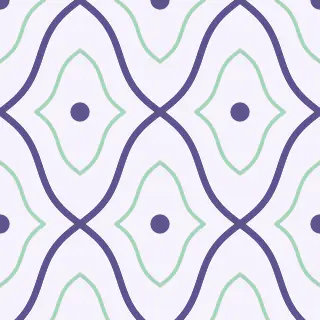
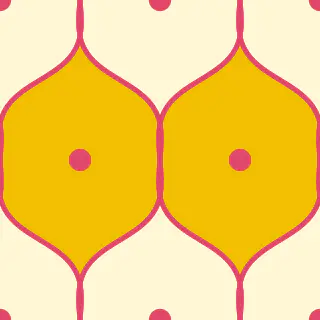
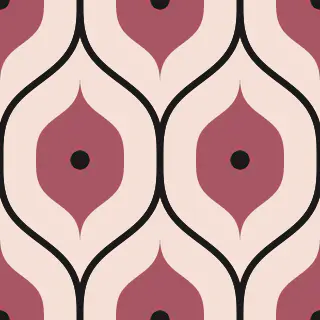
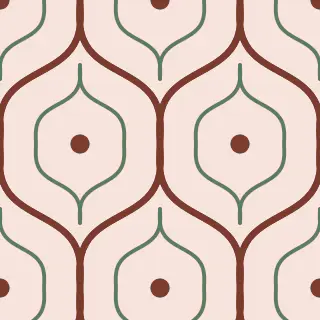
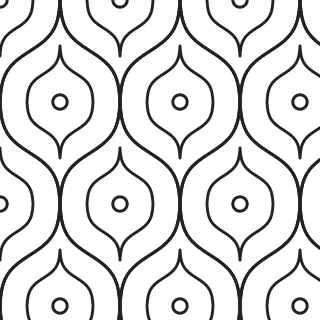
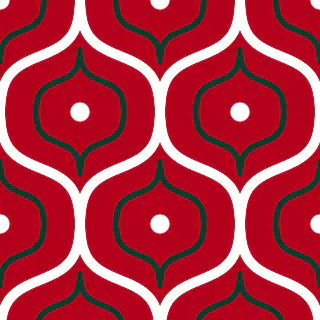
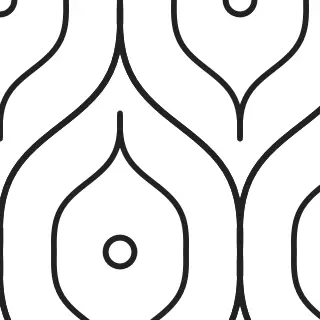
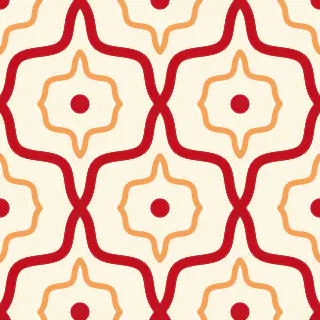
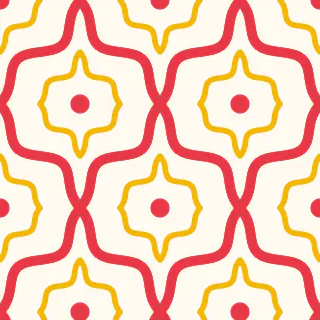
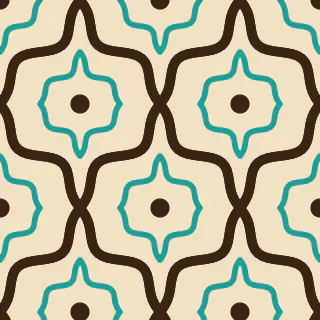
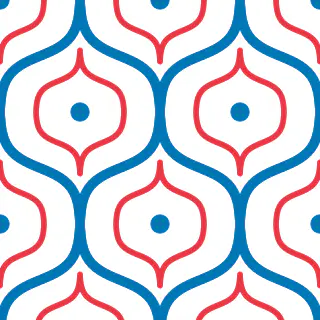
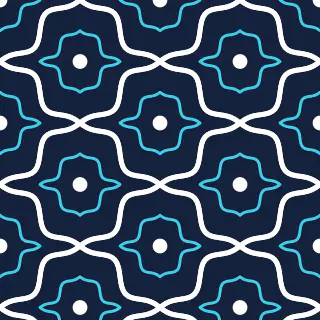
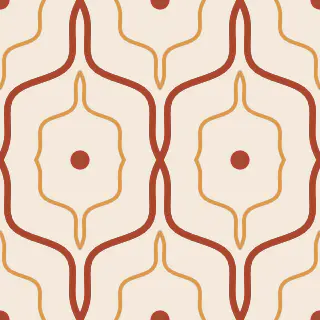
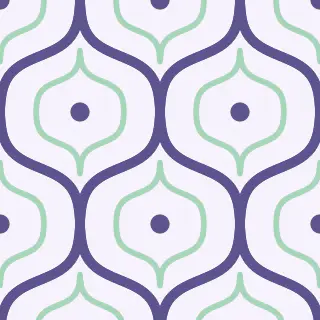
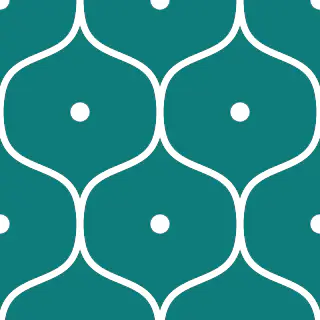
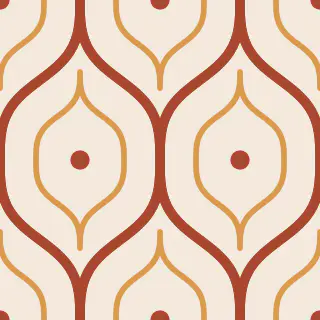
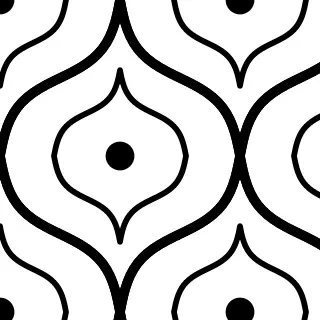
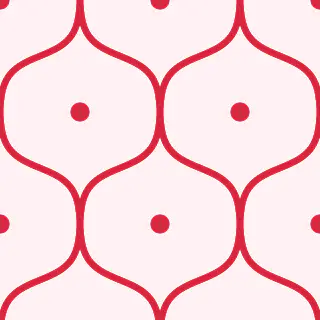
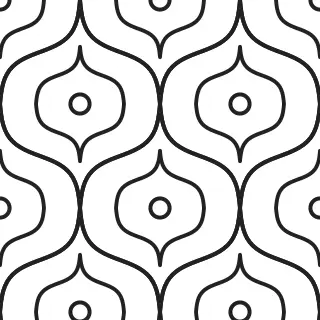
An ogee is an S-shaped curve. Set four of them around a cell and repeat it, and you get a net of onion-shaped cells.
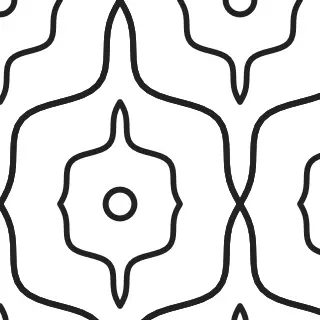
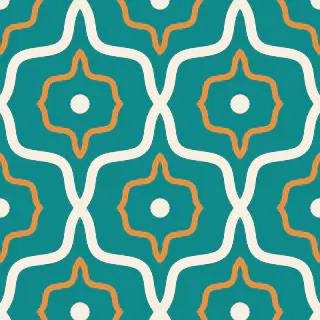
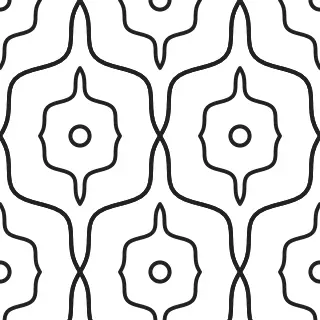
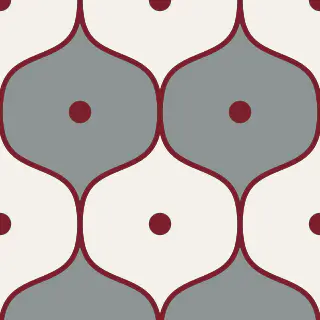

No patterns match this color.
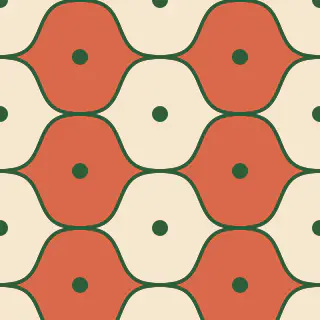
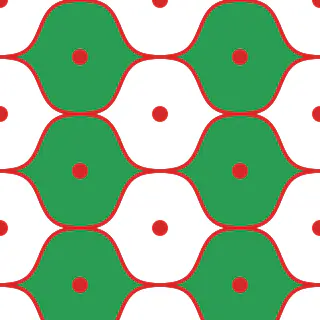
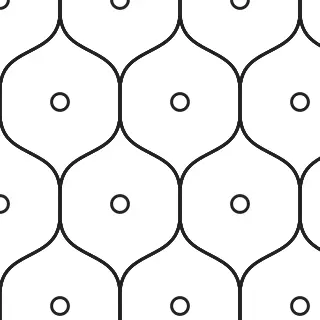
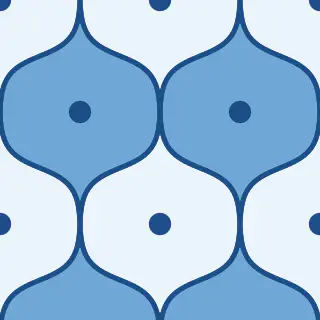
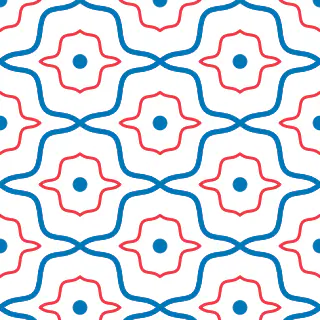
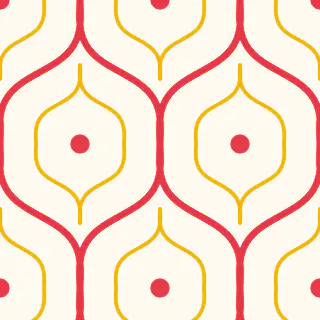
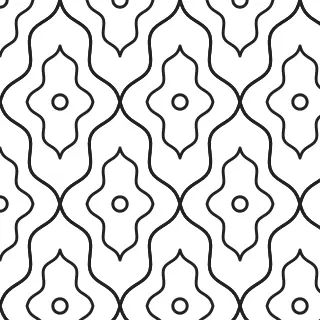
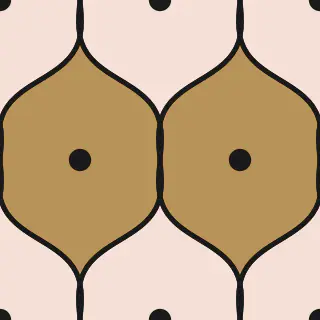
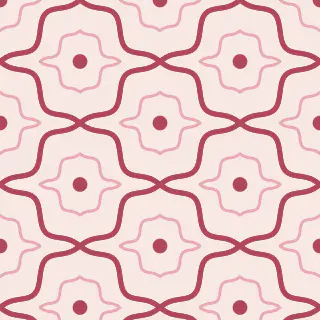
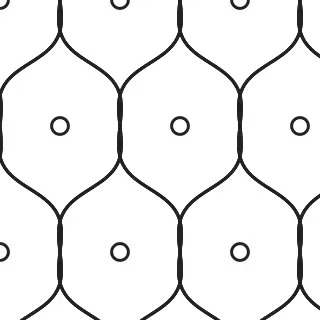
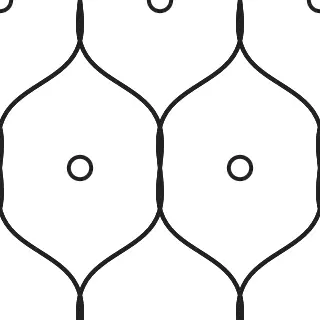
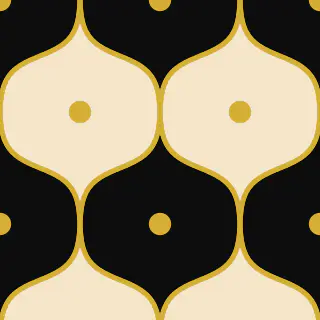
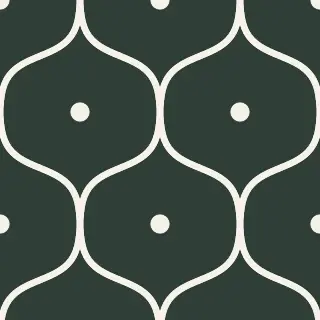
An ogee pattern sets its cells in a half-drop. Each side of a cell is an S-curve, and each curve is shared with the neighbor, so the cells fit with no gap and the lines form one continuous net.
Which ogee pattern to pick
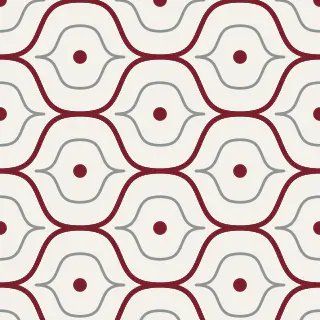
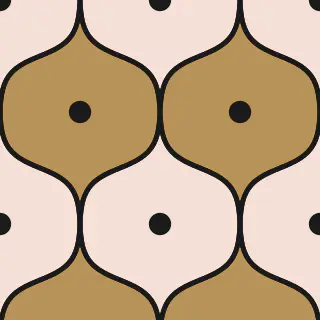
Cells can be tall or short, with a deep or shallow curve, and an extra curl gives the fancy and lantern shapes. A smaller copy of the outline can sit inside each cell, outlined or filled, with a dot at the center. The two-tone ogee fills every other cell in a second color.
How to use ogee patterns
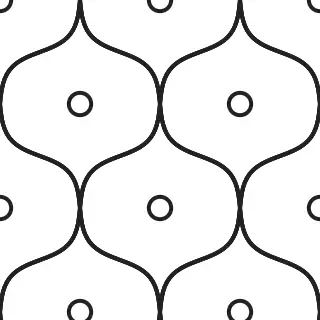
The tall ogee reads as more formal; the classic one is rounder and calmer. Thin outlines in one color on white print cheaply at home and make good backgrounds for invitations. For cutting with a Cricut or a laser, pick a thicker line first: very thin curves break easily. The ogee also works as the net under a damask-style design, and it pairs well with the plainer quatrefoil.
What is an ogee?
An ogee is defined as a curve made of two arcs that meet at an inflection point, with the ends pointing in opposite directions. Builders have abbreviated it “O.G.” since at least the 18th century. Two mirrored ogees meeting at a peak make the ogee arch, a feature of English Gothic building from the later 13th century, and the shape appeared in textiles from the 12th century. These patterns are new repeats in that tradition, not copies of any historical design.
Sources: Ogee (Wikipedia)