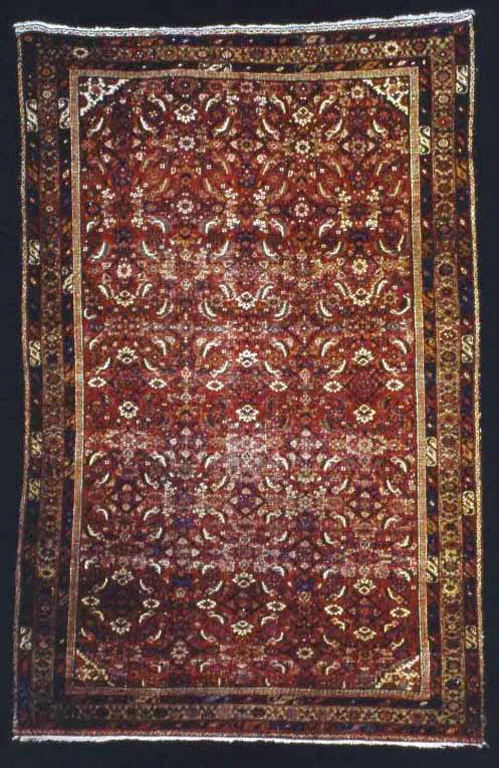
Feraghan red
Colors in the original
#66313116%#442e3014%#865d5413%#b38a7511%#86363211%#68412b10%#a45e4d9%#833b236%#dbbea75%#ae7d504%
Patterns in these colors
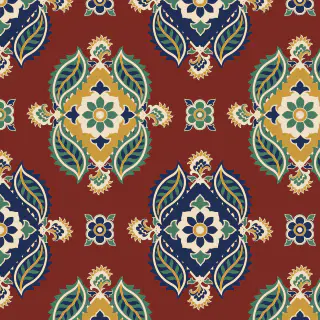
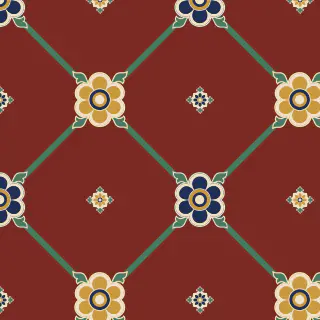
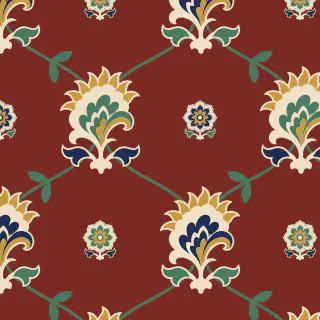
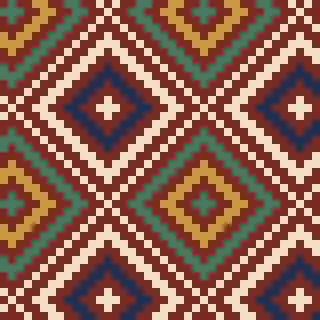
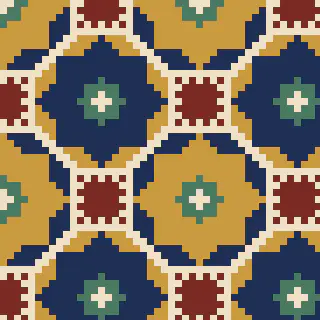
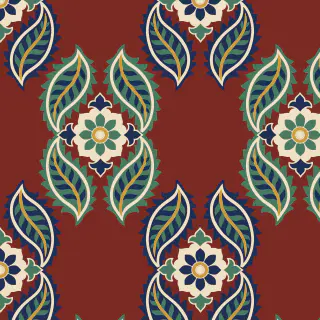
styles
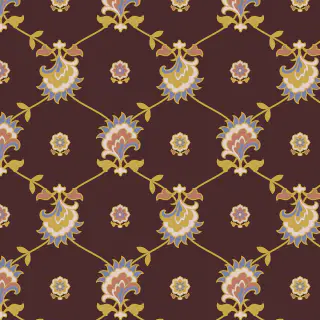
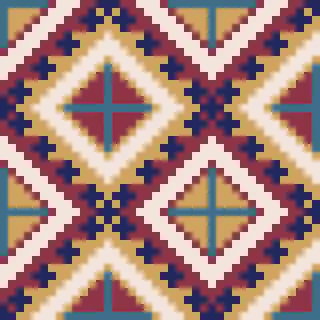
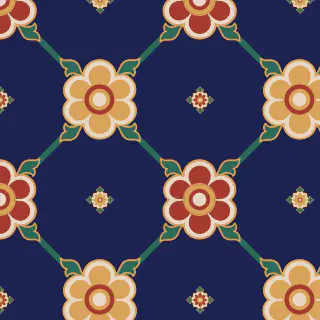
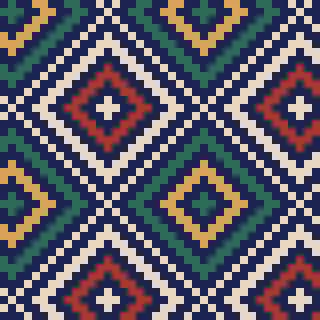
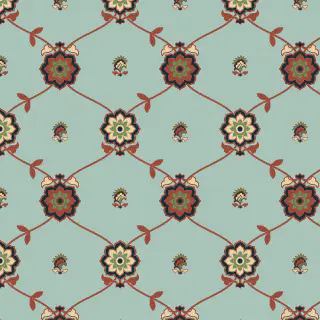
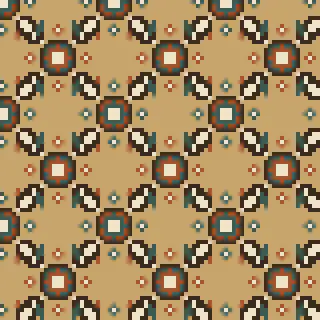
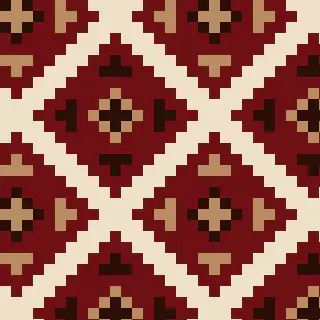
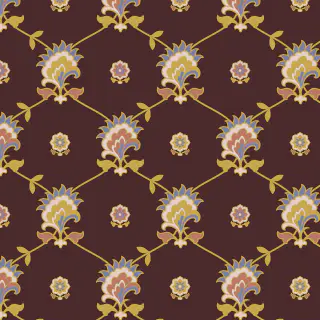
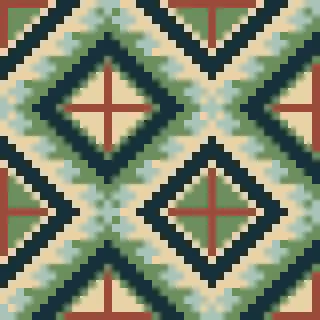
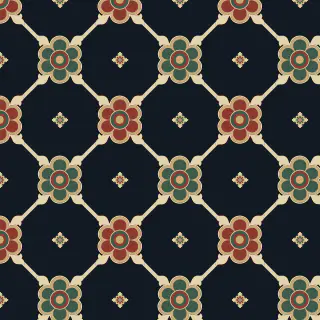
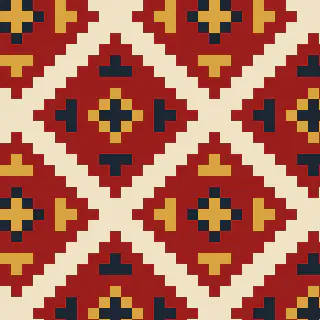
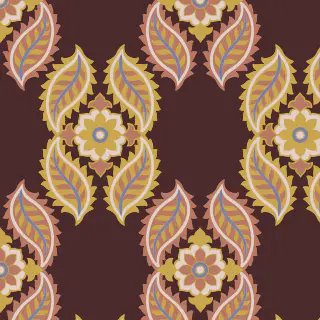
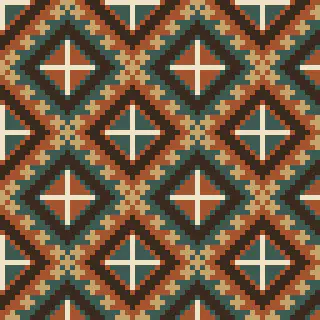
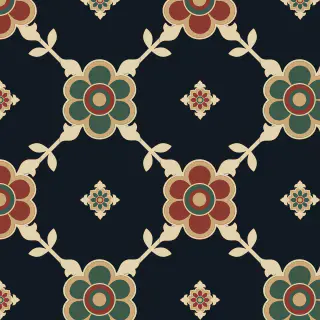
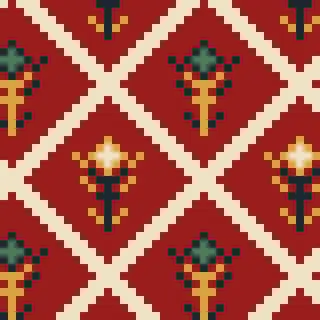
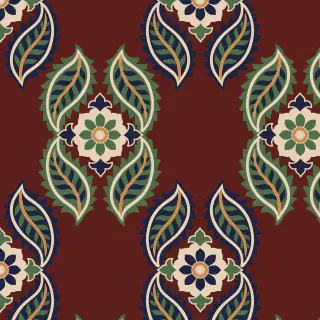
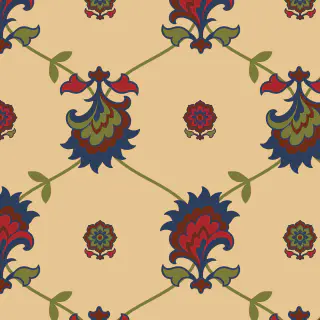
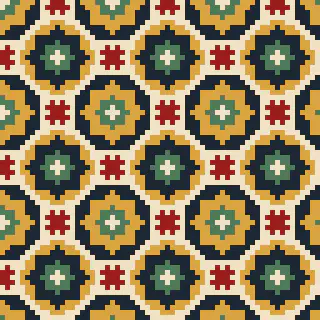
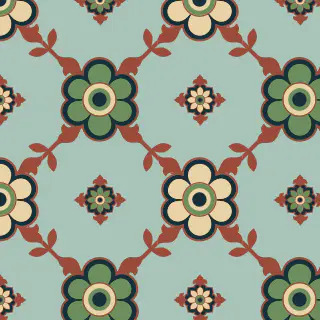
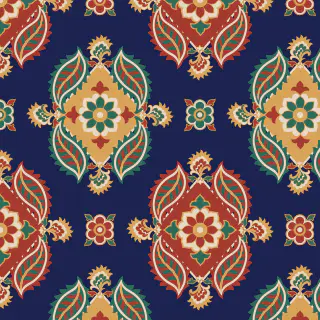
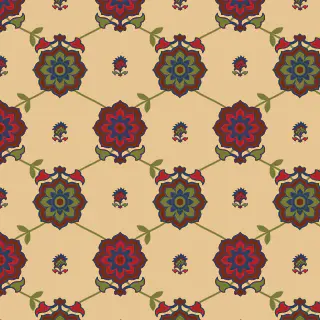
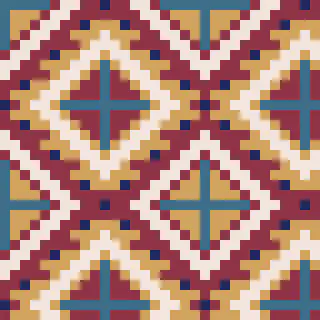
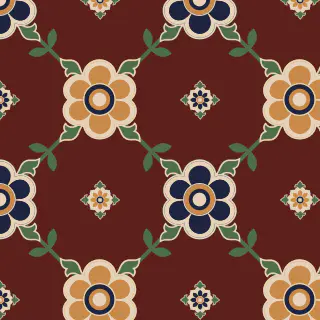
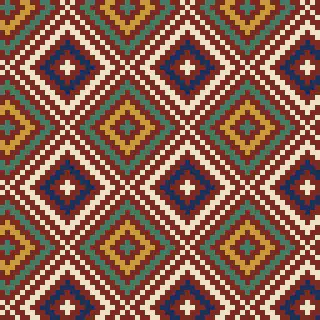
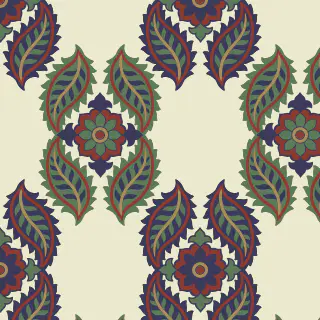
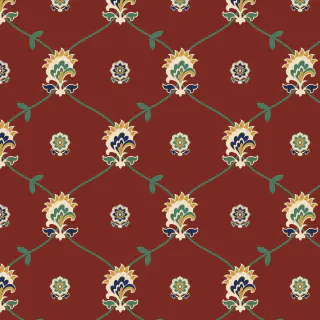
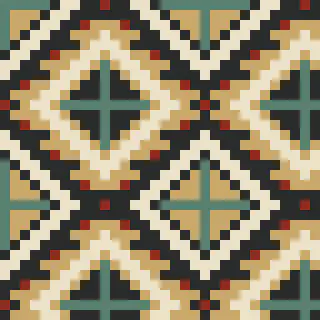
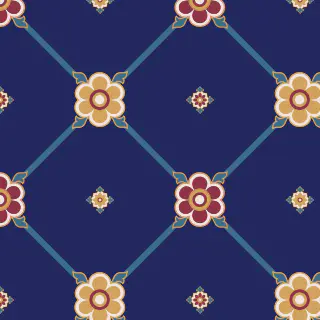
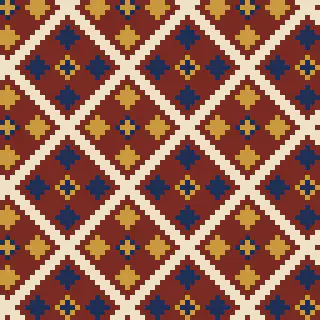
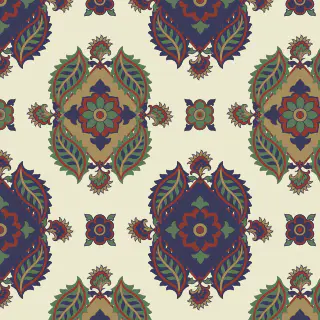
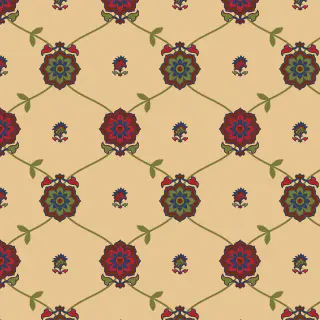
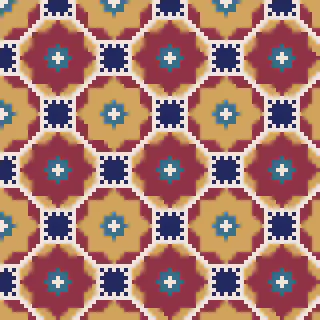
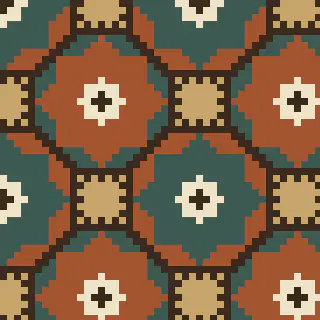
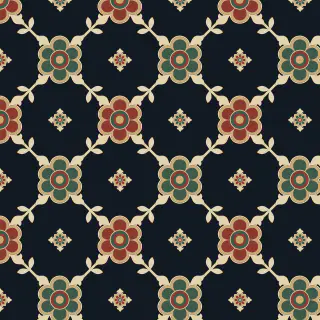
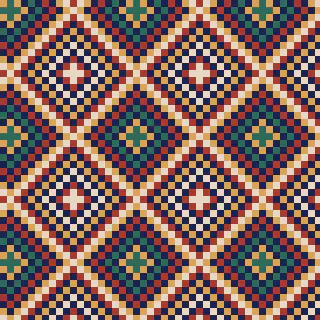
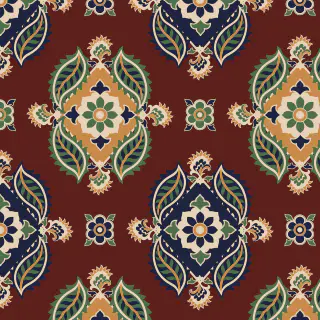
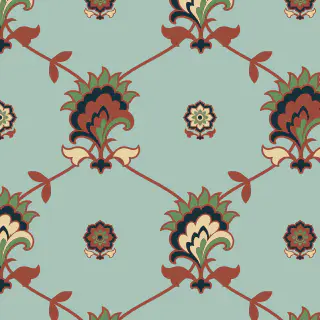
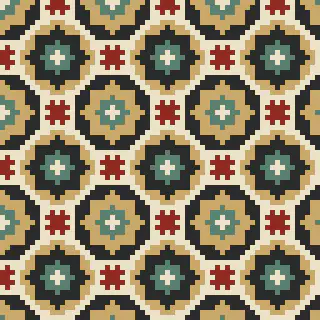
Persian rug designs as all-over field repeats: Herati, Shah Abbasi, Mina Khani, Joshaghan and Heriz.
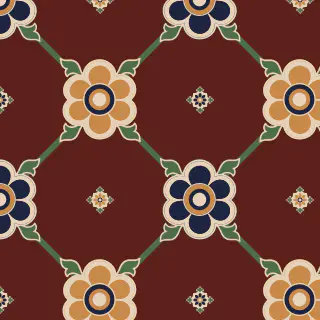
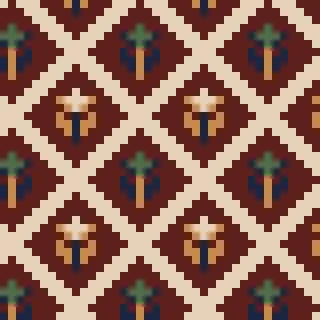
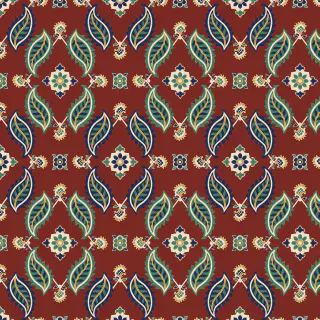
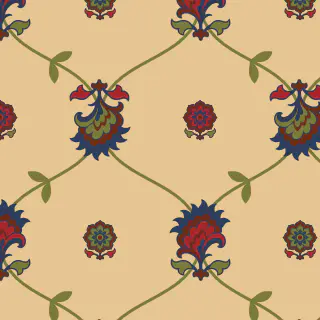
No patterns match this color.
Colors in the original
#66313116%#442e3014%#865d5413%#b38a7511%#86363211%#68412b10%#a45e4d9%#833b236%#dbbea75%#ae7d504%Patterns in these colors
Colors in the original
#181e2420%#8e7b5a17%#51594a13%#7a614913%#865b3e11%#313d3a10%#5c41348%#6e332f6%#90784b2%Patterns in these colors
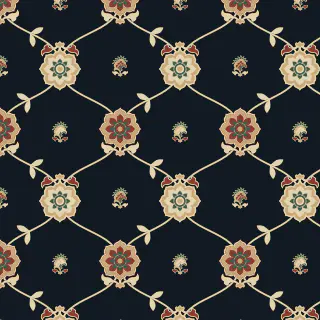
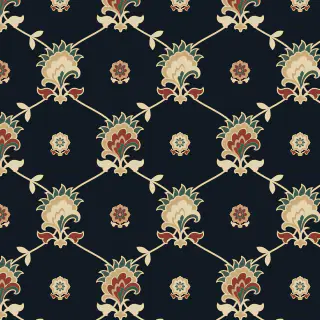
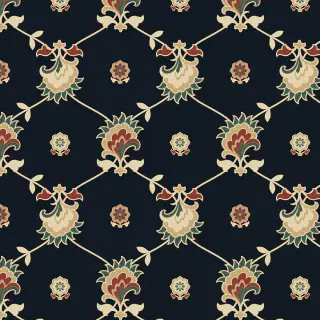
Persian rug designs come from Iran, part of the “rug belt” Wikipedia’s Oriental rug article traces from Morocco across North Africa and the Middle East into Central Asia and northern India; it notes “oriental rug” is used mainly for convenience. These seamless Iranian rug patterns come as SVG and PNG tiles.
The main designs (Herati, Shah Abbasi, Mina Khani, Joshaghan and Heriz) and their meanings are in the guide Persian Rug Patterns: The Main Designs and Their Meanings.
Herati, Shah Abbasi and Mina Khani set curving flowers, leaves and palmettes on a lattice; Joshaghan and Heriz are bolder geometric designs on a grid of cells. Pick the first three for a soft, flowing field and the last two for a strong, graphic one. Any of them can show a knot grid with abrash, the slight shade shifts from small dye batches in Wikipedia’s Oriental rug article.
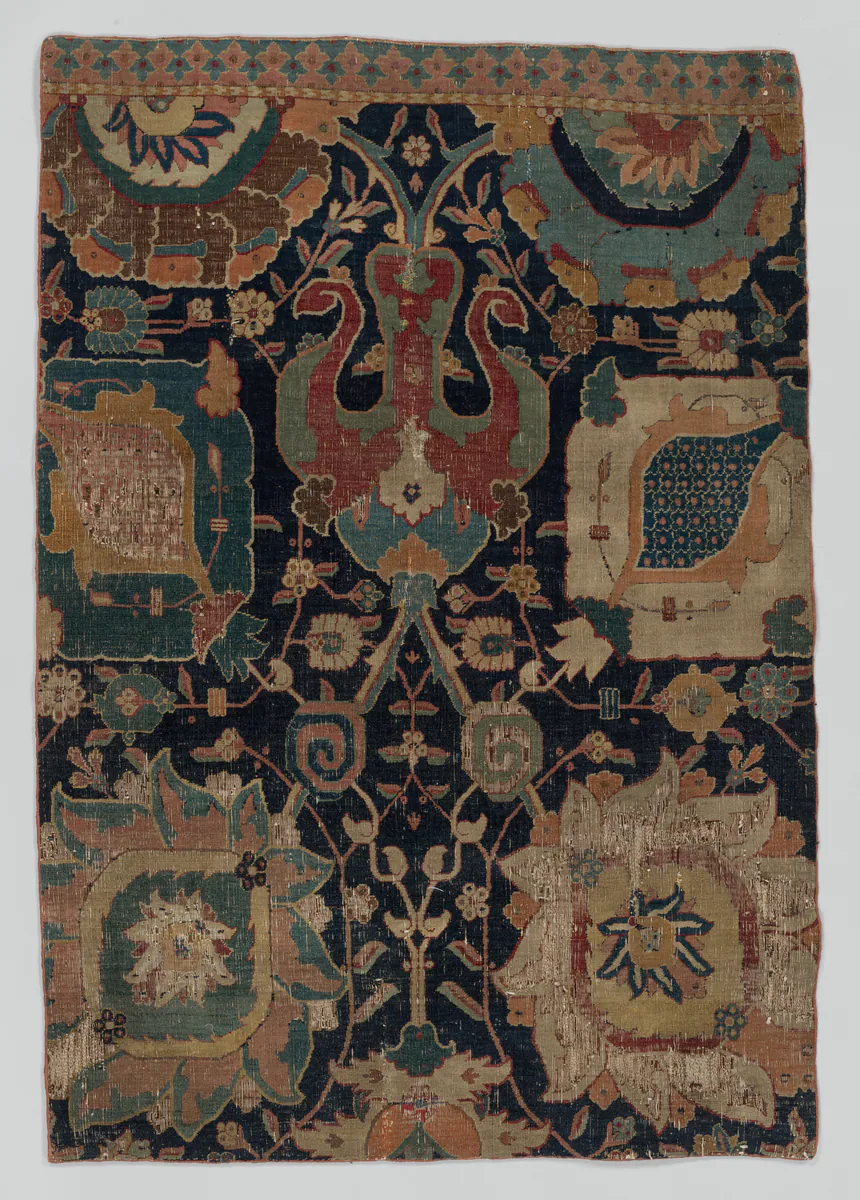
The colors come from public-domain carpets at the Art Institute of Chicago and the Cleveland Museum of Art, made a little brighter to read as fresh wool.
Sources: Oriental rug (Wikipedia); Persian carpet (Wikipedia); Heriz rug (Wikipedia); Royal Carpet with Silk and Metal Thread, Isfahan, 1600-1625 (Cleveland Museum of Art 1926.533); Carpet, Herat, 16th century (Cleveland Museum of Art 1962.263)