styles
Uroko scale patterns
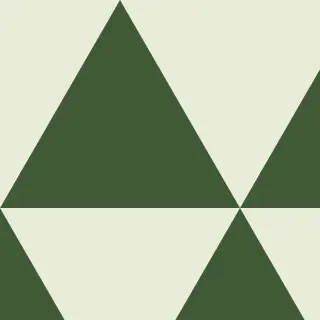
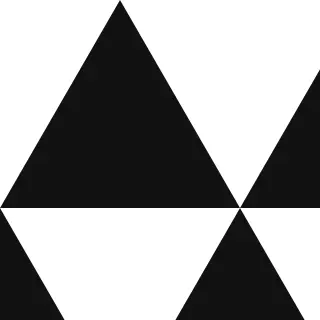
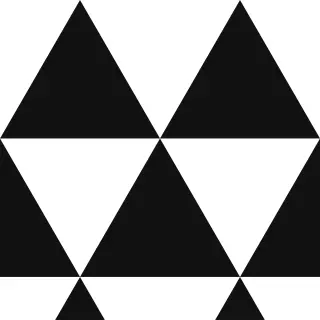
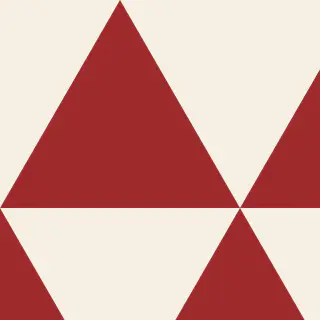
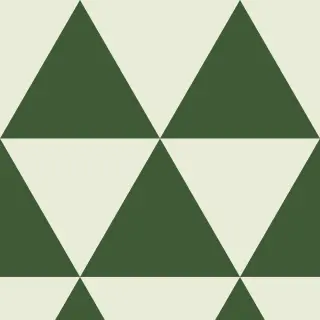
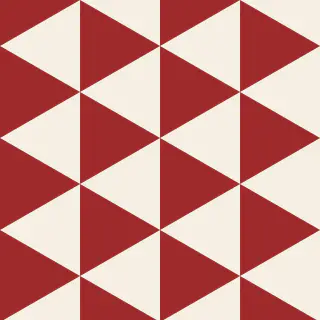
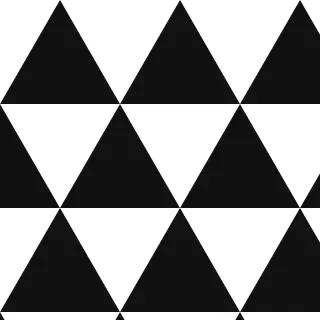
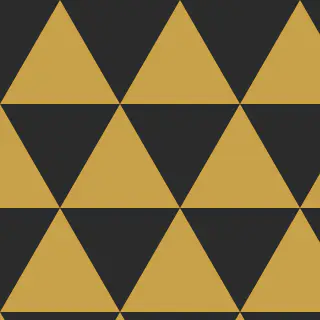
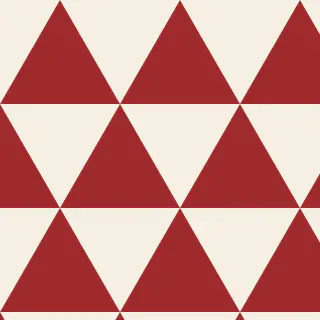
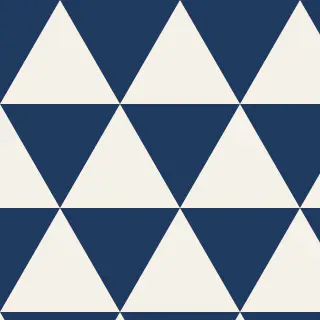
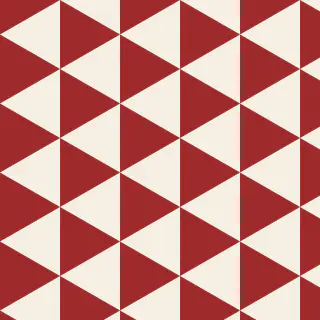
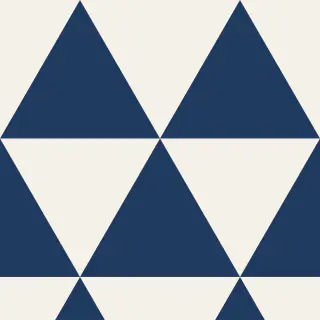
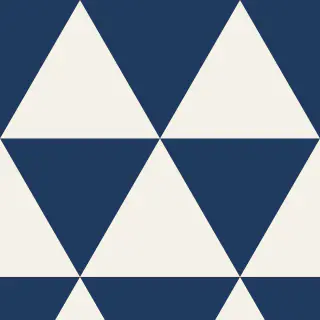
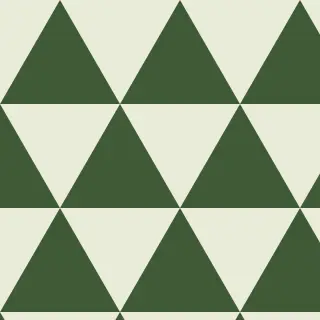
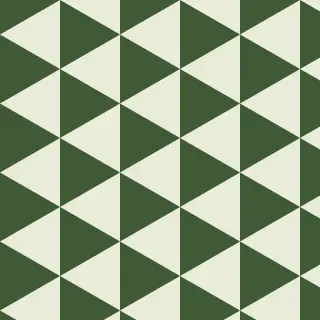
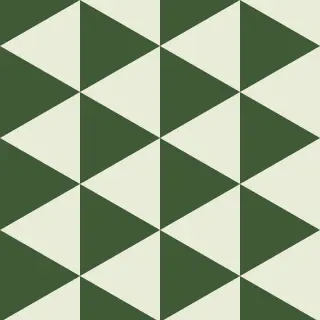
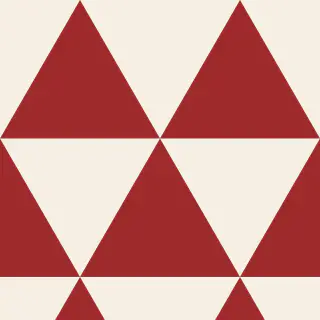
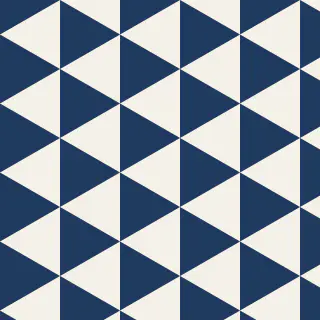
Solid triangles in rows, half in the pattern color and half left as ground, from indigo on white to gold on charcoal.

















No patterns match this color.
The anatomy of the uroko pattern
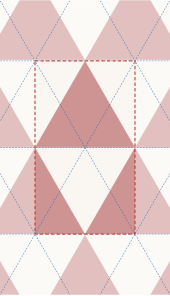
An uroko sheet is cut from a field of equal triangles, each with one flat side. Along every row the triangles flip, one pointing up and the next down, and each row starts half a side further along than the last. Color goes into the upward ones only. As a result, two colored scales never share an edge: they meet at their tips, and the plain ground makes the other half.
Uroko, scales, is one of the oldest Japanese motifs. It was long thought to ward off harm, and the Hōjō clan took three scales as their crest. For the full story, read the meaning and history of uroko.
Which uroko to pick
Every uroko pattern is the same grid of equal triangles, with every triangle that points up filled in. So you choose by color, size and direction. Upright, the rows read as a stack of peaks. On their side, they become a sawtooth band. The colors run from indigo on white, which is light and crisp, to gold triangles on charcoal, which is rich and bold.
How to use uroko patterns
Two colors, straight edges and no thin lines make uroko very robust. It holds its shape at a tiny size on a phone screen and at a large one on a poster. It suits bold book covers, notebook spines, washi-style tape strips and costume or cosplay prints that want a strong Japanese look. A strip of it also makes a simple border for a card or a quilt label.
Printing and cutting
Half the surface is solid color, so a dark ground uses a lot of ink; the red and the indigo-on-white versions are the light choices. The triangles meet only at their points, so a cut-out version would fall apart: for vinyl, cut the triangles as separate pieces, or weed every other row. For a brush stencil, a large size gives the cleanest corners.
What is uroko?
鱗 means scales, and the triangles are read as the scales of a fish or a snake. In Noh and kabuki, a scale costume sometimes marks a demon woman or a woman who is really a serpent.
Sources: 鱗文様 (Uroko pattern), Japanese Wikipedia; Hōjō clan (Wikipedia)