styles
Stripe patterns
A stripe is a band of one color next to another. Repeated, the bands make the simplest pattern there is, and one of the most varied.
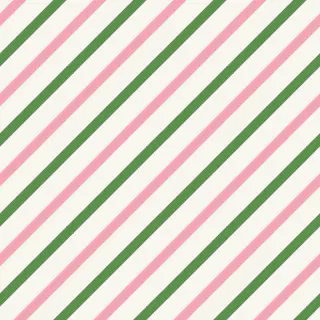

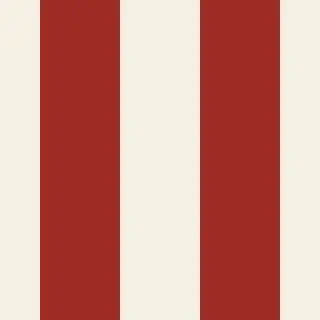

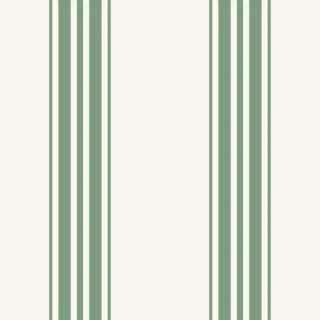







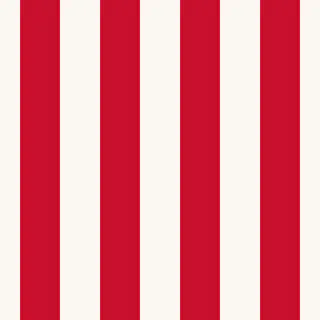



















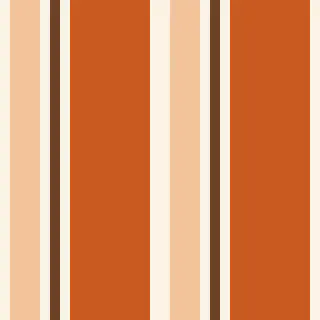

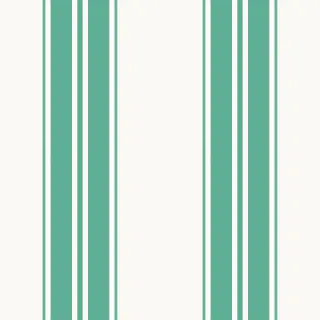





No patterns match this color.
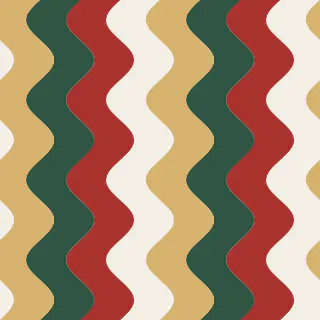
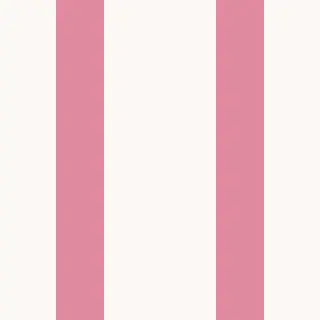
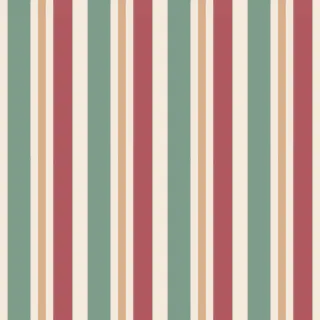
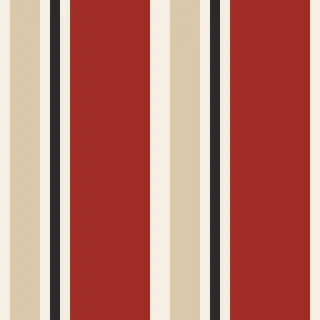
Each stripe tile is a sequence of bands, colored and ground, repeated across.
Which stripe to pick
There are six kinds. Even gives equal bands. Pinstripe puts a very thin line between wide ground. Awning uses broad bands, with thin accent lines when there is a third color. Candy runs through every color in turn. Ticking groups a wide band with fine lines on each side, like mattress cloth. Regimental sets one wide band against thinner ones in other colors. The main band can be narrow or wide in all of them, and any stripe can be turned 45 degrees to run on the diagonal. For wavy stripes, see wave patterns.
How to use stripe patterns
Stripes are the easiest pattern to size: one band width is the only measure that matters. For a card border or washi-style tape strips, print fine stripes and cut along the bands. Diagonal stripes suit gift wrap, since small misalignments at the seams are hard to see. Pinstripe and ticking on a light ground use very little ink. On a cutting machine, even and awning stripes cut cleanly as strips for layered designs. Stripes pair with nearly every other style, and are the usual partner for a busy floral or check.
What did stripes once mean?
Stripes have often carried meaning in the West, much of it negative. Carmelite monks are thought to have worn brown and white striped cloaks in the 13th century, until a papal ban on striped clothing for religious orders. In the 19th and early 20th centuries, prisoners in the United States wore black and white stripes. Stripes entered mainstream fashion in the 1920s, in menswear and school uniforms, and the striped shirt of French sailors inspired Coco Chanel. Two-tone stripes still signal hazards on road barriers and tape.
Sources: Stripe (pattern) (Wikipedia)