styles
Houndstooth patterns
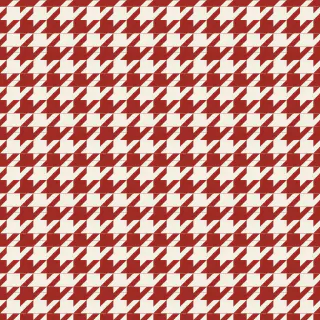
Houndstooth is a small two-color check broken into pointed shapes by a twill weave.















No patterns match this color.
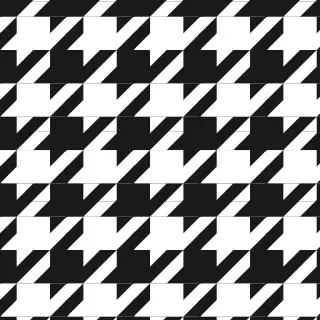
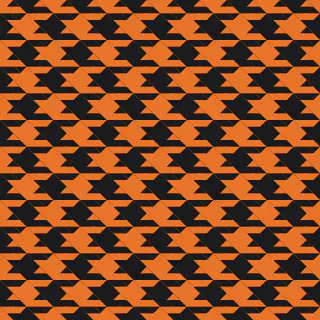
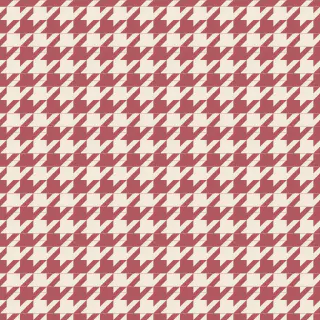
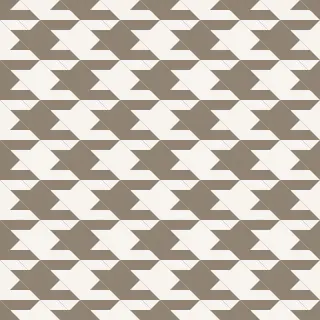
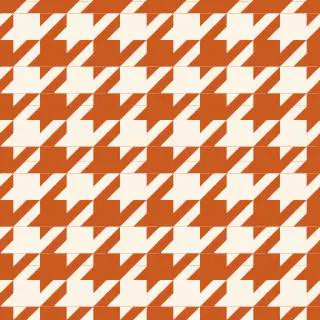
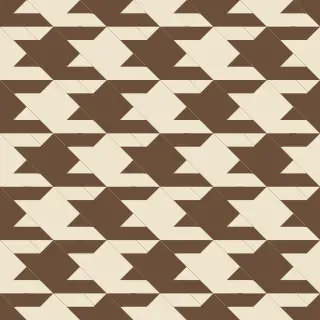
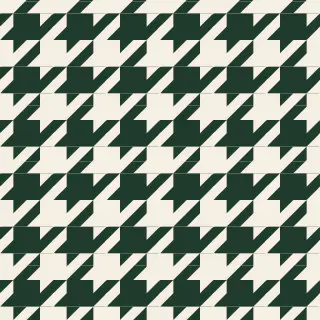
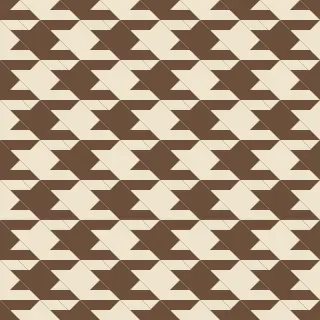
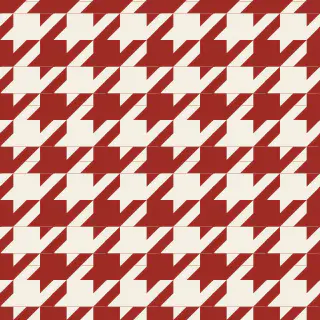
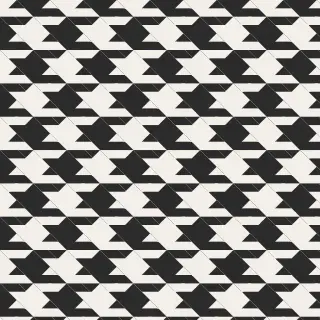
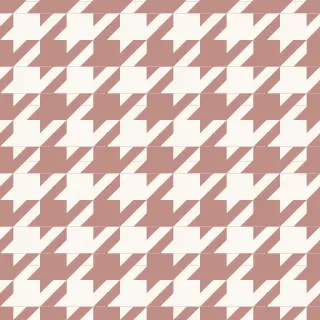
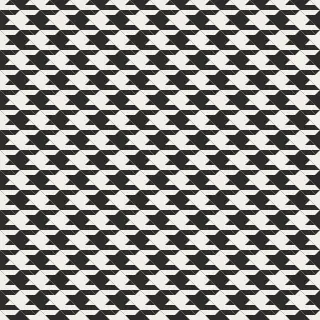
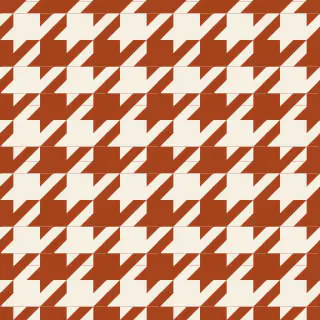
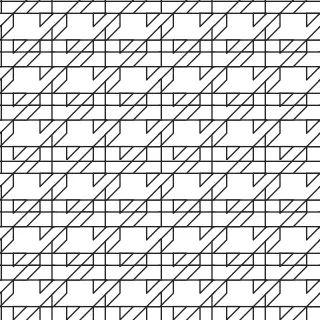
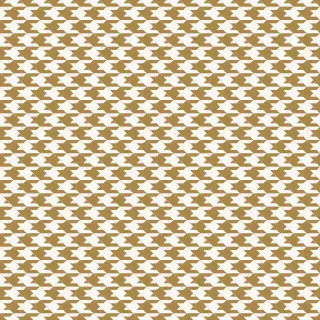
The classic houndstooth uses bands of four dark and four light threads in both warp and weft, woven as a 2/2 twill. These patterns copy that weave thread by thread, which is why the check breaks into jagged teeth instead of square blocks: solid squares alternate with squares of diagonal stripes. Each tile holds three teeth across and three down. The pattern uses exactly two colors, and can also be turned 45 degrees.
How to use houndstooth patterns
Houndstooth changes with distance. Printed small, it reads as a gray texture; printed large, the teeth become a bold graphic. For a notebook cover or a gift box, a mid scale shows the teeth clearly. For a phone wallpaper, a larger scale avoids the shimmer fine patterns can show on screens.
Printing houndstooth
Black and white covers about half the sheet in ink. A gray or navy on cream softens both the look and the ink use. The small stepped shapes are hard to cut on a cutting machine, so use houndstooth as printed paper rather than a cut file.
The structure is easy to chart: an eight-by-eight block of squares makes one tooth, which also works as a cross-stitch or knitting chart with two colors. Houndstooth pairs well with plain stripes and with a single solid color from its two.
Where does the name houndstooth come from?
The term houndstooth is not recorded before 1936. Other names include hound’s tooth, dogstooth and dogtooth, and a smaller version is called puppytooth. The modern check may have begun as a pattern in tweed cloth from the Scottish Lowlands. Much older woven pieces with the same structure exist: the oldest known come from the Bronze Age salt mine at Hallstatt in Austria. Black and white is the traditional pairing, though any two contrasting colors work.
Sources: Houndstooth (Wikipedia)