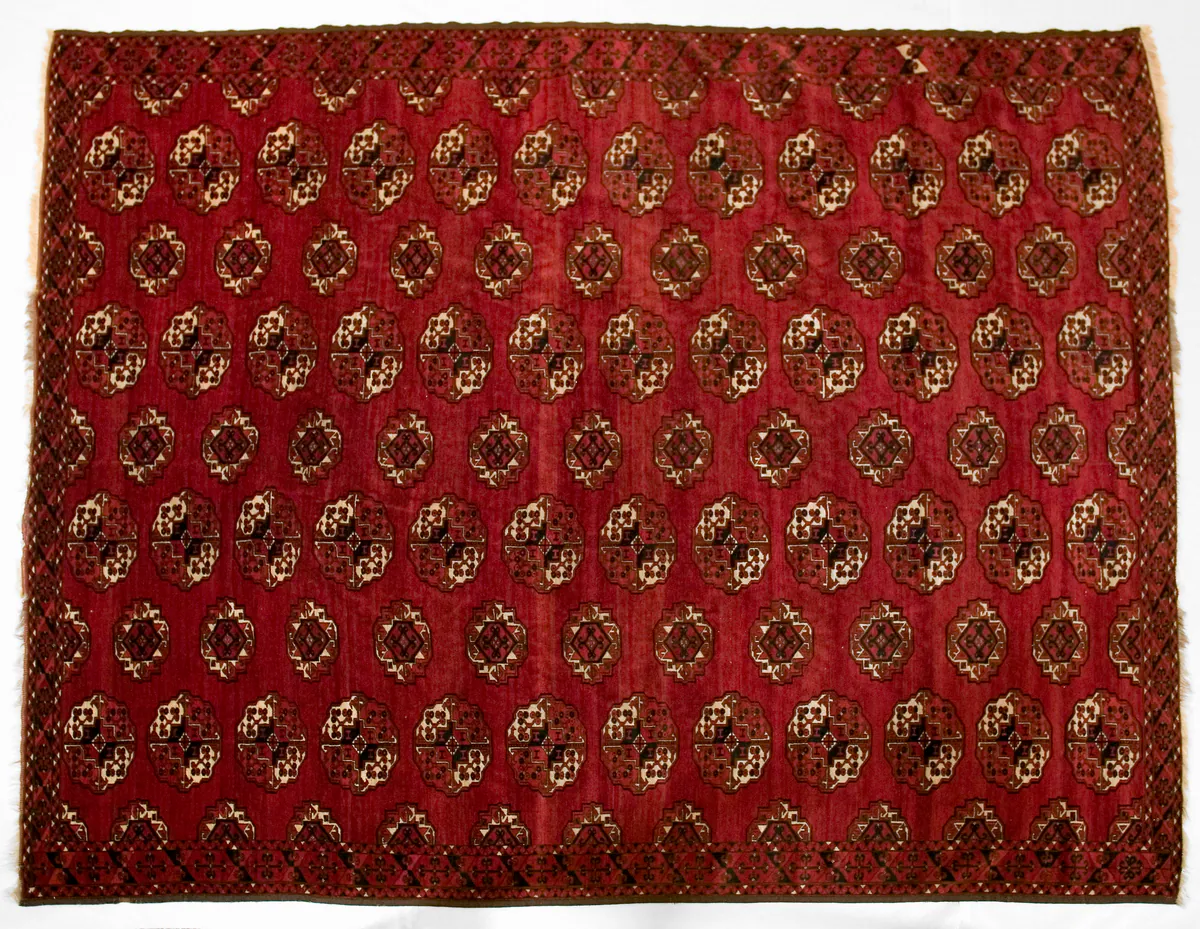
Saryk red
Colors in the original
#780c1621%#66161118%#90262917%#72382116%#501b0f11%#8d61458%#32130c4%#c09e7c4%
Patterns in these colors
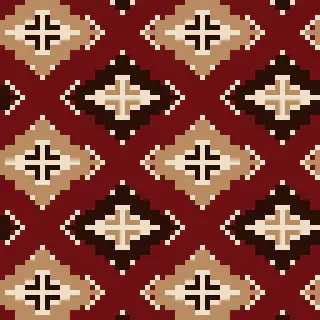
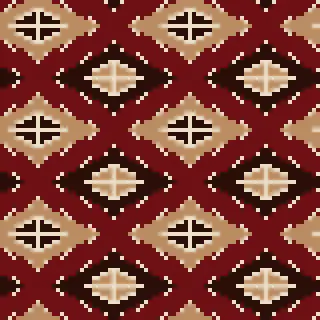
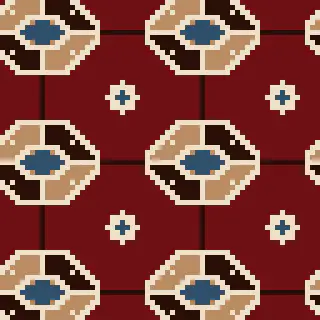
styles
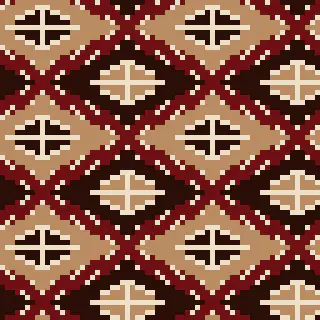
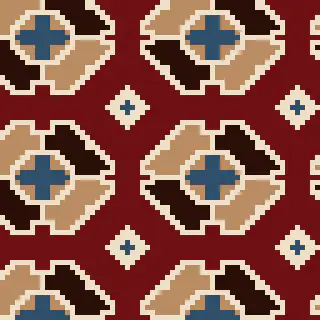
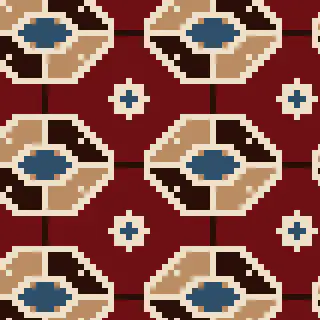
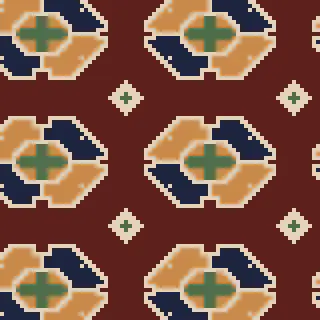
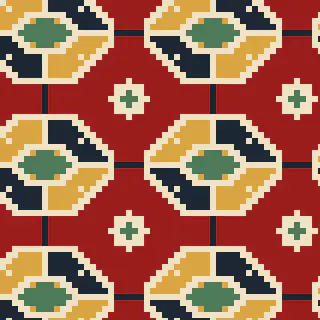
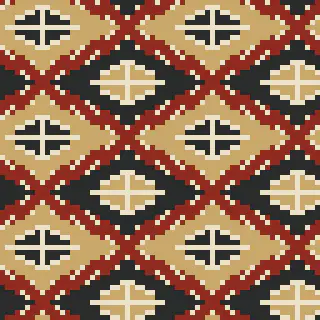
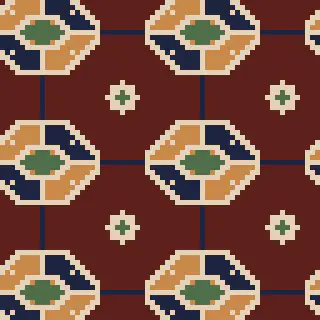
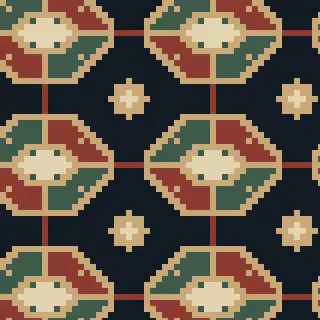
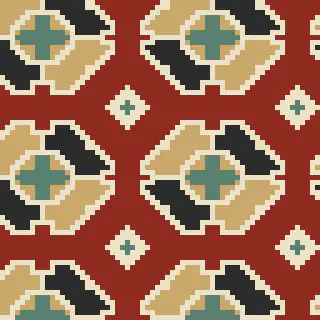
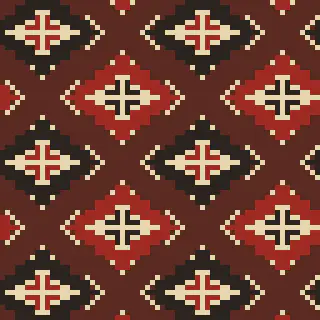
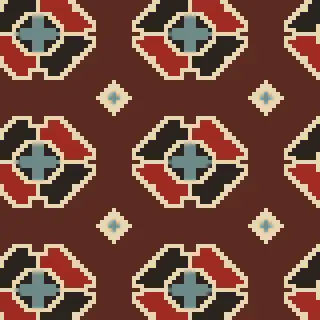
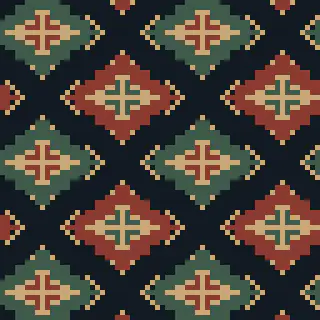
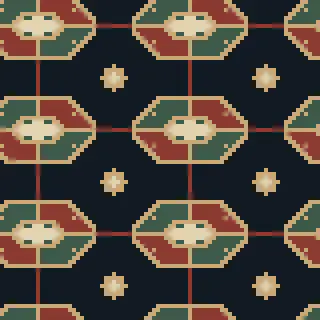
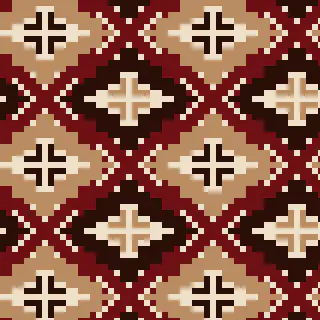
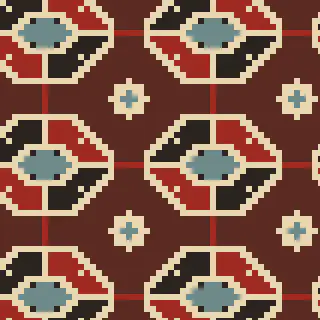
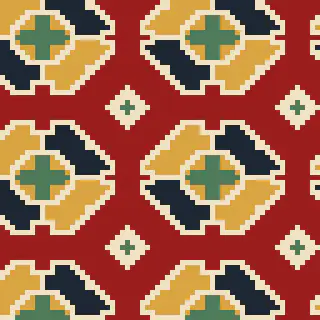
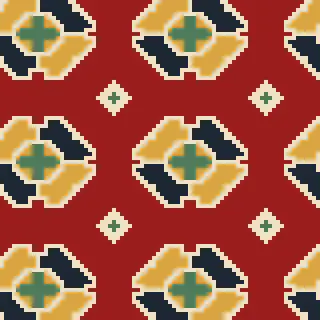
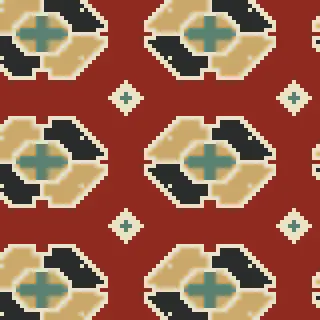
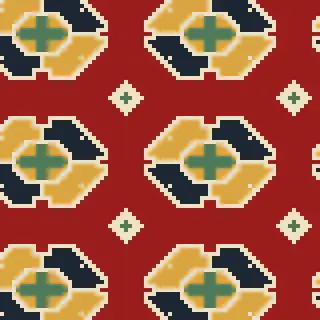
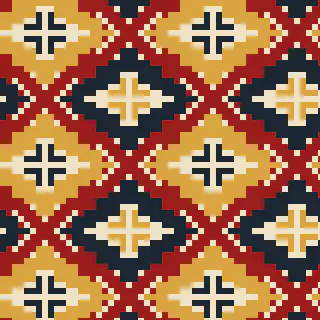
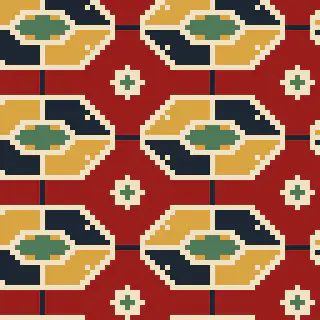
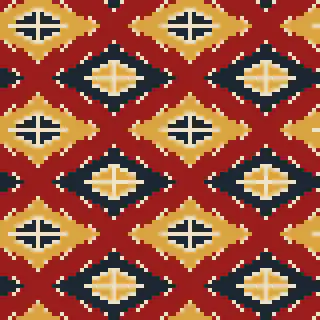
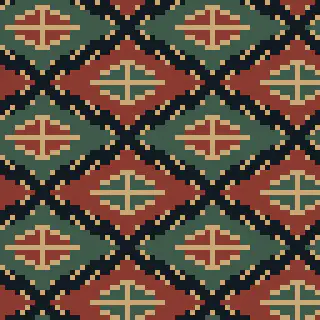
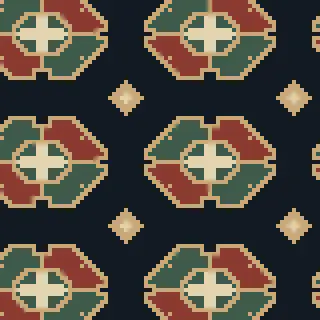
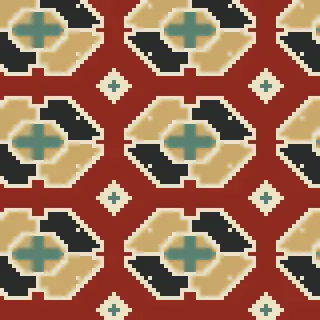
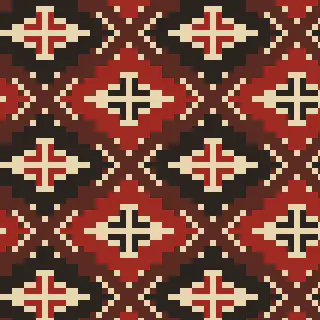
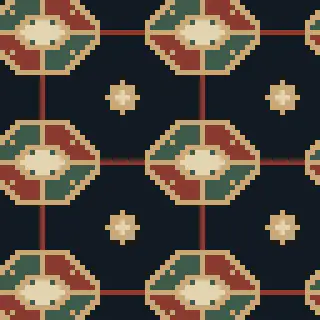
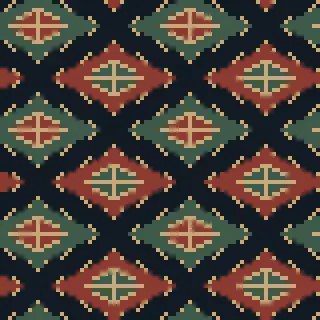
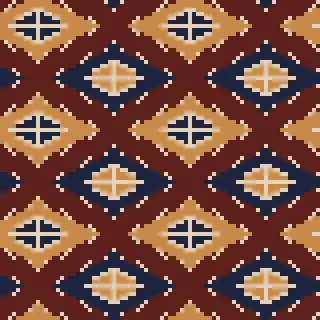
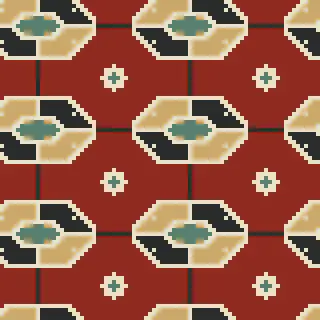
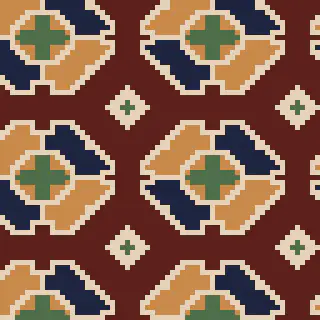
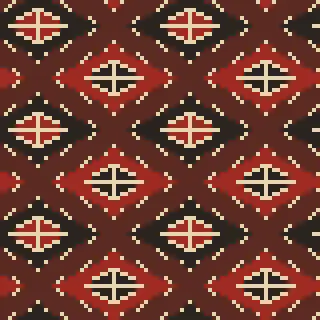
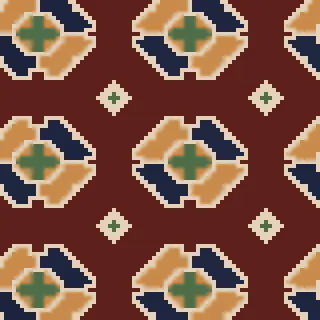
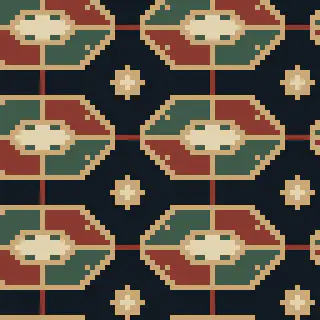
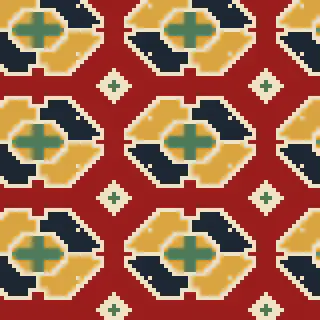
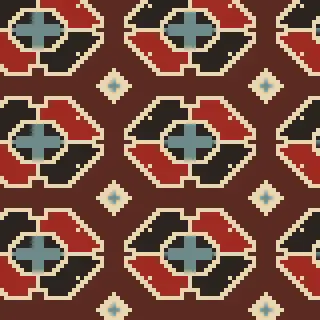
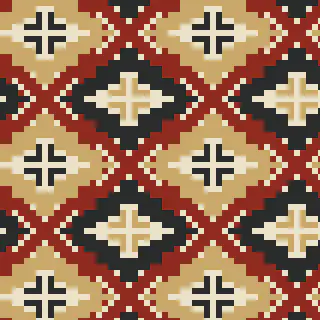
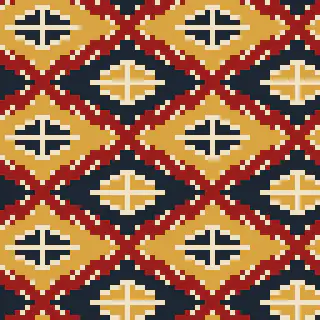
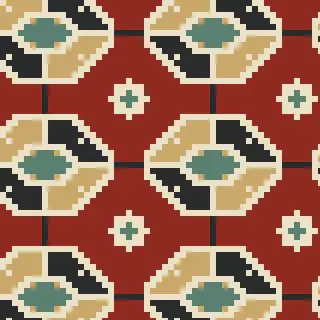
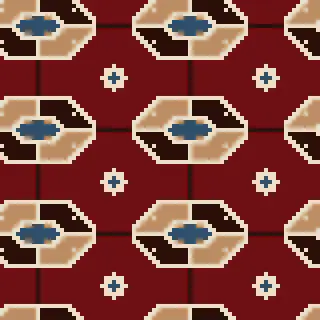
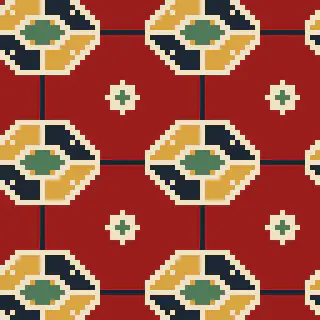
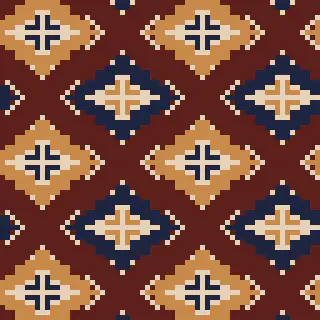
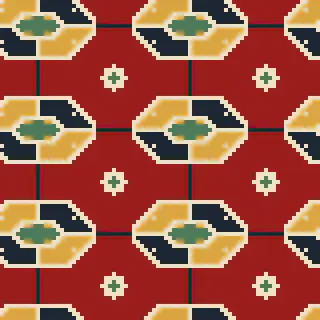
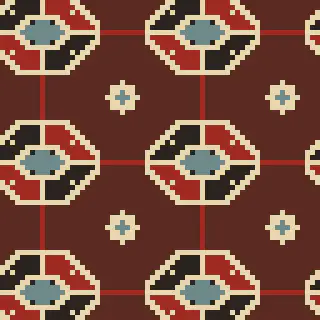
Bokhara rug patterns: repeating Turkmen gul motifs after Tekke, Salor and Yomut carpets.
No patterns match this color.
Colors in the original
#780c1621%#66161118%#90262917%#72382116%#501b0f11%#8d61458%#32130c4%#c09e7c4%Patterns in these colors
Colors in the original
#4b262127%#60292322%#38272316%#5e473210%#8a714e9%#804d336%#b49f6e6%#81231b5%Patterns in these colors
“Bokhara rug” is a trade name for Central Asian Turkmen rug designs, originally handmade by Turkmen tribes of Turkmenistan, Afghanistan, and Iran, Wikipedia says. These Bokhara patterns are printable seamless SVG and PNG files of Turkoman rug guls for digital paper and phone wallpapers, not rugs for sale.
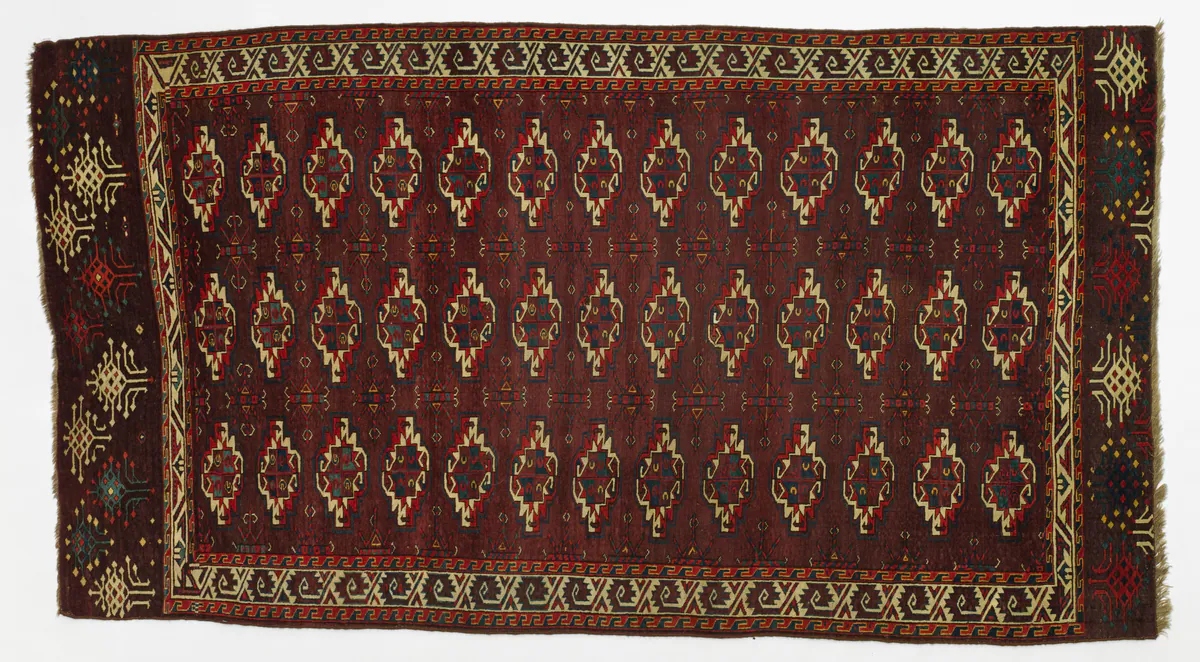
Cleveland’s label calls shades of red and lobed motifs, or guls, hallmarks of Turkmen carpets; Wikipedia says these geometric designs varied by tribe. In these geometric patterns, octagonal guls sit in offset rows with minor guls between; the Tekke gul is quartered and colored diagonally.
Wikipedia notes the “elephant’s foot” is an octagonal motif from the Ersari main carpet.
The history of the Bokhara name, the tribal guls and the guls on the flag of Turkmenistan is in the guide Persian Rug Patterns: The Main Designs and Their Meanings.
Each pattern sits on a grid of small squares, one color per square, like the knots of a pile rug. The colors come from photos of old public-domain carpets, a little brighter, so they read as fresh wool. The guls follow the two Cleveland carpets in the sources rather than one single rug. Related: Persian rug, eight-pointed star, and Islamic.
Sources: Turkmen rug (Wikipedia); Turkmen Main Carpet, Saryk, 1870s (Cleveland Museum of Art 2006.201); Turkmen Main Carpet, Yomud, mid-1850s (Cleveland Museum of Art 2010.190); Flag of Turkmenistan (Wikipedia)