styles
Kikko hexagon patterns
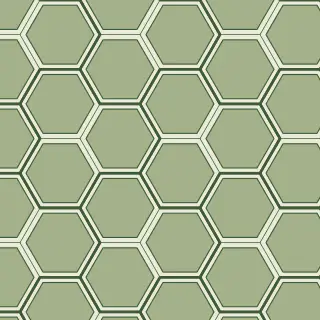
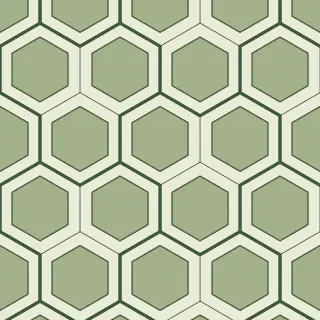
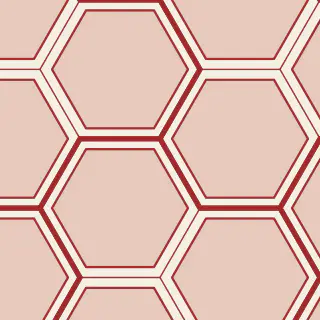
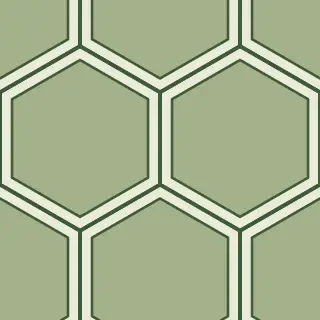
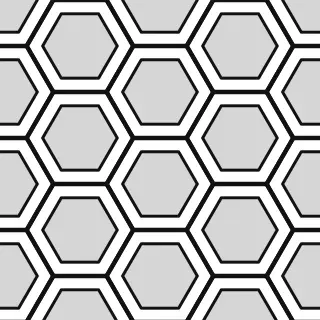
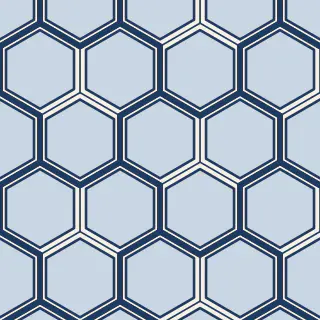
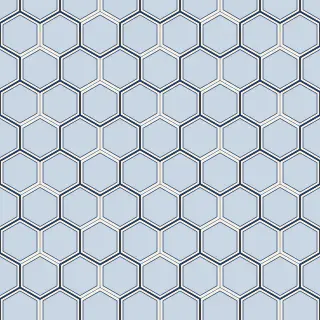
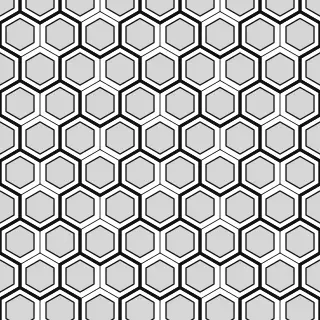
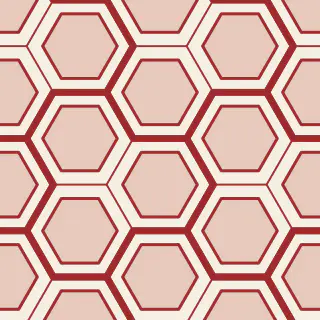
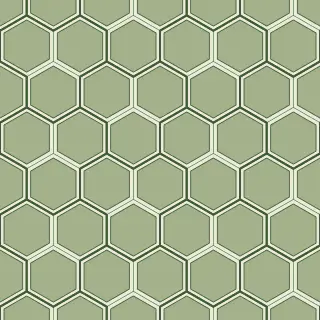
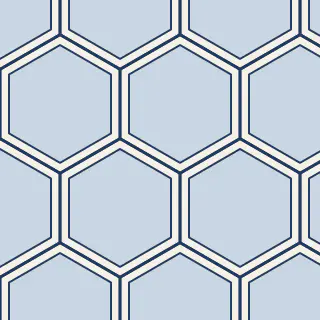
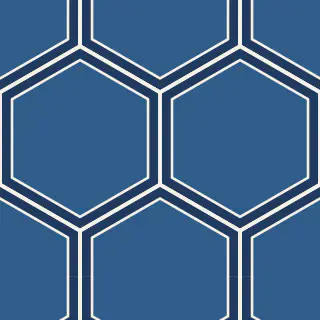
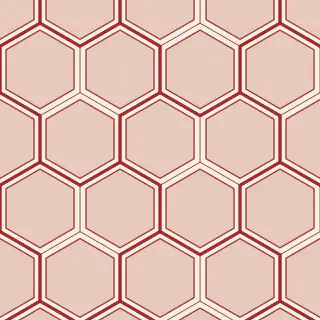
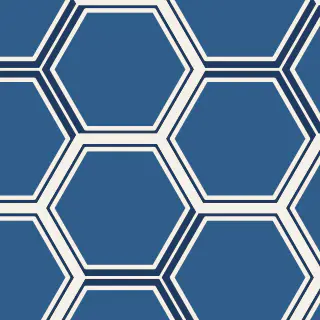
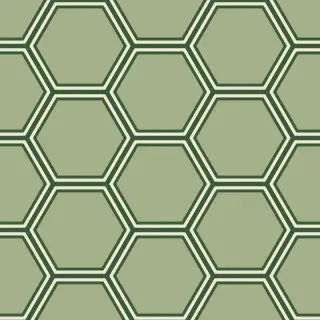
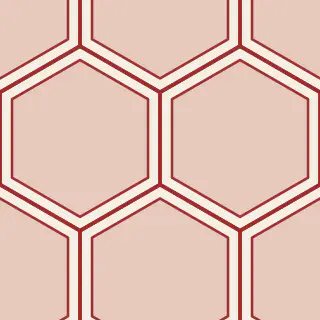
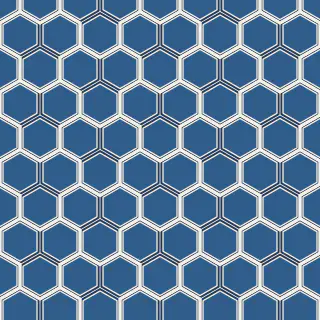
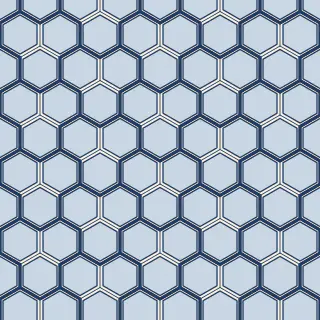
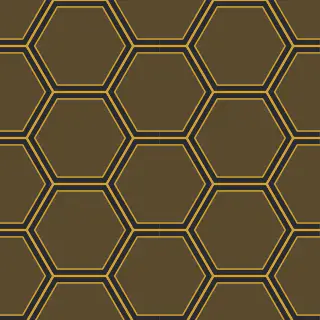
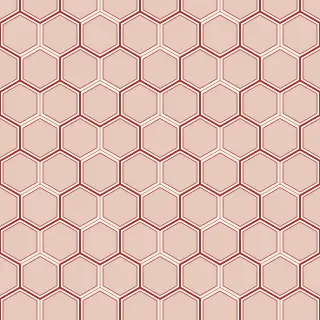
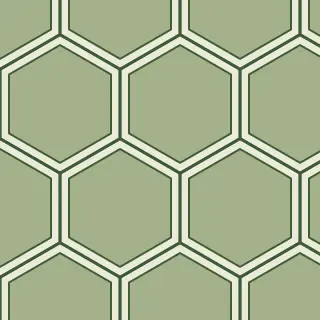
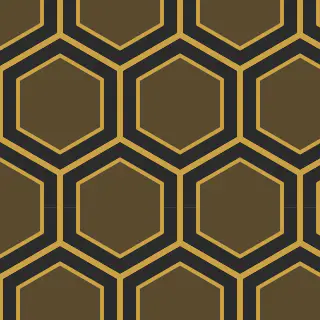
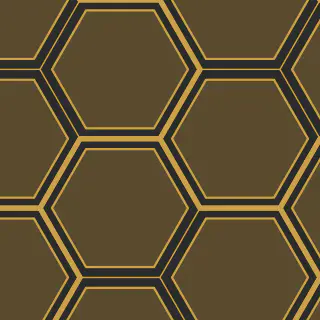
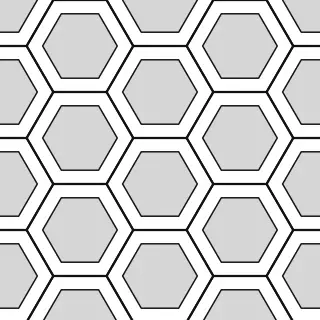
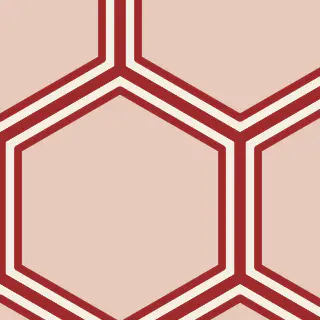
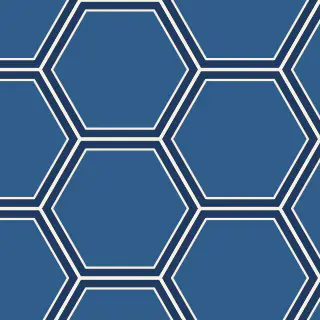
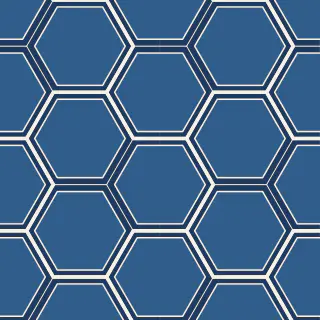
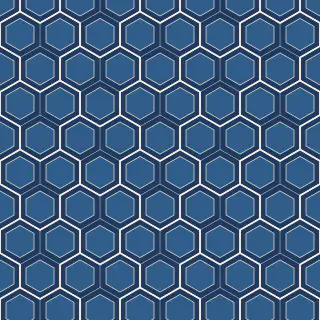
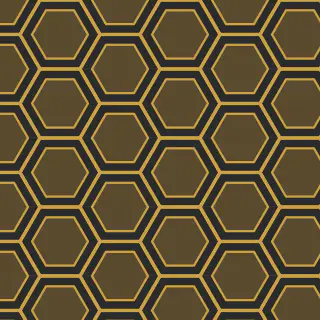
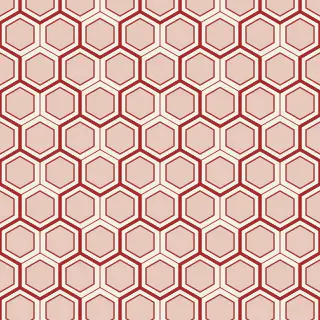
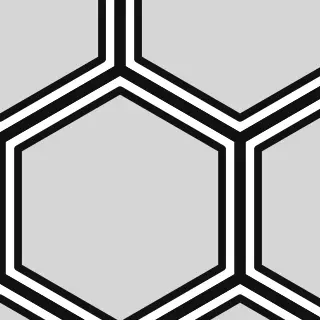
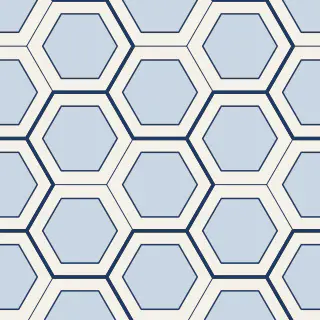
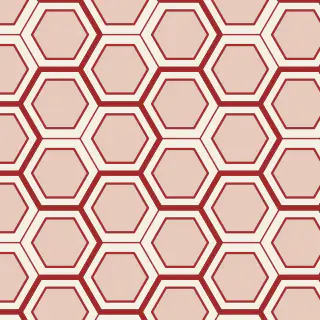
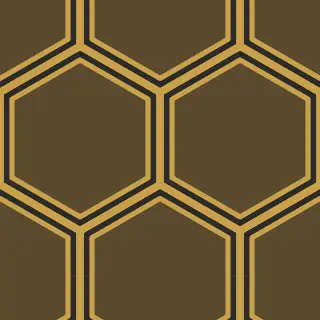
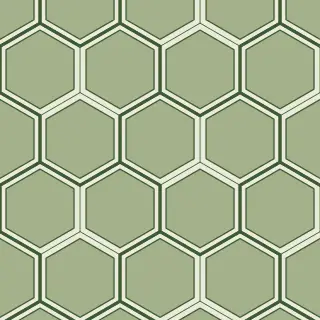
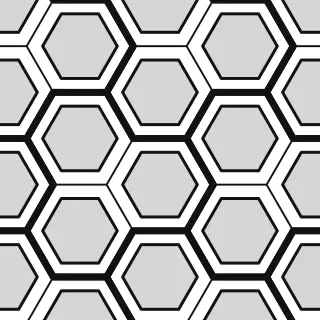
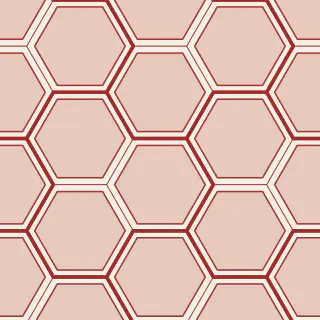
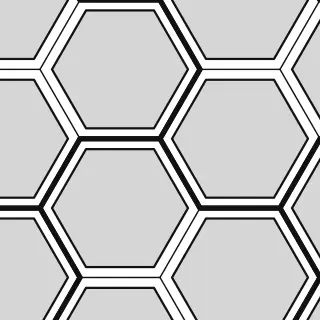
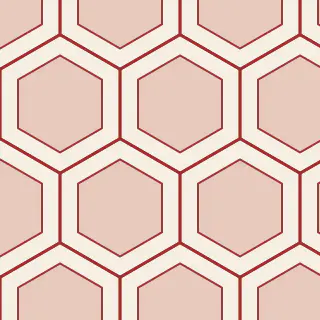
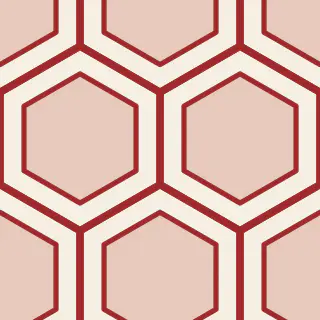
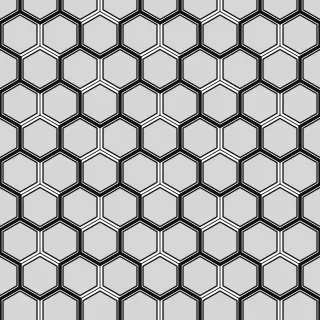
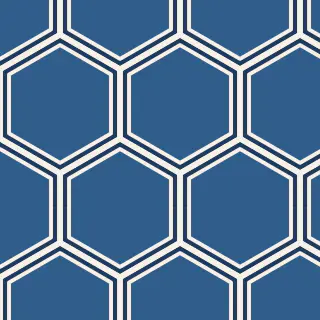
Hexagons with an inner and outer outline, laid edge to edge or grouped in threes, in indigo, red, green, ink and gold.

No patterns match this color.
The anatomy of the kikko pattern
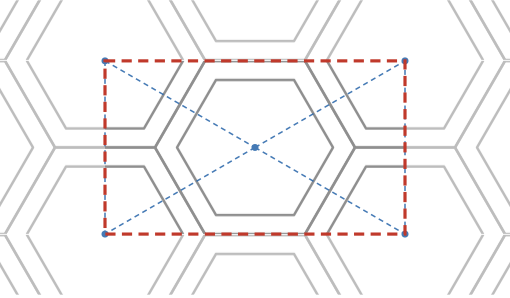
A kikko sheet is a honeycomb with a frame inside every cell. Flat-topped hexagons share their edges, six neighbors around each one, with no space left over between them. Inside each cell a second, smaller hexagon echoes the first from the same middle point. How far apart the two outlines sit decides what you see: a double line, or a little cell floating inside a big one.
Kikko means tortoise shell, and in Japanese design the hexagon stands for long life. For the history and the crests, read the meaning and history of kikko.
Which kikko to pick
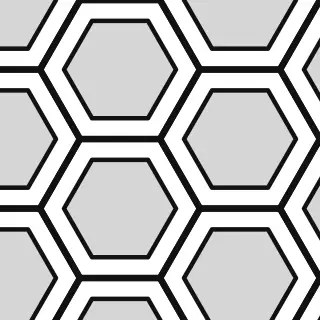
The plain layout repeats one hexagon, each with an outer outline and a smaller one inside. With a narrow gap between the two, the cells read as a double line. With a wide gap, a small cell floats in the middle of each hexagon.
The grouped layout joins hexagons in threes. A heavy outline goes round each group and a lighter one divides it, so the eye picks out larger three-lobed shapes. It is the busier of the two.
Thin lines give a quiet texture; heavy lines give a bold print. The colors run from indigo and white to gold on charcoal, and the line art versions are black on white, ready to color.
How to use kikko patterns
A honeycomb of equal cells is an easy frame for something else: a small stamp, a sticker or a hand-drawn motif placed in a cell. The plain layout at a large scale makes a good grid for a planner page or a game board. Quilters can use a sheet as a print guide for an English paper piecing layout, though the cells are outlines, not cut templates.
Printing tips
A wide gap leaves more open ground, so it prints lighter. Line weight matters most on the grouped layout: a thin inner line can vanish on an inkjet, so use the heavier one when the three-lobed shapes need to show.
Where the name comes from
亀甲 means the shell of a turtle or tortoise, and the cells are read as the plates of that shell. Examples survive among the Nara-period treasures of the Shōsōin.