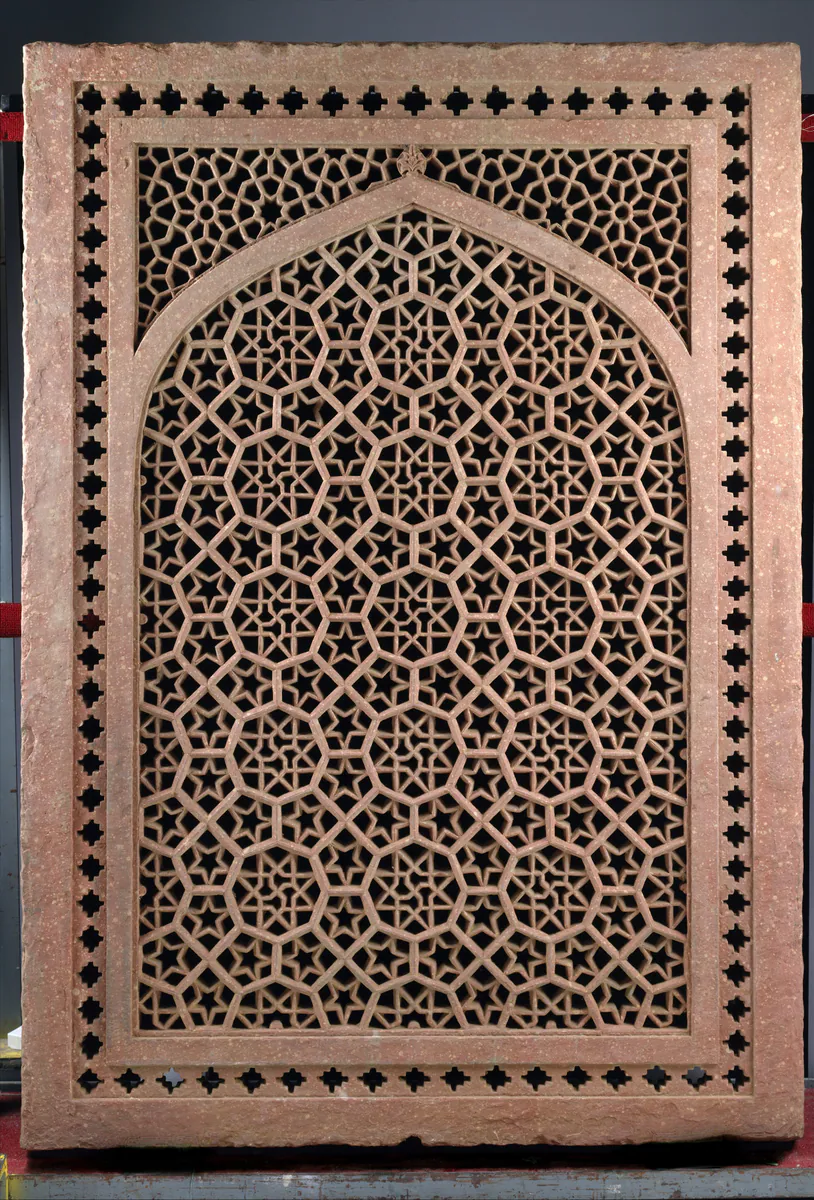
Red sandstone
Colors in the original
#0c0a0c21%#ba927b18%#a47b6516%#d0a79113%#8a675210%#eec5ab7%#3929206%#624b3b6%#e8b0962%#7d4f372%
Patterns in these colors

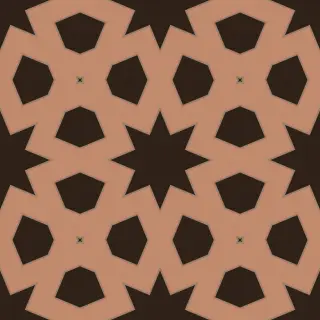


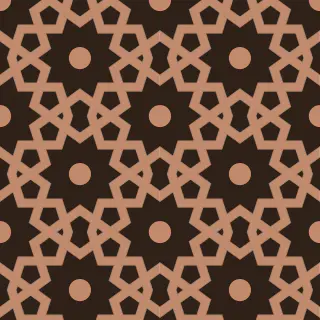
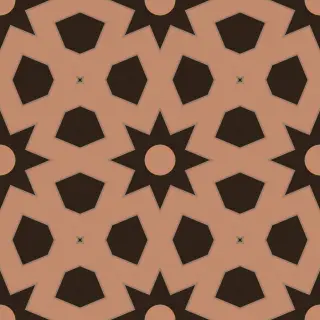
styles
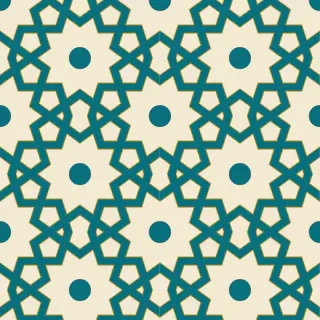
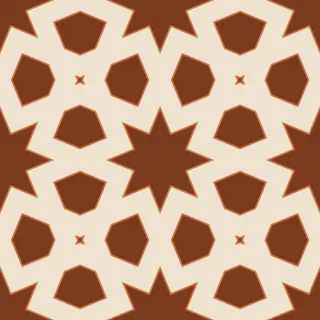
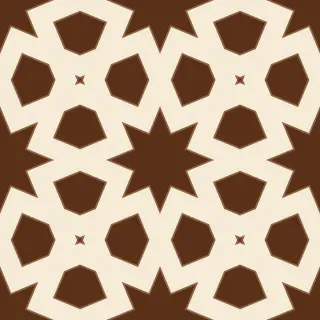
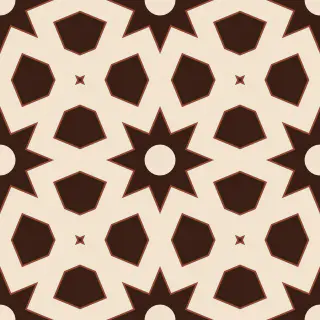
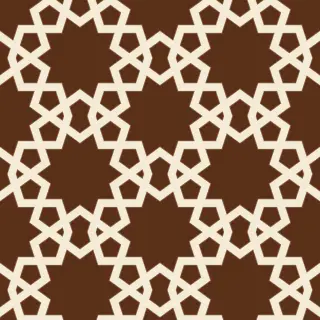
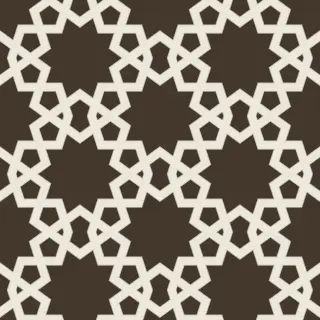
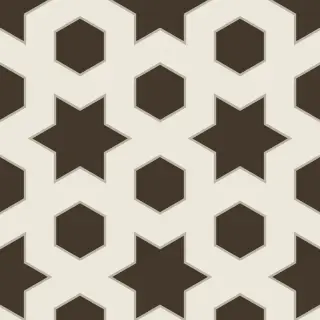
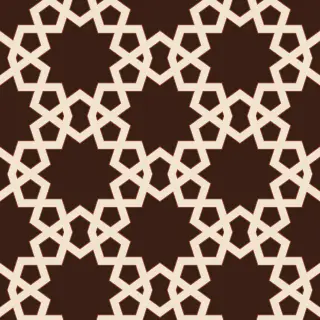
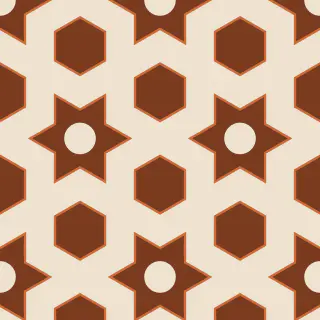
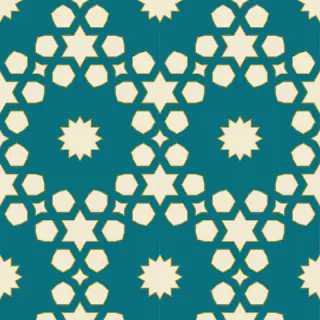
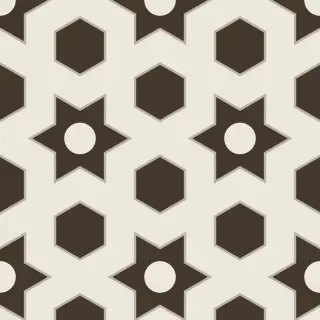
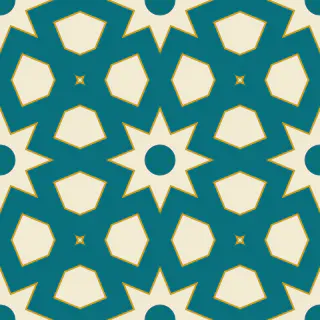
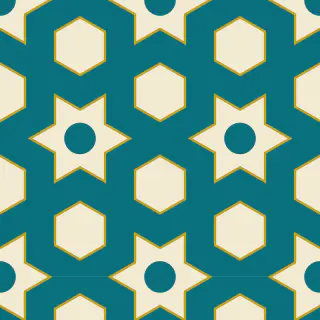
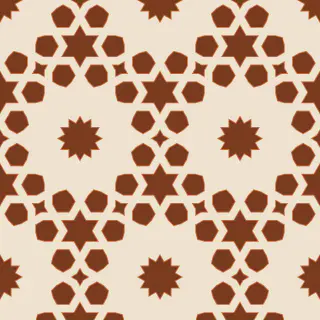
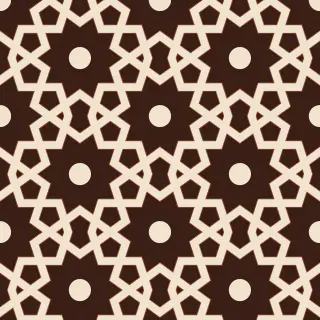
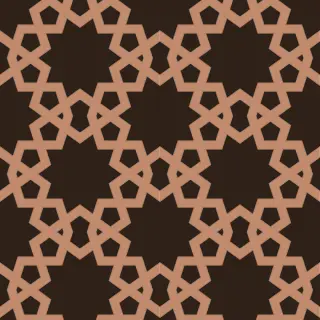
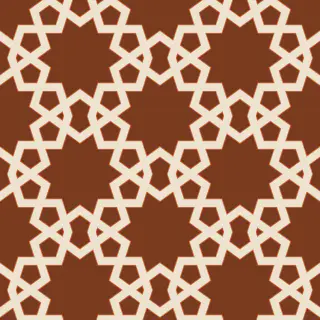
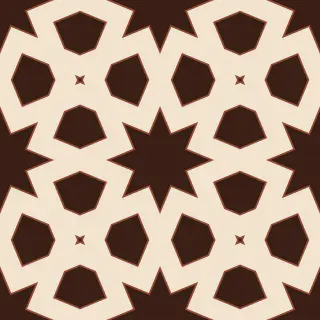
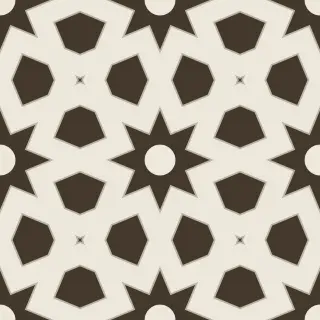
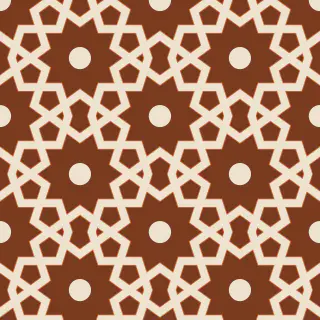
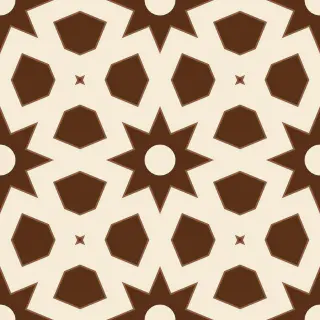
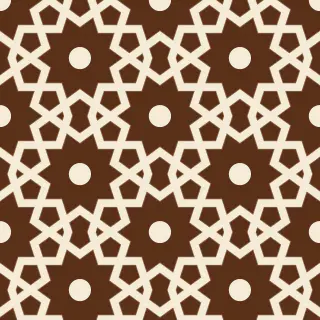
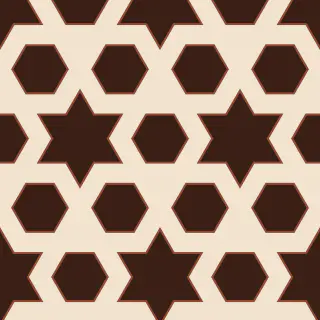
Jali screen patterns of pierced stars, hexagons and rosettes in red sandstone and white marble colors.






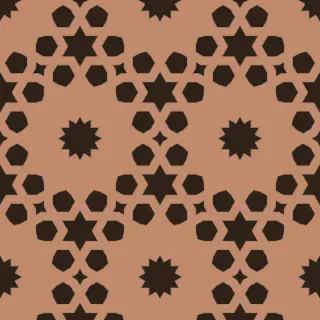
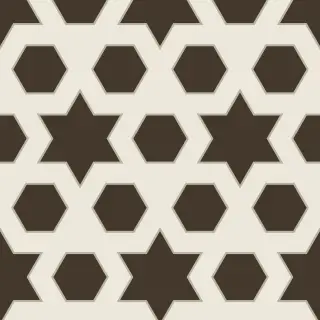
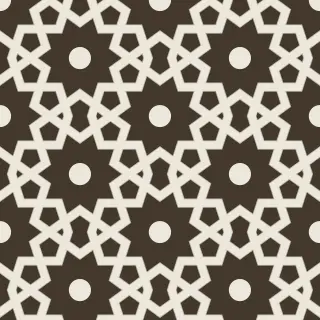
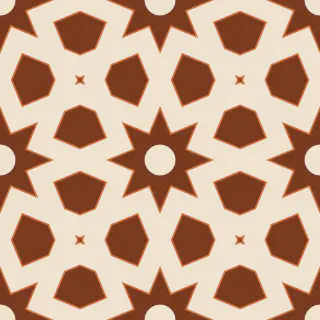



No patterns match this color.
Colors in the original
#0c0a0c21%#ba927b18%#a47b6516%#d0a79113%#8a675210%#eec5ab7%#3929206%#624b3b6%#e8b0962%#7d4f372%Patterns in these colors
Colors in the original
#c4beab22%#b2a99521%#19151218%#9c907c12%#ded9c48%#7d6f5d7%#34291e7%#584b3b6%Patterns in these colors
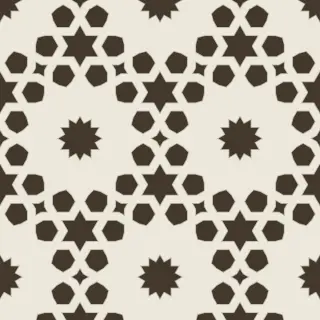
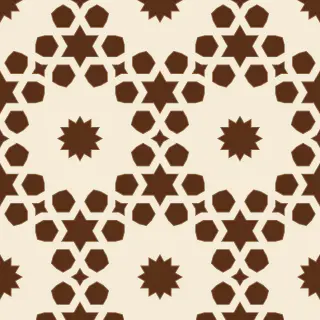
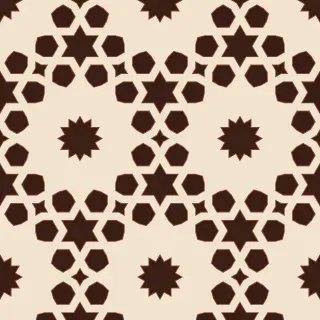
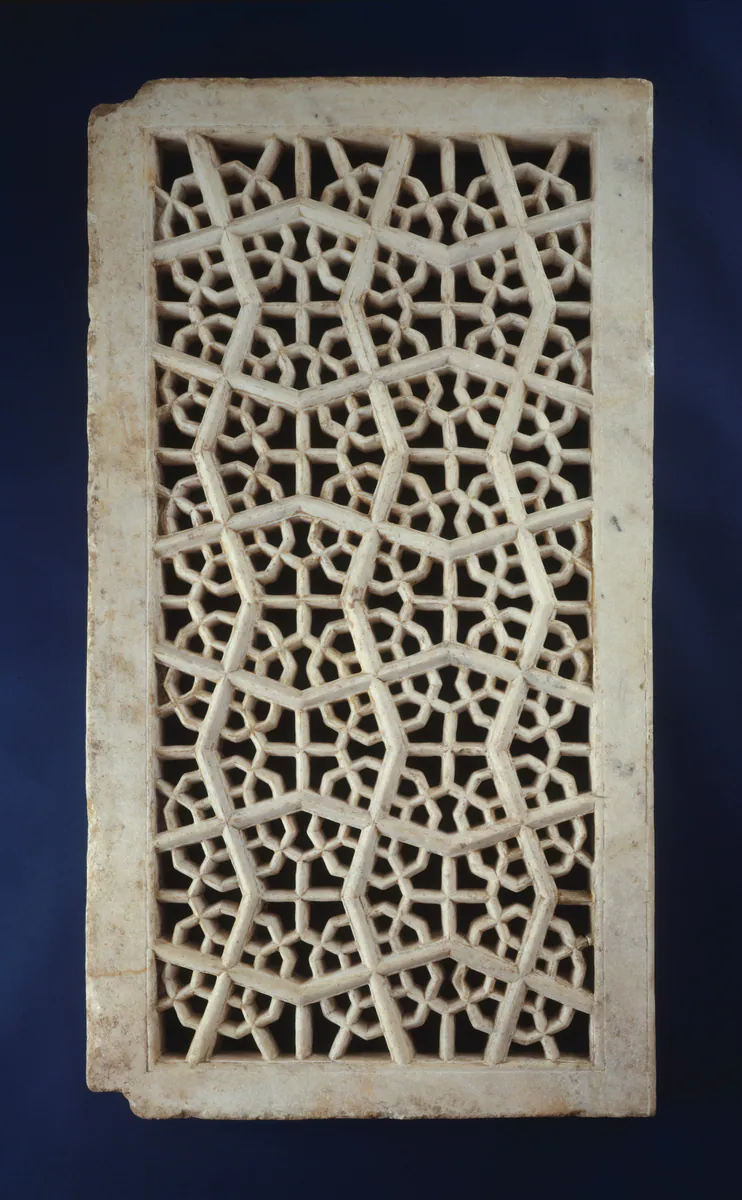
A jali screen (also spelled jaali) is a pierced stone or lattice screen with an ornamental pattern. These seamless jali patterns show the stone and the dark holes.
Wikipedia’s Jali article notes that the word means “net” and describes a perforated stone or latticed screen common in Indo-Islamic and Indian architecture, closely related to the mashrabiya. A jali design uses geometry, calligraphy, or natural forms. For strength, the holes are about as wide as, or narrower than, the stone’s thickness.
Wikipedia’s Jali article, citing Yatin Pandya, notes that a screen lets light and air in while minimizing sun and rain. Humid Kerala and Konkan have larger holes than dry Gujarat and Rajasthan. Widespread glass in the late 19th century made jalis rarer, before a 21st-century return as a low-energy solution.
Wikipedia’s Jali article places early geometric carving at Delhi’s Alai Darwaza (1305) and notes Mughal plant designs, as at the Taj Mahal. Wikipedia’s Sidi Saiyyed Mosque article records ten stone latticework windows (1572/73) in Ahmedabad with geometric panels and tree, foliage, and palm motifs. Wikipedia’s Tomb of Salim Chishti article notes Akbar built the Fatehpur Sikri mausoleum in 1580–81, enclosed by marble screens. The Met’s records list two Indian pierced window screens: a red sandstone screen from the second half of the 16th century and an early 17th-century marble screen.
Wikipedia’s Mashrabiya article describes a projecting oriel window with carved wood latticework on upper floors, found mostly in the Mashriq. One theory derives the name from Arabic sharaba (“to drink”), as the space held water pots; a less common theory traces it to mashrafiya (from a verb meaning “to overlook”). It gives privacy and passive cooling, helped by a water jar (qullah), and the mashrabiya pattern varies by region, with hexagonal and cross types among others. Earliest evidence dates to 12th-century Abbasid Baghdad; mashrabiya revived in the second half of the 20th century.
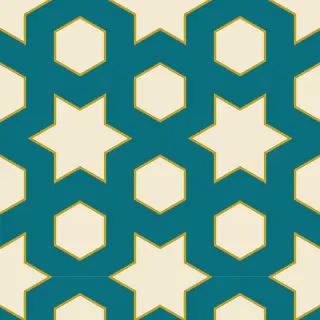
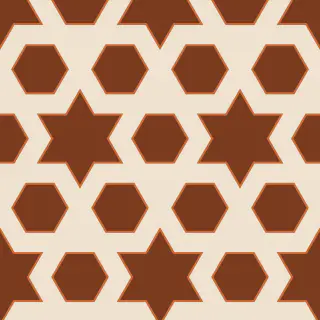
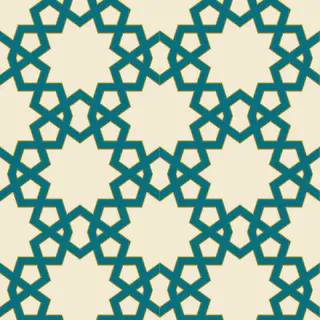
These screens draw the star networks of Islamic geometric patterns as stone bands, leaving every space a dark hole. They come as six-pointed star, star-and-hexagon, eight-pointed star, twelve-point rosette, and ten-point girih screens, some with darker bevelled edges and small round bosses in the largest holes. Colors include red sandstone, white marble, Mamluk marble, lustre gold, terracotta, and turquoise. Real jali holes are often cusped; these holes are straight-sided, and the screens are new designs, not copies of a real screen.
With two or three colors per tile, each jali pattern suits stencils and laser-cut files. See lattice and Moroccan trellis for related grids, or change the stone width in the pattern generator for hexagonal, octagonal, star-hexagon, and decagonal screens.
Sources: Jali (Wikipedia); Mashrabiya (Wikipedia); Sidi Saiyyed Mosque (Wikipedia); Pierced Window Screen (Jali) (1993.67.2), The Met (source of the Red sandstone palette); Pierced Window Screen (Jali) (1984.193), The Met (source of the White marble palette)