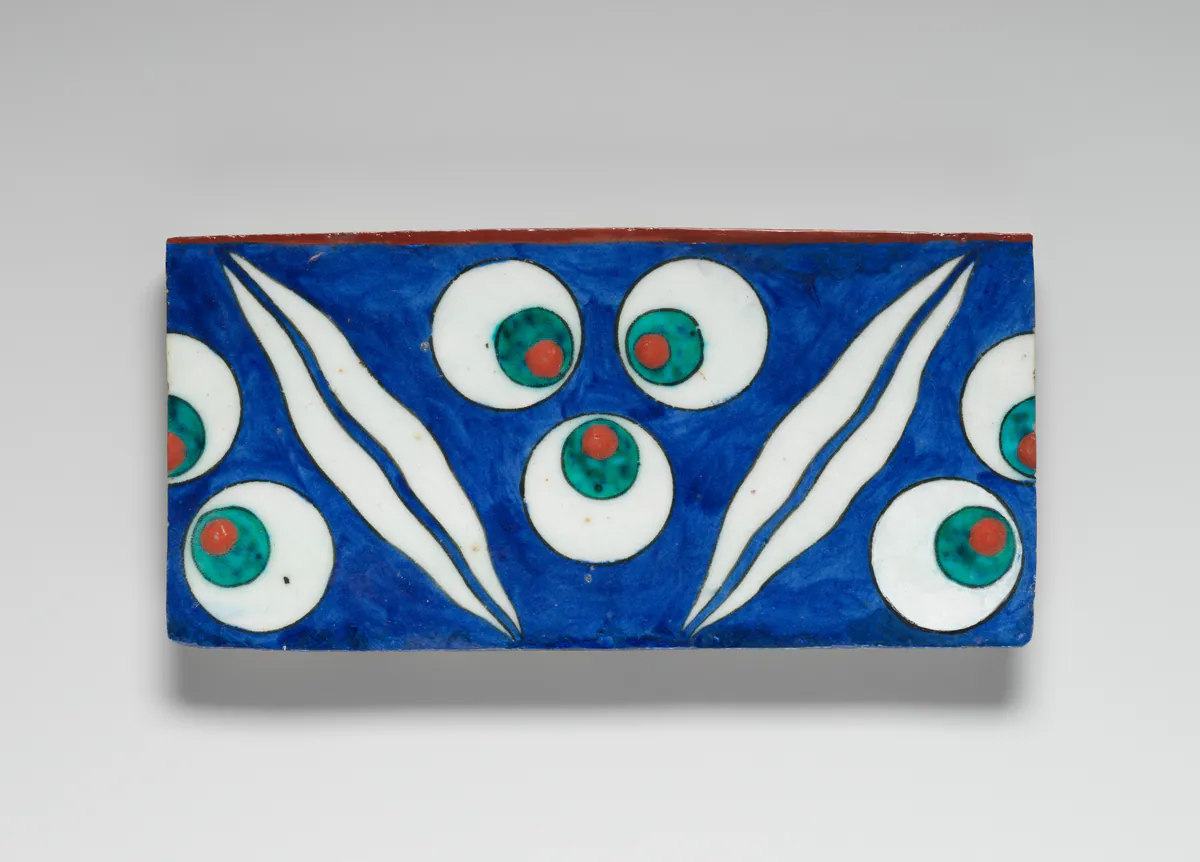
Iznik cobalt
Colors in the original
#dce2de38%#013a9725%#0451ab18%#06837c7%#2636386%#0839735%#c8442f1%#b24d3b1%
Patterns in these colors

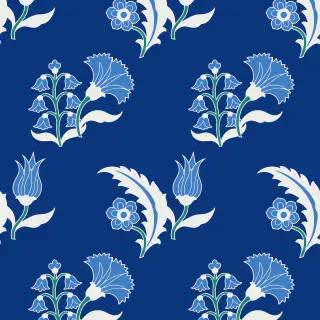

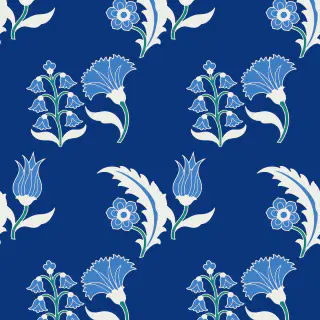

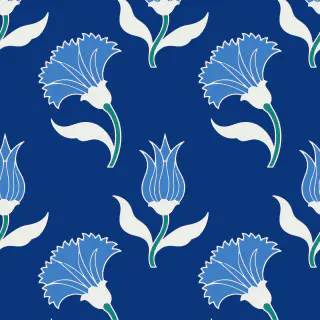
styles
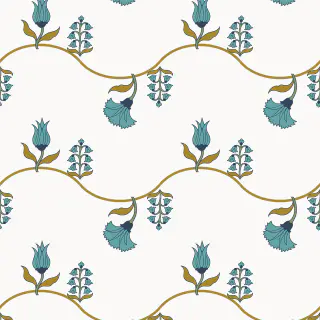
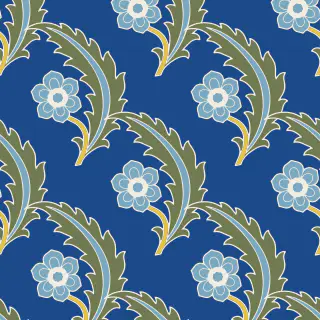
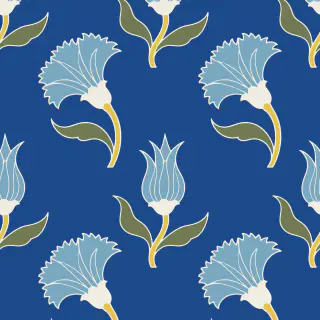
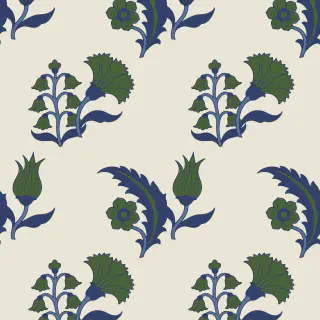
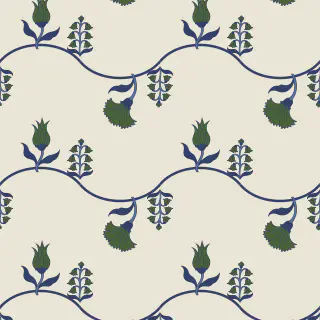
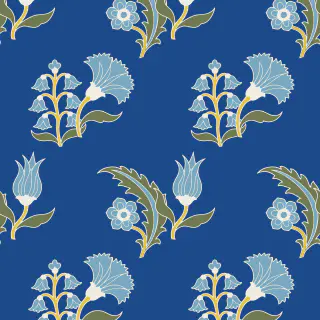
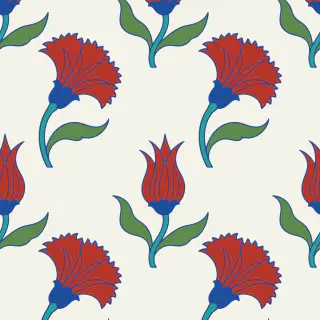
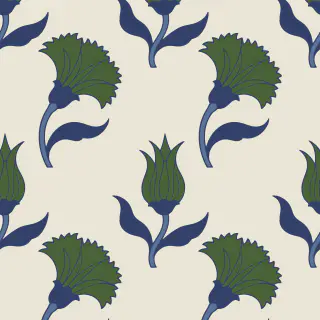
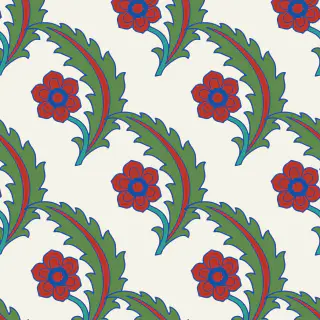
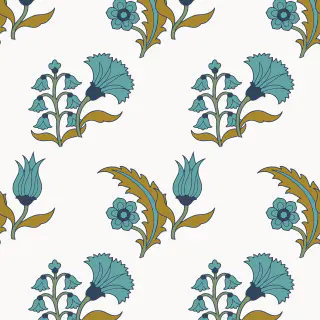
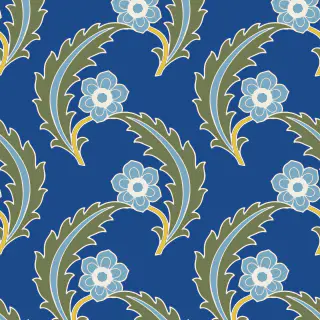
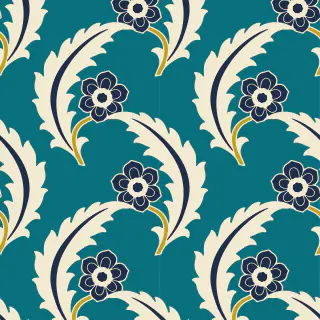
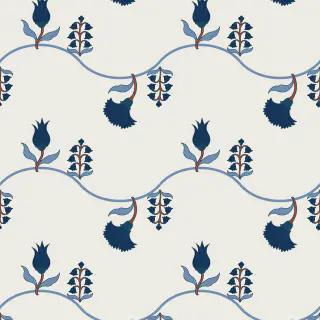
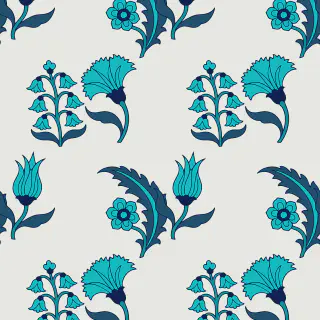
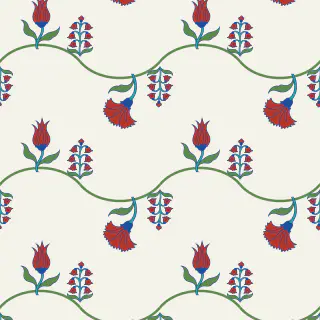
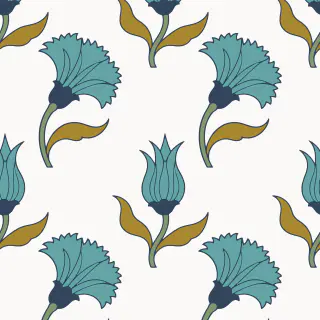
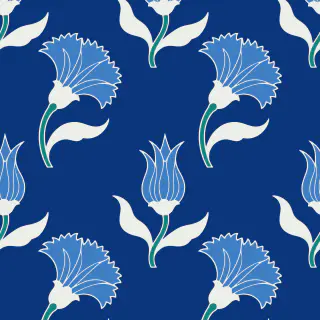
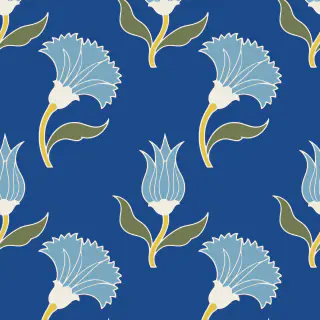
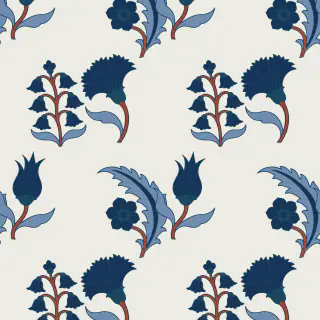
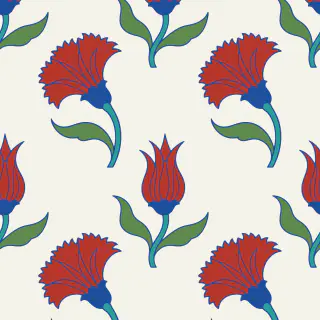
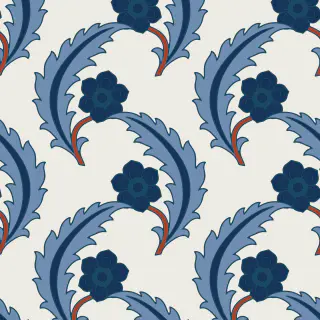
Iznik tile patterns with Turkish tulips, carnations, saz leaves and the cintamani motif in cobalt, turquoise and red.




















No patterns match this color.
Colors in the original
#dce2de38%#013a9725%#0451ab18%#06837c7%#2636386%#0839735%#c8442f1%#b24d3b1%Patterns in these colors
Colors in the original
#dde6e021%#b1c3b621%#5e797115%#55a9c514%#2f393f11%#2d4c7f11%#b06b3e4%#619e583%Patterns in these colors
Iznik tiles are underglaze fritware tiles made for Ottoman imperial buildings from the mid-16th century. These Iznik patterns are floral Turkish tiles and cintamani tiles, as SVG and PNG files.
Wikipedia’s İznik pottery article dates the ware from the last quarter of the 15th century to the end of the 17th. Potters painted fritware (stonepaste) with cobalt blue under a colorless transparent lead glaze. They imitated Chinese porcelain’s prestige, not its designs.
Cobalt came first, turquoise around 1520, and emerald green later replaced sage green. Wikipedia’s İznik pottery article puts bole red around 1560, while Wikipedia’s Rüstem Pasha Mosque article notes Armenian bole on tiles Michael D. Willis dates to 1555 (others say after 1561). The patterns come in cobalt on white, white on cobalt, and the reds, greens and turquoise of the later tiles.
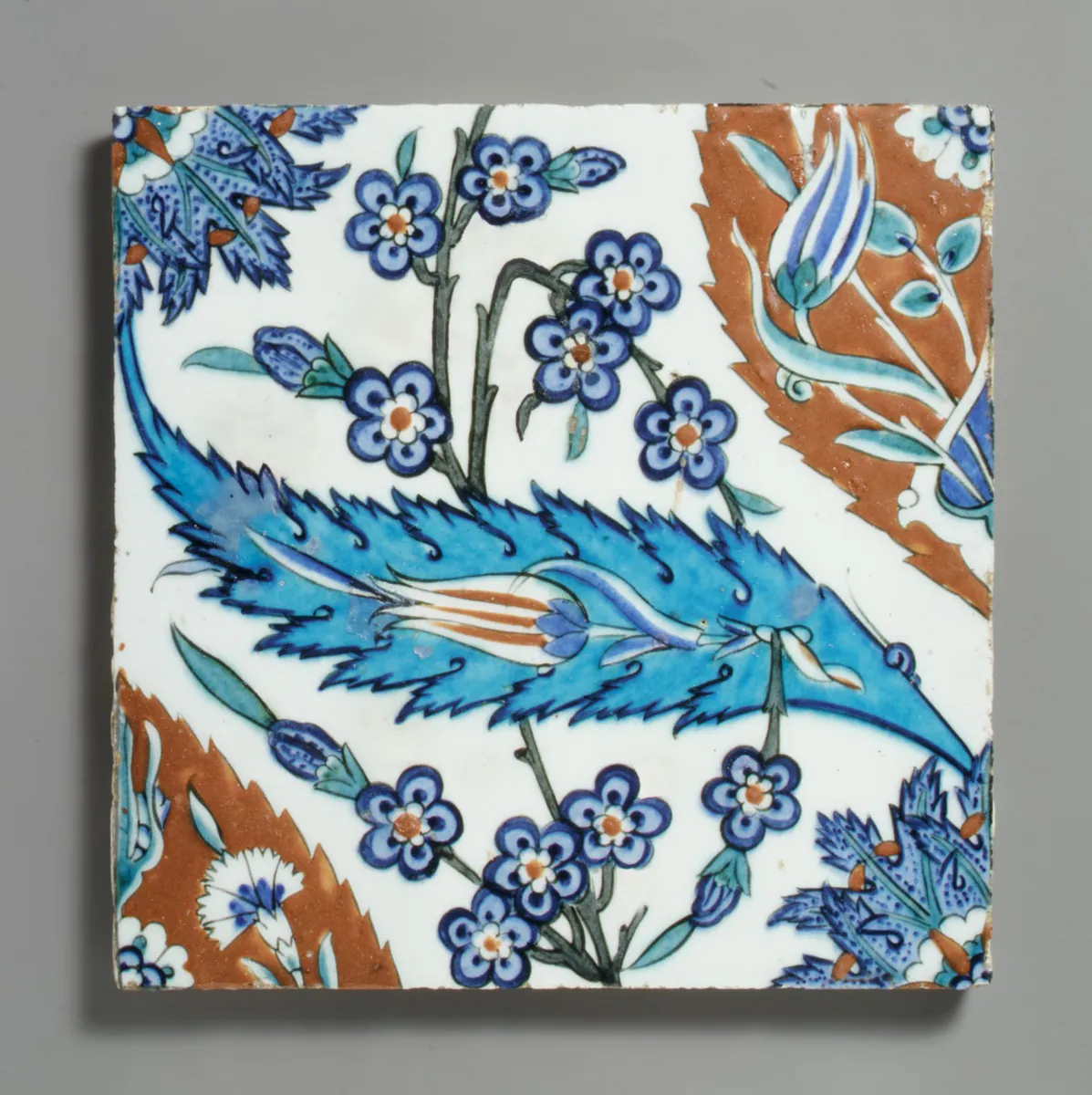
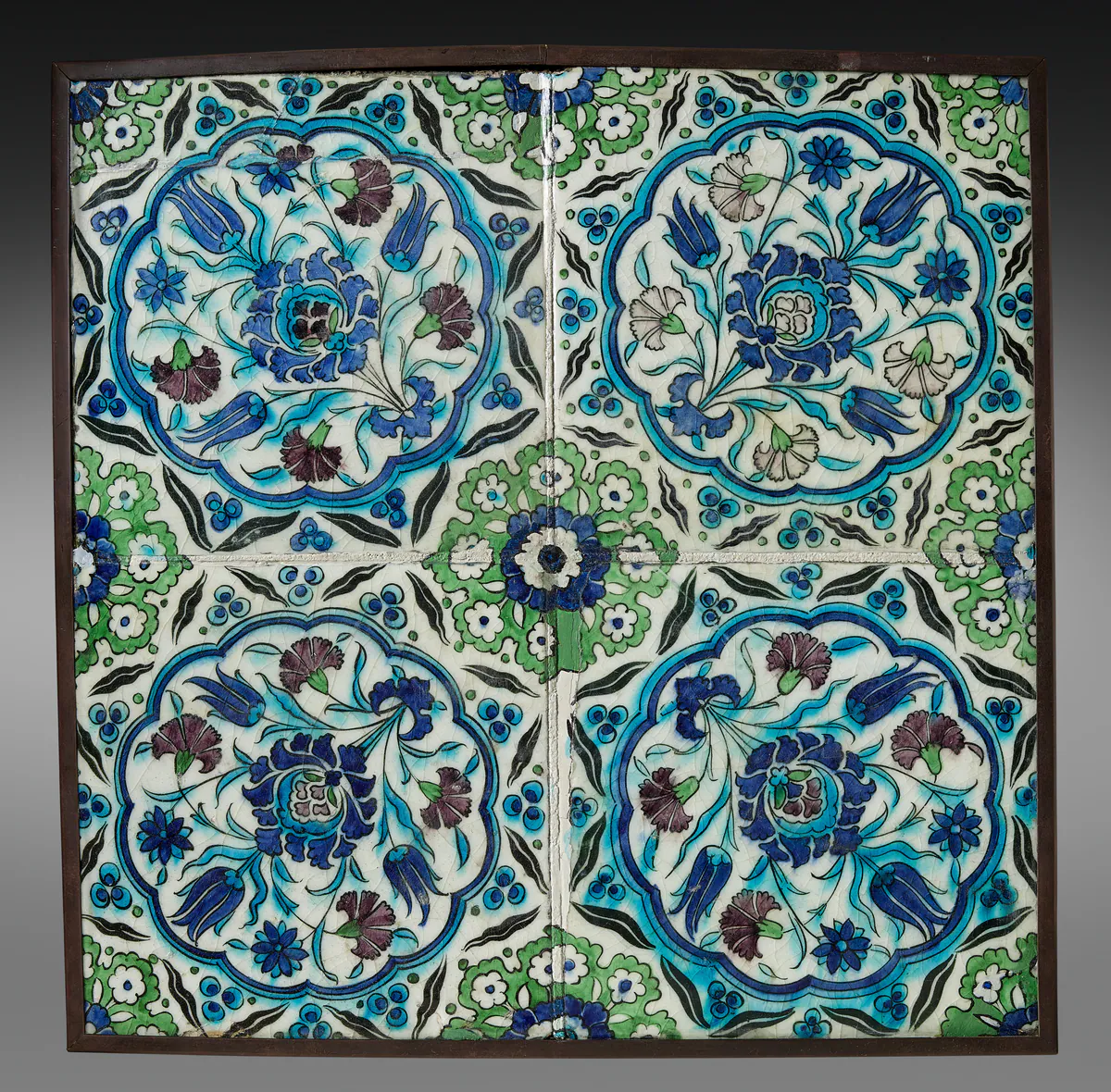
Wikipedia’s saz style article notes Şahkulu’s role in shaping feathery sawtoothed leaves and composite blossoms; the Rüstem Pasha Mosque article links Kara Memi to floral tiling. These patterns pair the saz leaf with the Turkish tulip, carnation and hyacinth. A 16th-century Met tile shows saz leaves, tulips and hyacinths; four 1600s Cleveland Museum of Art tiles show a spray of tulips, carnations and a hybrid palmette, ringed by an eight-pointed star.
Wikipedia’s İznik pottery article notes that the Süleymaniye Mosque made Iznik a major tile center for Mimar Sinan’s buildings. Wikipedia’s Rüstem Pasha Mosque article counts about 2,300 tiles in around 80 patterns. Quality declined from the 1590s; the Sultan Ahmed Mosque (1616) was the last important building with Iznik tiles.
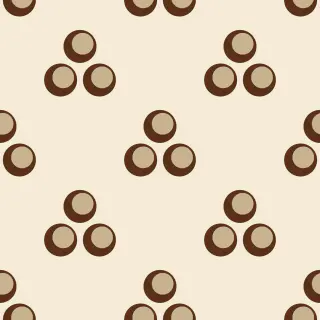
Wikipedia’s Anatolian rug article describes the cintamani pattern as three colored orbs in a triangle, often over two wavy bands, usually on a white ground. Wikipedia’s Oriental rug article calls it a protective (apotropaic) symbol on Ottoman and Anatolian carpets; the Met holds an Iznik cintamani tile (ca. 1560–70). Wikipedia’s Cintamani article describes a wish-fulfilling jewel in Hindu and Mahayana Buddhist tradition; the read sources do not explain how that name came to the motif.
The floral patterns set the tulip, carnation, hyacinth and saz leaf in four layouts: a spray, a diagonal of saz leaves, a half-drop of tulips with carnations, and a wavy vine after a Met panel probably from Damascus. The cintamani patterns set three discs over two wavy bands, or the discs or the bands alone. All are simpler and sparser than painted tiles, and are new repeats, not copies.
Download any Turkish pattern as a seamless SVG or PNG for wallpaper, fabric, digital paper or phone wallpapers. Open the pattern generator to change the size, the length of the saz leaves, the spacing and the mirroring, or see floral patterns for general flowers.
Sources: İznik pottery (Wikipedia) (body, colors, dates); Saz style (Wikipedia); Rüstem Pasha Mosque (Wikipedia) (tiles); Tile with Saz Leave, Tulips, and Hyacinth Flowers (64.27.17), The Met; Tile with Cintamani Design (2019.173), The Met; Wall Tiles (1915.651), Cleveland Museum of Art; Anatolian rug (Wikipedia) (the cintamani on white-ground rugs)