styles
Ichimatsu check patterns
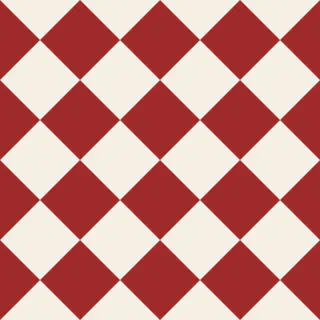
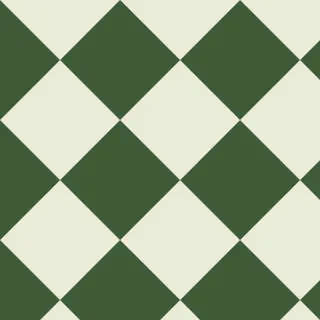
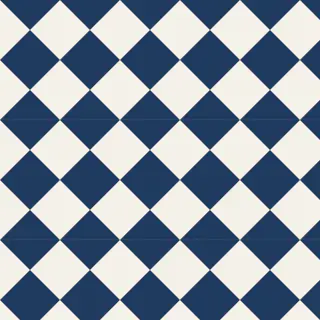
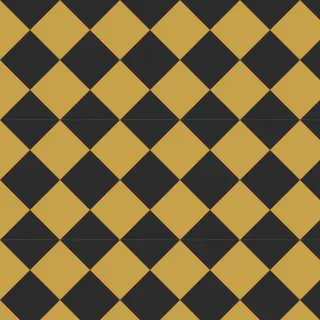
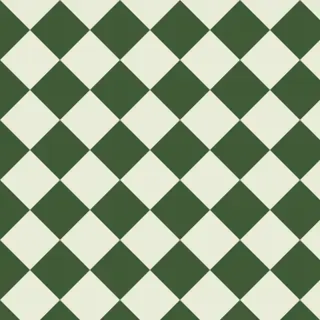
The Japanese checkerboard in two colors, set square or turned on the diagonal, from indigo and white to gold on charcoal.





















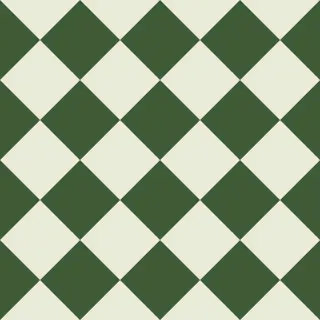

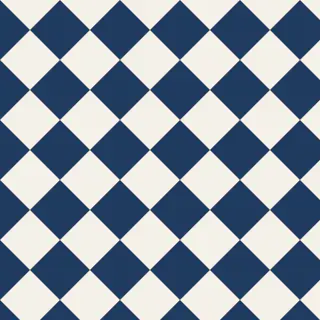
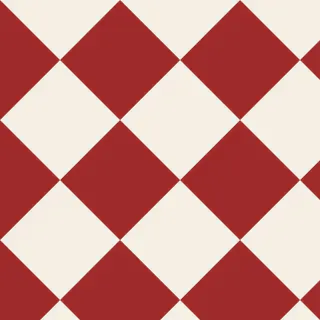




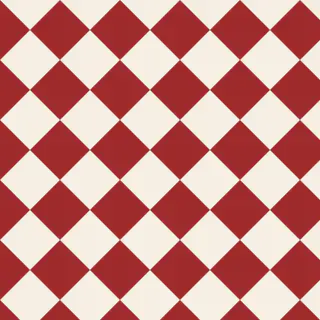

No patterns match this color.
The anatomy of the ichimatsu pattern
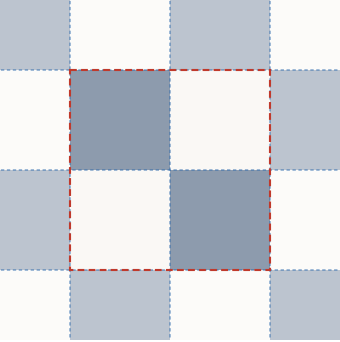
Ichimatsu follows one rule: the color changes at every step. Fill a grid of equal squares like a game board, so each dark square has light neighbors above, below and to both sides. Dark squares meet only at their corners and run in lines along the diagonals. A block of two squares by two holds the whole pattern. Turn the grid 45 degrees and the same rule gives the diamond check.
Ichimatsu is the Japanese name for the checkerboard, after an 18th-century kabuki actor whose checked costume set a fashion. For the names and dates, read the meaning and history of ichimatsu.
Which ichimatsu to pick
There is only one shape, so the choice is color, size and angle. Laid square, the check looks like a game board. Turned 45 degrees, it becomes a diamond check, which hides small misalignment better. Navy and white is the classic pair; red on cream, deep green on pale green, black on white and gold on charcoal each give another mood. A small check suits a lining or a pocket; large squares suit a bold wall or a cover.
How to use ichimatsu patterns
Next to busier Japanese patterns, ichimatsu is a resting point. Pair it with seigaiha or asanoha in the same colors when a project needs a second, quieter paper, for example the inside of a box or the back of a card. In a scrapbook layout it frames photos without fighting them.
Printing tips
When you wrap a gift, fold along a row of squares so the check lines up across the fold. For a quilt or a cut paper project, measure one printed square and you know the scale. Half the sheet is the dark color, so a black or navy check takes a lot of ink; pick a lighter pair when that matters.
Where the name comes from
Before the actor, the same squares were called ishidatami, “paving stones”. The pattern itself goes back to clay haniwa figures and to temple textiles of the 7th and 8th centuries.
Sources: 市松模様 (Ichimatsu pattern), Japanese Wikipedia; Sanogawa Ichimatsu (Wikipedia)