styles
Asanoha hemp leaf patterns
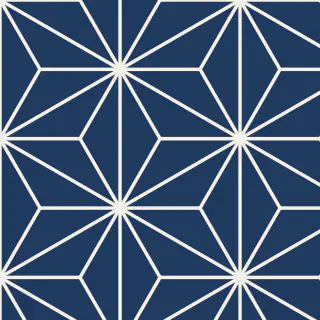
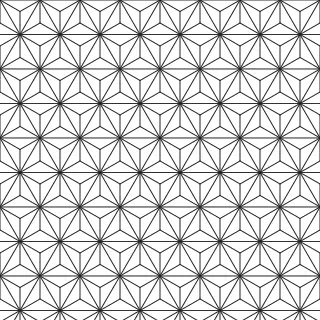
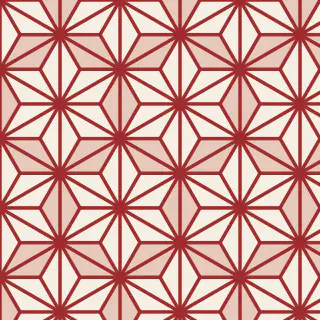
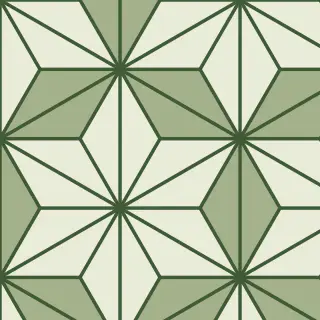
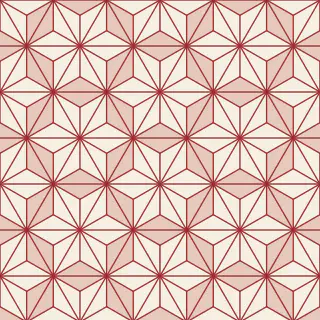
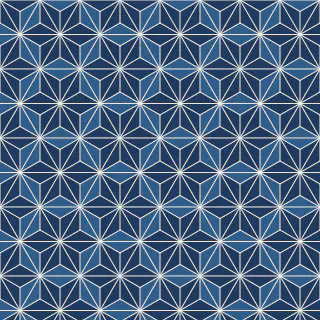
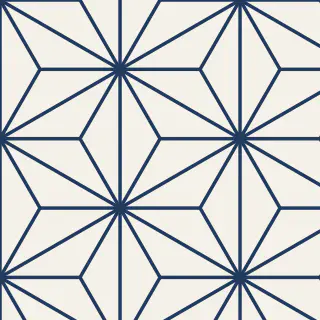
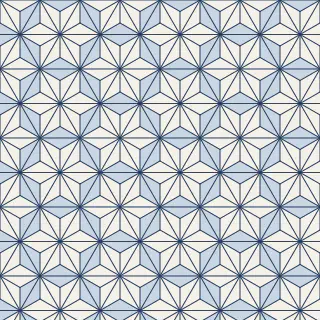
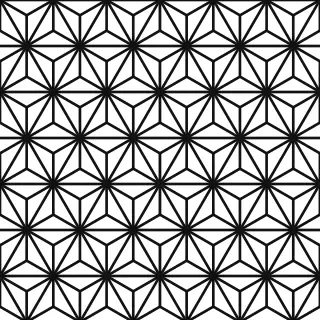
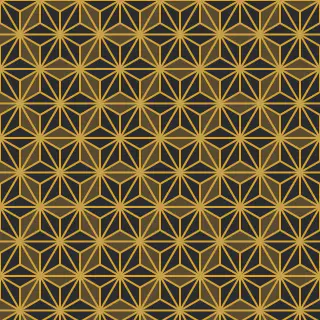
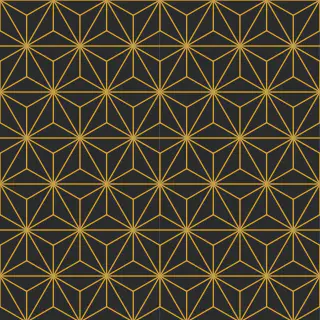
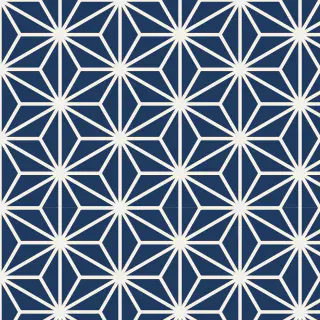
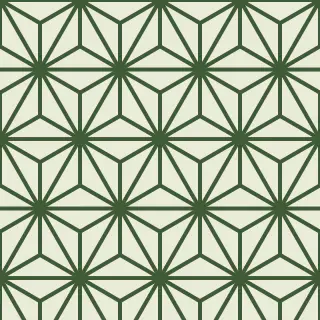
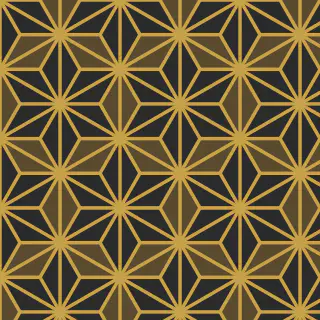
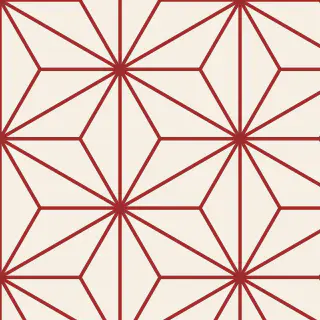
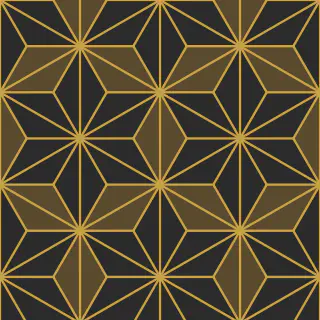
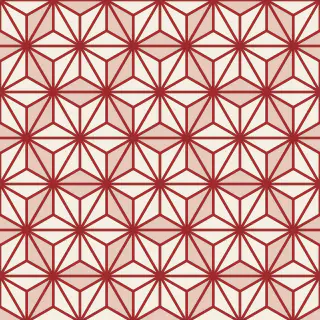
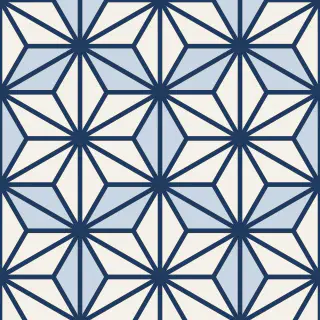
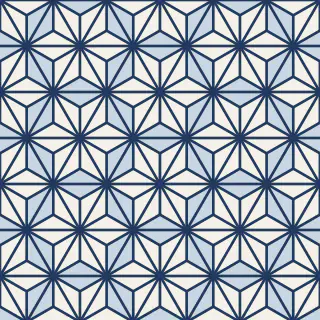
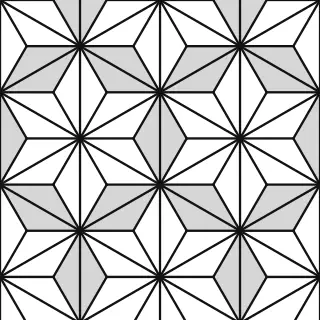
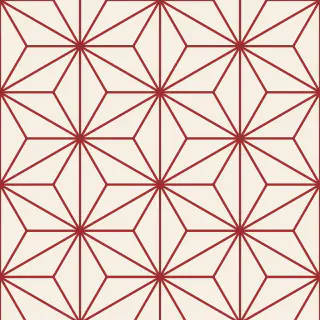
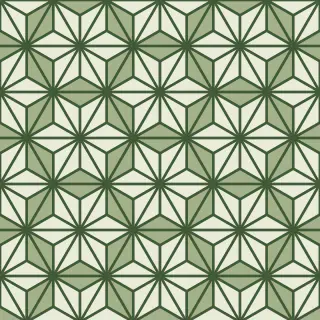
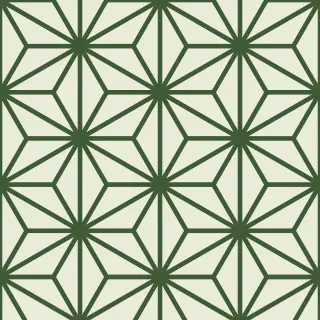
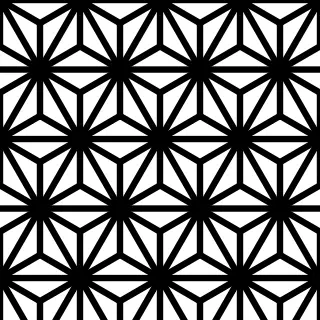
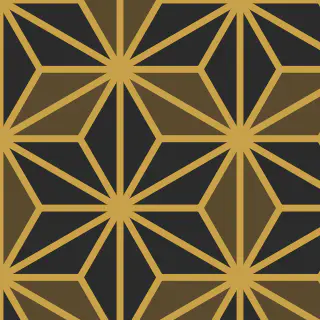
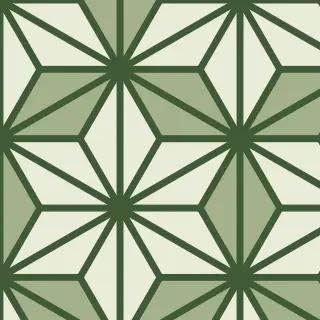
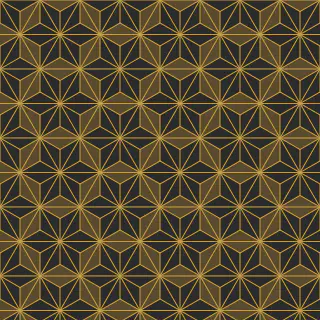
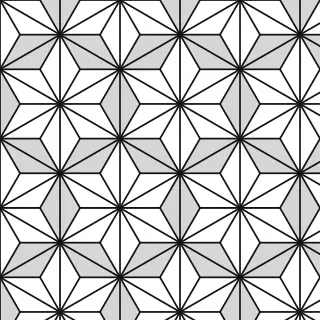
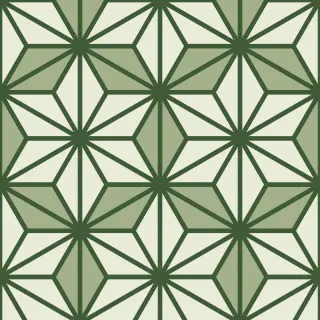
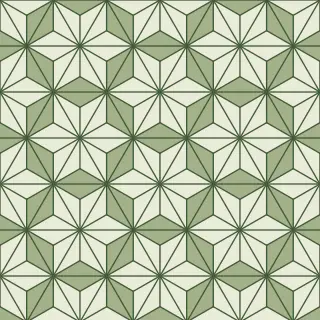
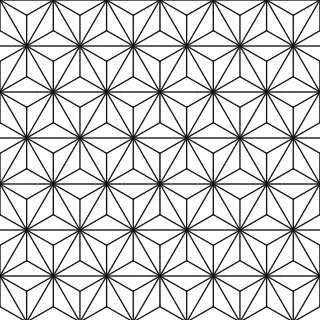
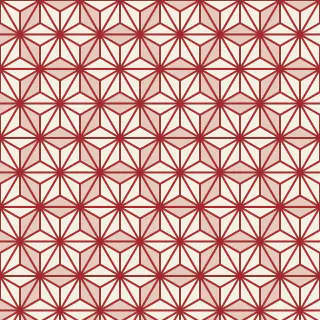
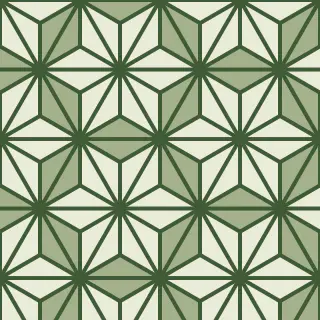
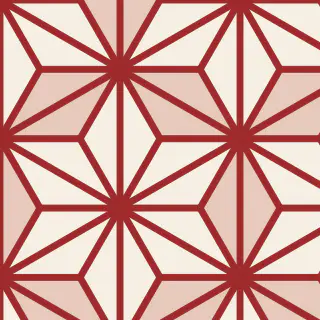
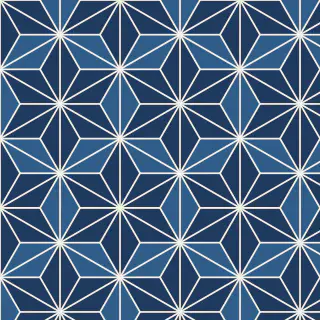
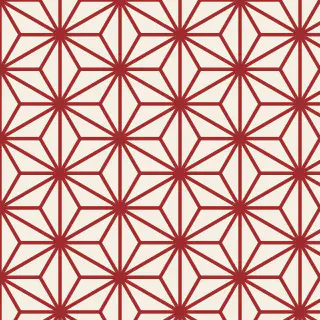
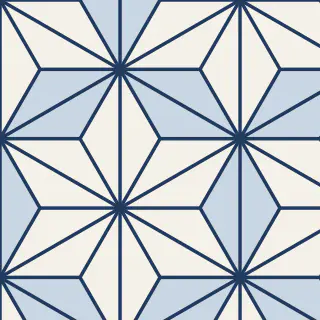
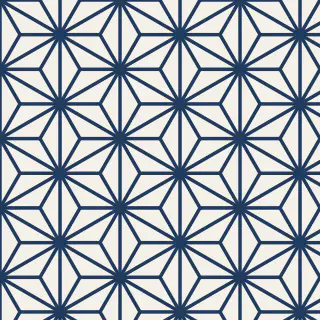
The hemp-leaf star drawn in fine lines on a triangle grid, with open leaves or leaves filled in a second color.
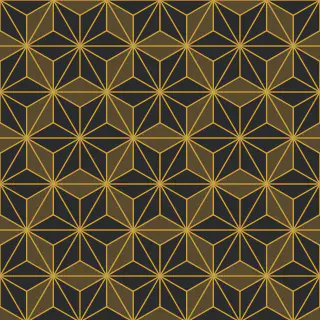
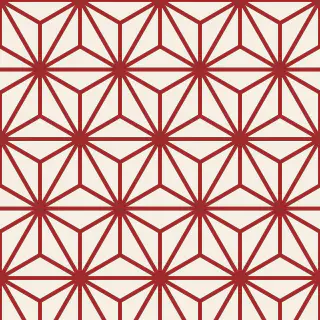
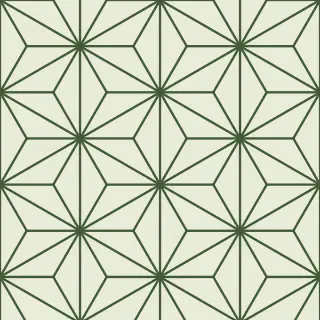
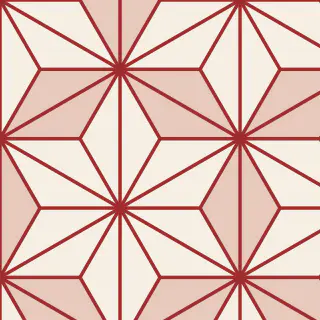
No patterns match this color.
The anatomy of the asanoha pattern
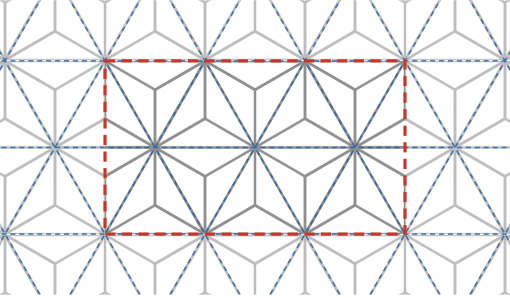
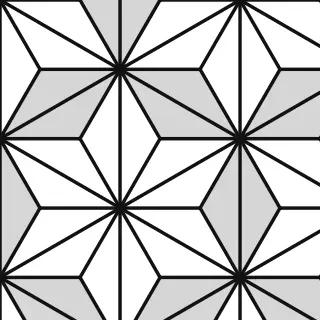
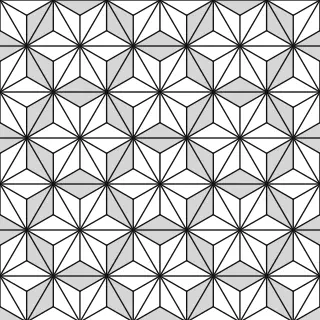
Look closely and asanoha is nothing but straight strokes. Each triangle of a hidden grid is cut into three slim pieces by lines from its middle to its corners. Pairs of those pieces make narrow diamonds, and six diamonds around one point make the hemp leaf. Neighbors share their diamonds, so a star seems to grow at every crossing; shade the ring around every third crossing and single stars stand out.
Asanoha, the hemp leaf, was put on babies’ clothes in the hope that the child would grow as straight as hemp. For the full story, read the meaning and history of asanoha.
Which asanoha to pick
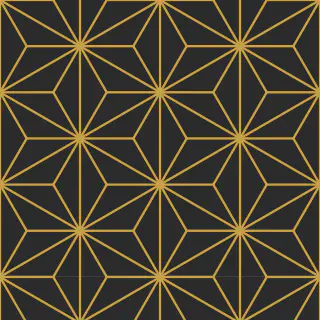
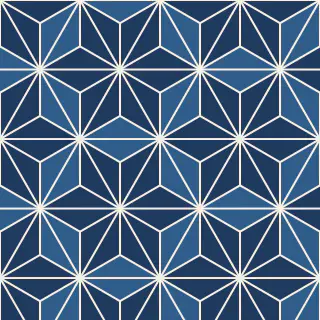
Pick the open version when the pattern sits behind words. Only the lines are drawn, so the ground shows through every diamond and the stars read as a lace of thin strokes. Pick the filled version for a stronger image: the leaves around each star take a second color, and the sheet turns into a mosaic of small diamonds with a clear star in each ring.
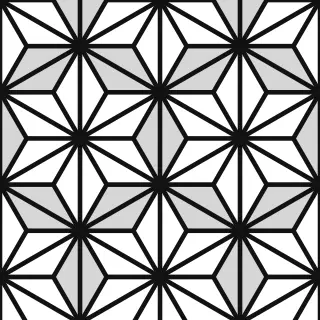
A thin line looks delicate up close and almost gray from across a room. A heavier line keeps the stars clear at a small size and on dark grounds such as indigo or charcoal. The line art versions are black on white, ready to color.
How to use asanoha patterns
The detailed but even texture suits scrapbook paper, notebook covers and the backs of cards. Every stroke is straight, so a coloring sheet works with a ruler and colored pencils, and children can fill single diamonds or whole stars. In one color it makes a quiet lining for a box or an envelope.
Printing and cutting
At the smallest size a thin line can fade to gray; step up one size for print. Filled patterns on a dark ground take a lot of ink. For a laser or vinyl cutter, start from the heavier line: the short strokes between stars hold the sheet together, and a hairline can tear once cut.
Where the name comes from
Japanese sources date the name to the early modern era and explain it by the likeness to a hemp leaf. The figure is older than its name: cut gold leaf in this shape decorated Buddhist statues in the Heian period.