styles
Windowpane patterns
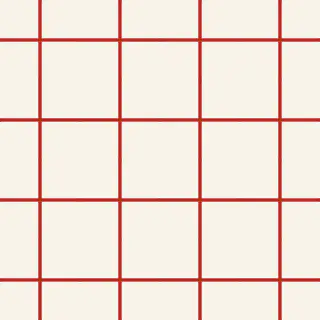
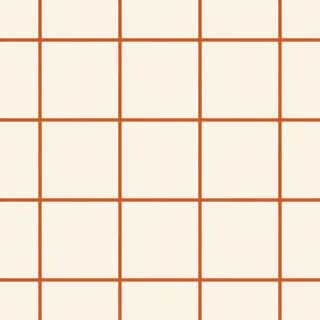
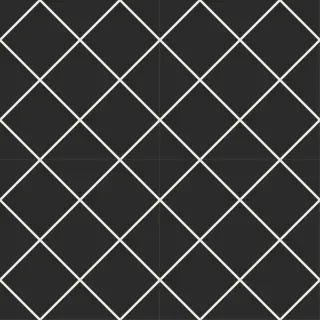
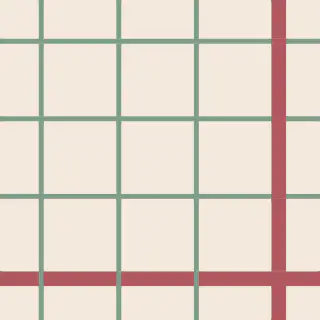
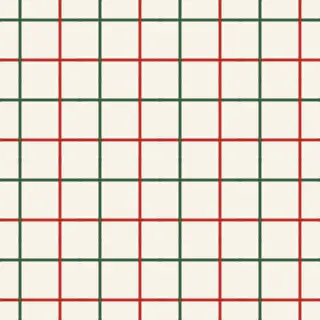
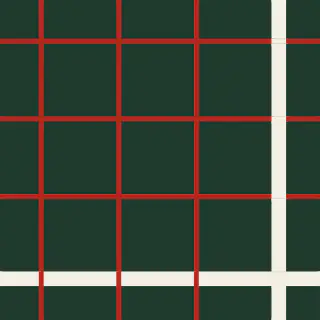
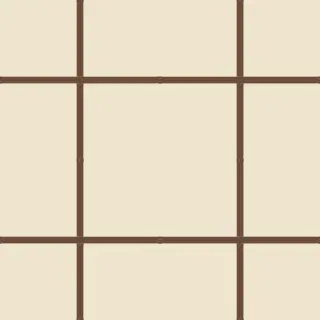
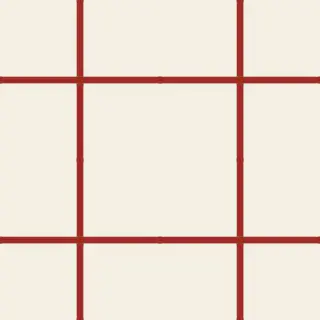
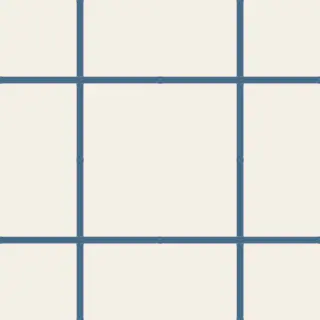
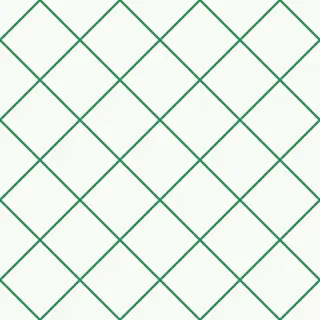
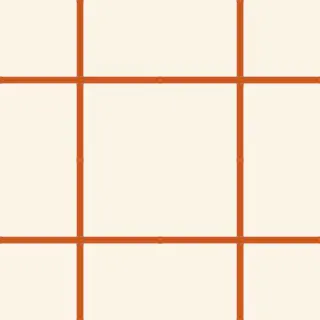
A windowpane check divides a plain ground into large open squares with narrow lines, like the panes of a window.
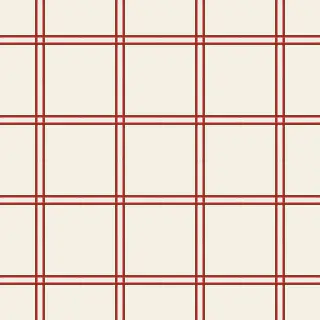
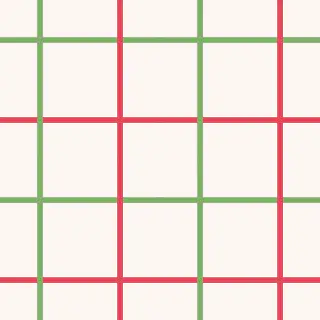
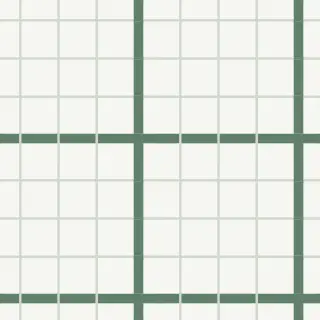
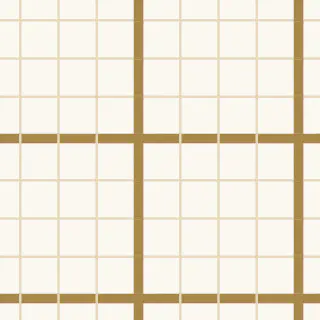
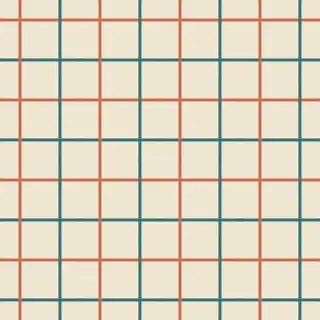
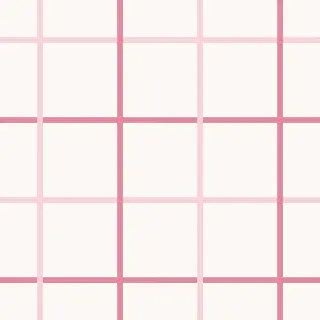
No patterns match this color.
In cloth, a windowpane check is made by crossing narrow warp and weft stripes over a solid ground, so the ground is sectioned into small windows. These patterns lay the lines flat in both directions, with the vertical line laid over the horizontal one where they cross. Most of each tile is ground, which keeps this the lightest pattern among the checks.
Which windowpane check to pick
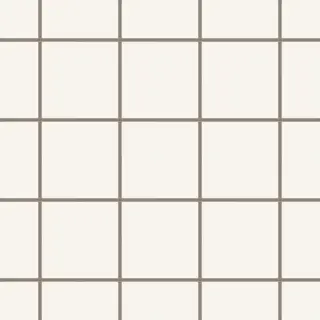
- Windowpane: a single line each way.
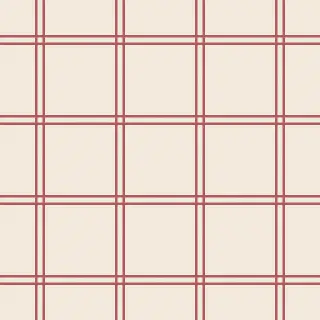
- Double line: two thin lines close together, then a wide gap.
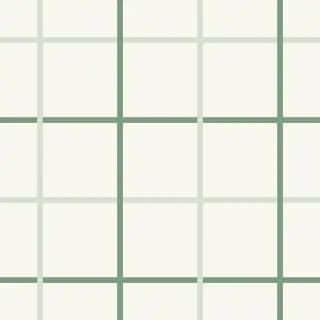
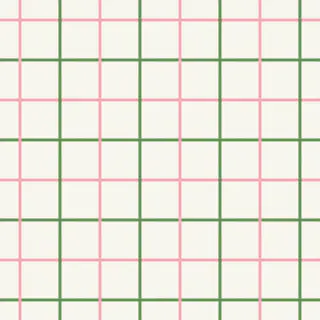
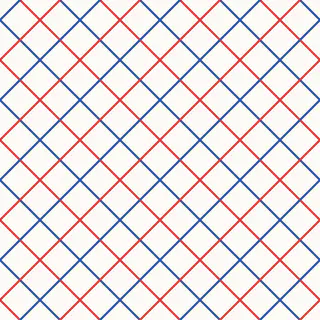
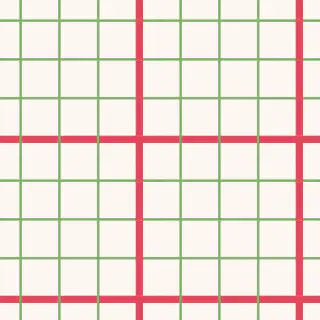
- Tattersall: two line colors that alternate, so the grid reads as overlapping squares.
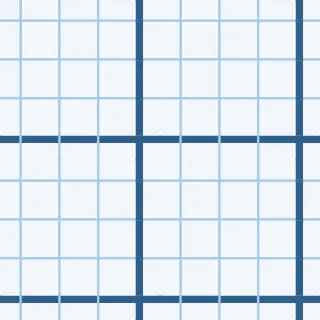
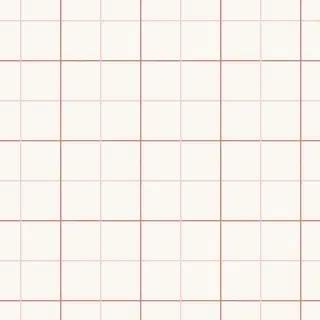
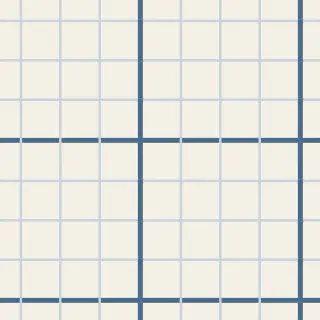
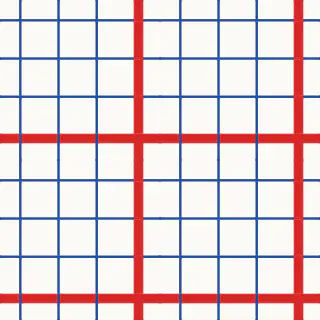
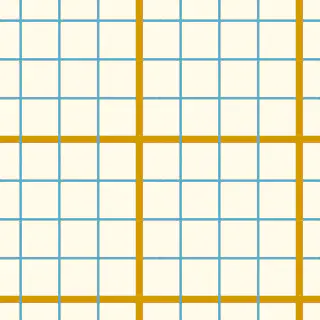
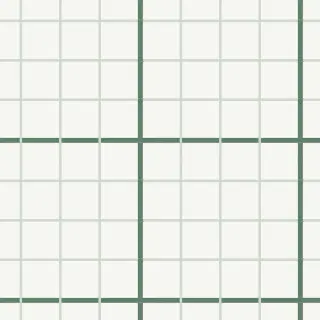
- Graph paper: fine lines with a heavier one every fourth square, like a sheet of engineering paper.
Lines run from a hairline to a bold rule.
Printing and using windowpane checks
Windowpane is a good choice for journal pages, planner inserts and writing paper, since the open squares leave room for text. The graph paper check on a Letter or A4 sheet at 300 dpi makes a usable grid for sketching and lettering practice. Very thin lines may print faint or broken on some home inkjets; one step up in line weight helps.
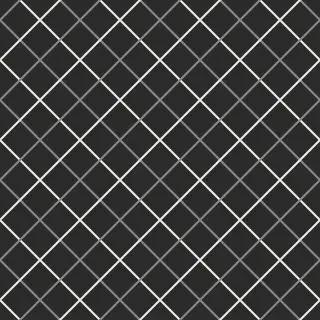
On a dark ground with light lines, the sheet takes much more ink; a light ground with colored lines is cheaper to print. For cutting machines and laser cutting, avoid the thinnest lines: long hairlines are fragile once cut. As a stitching guide, the squares of the graph paper check can map to blocks of stitches on 14, 16 or 18-count Aida.
Windowpane sits well under busier prints, and works as a matching paper for gingham or plaid in the same color.
Sources: Check (pattern) (Wikipedia)