styles
Wavy line patterns
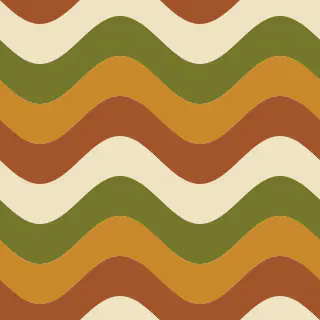
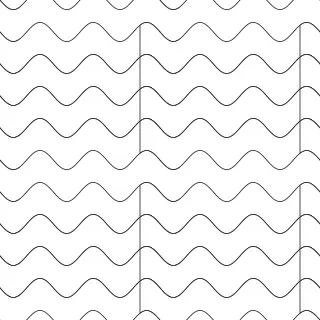
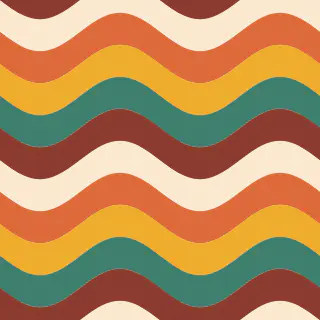
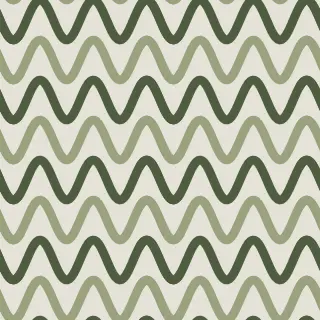
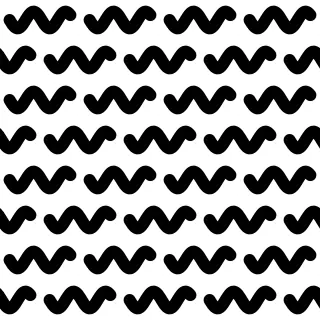
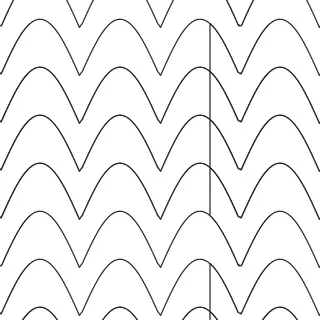
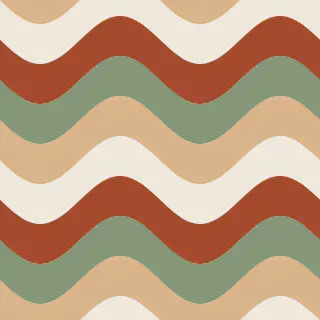
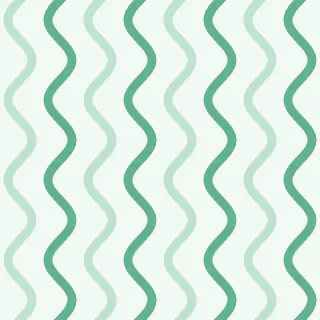
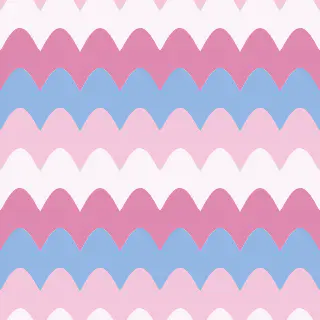
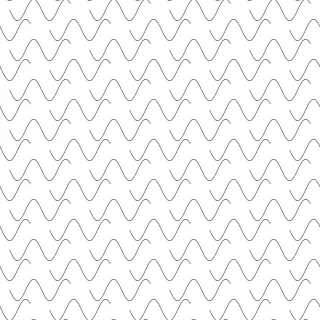
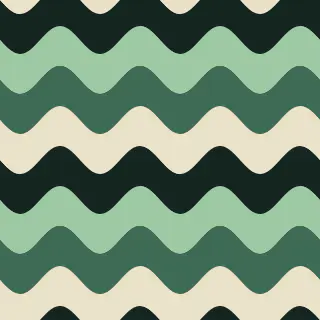
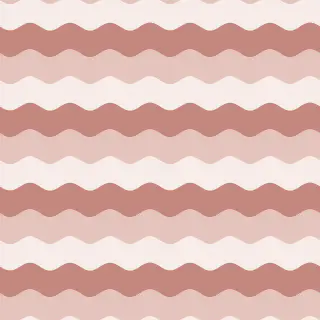
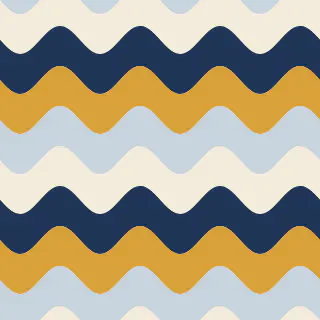
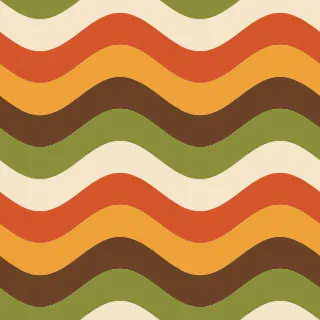
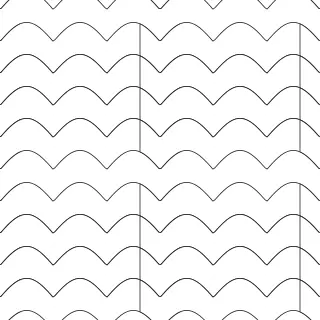
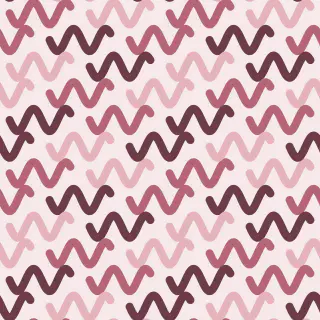
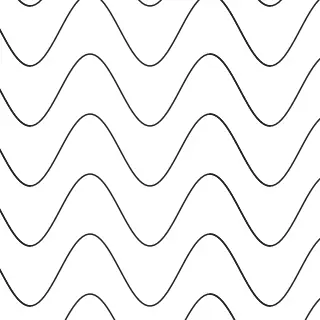
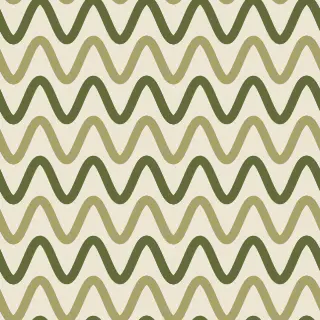
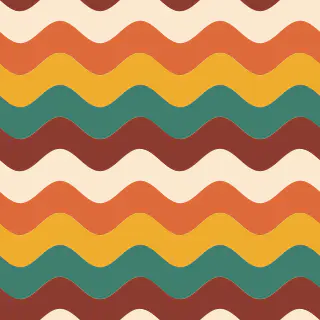
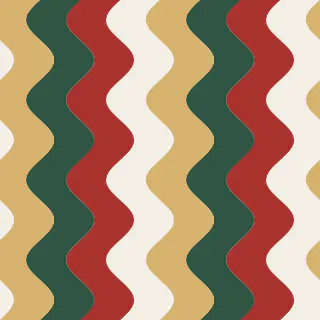
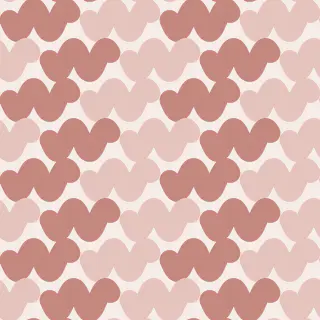
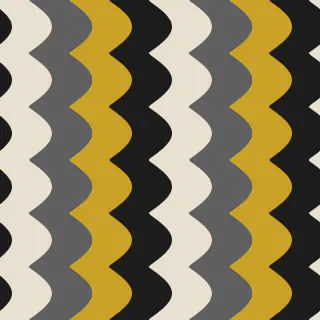
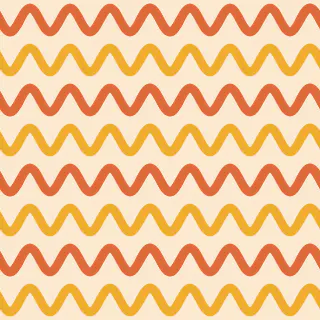
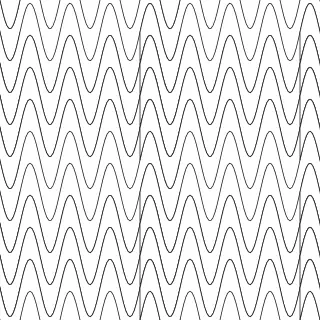
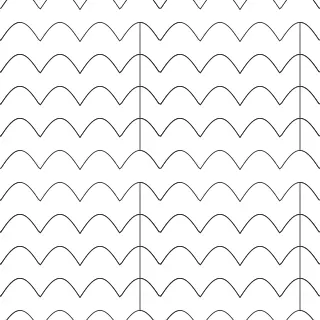
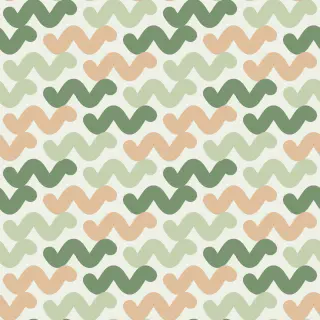
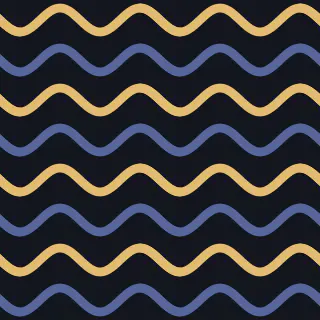
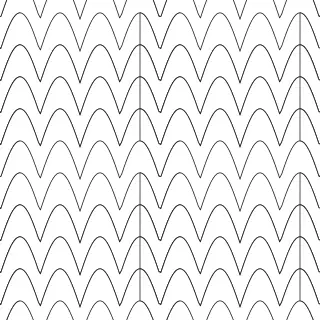
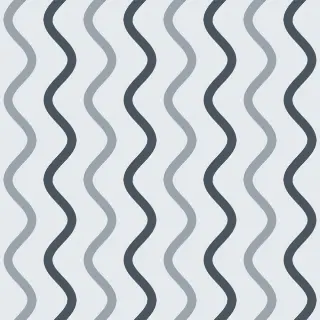
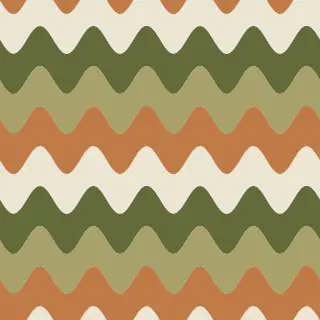
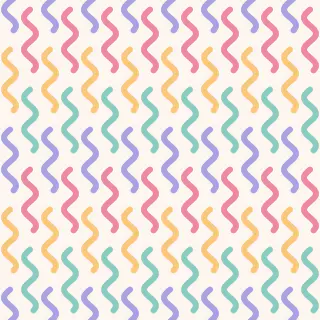
Rows of smooth curves, as filled bands, rounded hills, single lines or short squiggles.
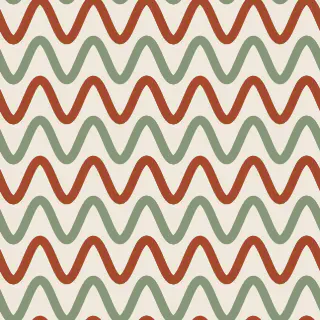
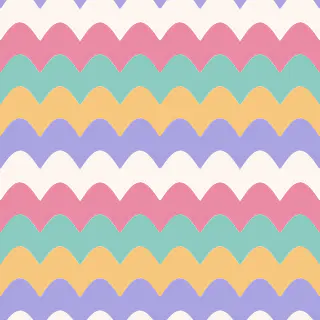
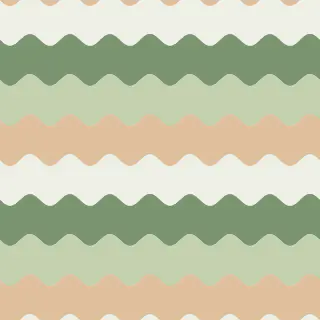
No patterns match this color.
Wave patterns are rows of sine curves stacked down the tile. A whole number of waves fits across one tile, so the curves meet themselves at the edges with no jump.
Which wave pattern to pick
There are four kinds.
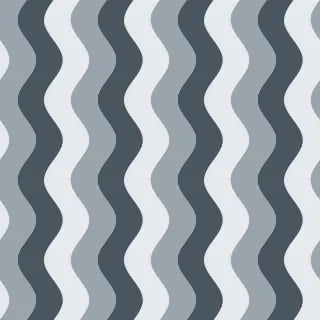
- Wave bands: the strips between curves are filled, and the colors take turns, with the ground counting as one of them. It reads as a soft striped fabric.
- Hills: the curve is folded so every wave is a rounded hump, like rolling hills or a row of tents.
- Wave lines: each curve is drawn as a thick stroke on a plain ground.
- Squiggles: short wavy dashes set in brick rows, lighter and more playful.
One wave across a tile gives a slow roll; four give a tight ripple. Low waves are close to straight stripes. Wave lines and squiggles come thin or bold. More colors mean more rows in a tile.
How to use wave patterns
Waves have a clear direction, so think about which way they run. Horizontal bands suit a long gift wrap roll or a card back; turned upright they make a tall phone wallpaper with a calm, even rhythm behind the icons. For a video-call background, choose wave lines in two close tones and a low height, so the movement does not distract. Wave bands use solid fills over the whole sheet, so on a home inkjet pale colors save ink. Pair waves with a plain stripe or a dot pattern on the same page.