styles
Voronoi cell patterns
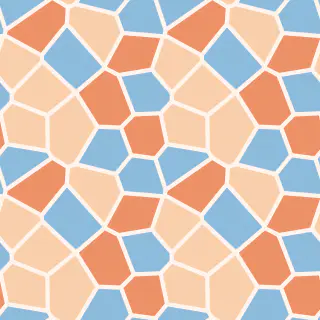
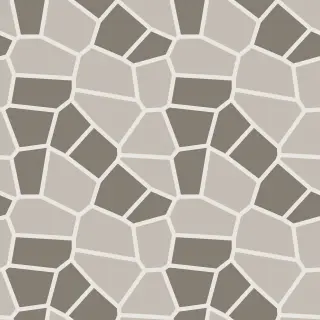
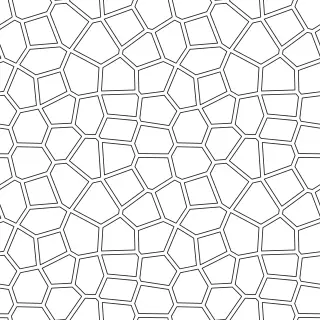
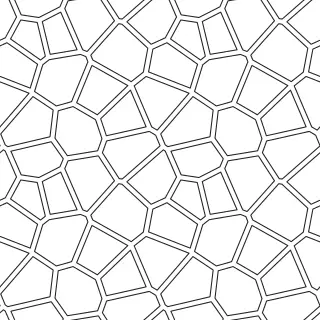
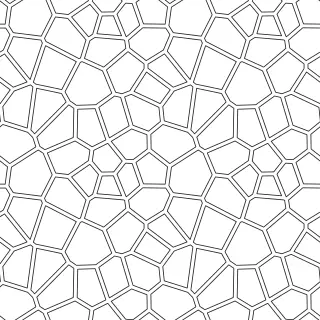
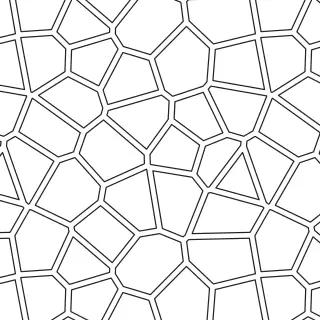
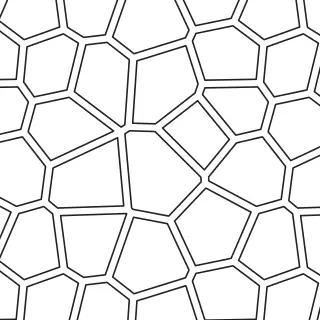
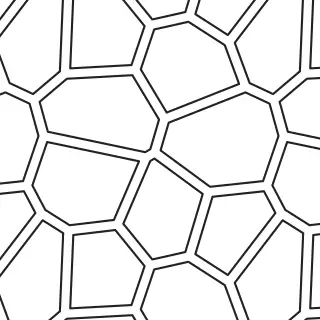
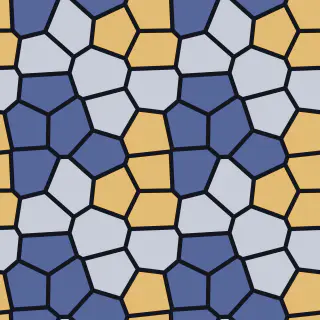
Scatter some points, give each one the area closer to it than to any other point, and you get Voronoi cells.
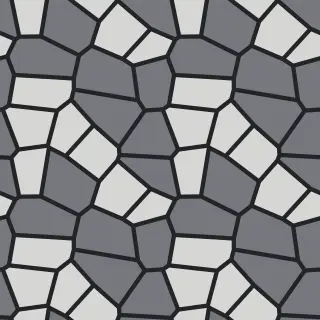
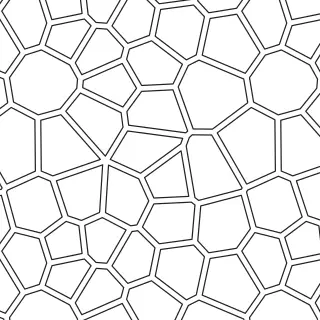
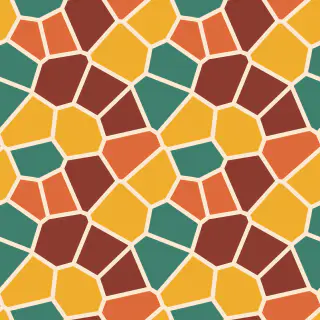
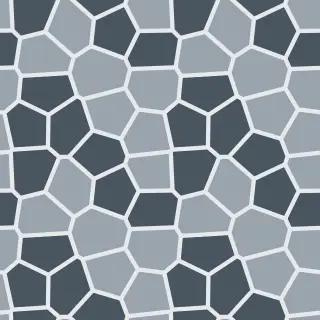
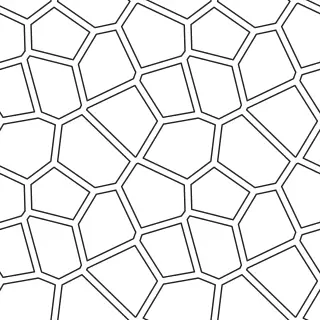
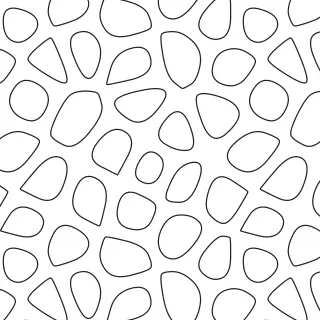
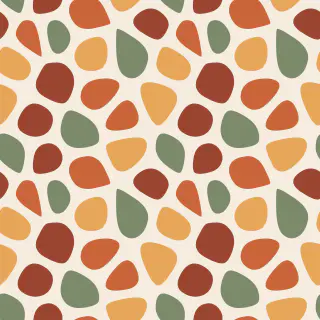
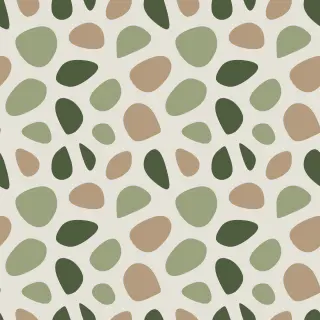
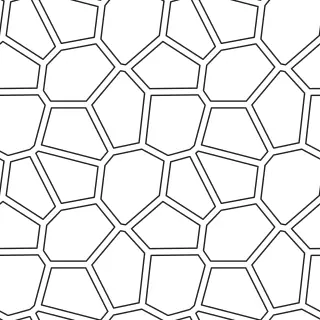
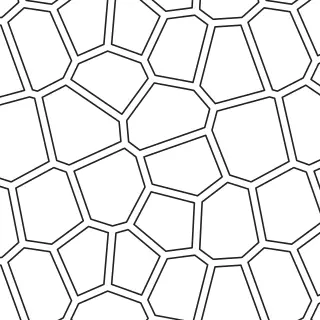
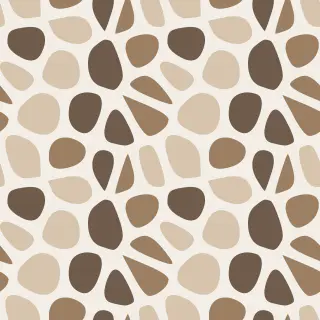
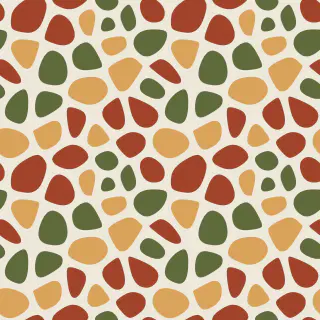
No patterns match this color.
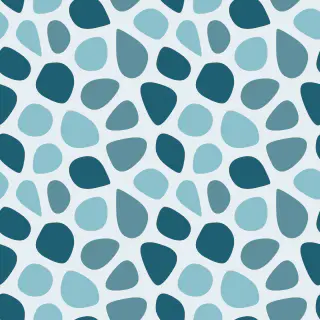
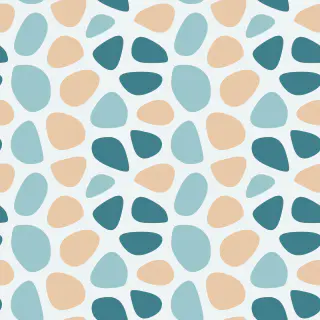
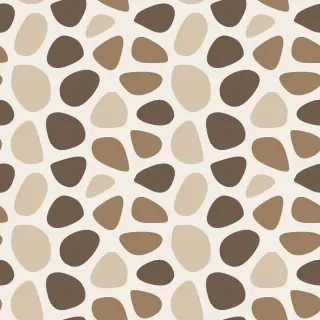
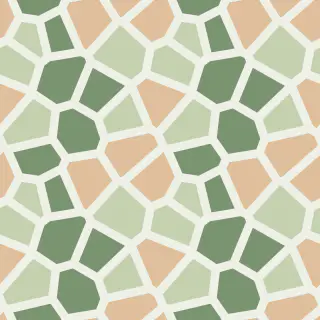
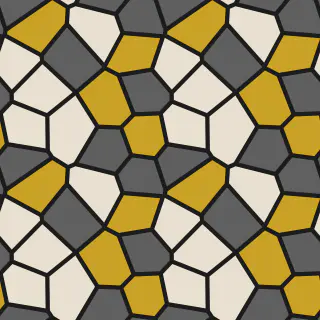
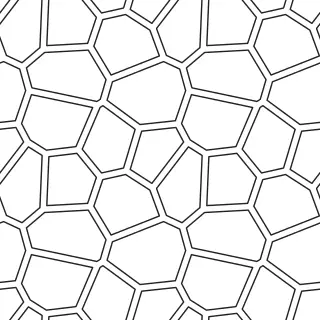
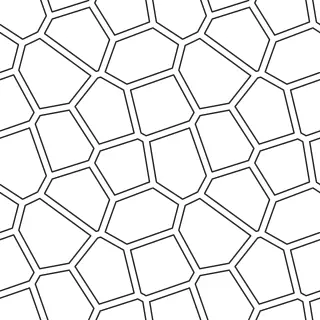
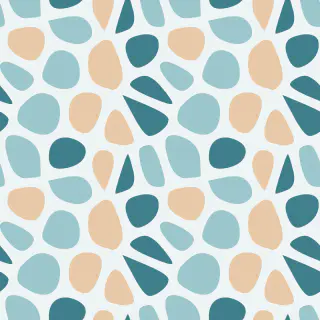
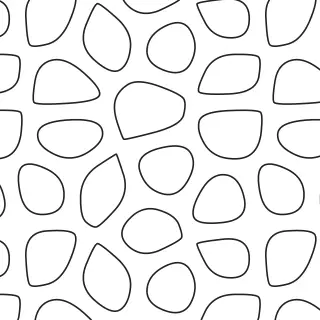
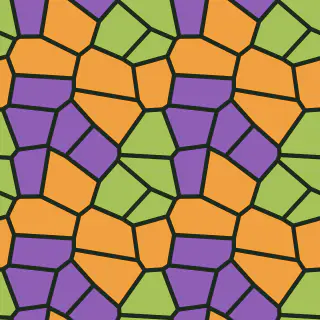
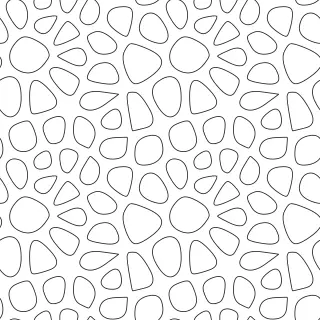
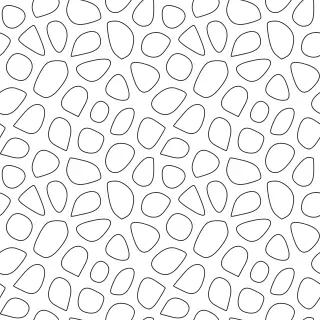
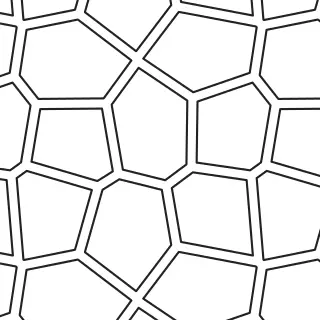
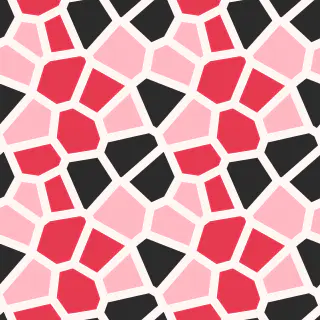
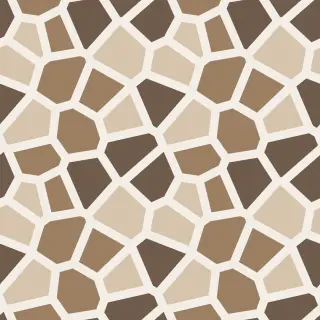
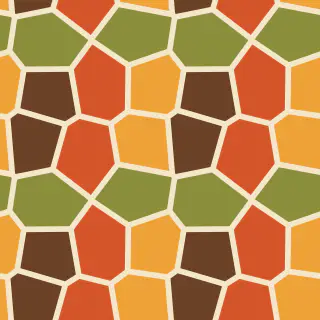
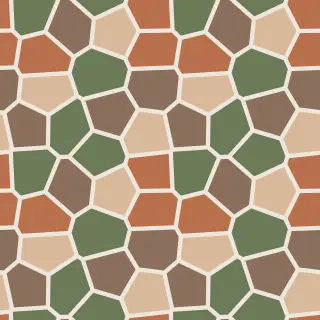
A Voronoi pattern divides a surface into cells around a set of points. Every spot on the tile belongs to the nearest point, so the borders fall exactly halfway between neighbors. In these patterns the points fall at random, the cells wrap around the tile edges so the repeat is seamless, and the ground color shows between them like grout.
Which Voronoi pattern to pick
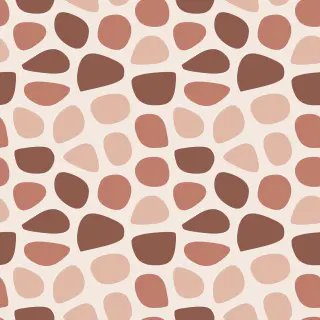
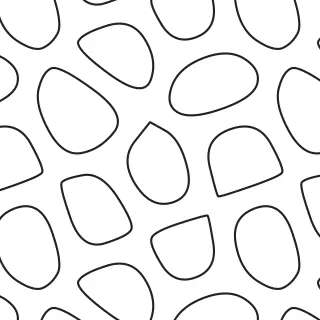
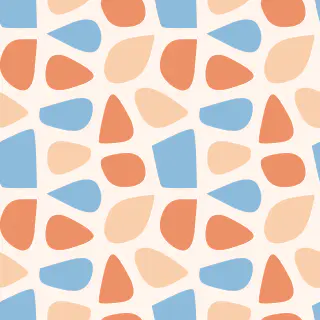
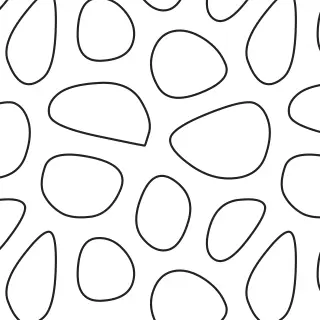
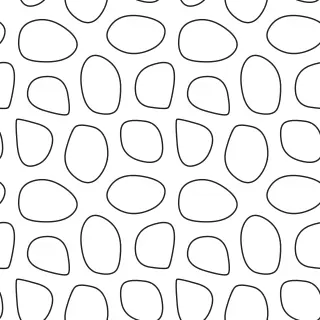
Cells can be few and large or many and small, with thin or wide grout lines. Uneven cells vary wildly in size; even cells are close to honeycomb shapes, made by moving each point toward the center of its cell, a step known as Lloyd’s algorithm. Pebbles round the corners of every cell, which turns the cracked-tile look into a path of stepping stones.
How to use Voronoi patterns
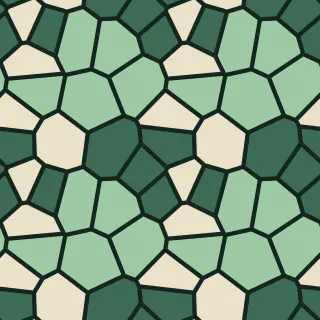
With a narrow gap and earthy colors the cells read as dry ground or stone paving; with a wide gap and bright colors they look like stained glass. For printing on a home inkjet, a light ground in the gaps keeps ink use down. For a cut file, keep the gap wide so the bridges between cells do not tear.
Where does the name Voronoi come from?
The diagram is named after Georgy Voronoy, who studied the general case in 1908. Earlier uses go back to Descartes in 1644, and Dirichlet used the idea in 1850, which is why it is also called a Dirichlet tessellation. In 1854 the physician John Snow used a Voronoi-like map to show that most victims of the Broad Street cholera outbreak lived nearer one water pump than any other.
Sources: Voronoi diagram (Wikipedia)