styles
Truchet tile patterns
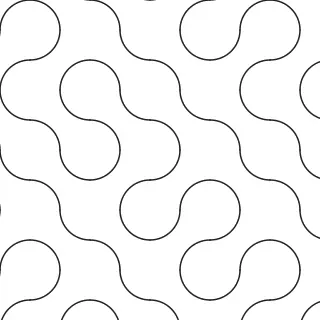
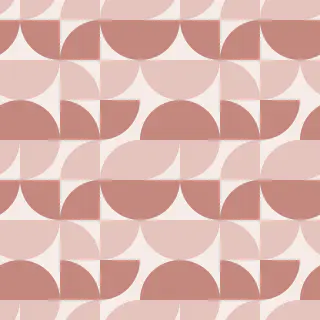
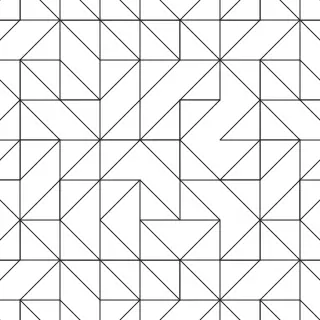
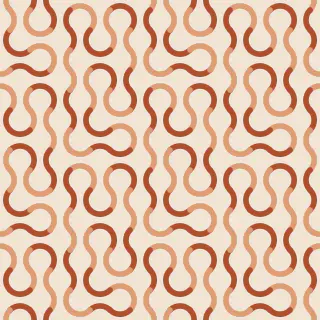
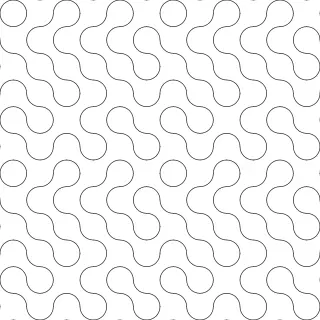
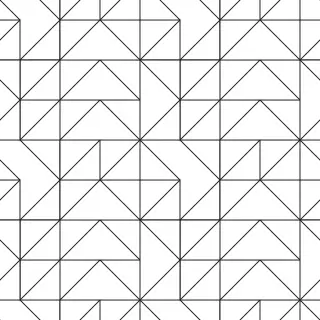
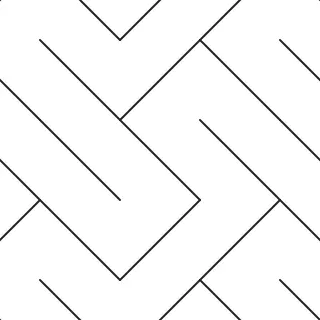
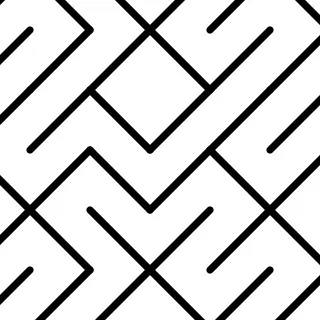
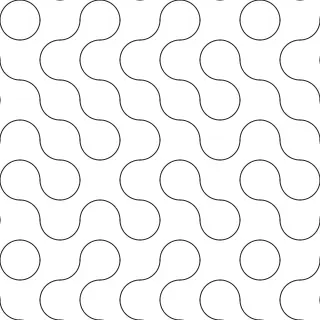
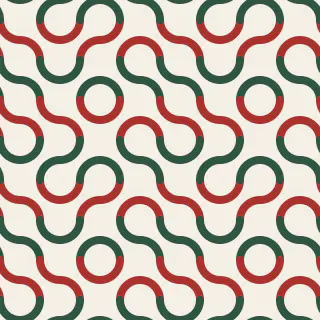
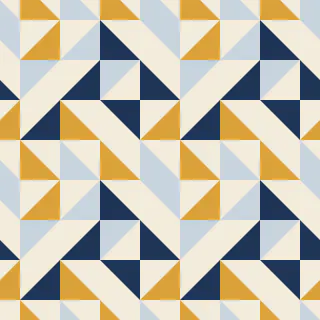
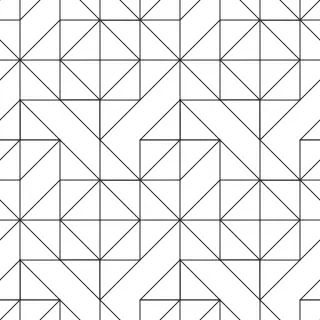
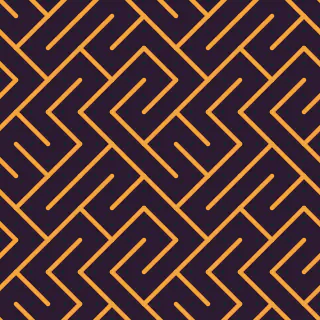
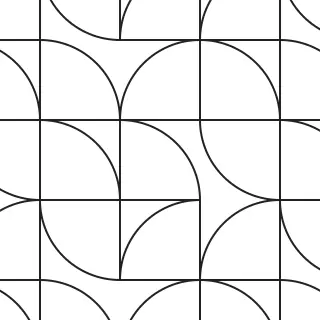
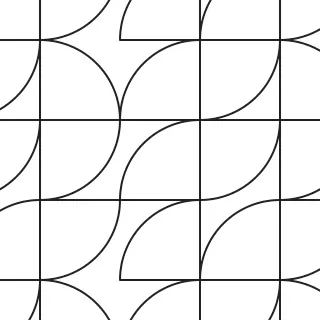
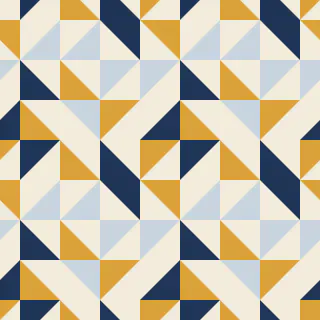
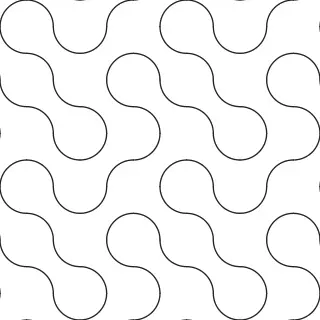
One square tile, turned four ways and laid on a grid. The turns are random, yet the lines always meet at the edges.
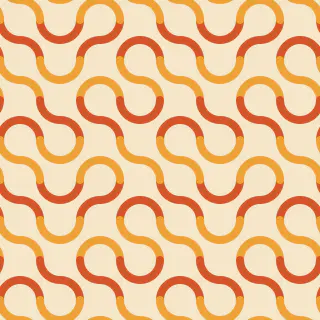
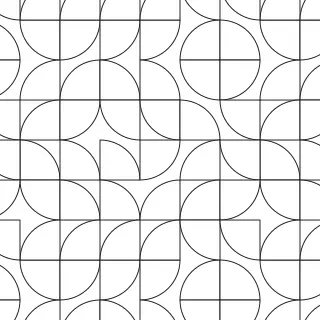
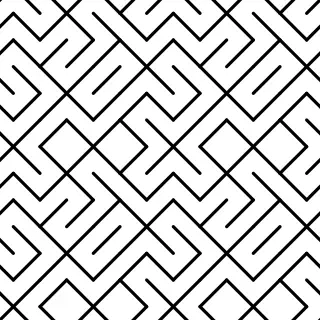
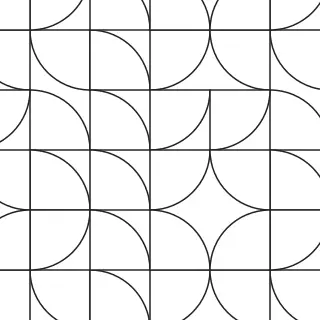
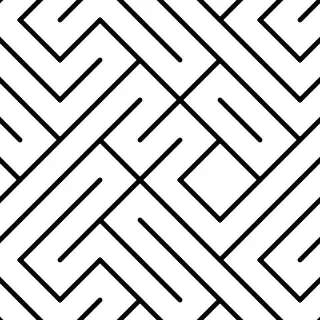
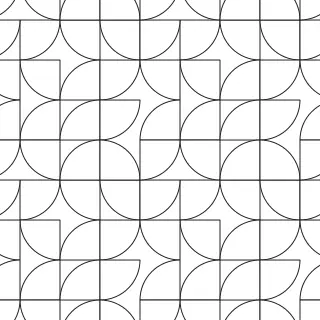
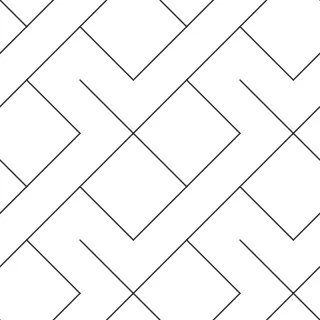
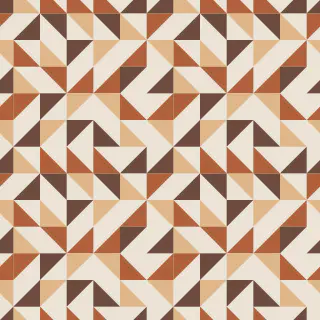
No patterns match this color.
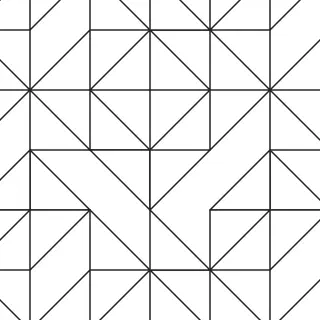
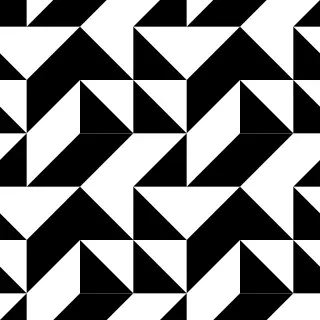
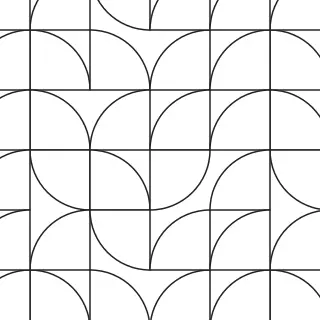
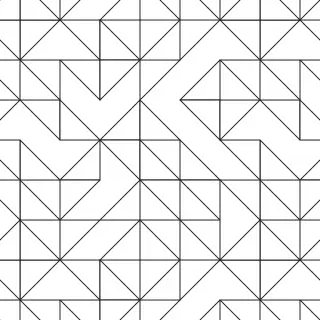
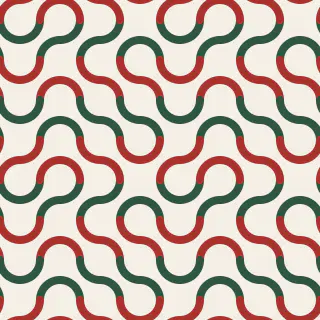
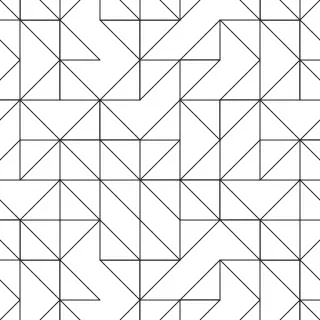
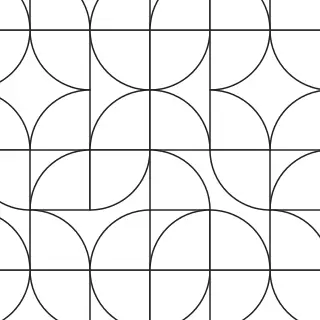
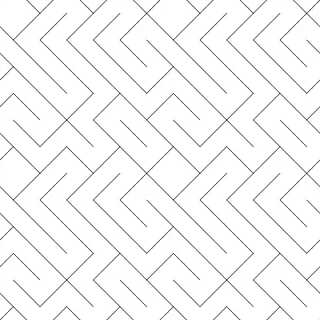
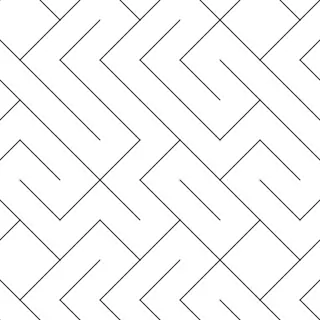
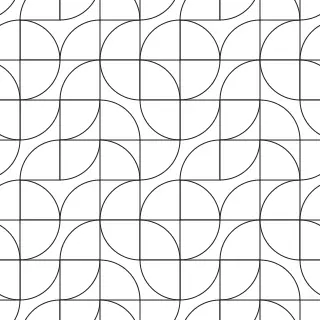
A Truchet pattern starts from a single square cell. Each cell on the grid gets one of its possible turns, picked at random, and because every design meets the cell edges at the same points, the marks flow from one square into the next. The result looks planned but has no repeat you can spot by eye inside the tile.
Which Truchet tile to pick
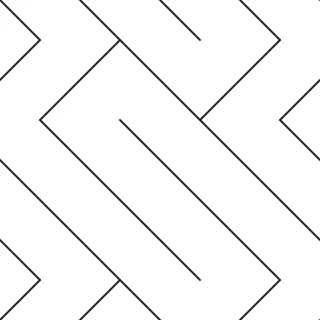
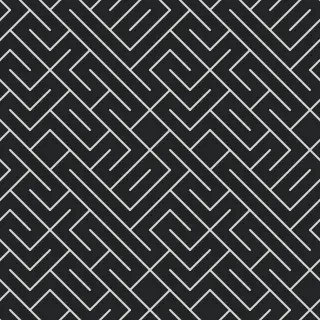
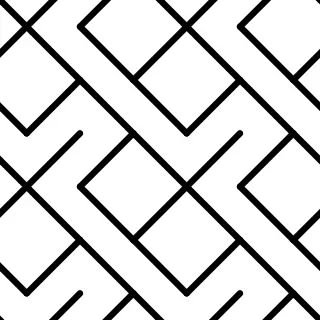
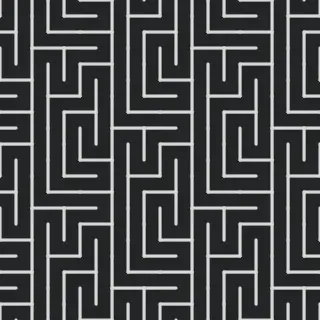
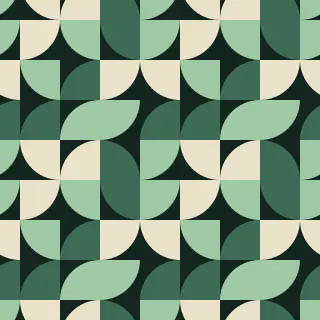
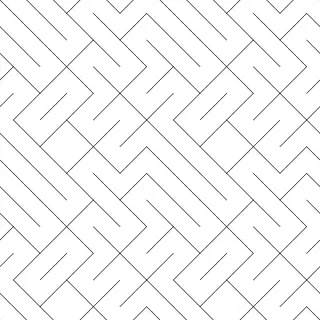
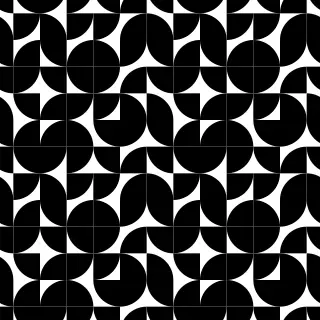
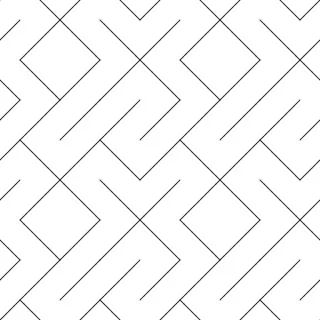
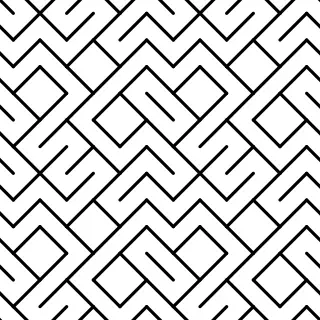
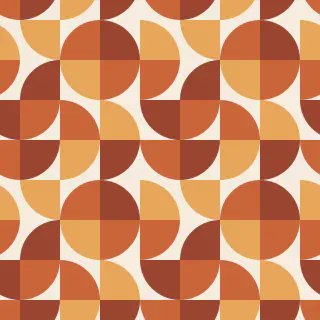
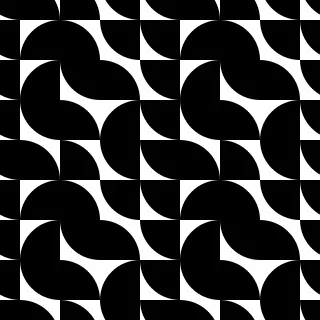
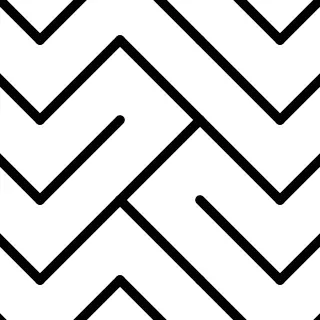
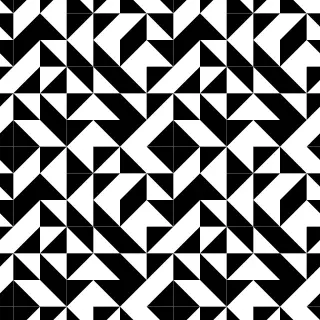
There are four kinds. Quarter arcs link the midpoints of neighboring sides, so the curves run into long loops and snakes. The diagonal maze puts one line corner to corner in each cell. Triangles fill half of each square in a color. Quarter discs fill one corner with a fat quarter circle, which reads as a bold, mid-century style print.
How to use Truchet patterns
Few squares across a tile give big, graphic curves; many give a fine maze. The arcs and the maze are line art, so a thicker line holds up better when printed small or cut on a Cricut. Turned 45 degrees, the maze becomes a square, diamond-like maze.
Where does the name Truchet come from?
The tiles are named after Sébastien Truchet, who described them in a 1704 memoir, “Mémoire sur les combinaisons”. The tiles he studied were split along the diagonal into two triangles of contrasting colors, the same idea as the triangle tiles. The quarter-circle version was popularized by Cyril Stanley Smith in 1987. The diagonal maze is the one made famous by a single line of Commodore 64 BASIC, often called “10 PRINT”.
Sources: Truchet tiles (Wikipedia)