styles
Triangle patterns
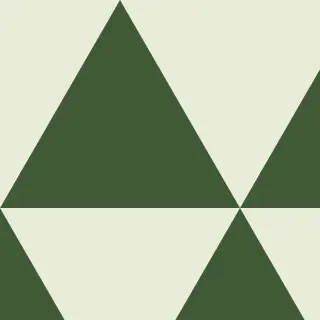
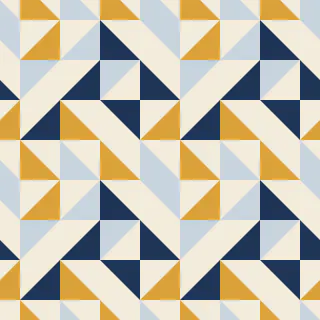
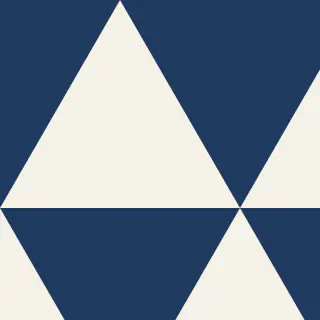
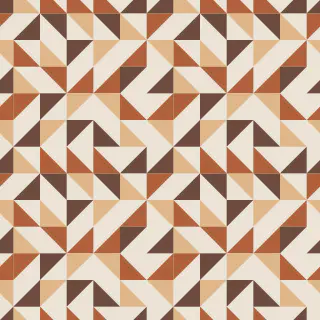
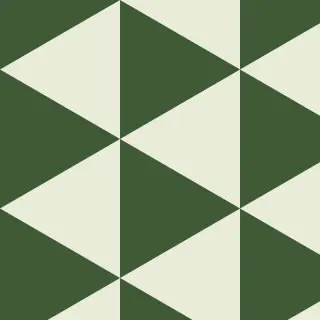
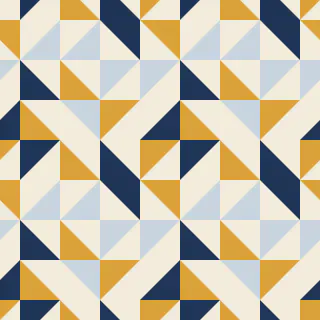
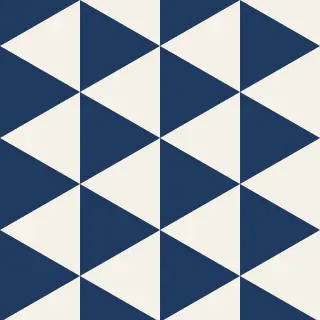
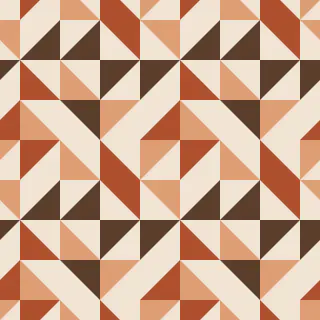
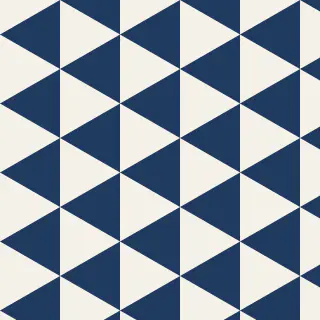
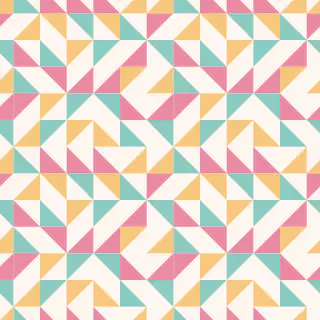
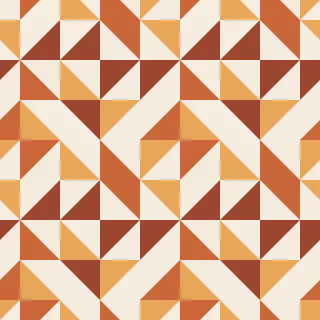
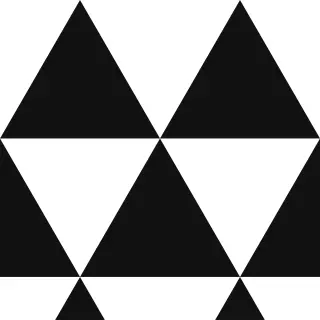
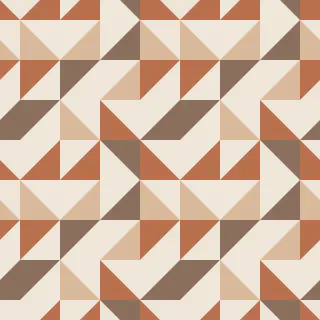
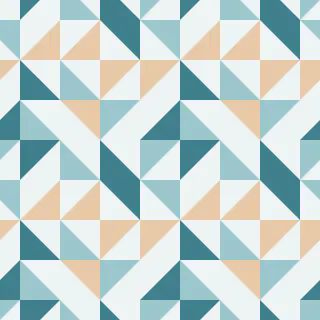
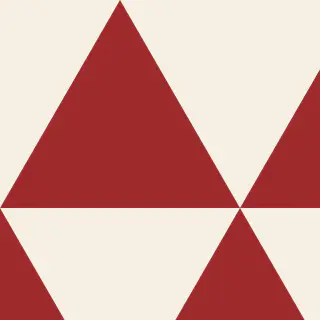
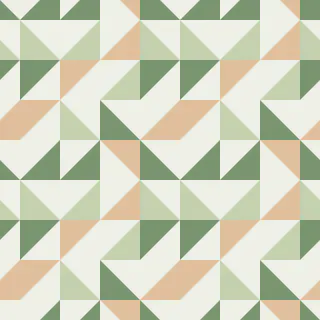
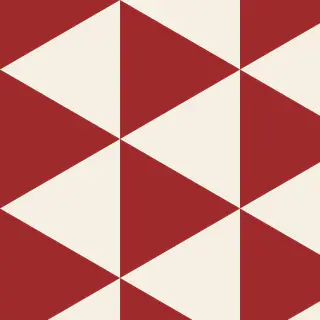
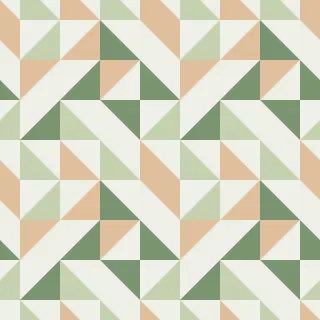
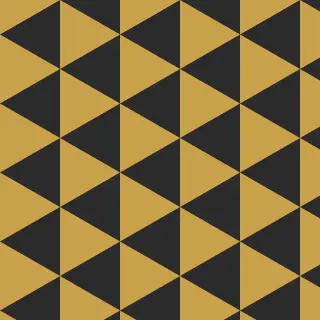
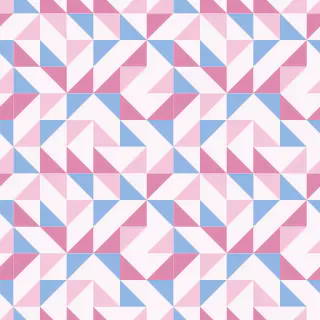
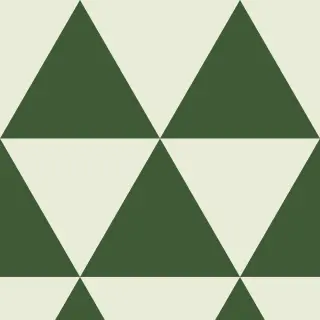
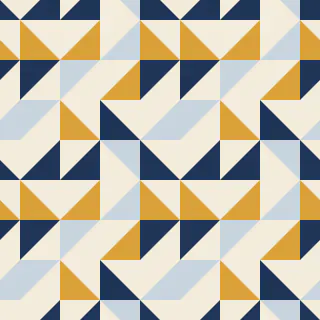
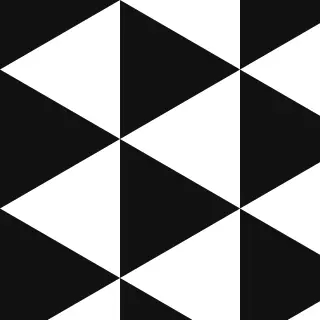
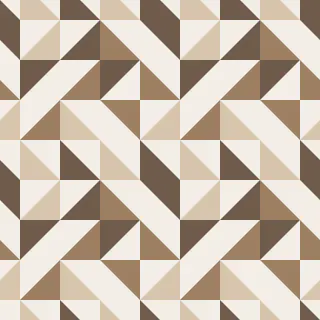
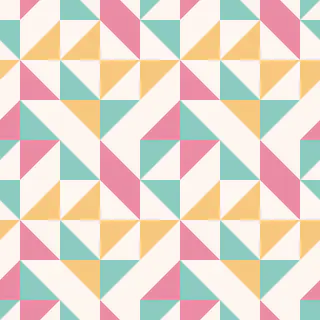
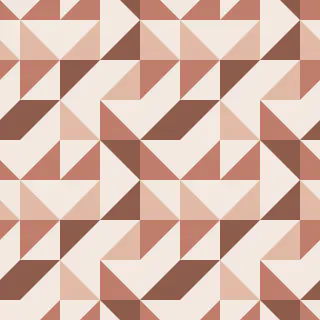
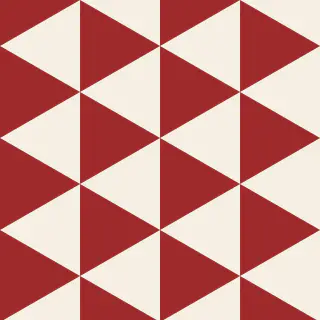
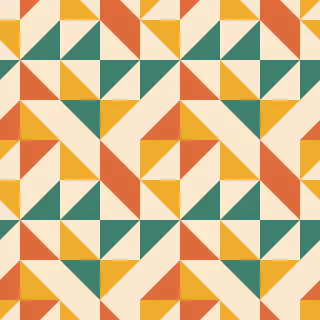
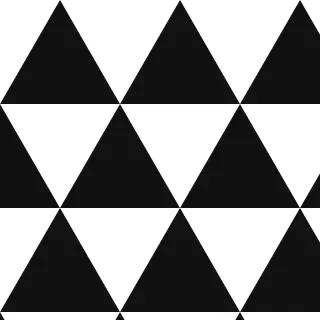
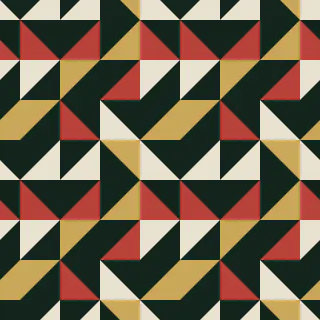
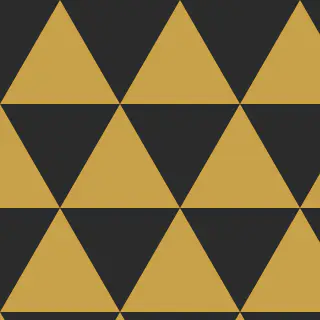
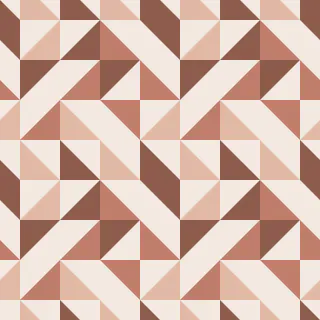
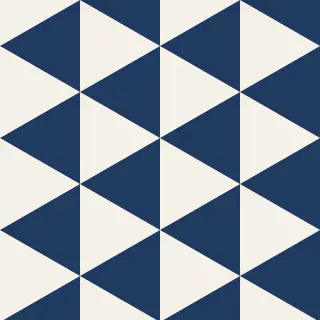
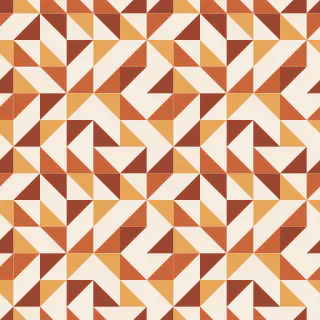
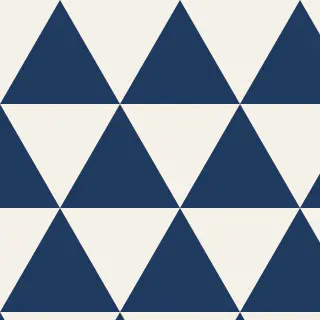
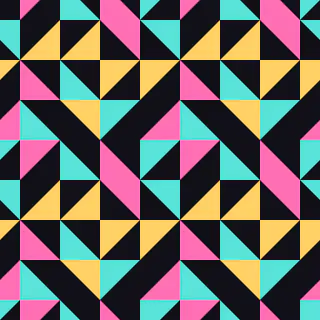
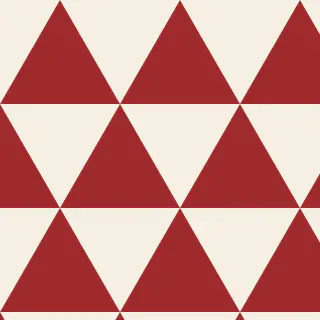
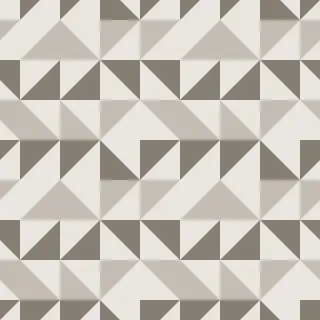
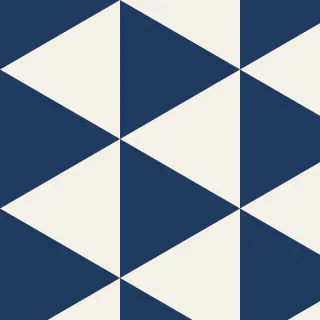
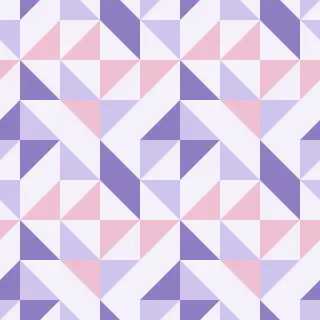
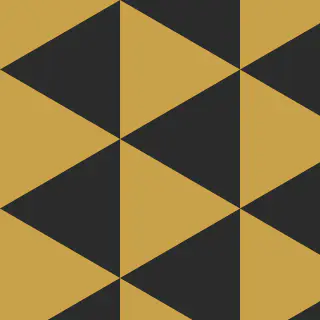
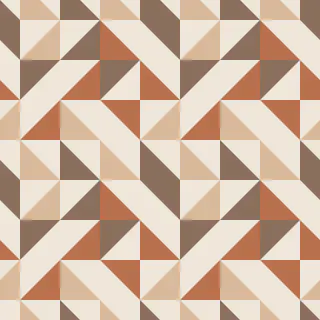
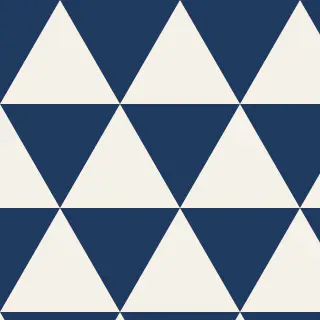
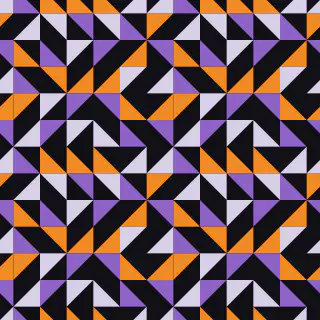
Two ways to fill a surface with triangles: in strict alternating rows, or one per square, turned at random.



No patterns match this color.
Triangles tile a flat surface with no gaps, which makes them one of the simplest shapes to repeat. Triangle patterns come in two kinds that use them in opposite ways.
Uroko: ordered rows
Uroko is a Japanese pattern of rows of triangles where every other triangle is filled. The rows are offset by half a triangle, so the filled shapes stack into a pyramid lattice. It uses two colors only and has no layout to vary, so it is crisp and predictable. See uroko patterns for more.
Truchet triangles: random squares
Here the grid is square, and each cell is cut on the diagonal with one half filled. Every cell is turned at random, so the triangles join into larger zigzags, diamonds and arrows in some places and break apart in others. They take up to four colors, in small or large triangles. See Truchet tiles for the other shapes.
Which triangle pattern to pick
Pick uroko when you want a regular, even texture: book covers, gift wrap, a border band. Pick the Truchet triangles when you want something lively and less formal, such as a phone wallpaper or a notebook cover.
Printing and cutting triangle patterns
Triangle points are sharp, so on a cutting machine they can lift or tear; keep the scale up for vinyl or card. For printing, both kinds are solid fills, so a pale second color cuts ink use. Triangles pair well with plain stripes or a solid color on the other side of a card.