styles
Sunburst patterns
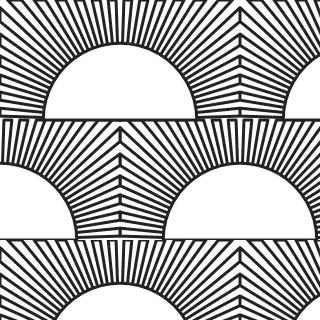
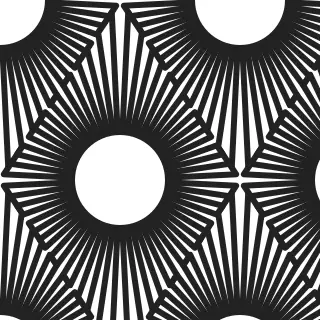
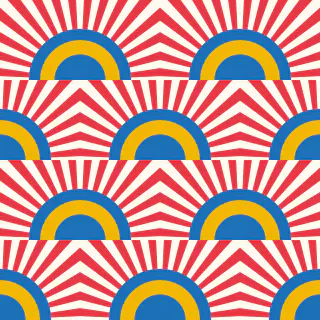
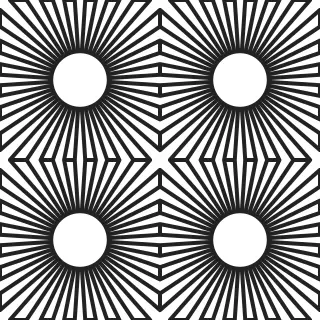
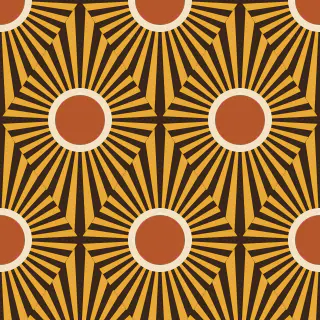
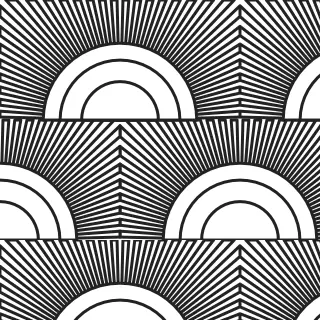
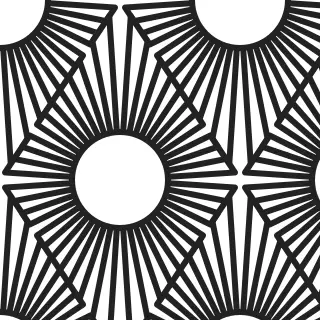
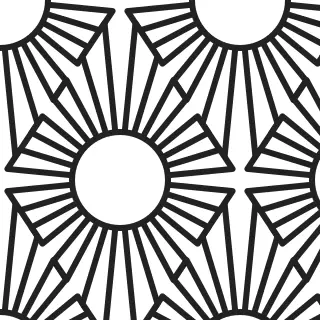
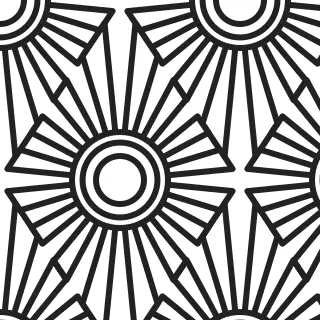
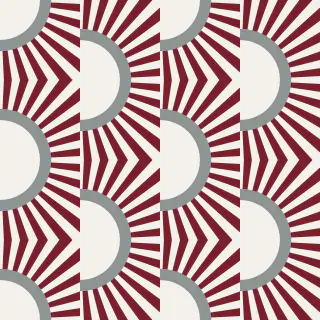
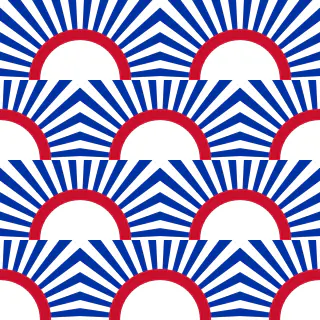
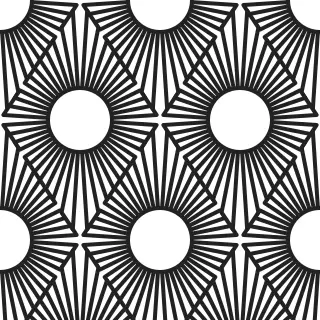
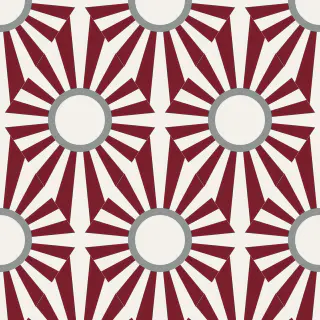
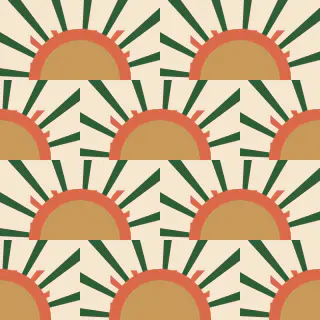
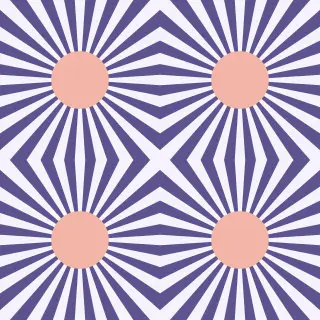
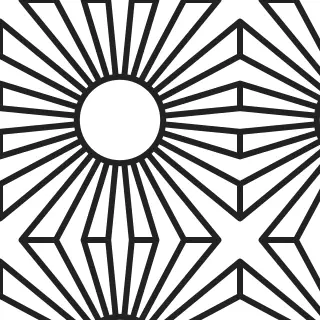
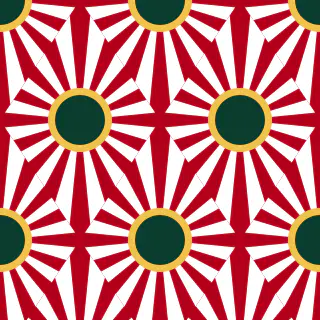
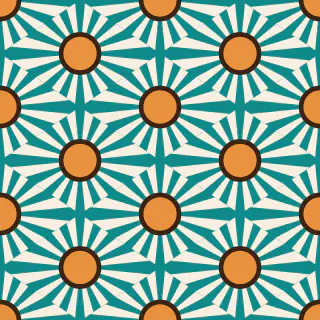
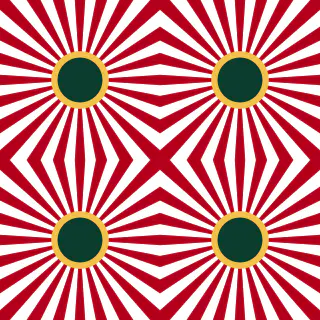
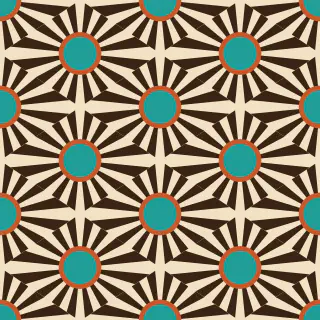
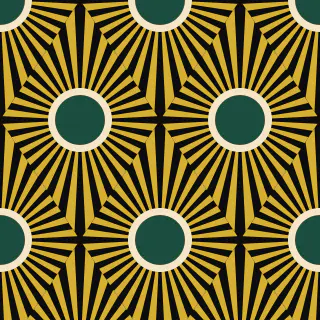
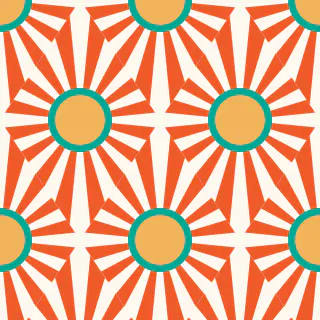
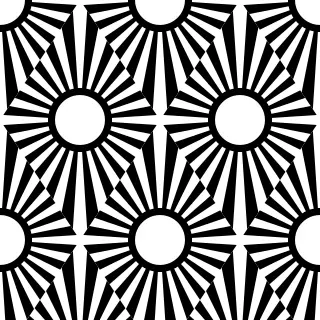
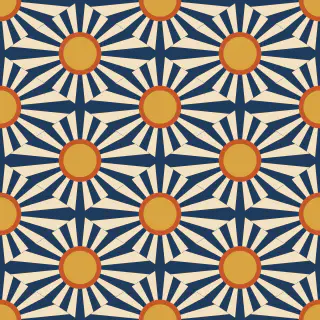
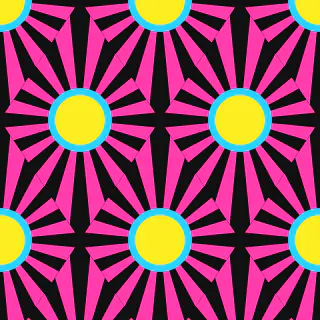
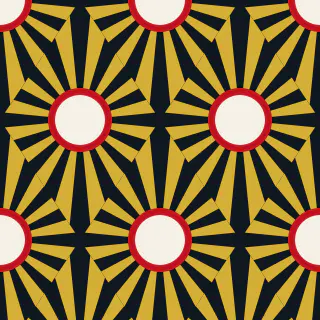
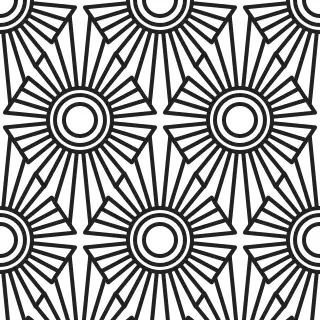
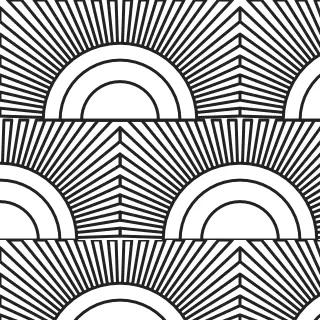
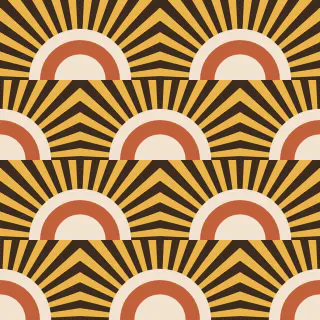
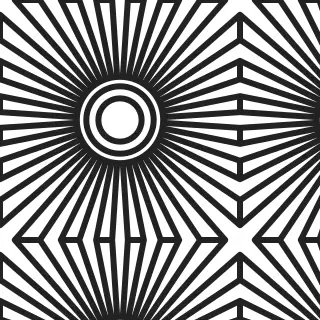
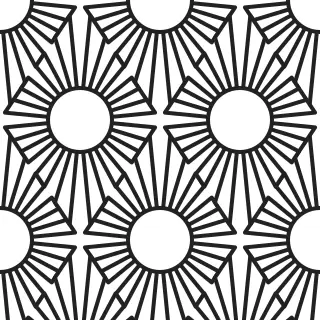
Rays spread from a central disc out to the edge of the cell, where they meet the rays of the next sun.
















No patterns match this color.
Each sun sends its rays all the way to the edge of its cell, so neighboring suns share their outer points and the sheet becomes one field of rays.
Which sunburst to pick
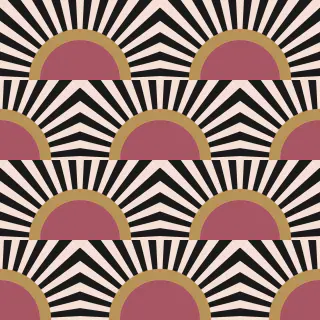
The square sun sits in a square cell. The rising sun is a half sun at the foot of a wide cell, with rows in brick order, so the arcs stack in horizontal rows. The diamond sun sits in a rhombus, and the cells fall in a half drop. Rays can be few or many, wide or thin against their gaps, or long and short in turn in two colors, around a small or large central disc with up to two rings.
How to use sunburst patterns
A few wide rays read well from a distance and suit a large print or a phone wallpaper. Many thin rays make a fine texture for card backgrounds. A light ground with colored rays prints with far less ink than gold on navy. The rising-sun layout runs in rows, which sits well around a mug or tumbler wrap for personal use. Pair a sunburst sheet with a deco fan sheet in the same colors for a matched set.
What is a sunburst?
A sunburst is a set of rays or beams radiating from a central disc, in the manner of sunbeams; half versions are used too. Older sunbursts have rays that taper toward the outer edge, while flared rays became more common from the later 19th century. The motif is typical of Baroque church metalwork and appears in window designs such as fanlights and rose windows. It is also linked with Art Deco: one example is a gold terra cotta sunburst on the Eastern Columbia Building in Los Angeles.
Sources: Sunburst (design) (Wikipedia)