styles
Sayagata patterns
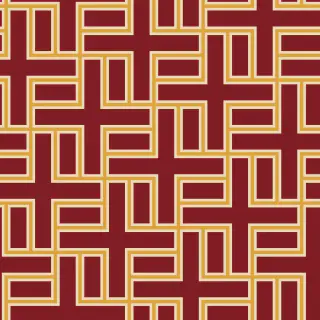
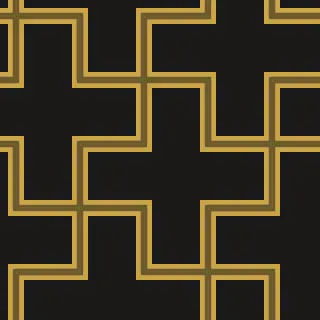
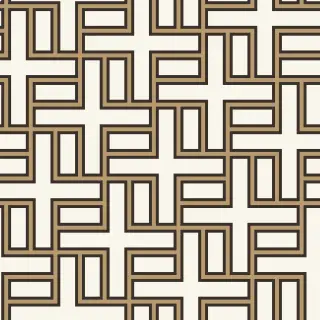
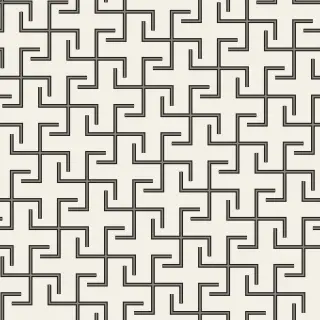
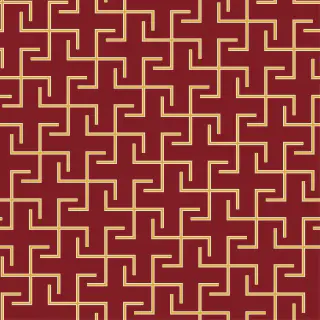
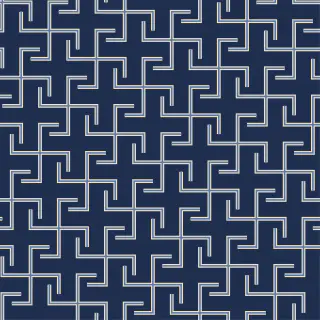
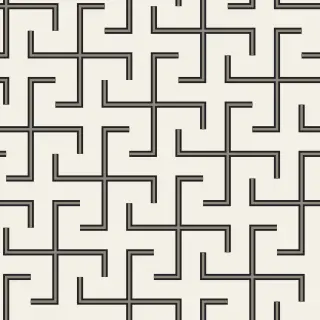
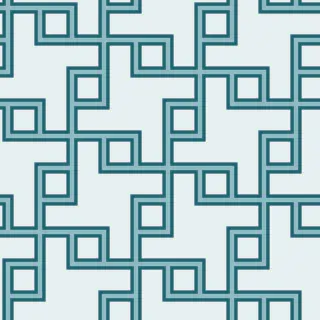
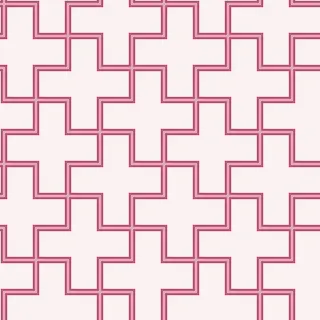
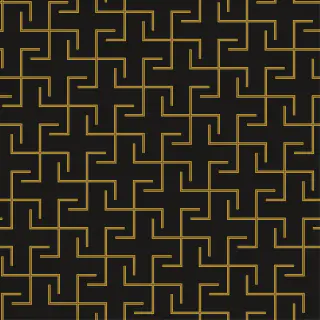
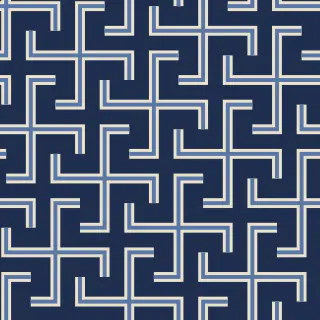
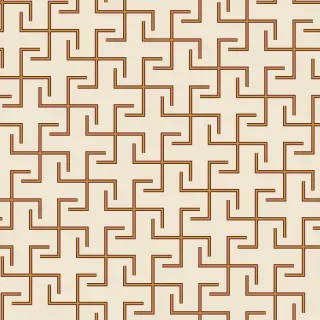
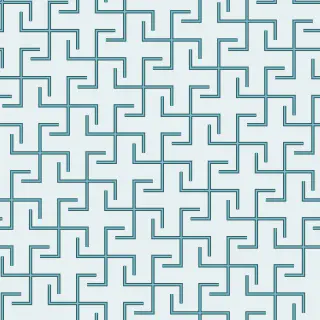
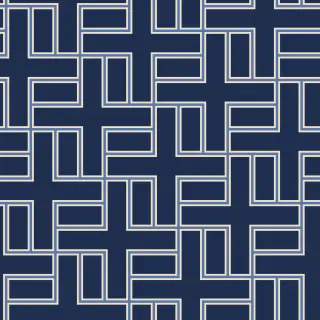
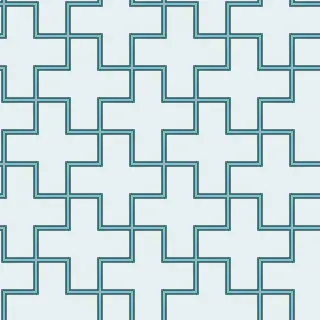
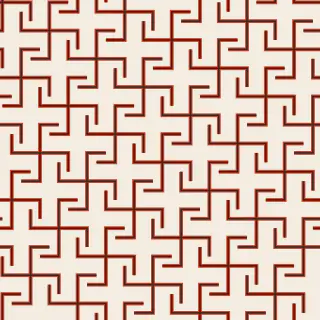
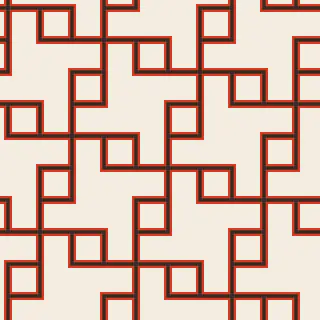
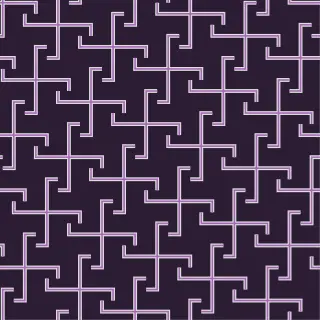
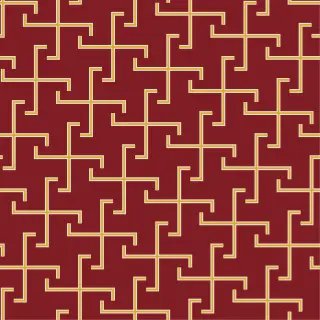
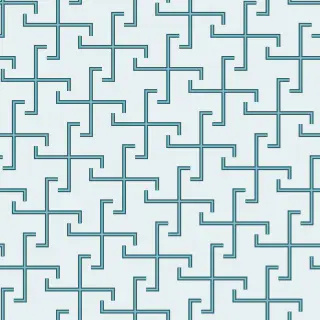
Linked manji in an endless key fret, the classic sayagata and six other proportions.
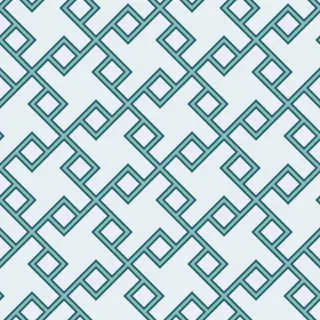
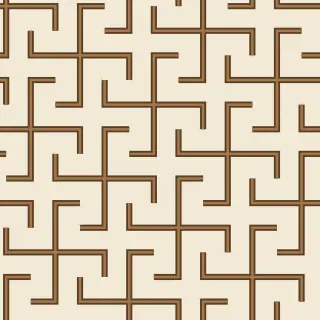
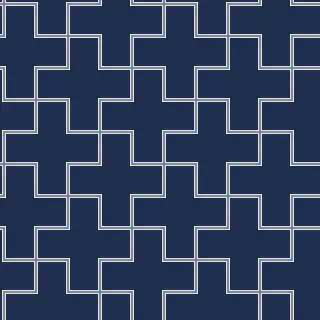
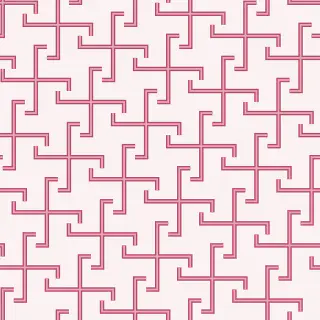
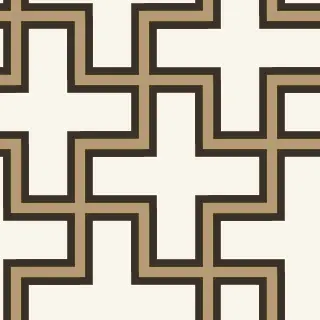
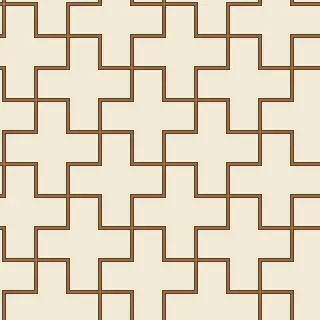
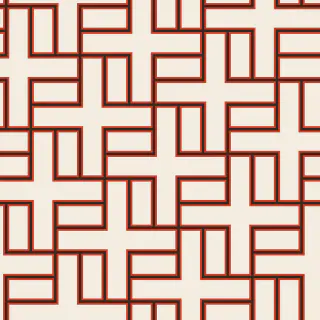
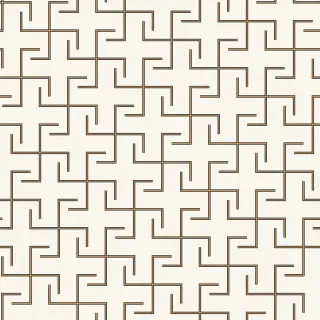
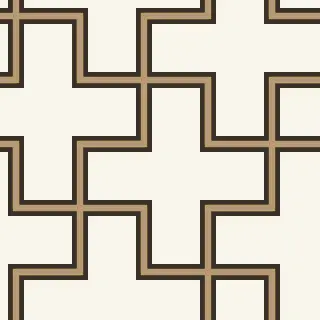
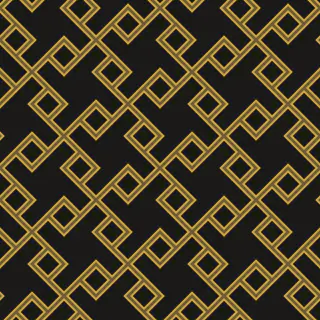
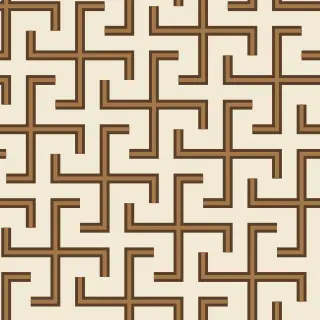
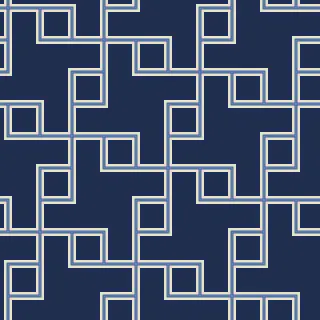
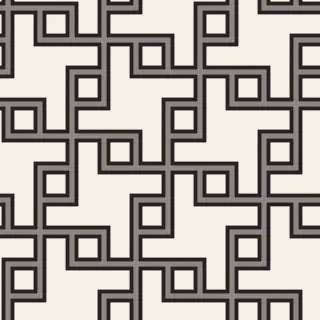
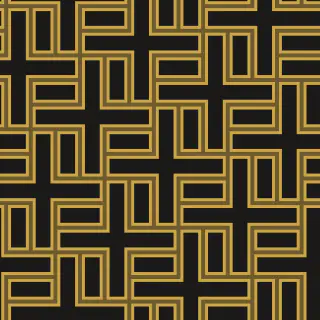
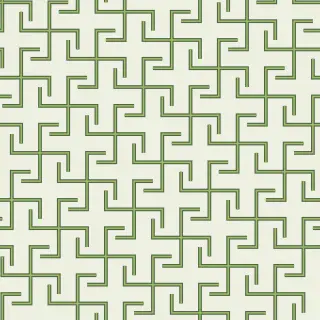
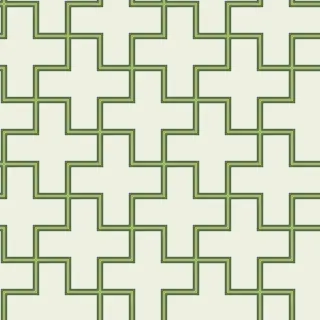

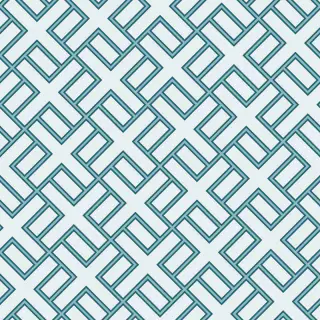
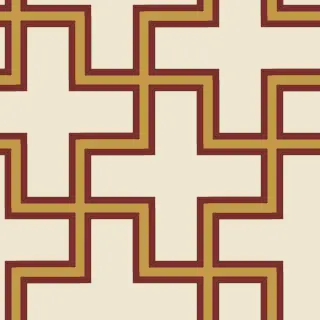
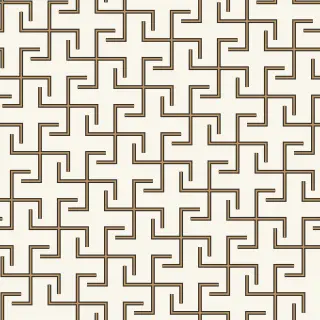
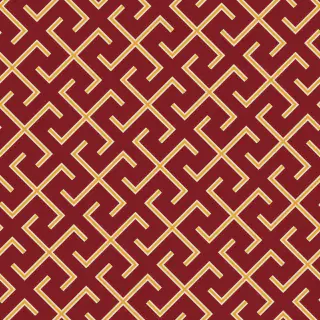
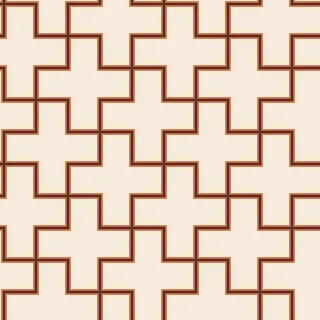
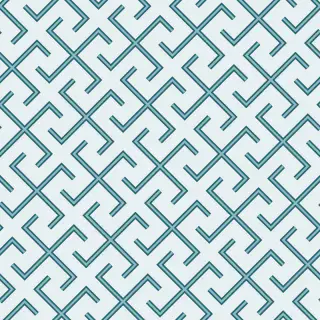
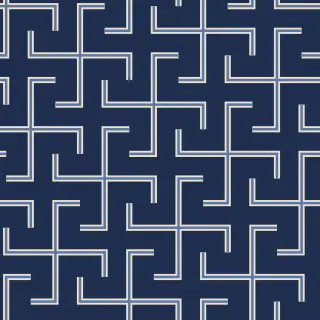
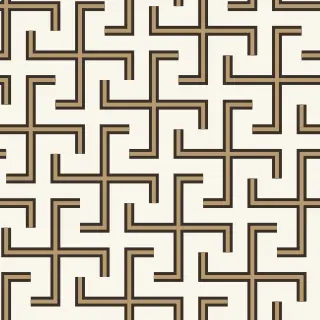
No patterns match this color.
Each motif is a manji: four arms from a center, each ending in a hook that turns the same way. The centers sit on a tilted square grid, so every hook meets the arm of the next motif and the lines link into one continuous fret.
Which sayagata to pick
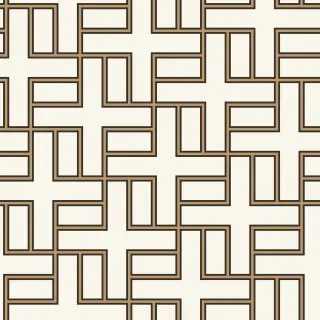
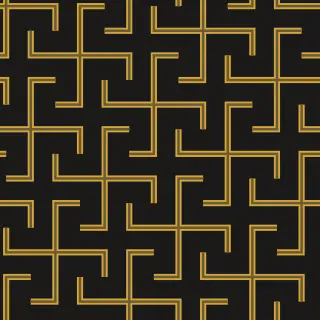
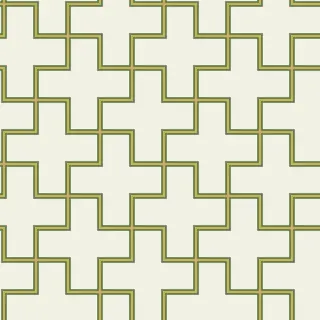
The classic sayagata keeps one even proportion. Six other versions change the length of the arms and hooks and the step between motifs: linked, stepped crosses, small keys, dense keys, long arms and wide keys. A third color, or a double line, lays a thin line down the middle of every stroke.
How to use sayagata patterns
Sayagata suits digital paper for Japanese themed designs, tea and stationery packaging, and quiet backgrounds. Thin lines in a soft color on a light ground read like a damask weave; bold lines read graphic. Turned 45 degrees, the fret runs on the diagonal, as on many kimono fabrics.
Where does the name sayagata come from?
Sayagata is a traditional Japanese pattern of interlocking manji. The name links it with saya, a figured silk cloth that came to Japan from China, and the pattern is common on kimono silk, obi and paper. The manji is an old Buddhist sign that marks temples on Japanese maps; in this pattern it has nothing to do with the symbol of 20th century Europe.
Sources: Sayagata (Wikipedia); Manji (Wikipedia)