styles
Plaid and tartan patterns
Plaid and tartan are built from one sequence of colored bands, the sett, laid across the same sequence turned the other way.
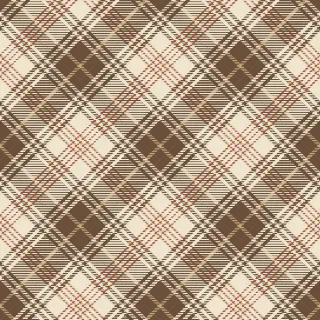
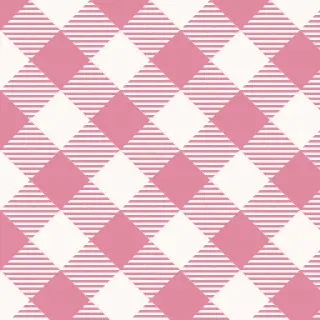
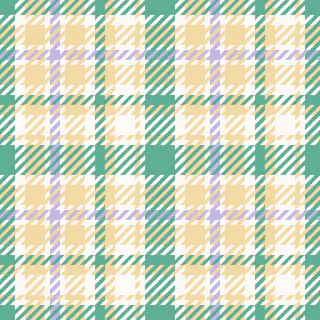
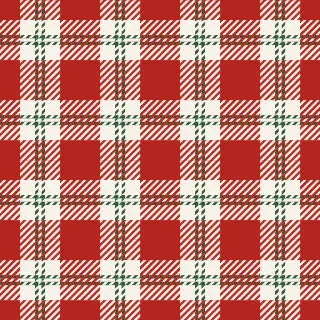
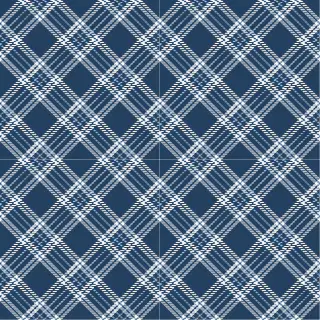
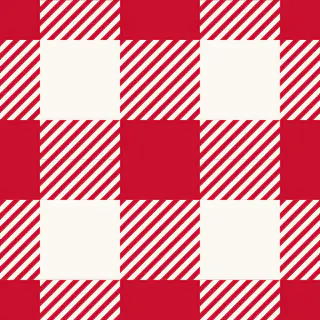
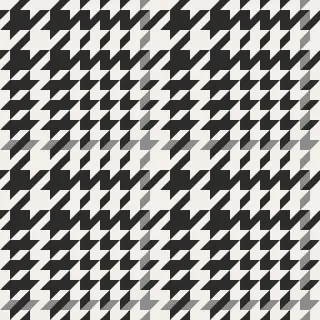
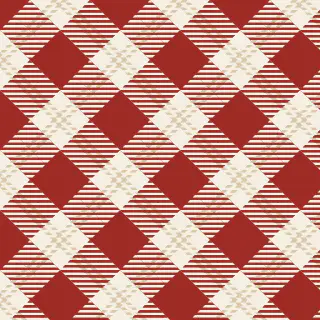
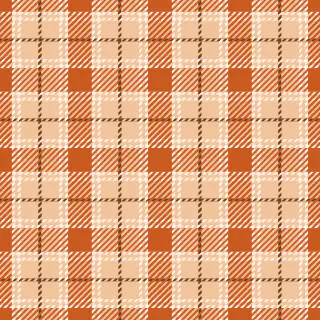
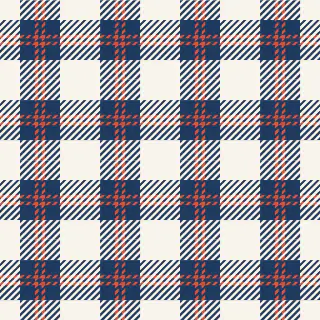
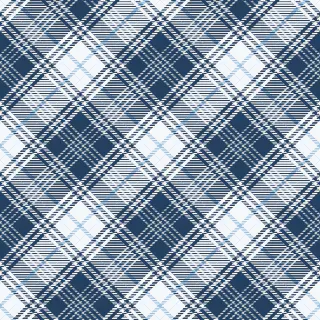
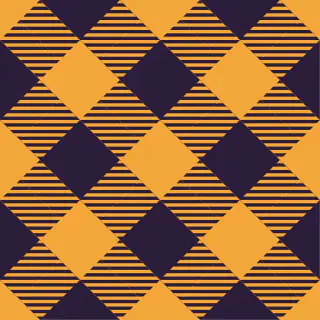
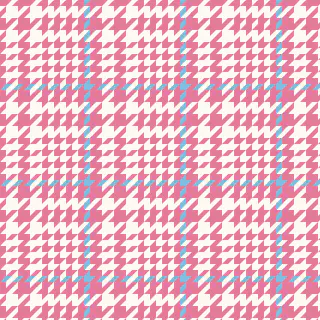
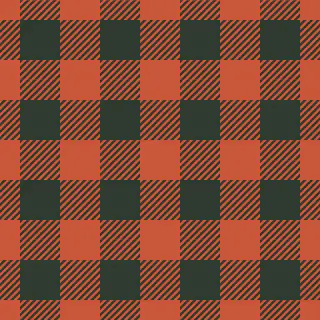
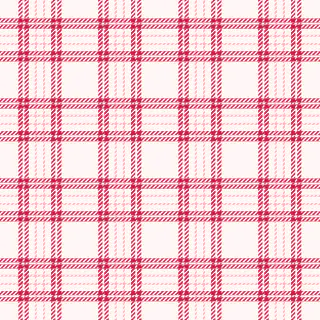
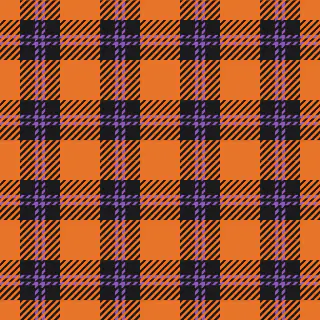
No patterns match this color.
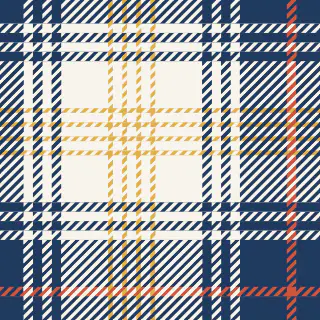
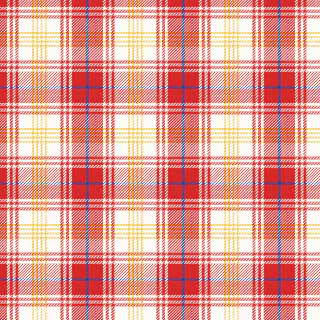
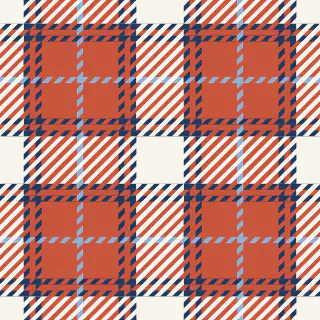
A tartan is a cloth of crossing horizontal and vertical bands in several colors. The repeating unit is called the sett: a list of colors and thread counts used for both warp and weft. Most Scottish setts are symmetrical, mirroring at two pivot points. In a 2/2 twill weave, where two colors cross the eye sees a blend of the two, and the cloth shows a fine diagonal rib.
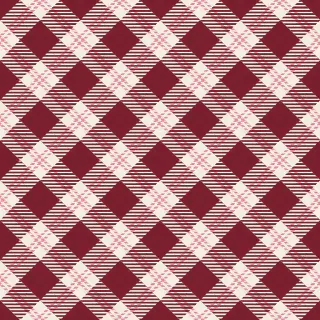
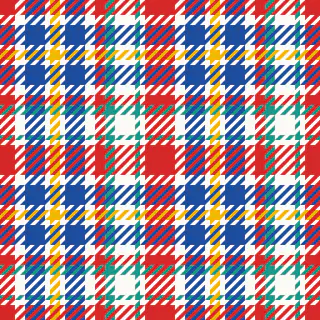
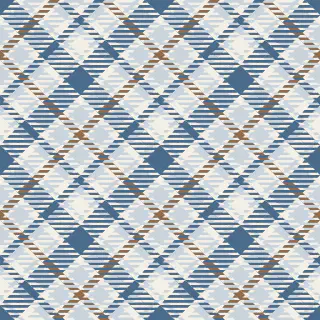
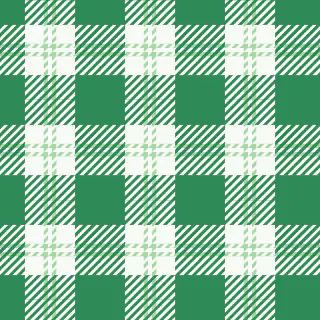
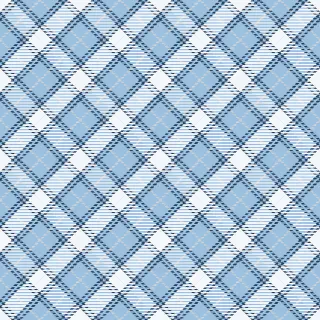
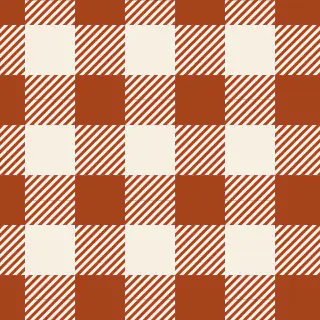
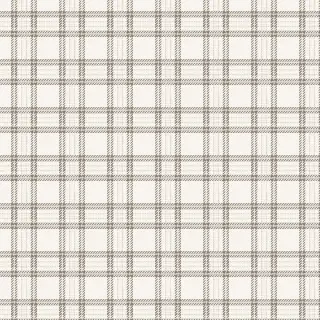
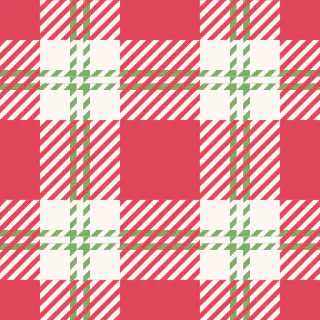
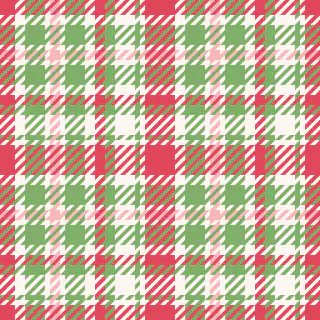
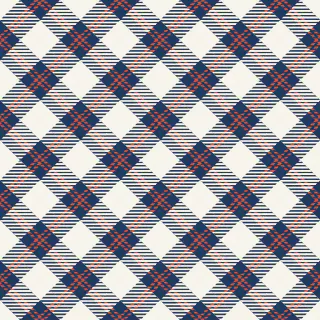
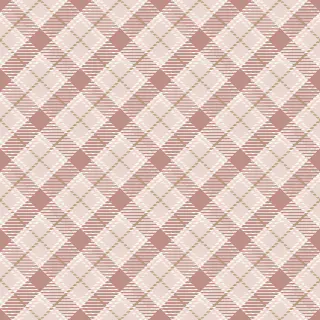
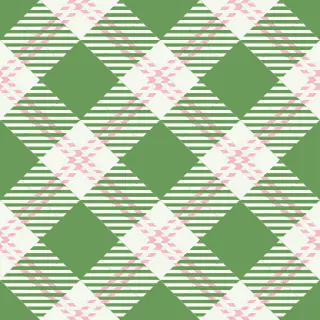
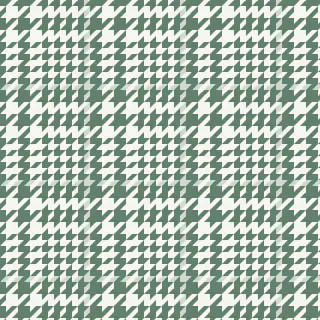
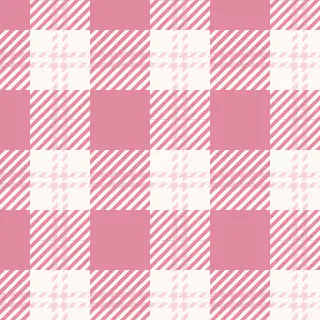
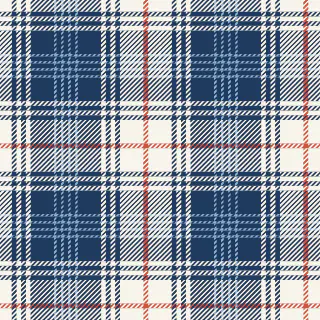
These patterns weave each sett as a twill of single threads, so the crossings mix and the hatch shows when the tile is viewed large. The setts are new; none copies a registered tartan.
Which plaid to pick
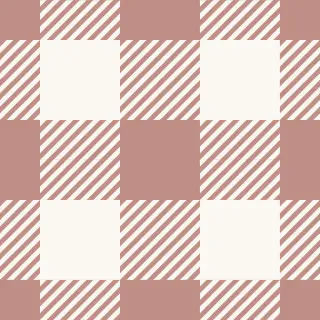
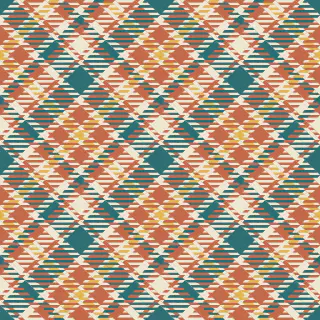
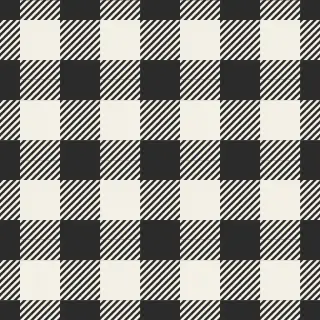
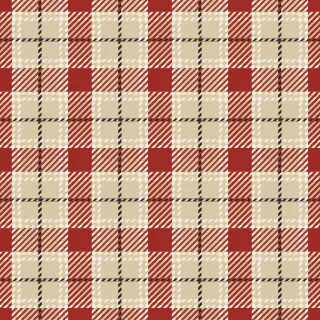
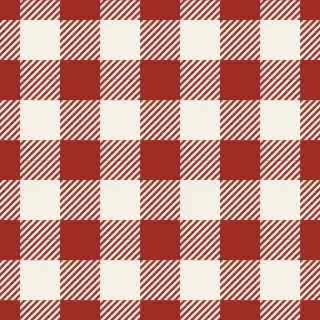
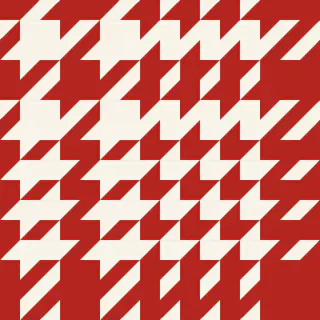
Highland tartan with broad blocks and a bright line, Country tartan with wide ground squares framed by thin pairs, Madras with many narrow bands and no pivot, Flannel with equal blocks of two colors, and Glen check with alternating groups of fine blocks.
Printing plaid patterns
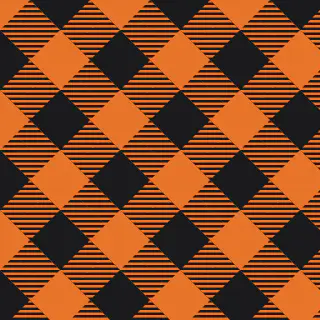
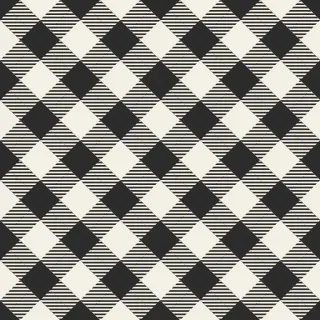
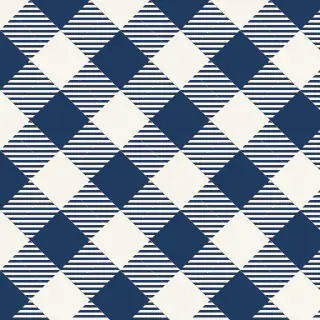
Plaids hold many colors, so try three or four close tones before a bright one. A dark sett on a dark ground uses a lot of ink on a home printer; a country tartan on a light ground uses far less. On a gift box or a book cover, align a band with an edge for a tailored look. Turned 45 degrees, a plaid becomes a diagonal check. For a big two-color block check, see buffalo check patterns.
Plaid or tartan: what is the difference?
In North America, plaid is the everyday word for tartan cloth. In Scotland, a plaid was first a garment, any rectangle of cloth worn as clothing, sometimes of tartan, and later a blanket. Madras cloth, from India, more often uses asymmetric setts and a different sett in warp and weft than Scottish tartan does.
Sources: Tartan (Wikipedia)