styles
Pebble patterns
Rounded stones, packed tight like a path or scattered loose like a beach.









No patterns match this color.
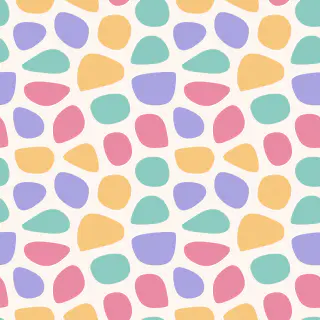
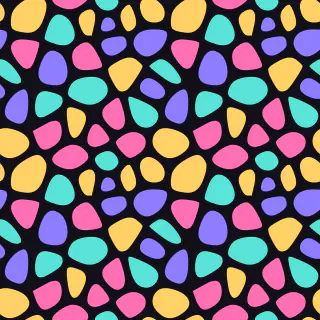
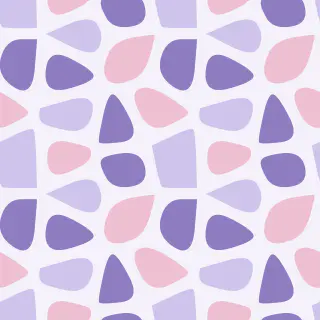
Pebble patterns come in two kinds, packed and loose, and they look quite different.
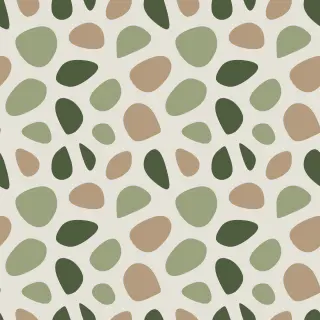
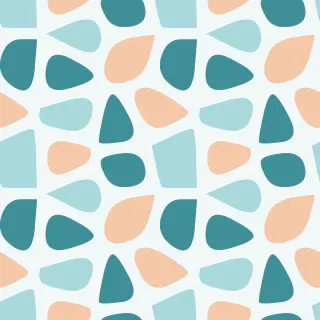
Packed pebbles
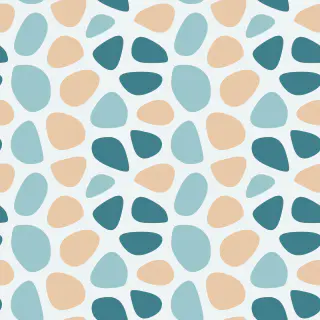
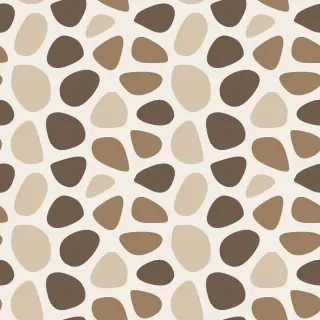
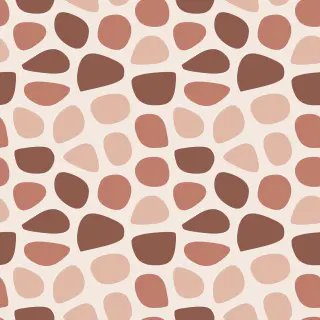
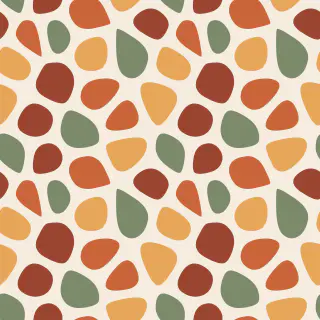
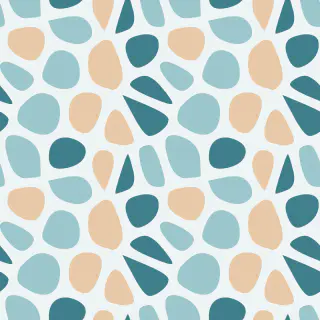
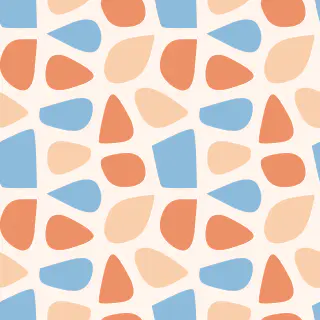
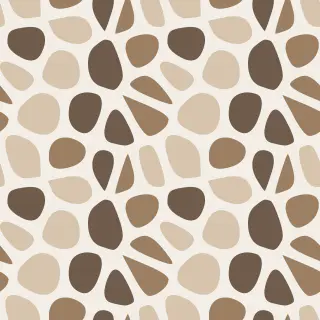
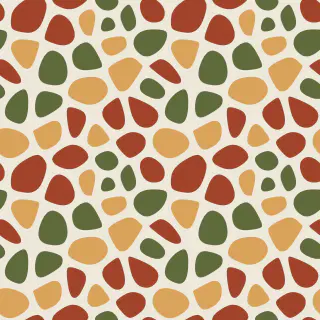
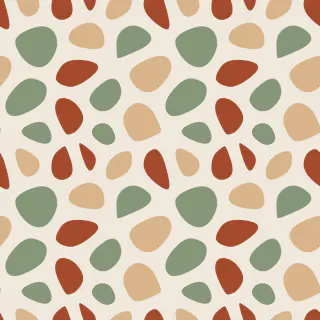
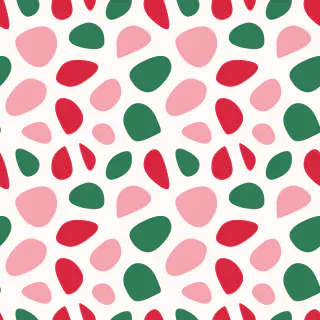
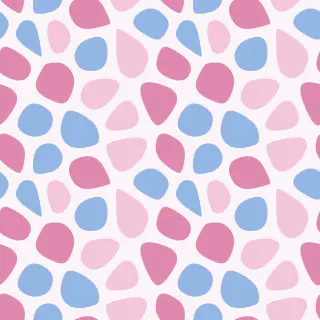
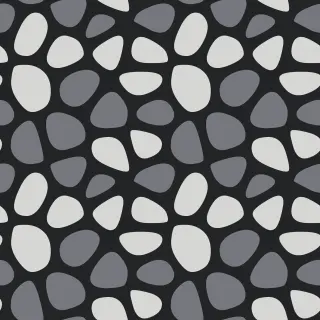
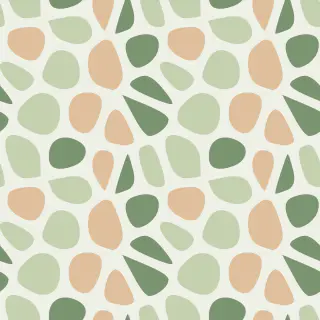
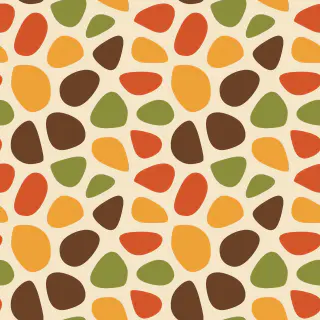
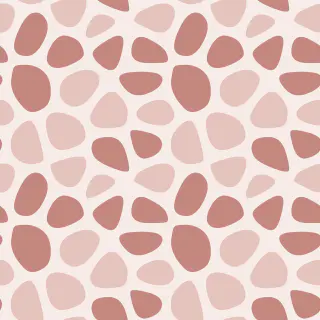
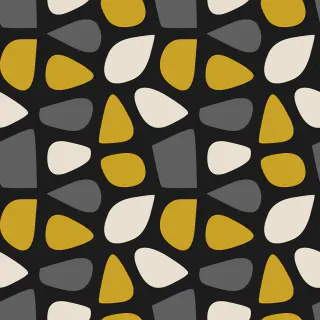
Packed pebbles are Voronoi cells: the tile is split into cells around random points, every corner is rounded off, and a wider gap is left between the cells. The stones fill the whole surface and fit against each other, the way a cobbled path or a riverbed does. The stones can be of a similar size or a mix of large and small, with anything from a hairline to a wide mortar joint between them.
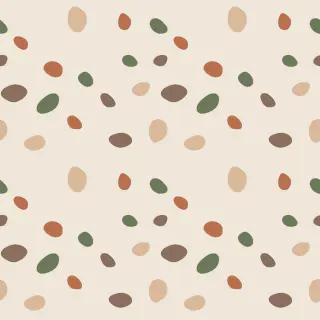
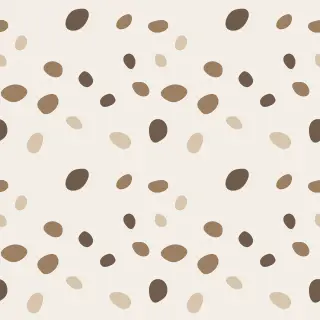
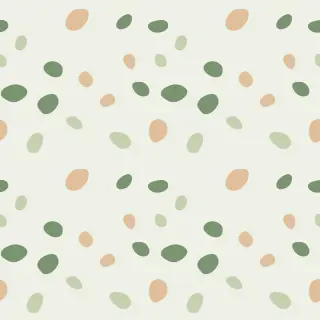
Loose pebbles
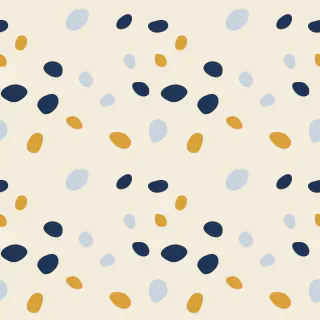
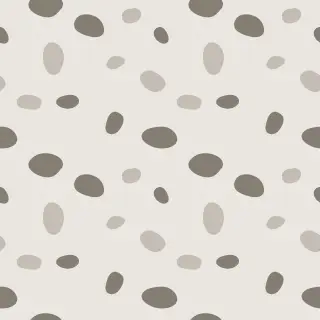
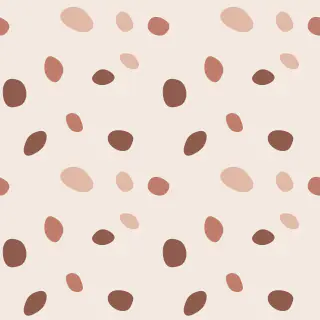
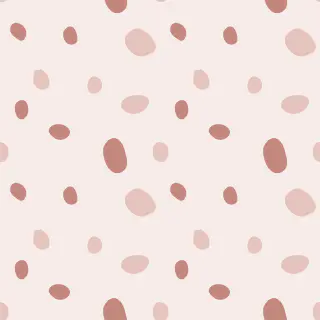
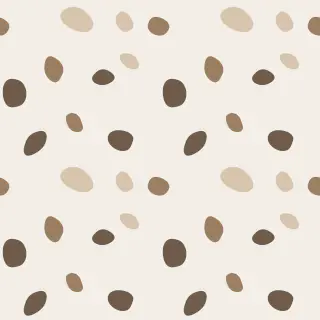
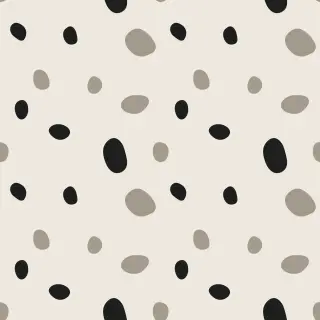
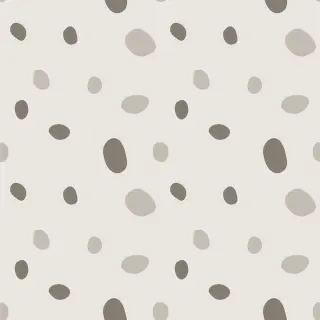
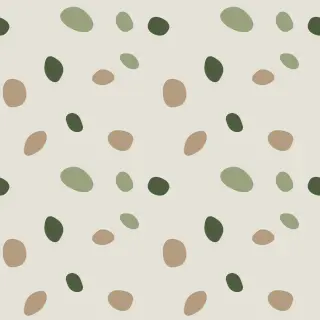
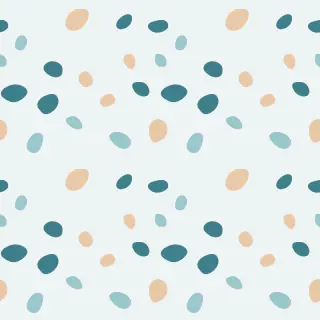
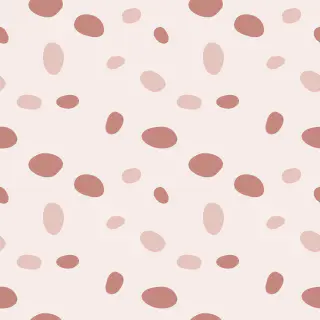
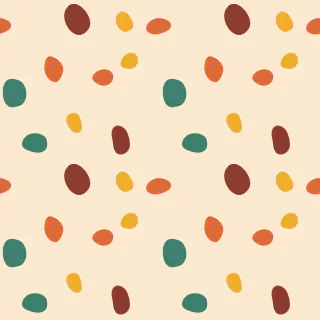
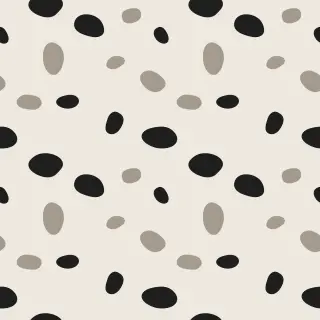
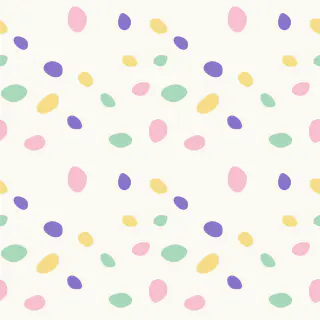
Loose pebbles are flattened blobs. Each shape is a soft blob flattened along a random direction, so it lies like a stone dropped on sand. These do not touch, and the ground shows all around them. They come few or many, small or large, smooth or lumpy.
Which pebble pattern to pick
Pick packed pebbles for a solid textured surface: a bathroom-style backdrop, a garden journal cover, a background for a nature poster. Pick loose pebbles for a lighter, airier print that leaves room for writing or icons.
Printing and cutting pebble patterns
Gray, sand and slate tones look like real stone. Sea greens and blues look like sea glass. On a home printer, the loose version uses less ink because more of the sheet is ground. For a stencil cut, packed pebbles with a wide gap keep every bridge strong enough to hold. For a matching set, use the same colors in both kinds.