styles
Ornamental patterns
Ornament repeats built from curves, lobes, rays and right-angled lines, drawn as new seamless tiles in the manner of wallpaper and tile designs.



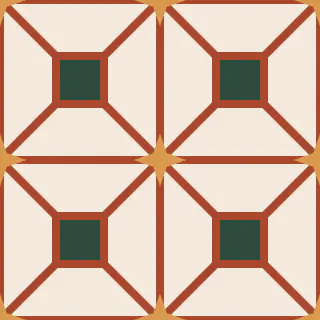
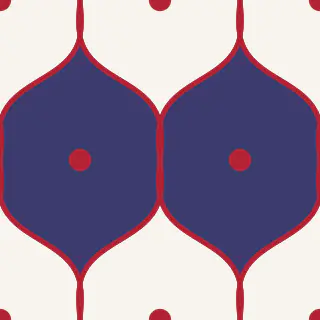
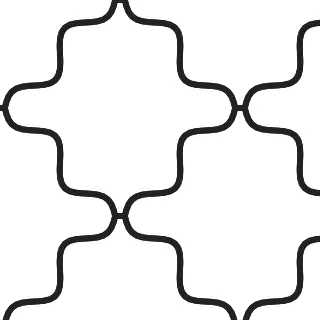
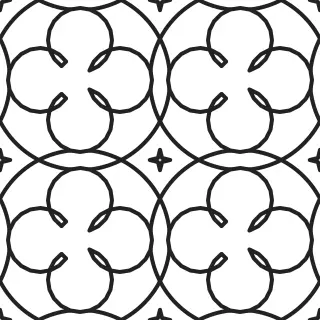


No patterns match this color.
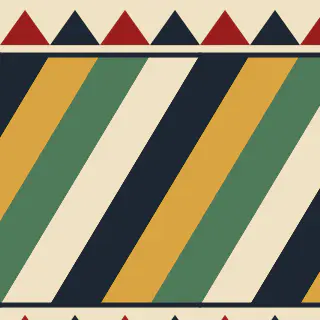
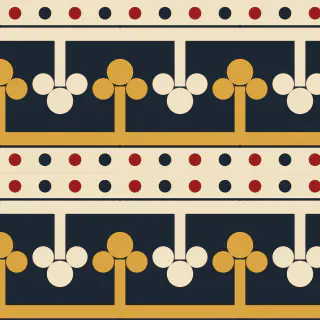
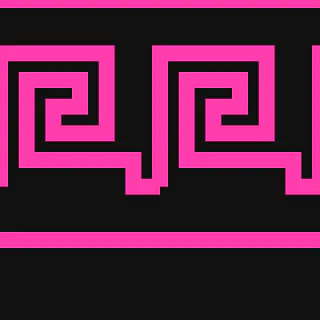
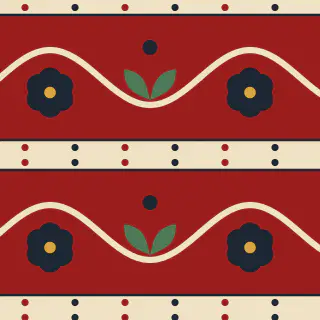
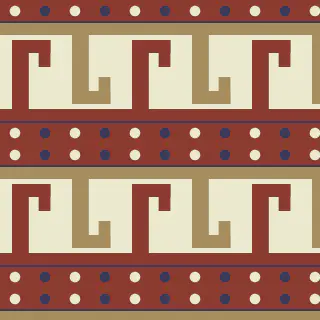
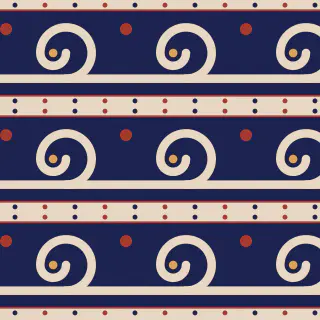
Ornamental patterns share one idea: a single shape, set on a grid, that locks into its neighbors so the sheet has no visible seam. They differ in the kind of line that builds them. Rug borders are bands after the borders that frame the field of a Persian rug; see Persian rug patterns for the field repeats.
Which ornamental pattern to pick
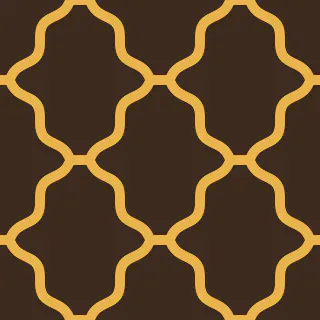
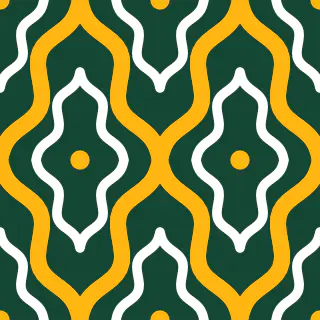
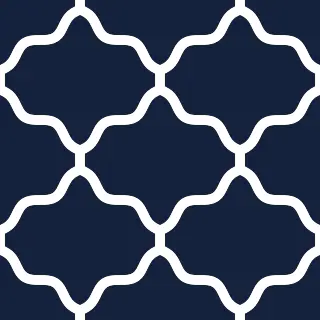
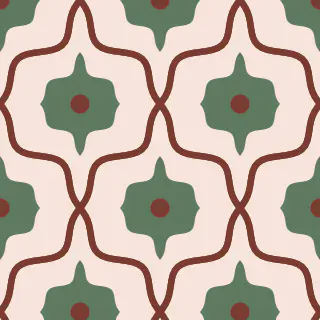
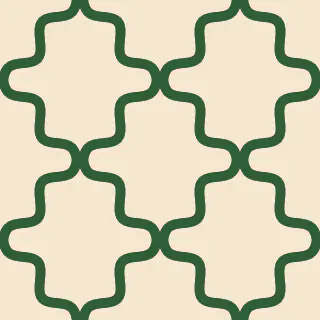
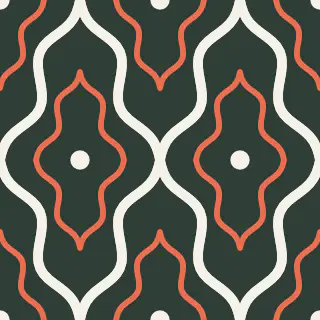
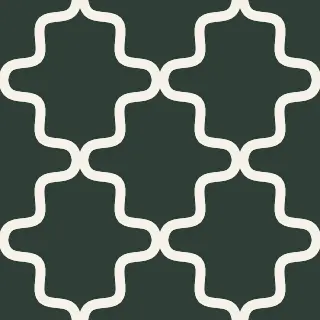
- Curved cells: trellis and ogee. Each cell outline is shared with the next cell, so the whole sheet reads as one net of S-curves. Trellis cells have a short flat bar at top and bottom; ogee cells come to a point.
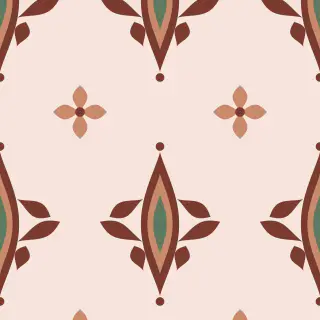
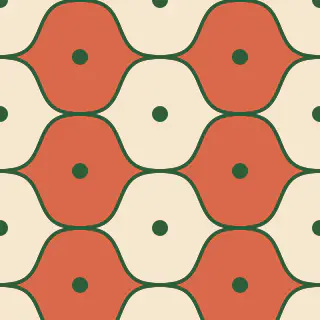
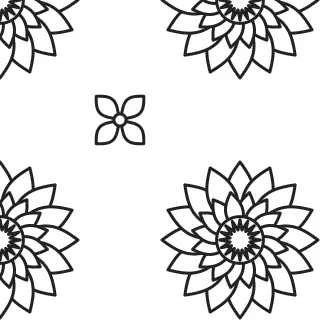
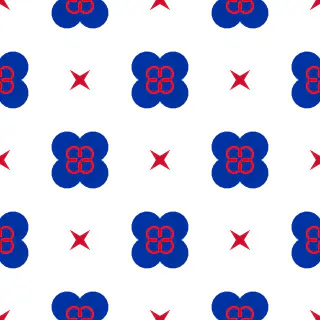
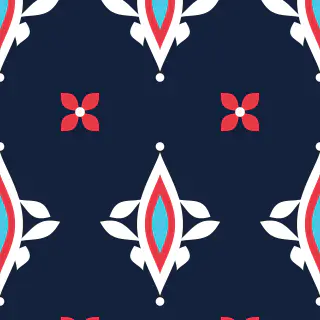
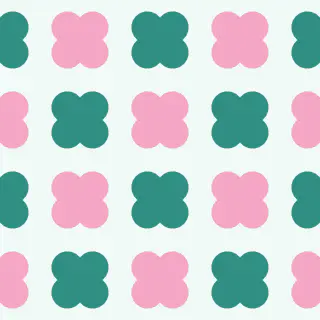
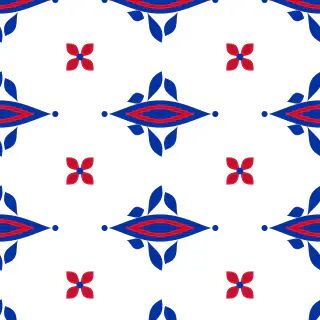
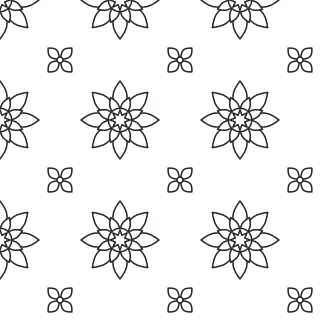
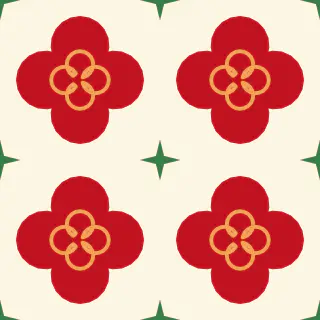
- Lobed and round motifs: quatrefoil and medallion. These are separate shapes on a grid, with ground showing between them. Medallions are the busiest, with rings of petals and a small spacer motif.
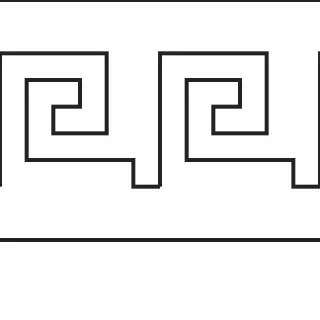
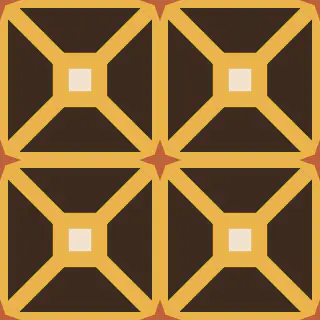
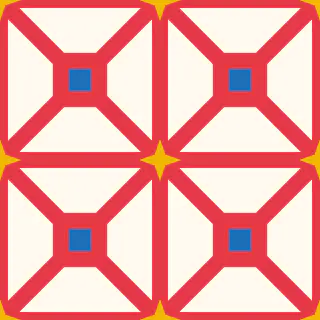
- Straight lines: fretwork. Greek key bands and garden or Chippendale lattices, all right angles and diagonals.
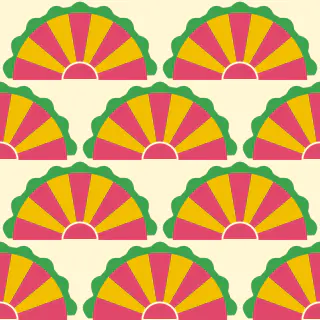
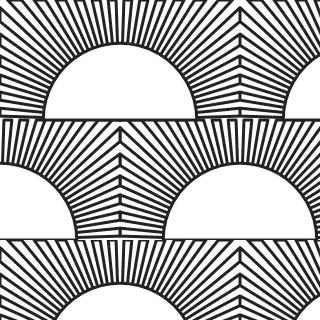
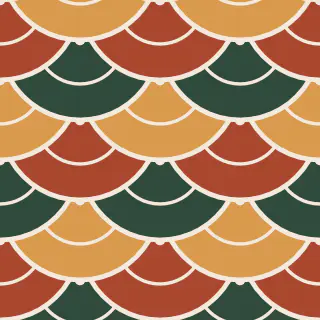
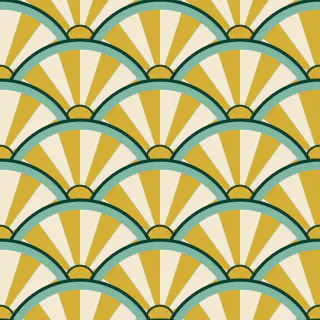
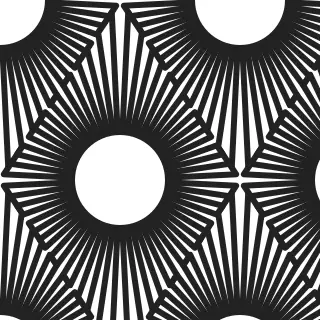
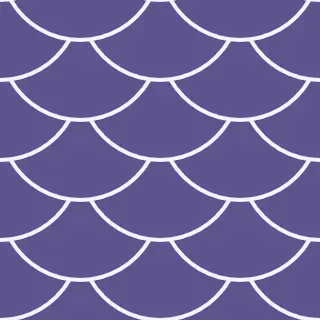
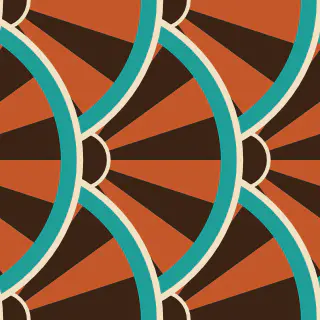
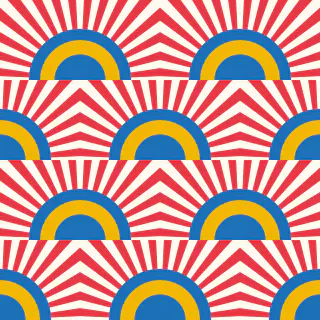
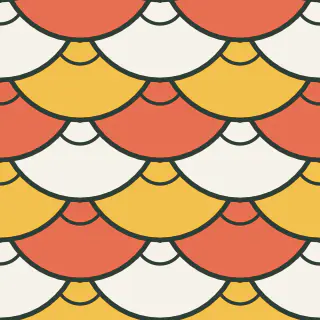
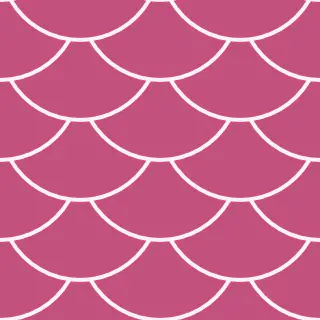
- Rays and arcs: sunburst, deco fan and scallop. Shapes open out from a point or stack in overlapping rows.
How to use ornamental patterns
For a quiet background behind text, pick an outlined ogee or trellis in two colors. For a formal look on gift wrap or a box lining, a medallion or a filled quatrefoil carries more weight. Fretwork suits edges and bands. Sunbursts and fans give a strong Art Deco feel, often on a dark ground; that ground uses a lot of ink on a home printer, so a light ground is cheaper to print. Damask, lattice and Art Deco patterns group some of these by look. Any of them can be opened in the pattern generator to change its colors or scale before downloading.