styles
Organic patterns
Shapes with no straight edges and no fixed grid: soft blobs, rounded cells and rolling waves.
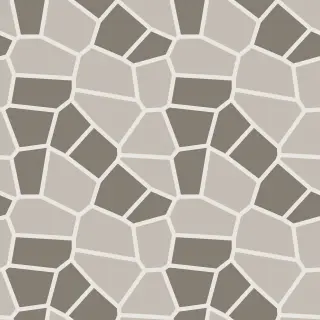
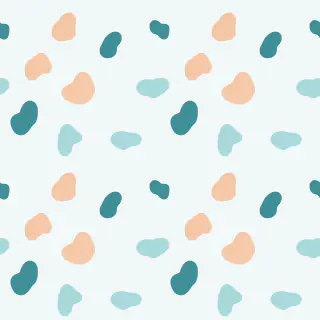
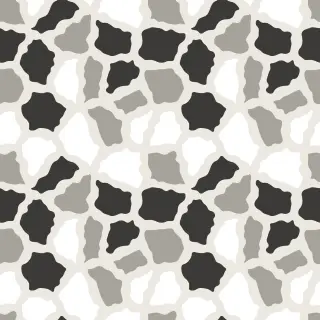


No patterns match this color.
Organic is a look, not a tradition. Organic patterns have shapes that curve and wobble the way leaves, stones and water do.
Which organic pattern to pick
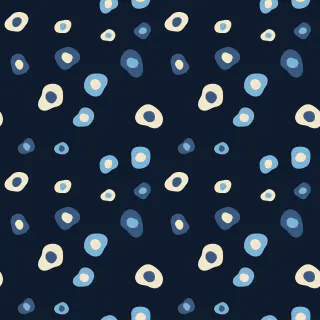
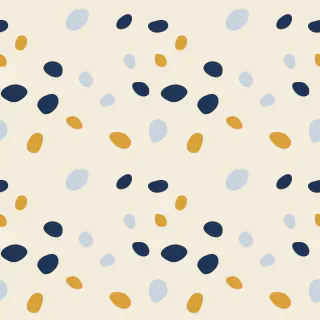
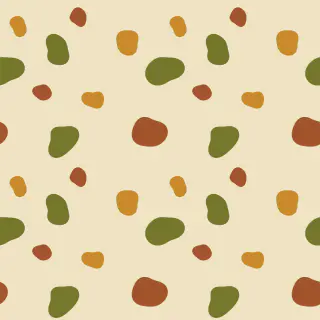
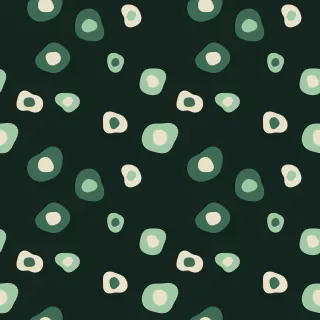
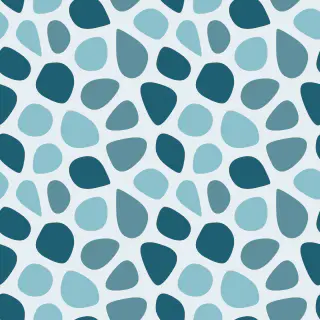
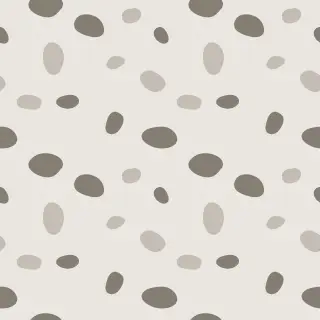
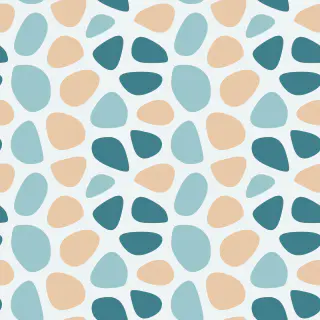
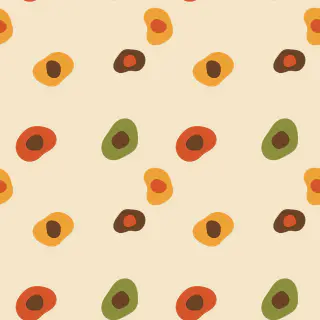
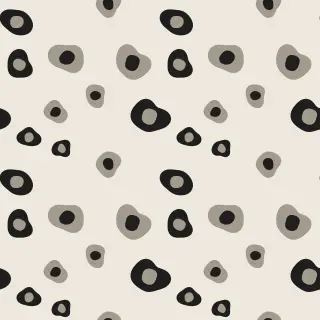
- Blobs: free-form shapes with gently uneven edges, placed so none touch. Spotted blobs have a smaller shape inside each one; pebble blobs are flattened into stones.
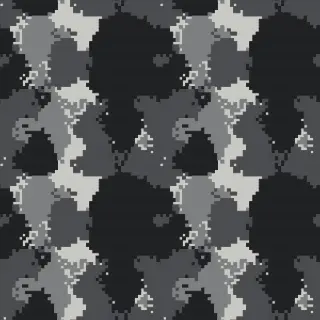
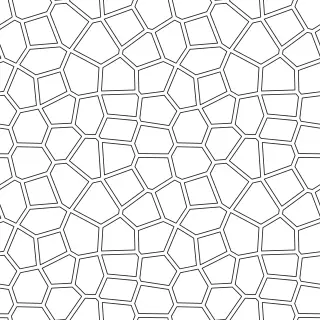
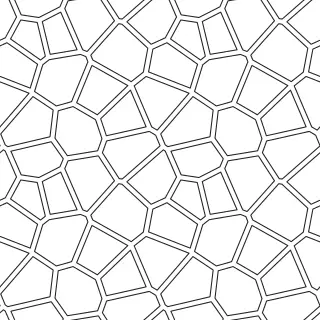
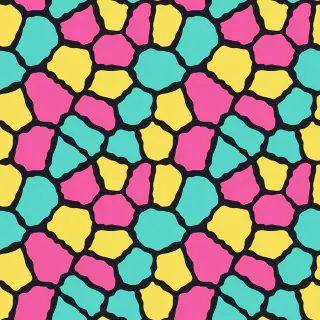
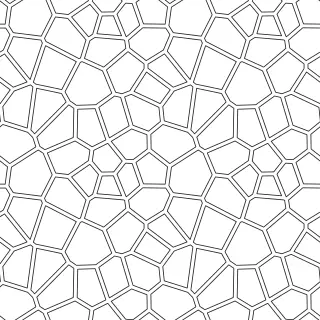
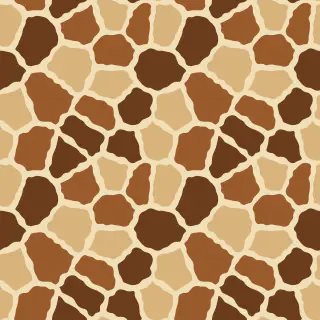
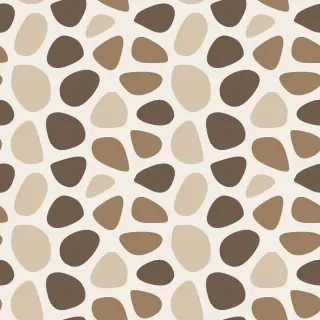
- Voronoi cells: the tile split into irregular pieces around random points, with a gap between them. Rounded cells have soft corners.
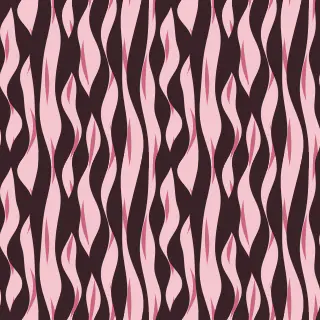
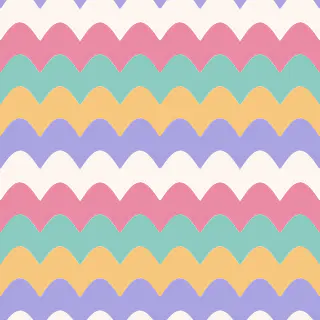
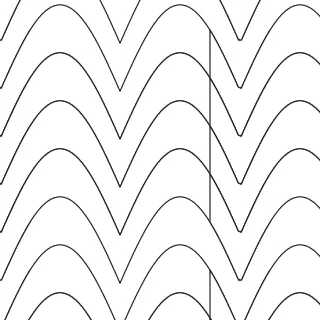
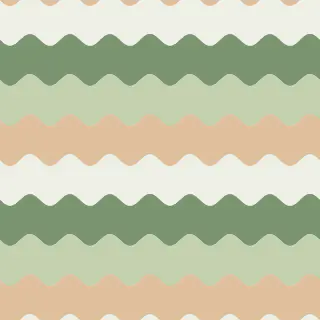
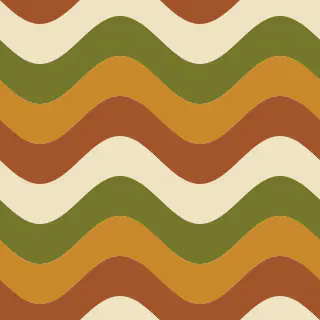
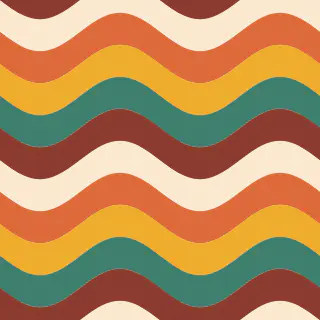
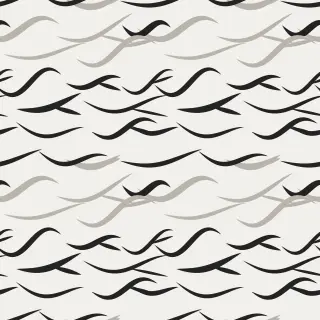
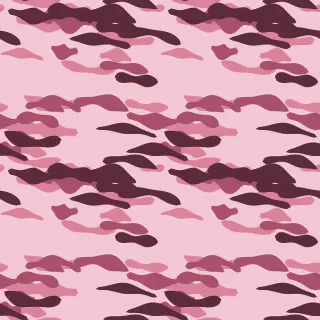
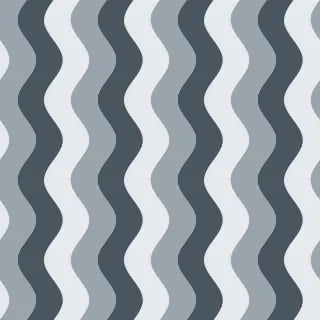
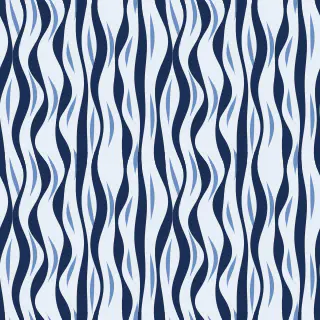
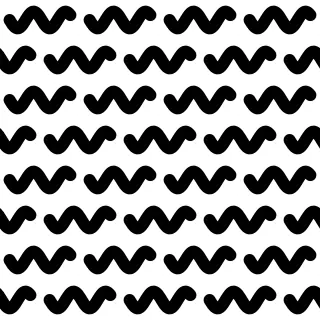
- Waves: rows of smooth curves, as filled bands, rounded hills, single wave lines or short squiggles.
How blobs, cells and waves differ
Blobs float on the ground, with space around each shape. Voronoi cells fill the tile edge to edge, with only a thin line of ground between them, so they feel denser and more like a surface: dry earth, stone, cells under a lens. Waves are the only kind with a direction; they read as stripes and suit borders and long strips of paper.
Colors for organic patterns
Organic shapes look most natural in close colors: sage, moss and cream, or sand, clay and stone. Strong contrast works too but turns the look graphic and modern. In the pattern generator, change one color at a time.
How to use organic patterns
As a phone wallpaper, a low wave height or a light blob scatter leaves the icons readable. As a video-call background, a calm Voronoi in two close tones gives texture without pulling the eye. For nursery prints and plant journals, blobs in soft greens print well on a home inkjet, since the light ground carries most of the sheet.