styles
Mid-century patterns
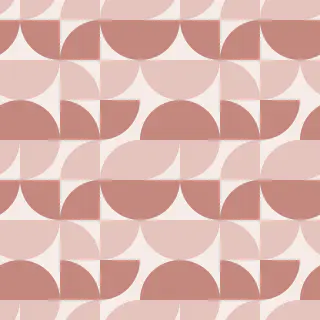
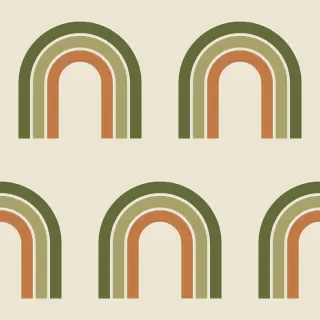
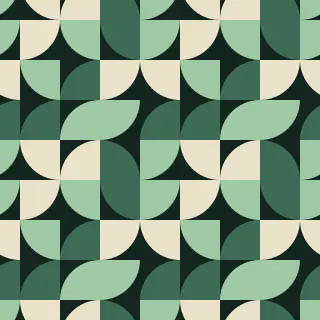
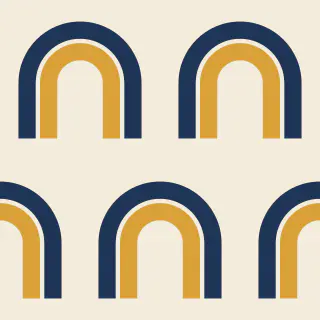
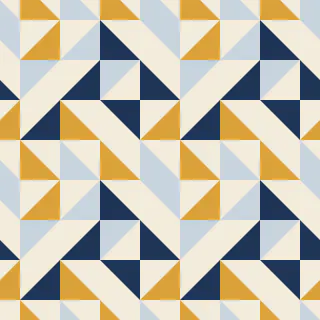
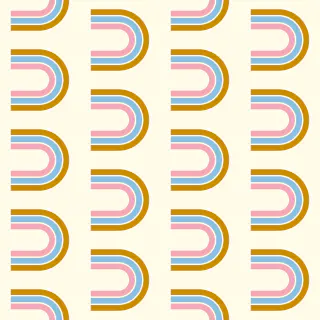
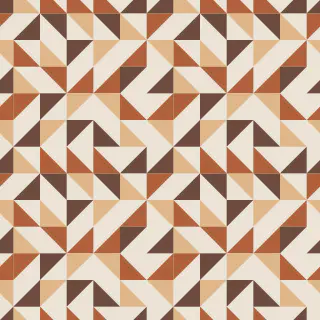
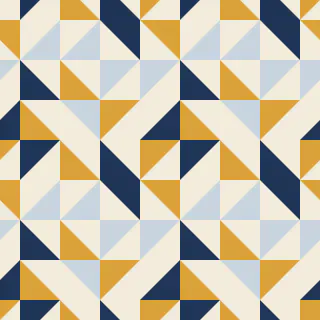
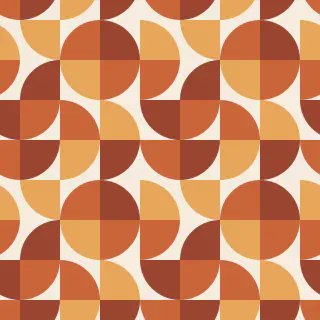
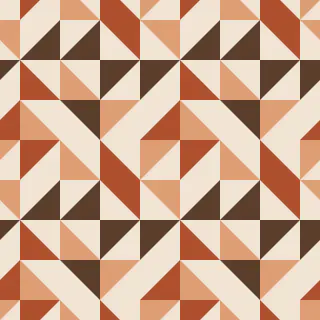
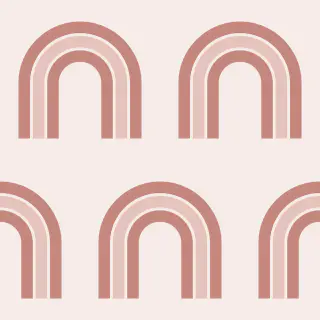
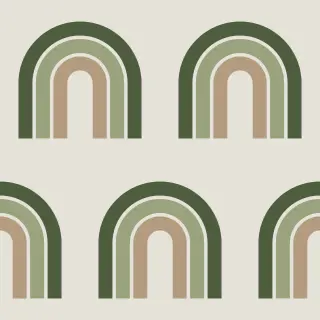
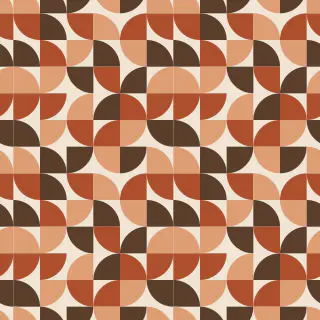
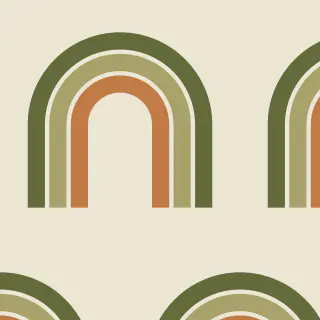
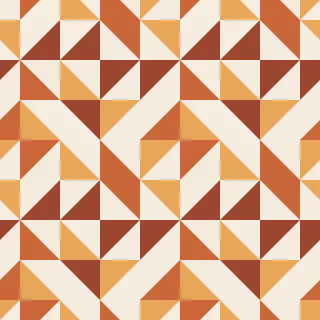
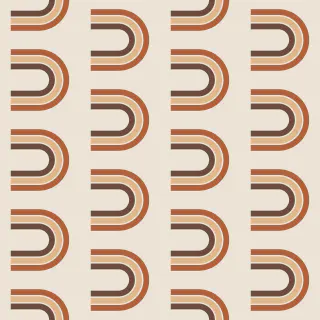
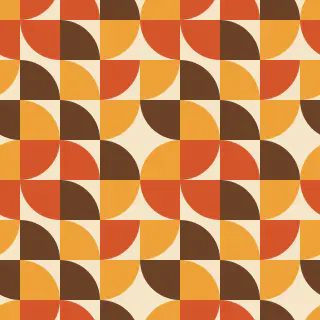
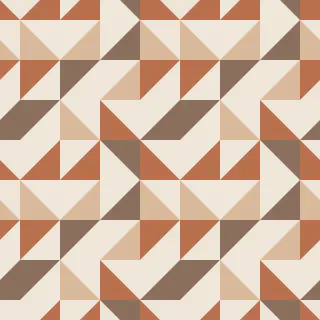
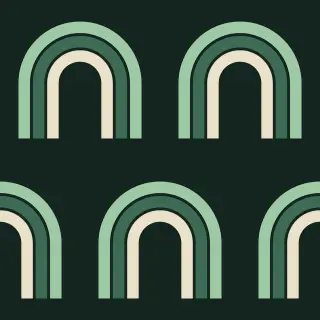
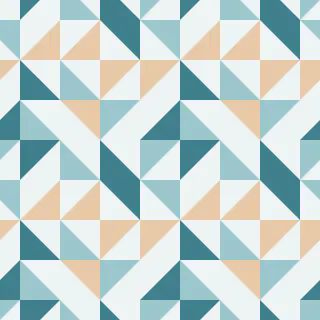
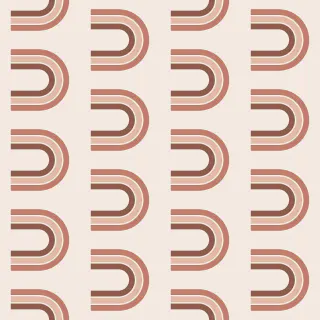
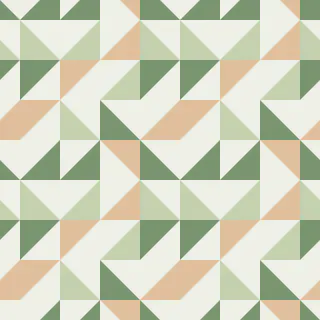
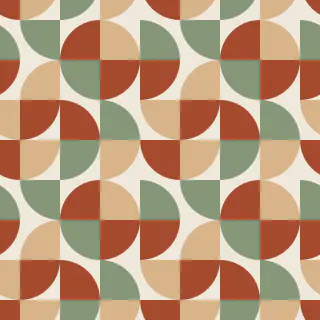
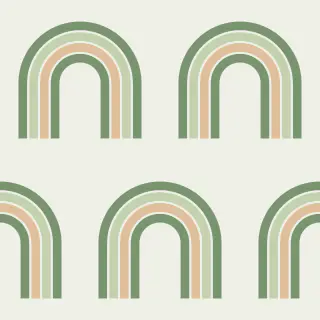
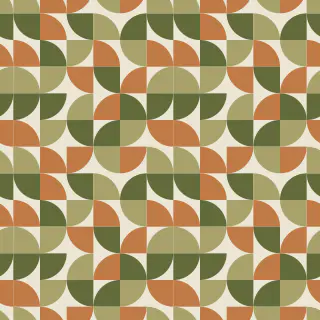
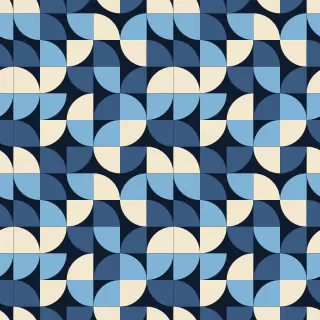
Quarter circles, split squares and stacked arches in warm, muted colors, drawn with the clean lines of mid-century design.






No patterns match this color.
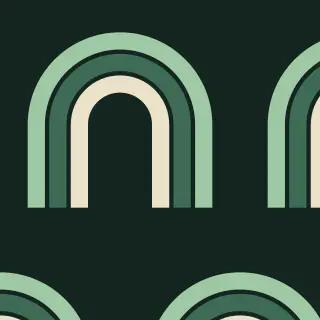
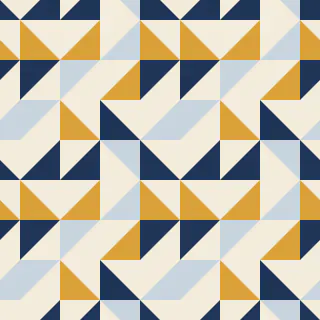
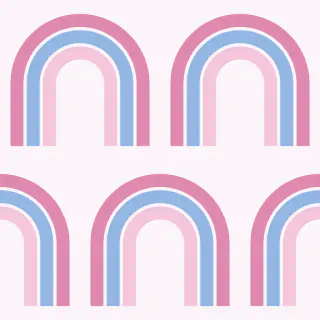
Mid-century patterns follow the mid-century look: flat shapes, no shading and few colors. Most are Truchet tiles, mainly quarter discs and triangles, where each square of a grid holds one bold shape turned at random. The rest are tall door arches like the boho arches, in warm, plain colors such as rust, ochre and olive on an off-white ground.
Which mid-century pattern to pick
Quarter discs give the strongest graphic effect and read well from a distance. Triangles look more like tiles on a wall. Arches are softer and suit a nursery or a calm desk background. If you want a more crowded, louder retro look, Memphis patterns take the 1980s instead.
Printing mid-century patterns
Keep to three colors plus the ground for the period feel. Fewer, larger shapes suit gift wrap or a poster. Solid fills cover a lot of paper, so on a home inkjet choose a light ground and let the shapes carry the color.
What is mid-century modern?
Mid-century modern is the name for the design popular from about 1945 into the 1970s, mostly in North America, Europe and Brazil. It is known for clean, simple lines, honest use of materials and little added ornament. The term was in use by the mid-1950s, and Cara Greenberg’s 1984 book “Mid-Century Modern: Furniture of the 1950s” set it as the name of a movement. Ceramics of the time, such as the biomorphic pieces made by Tamac Pottery, show the same taste for simple, soft shapes. These patterns are new geometric repeats in that taste, not copies of period fabrics.
Sources: Mid-century modern (Wikipedia)