styles
Ikat patterns
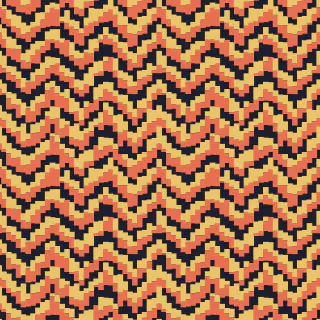
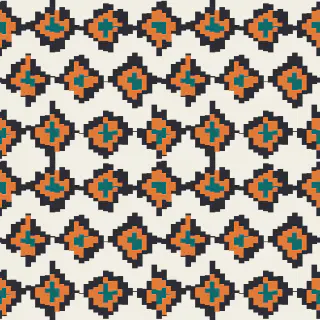
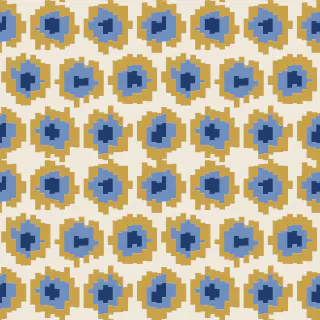
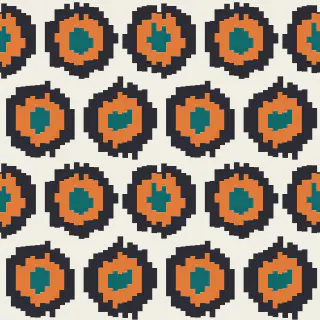
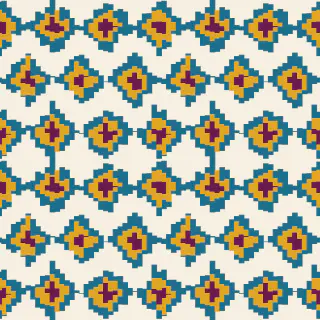
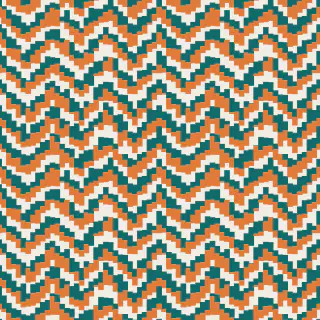
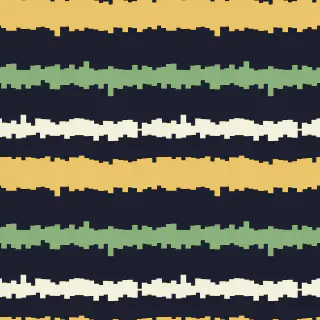
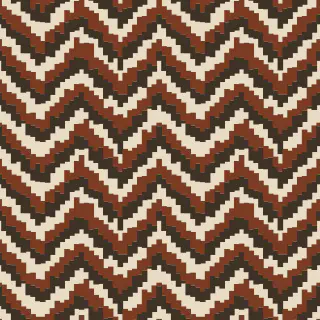
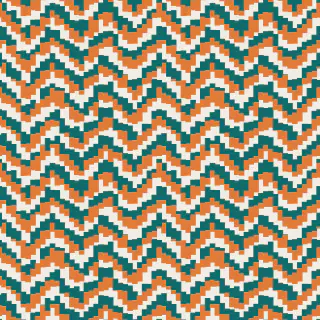
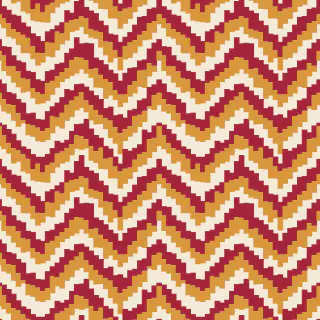
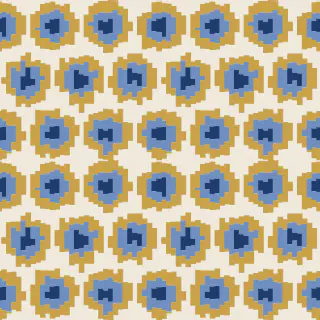
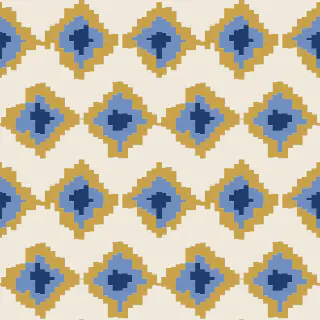
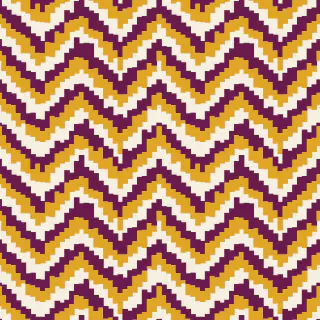
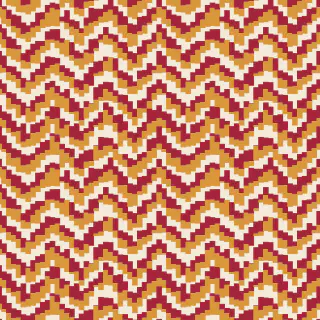
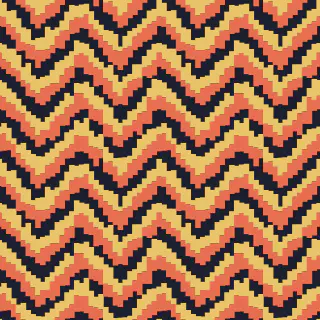
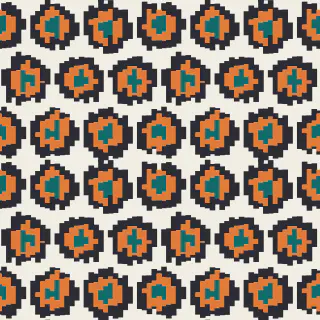
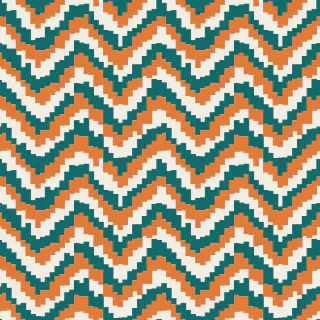
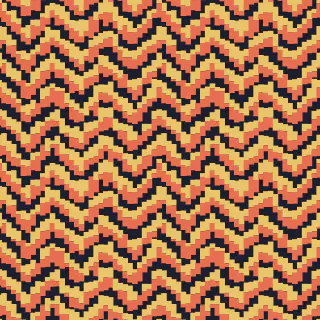
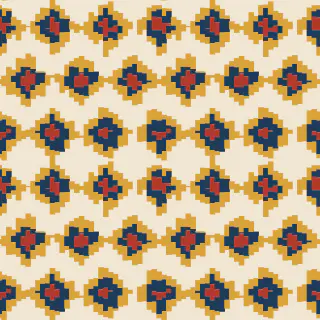
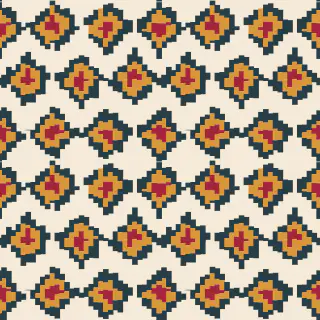
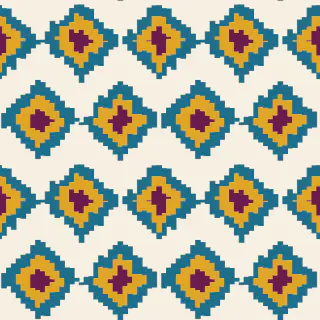
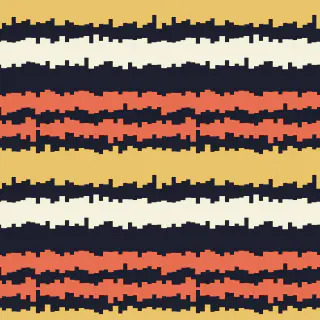
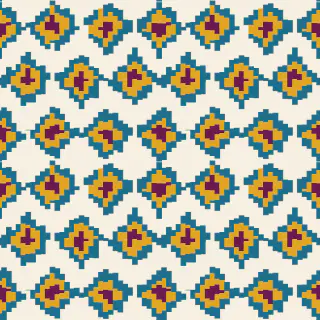
Diamonds, chevrons, medallions and stripes with the soft, feathered edges of ikat cloth.

No patterns match this color.
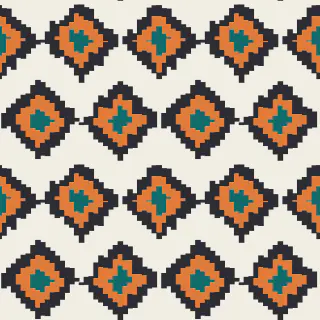
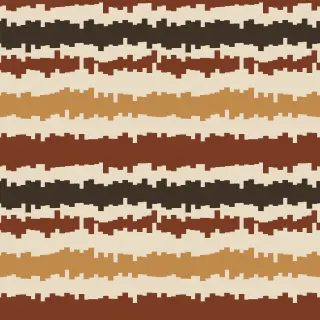
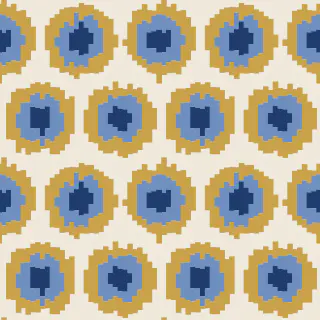
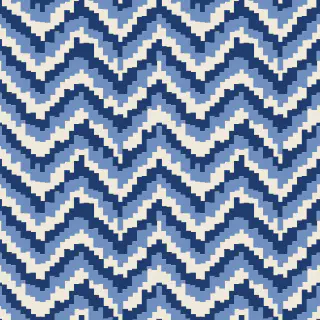
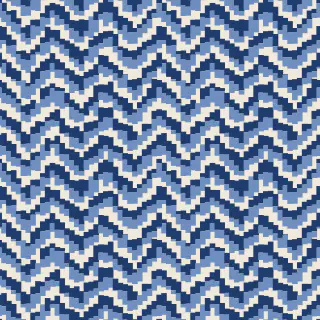
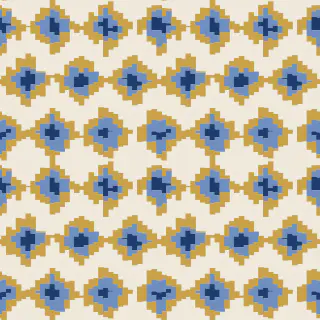
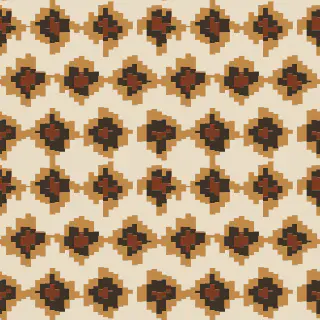
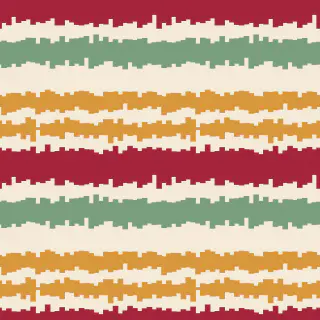
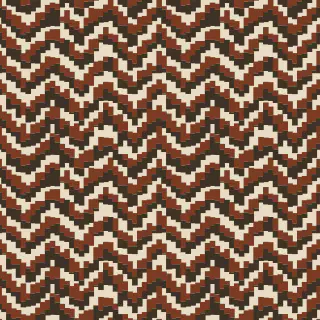
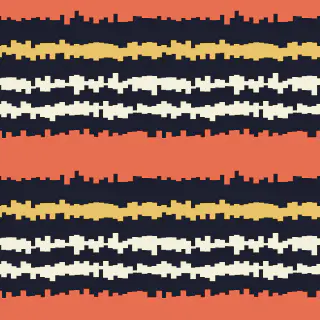
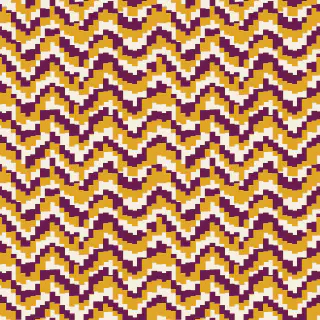
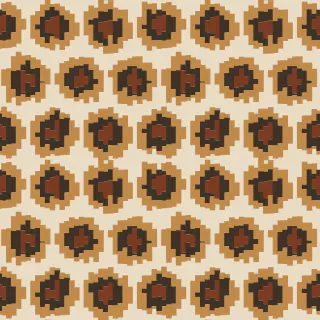
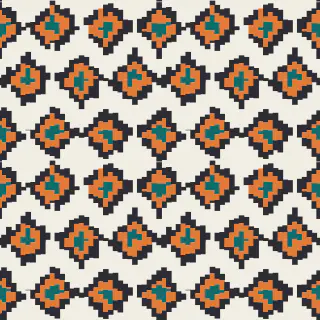
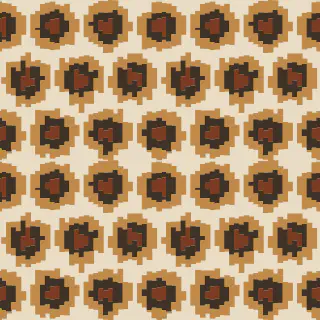
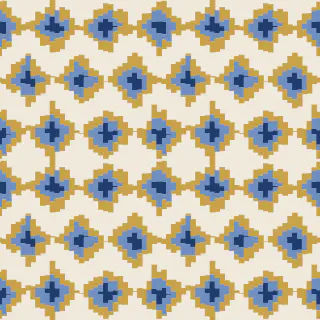
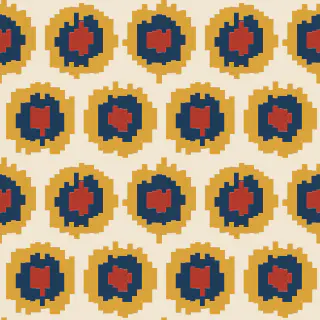
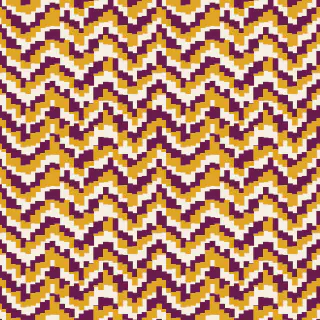
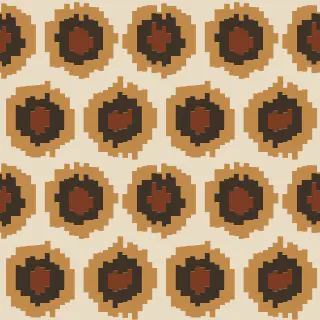
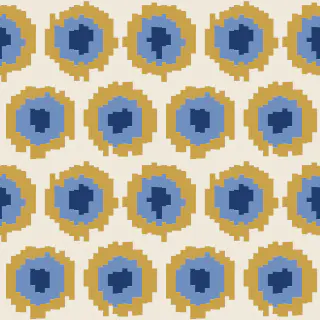
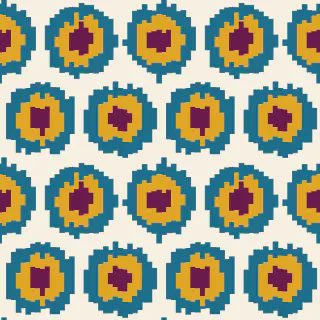
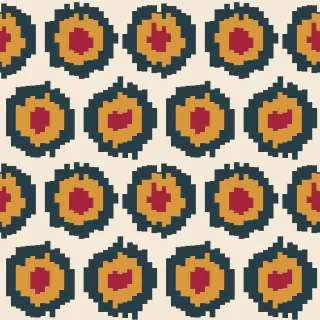
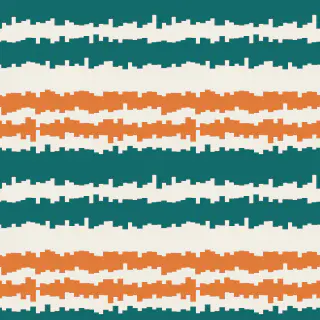
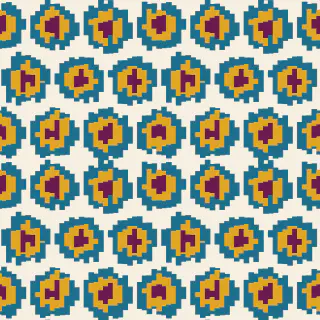
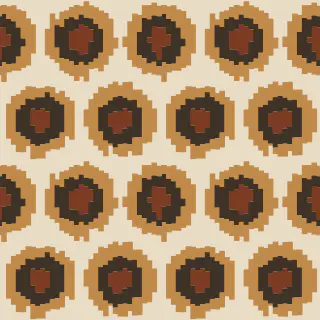
Each motif is cut into narrow vertical streaks. Every streak shifts a little, so the edges feather up and down like dyed threads. Wide streaks and colors that run far give a soft, hand-dyed look; narrow streaks look crisper. Diamonds and medallions sit in staggered rows, chevrons zigzag across the tile, and stripes are bands of uneven widths. Rings add more bands of color inside each motif.
How to use ikat patterns
Ikat suits digital paper and home decor designs, from pillows and table runners to journal covers. Bright silk colors read bold and festive; indigo and earth tones read calm. For sublimation, the vertical streaks look best when the tile runs the same way as the item.
What is ikat?
Ikat is a resist-dyeing method in which the yarns are tied and dyed before they are woven. The dyed parts of the yarn must line up on the loom to form the design, and the small shifts between threads give ikat its blurred edges. The name comes from an Indonesian and Malay word for tying. Ikat is woven in many places, among them Indonesia, India, Central Asia, Japan and Latin America, and the silk ikats of Central Asia are famous for their bold colors.
Sources: Ikat (Wikipedia)