styles
Herringbone patterns
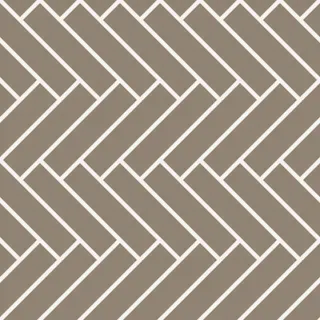
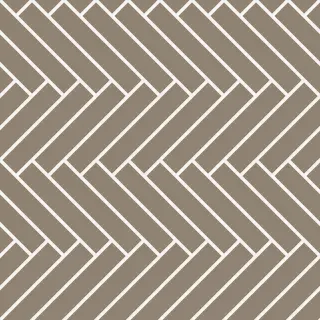
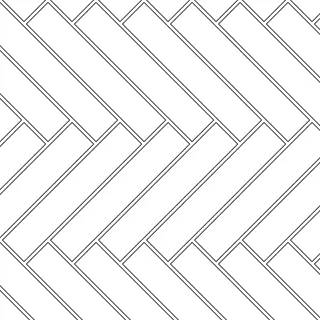
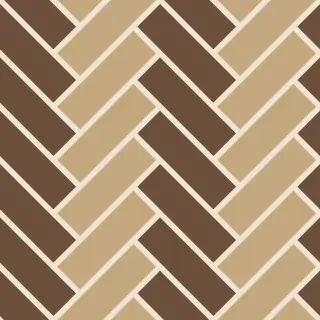
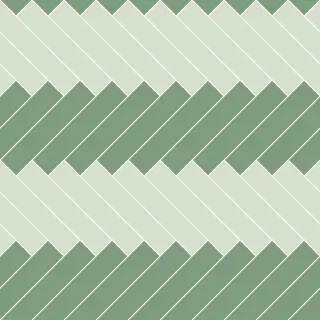
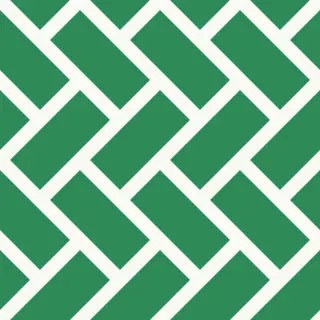
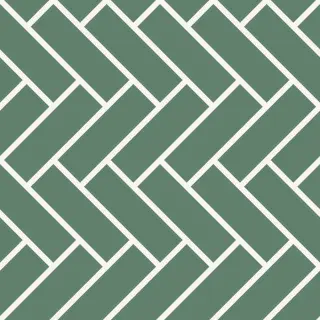
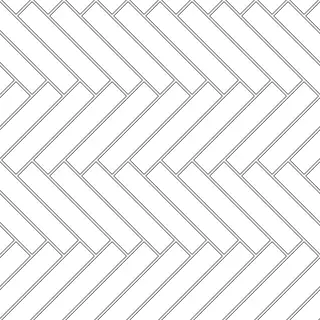
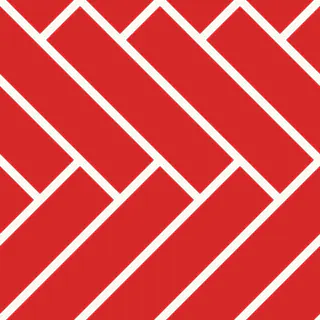
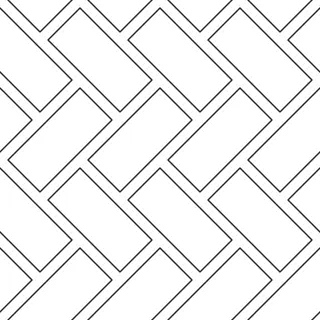
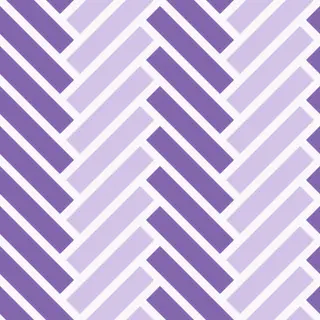
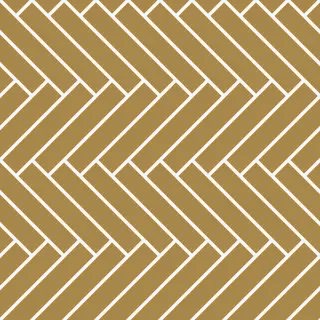
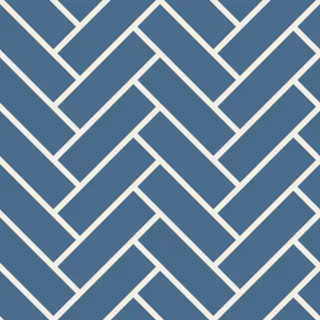
Herringbone is a zigzag that breaks at every turn: short bars meet at right angles in V-shaped rows.
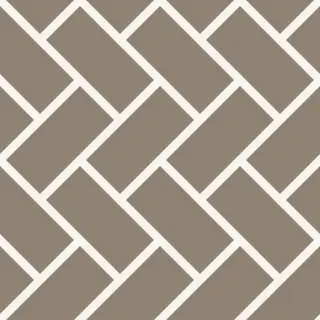
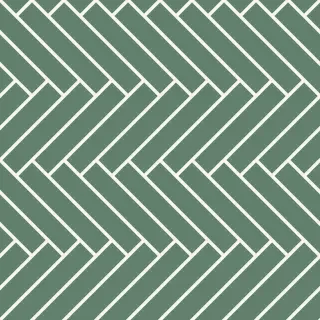
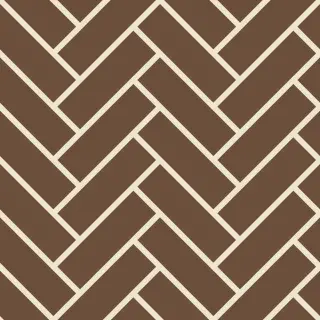
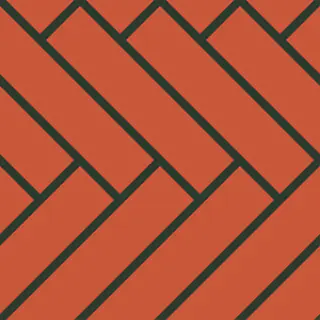



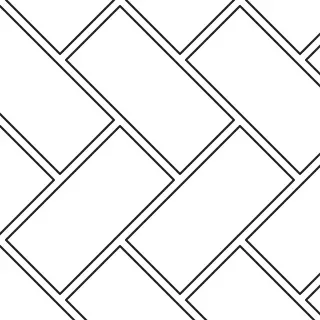
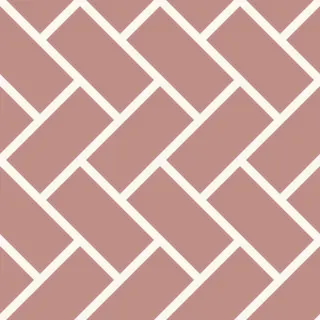
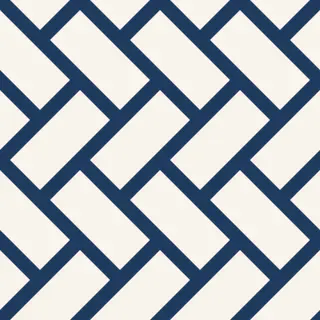
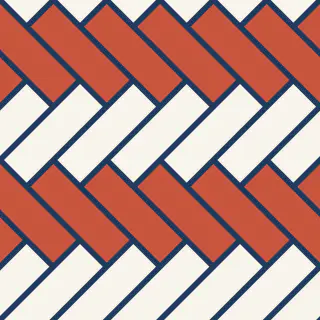
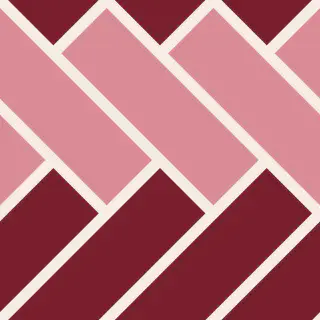
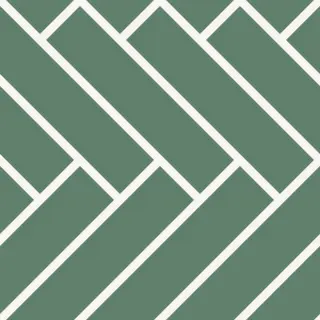
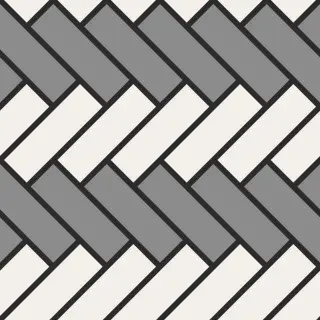
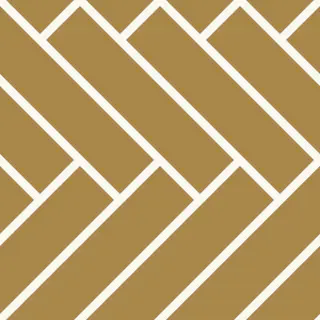
No patterns match this color.
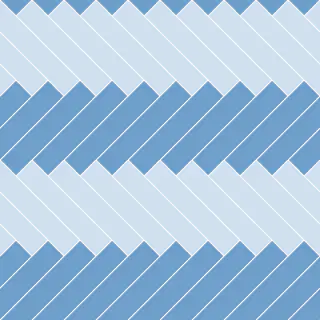
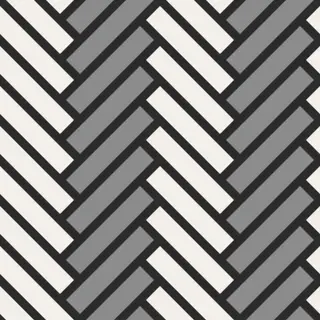
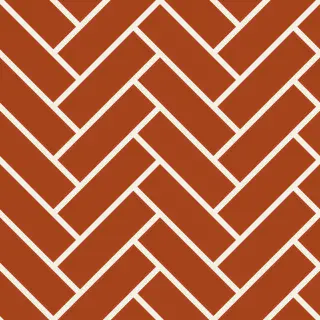
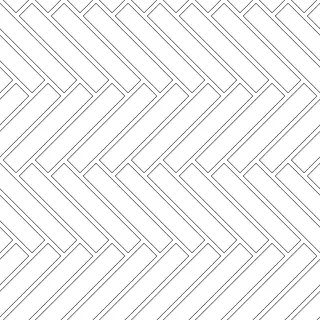
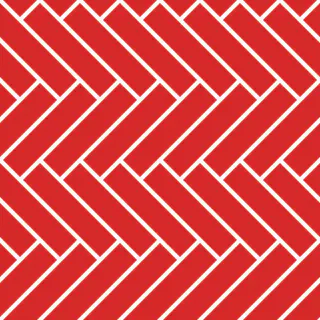
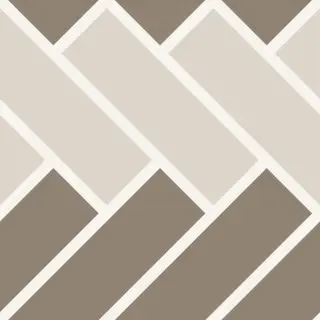
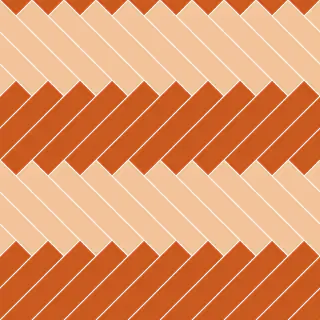
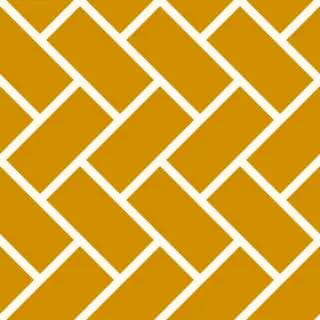
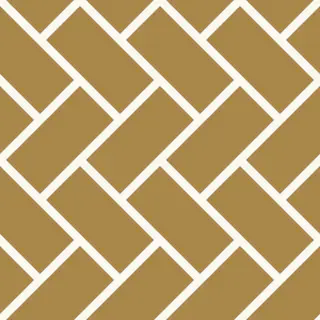
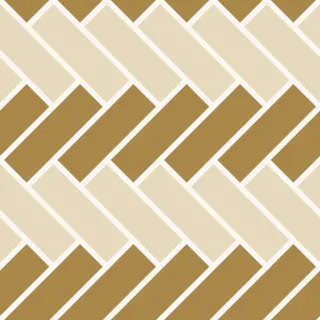
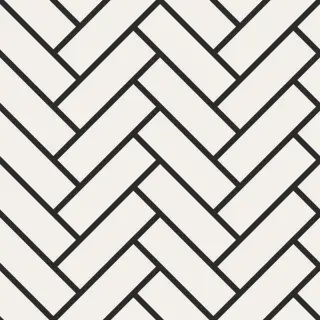
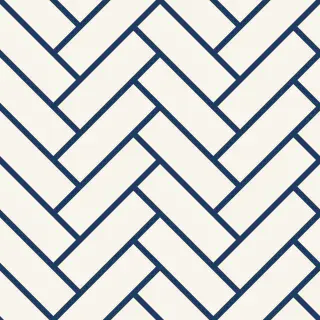
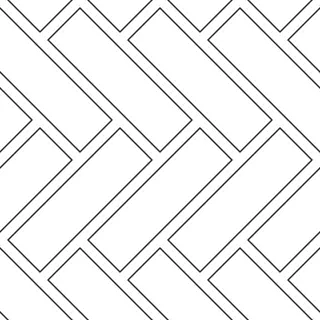
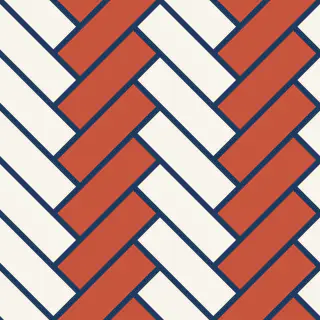
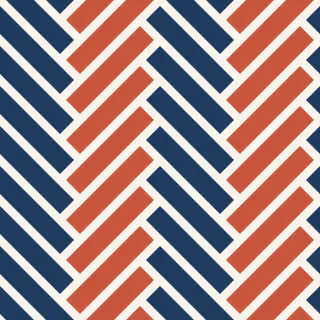
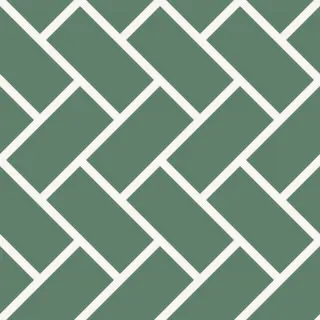
These herringbone patterns are laid out as planks. Each plank is a short rectangle; one set lies at plus 45 degrees, the next at minus 45, and each plank butts against the side of its neighbor. A thin joint of ground color shows between them. Planks run from two to five times as long as they are wide, and the joints from hairline to wide. With a third color, the two plank directions take different colors, which makes the V rows stand out.
How to use herringbone patterns
Herringbone gives a sense of direction, so the angle matters. Turn it 90 degrees to run the V rows up the page rather than across. Wood tones on a cream joint suit book covers, recipe binders and kitchen labels; a gray on gray gives a quiet texture for a card background.
On a cutting machine, a wide joint makes the planks separate pieces that can be cut and laid as an inlay; narrow joints are fragile. For printing, large planks with light joints use less ink than a dark ground. Herringbone pairs with plain stripes and windowpane checks, which share its straight edges.
What is herringbone in cloth?
In weaving, herringbone is a broken twill: a V-shaped pattern in twill fabric, named for its likeness to the skeleton of a herring. What sets it apart from a plain chevron is the break at each reversal, which makes it look like a broken zigzag. Woven examples are old: wool leggings with a 2/2 herringbone weave from the Alps date to about 800 to 500 BC, and a piece was found at Pompeii. Today it is a common cloth for suits and coats, and tweed is often woven this way.
Sources: Herringbone (cloth) (Wikipedia)