styles
Fretwork patterns
Fretwork is ornament made of straight lines: the Greek key turns back on itself at right angles, and the lattices cross on a grid.


No patterns match this color.
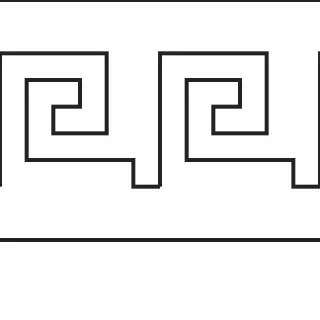
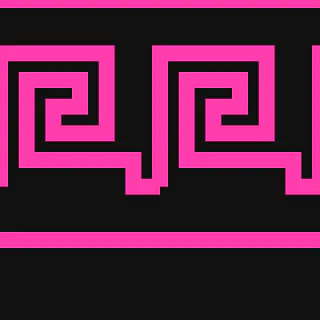
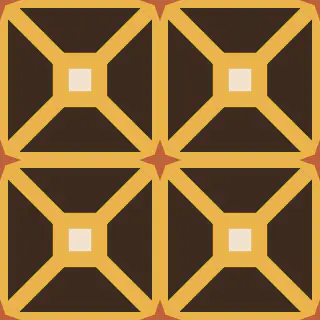
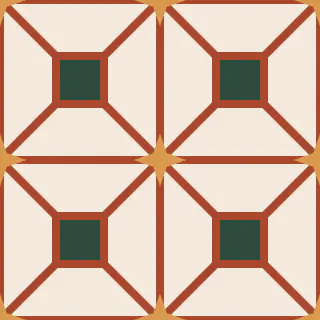
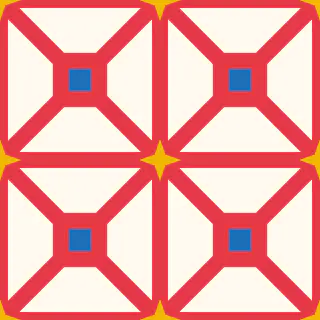
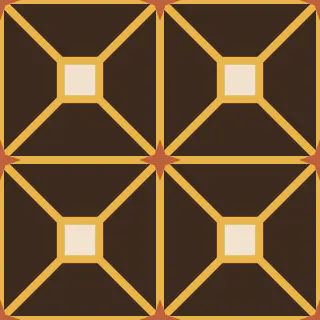
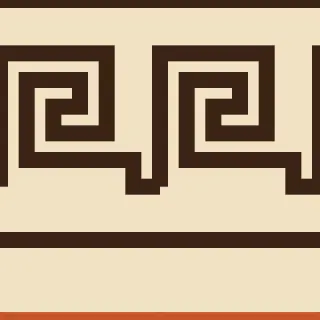
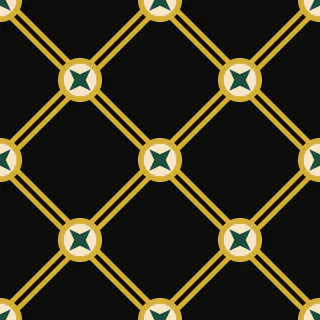
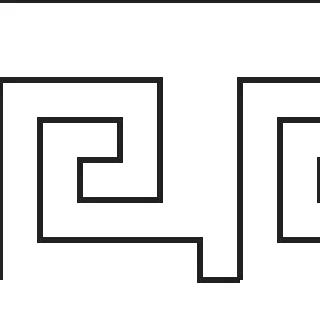
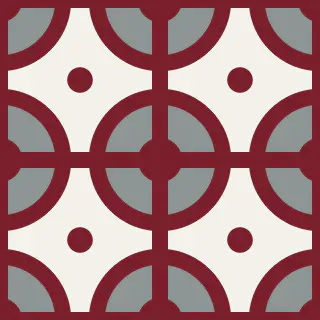
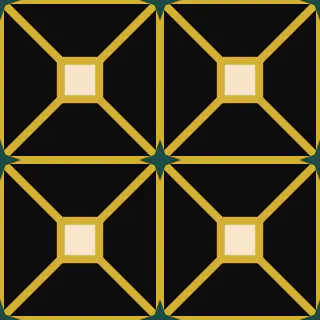
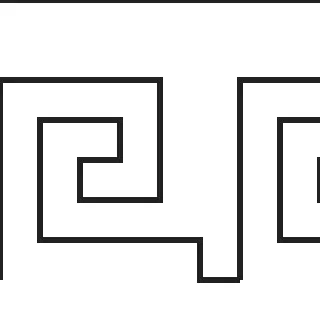
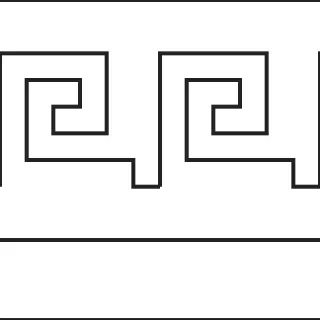
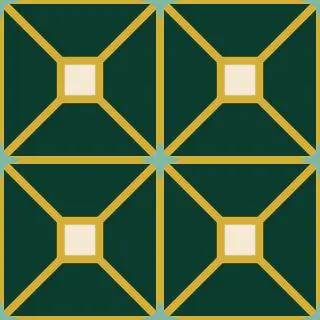
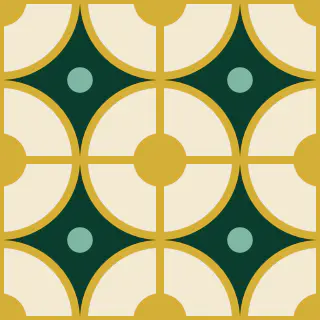
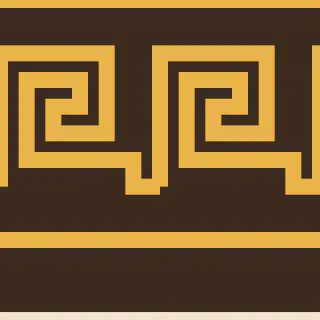
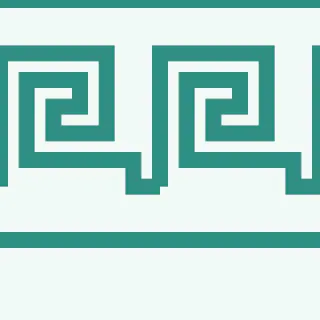
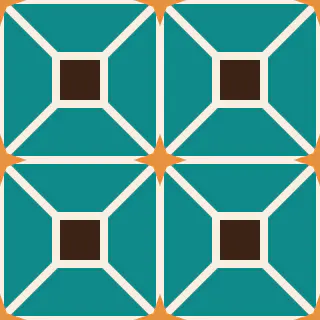
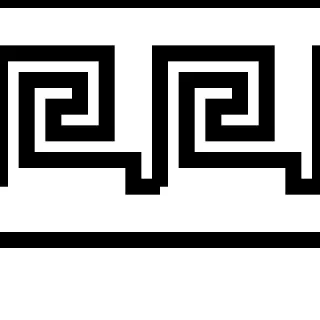
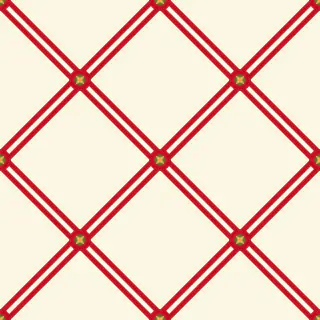
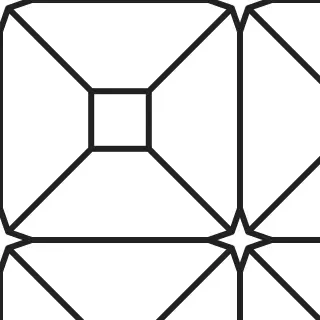
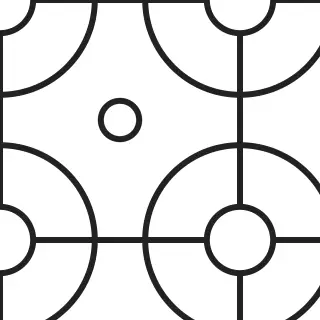
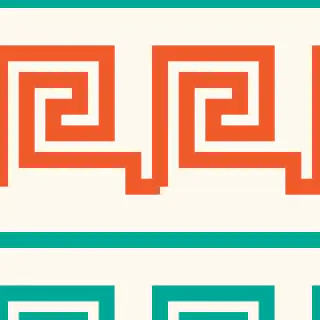
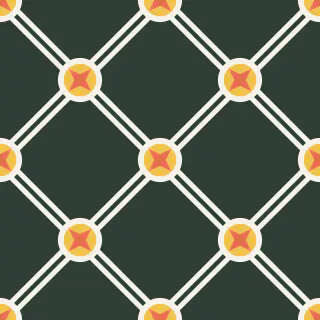
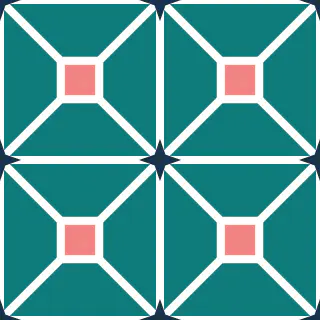
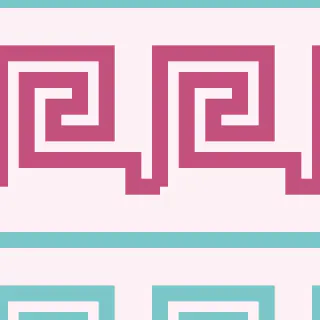
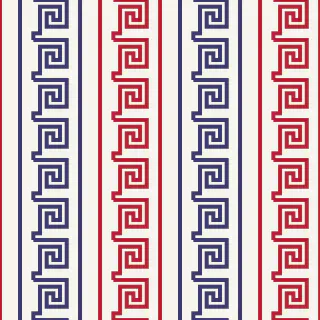
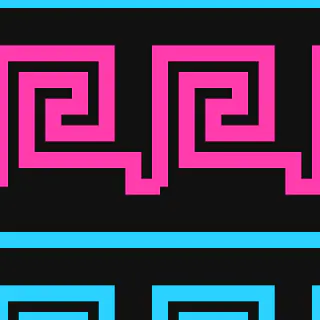
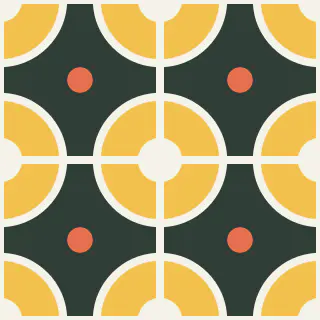
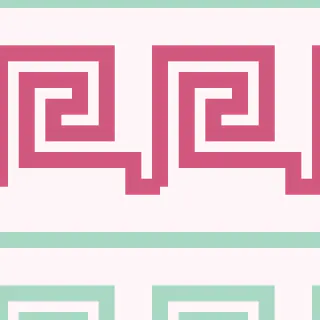
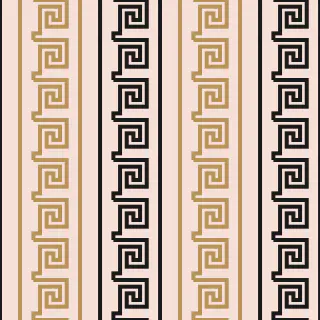
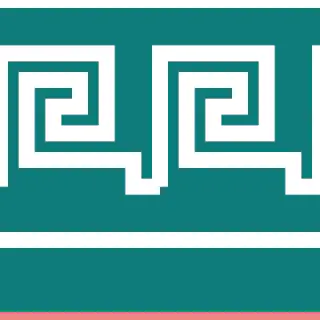
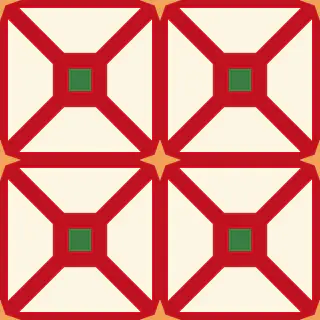
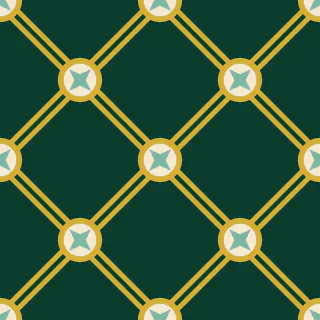
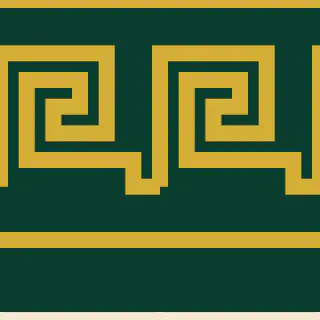
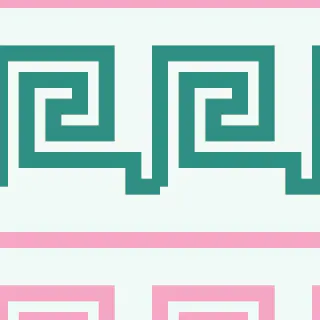
The Greek key runs one meander per row between two straight rails. With three or more colors, alternate rows take a second color. Three other fretwork patterns are lattices. Chippendale is a square grid crossed by both diagonals, with a small square and star where they meet. Garden lattice is a diagonal net of broad slats, each with a thin ground line down its middle and a rosette at each crossing. Window is a square grid with quarter circles at the corners, which join into round openings.
How to use fretwork patterns
Greek key bands work as borders: print a sheet and cut it into strips for the edge of a card, a shelf or a page. Right-angle lines are easy to cut on a Cricut or a laser, but the narrow gaps inside the key need a thicker line to hold together. The lattices make tidy backgrounds behind labels. For curved lattices as well, see lattice patterns, which add the Moroccan trellis.
Where does the Greek key come from?
The meander is a border built from one continuous line, shaped into a repeated motif. “Greek key” and “Greek fret” are modern names for it. The name recalls the Maeander River in Asia Minor, whose winding course the line resembles. Meanders were common in ancient Greek and Roman friezes and on Greek pottery from the Geometric period on. The motif also appears far from Greece: a labyrinthine form known as the thunder pattern is found on Shang bronzes in China, and meanders occur in Maya and Aztec art.
Sources: Meander (art) (Wikipedia)