styles
Cross-stitch patterns
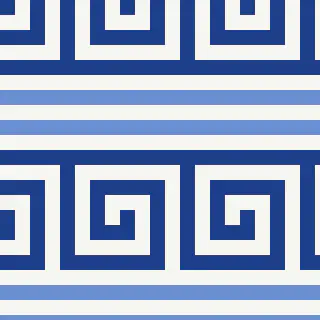
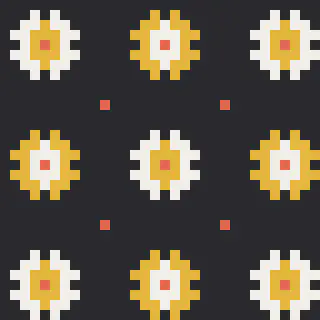
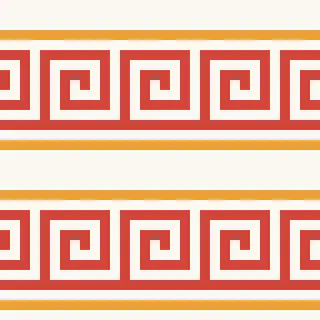
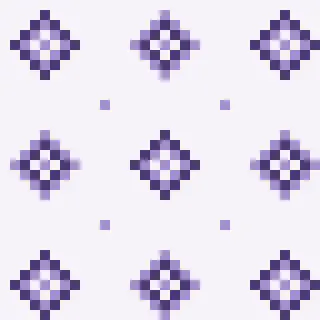
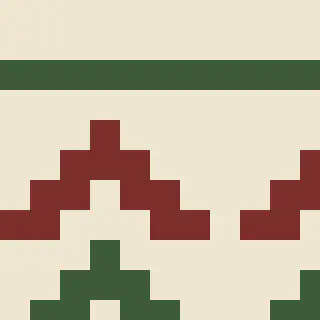
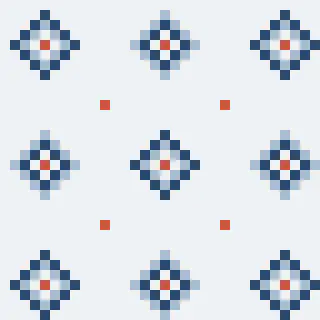
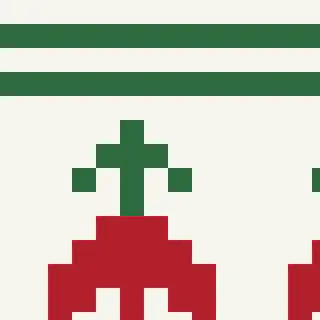
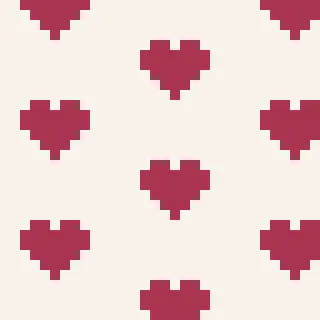
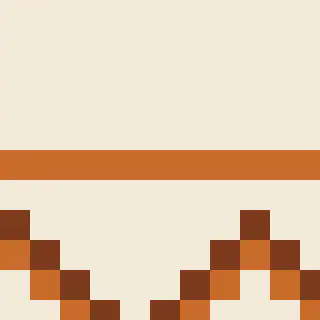
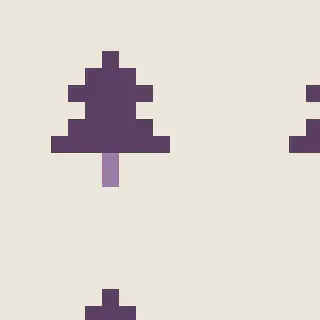
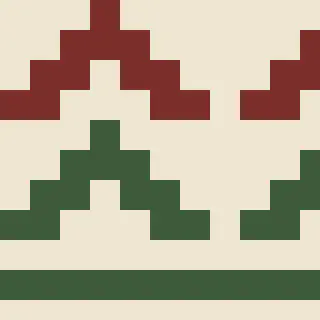
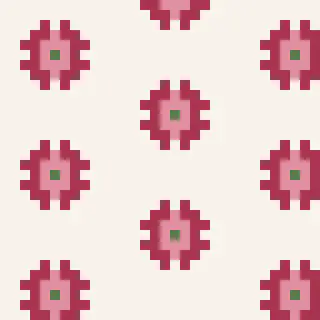
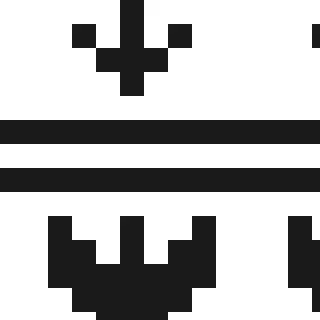
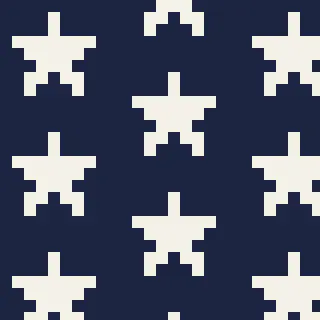
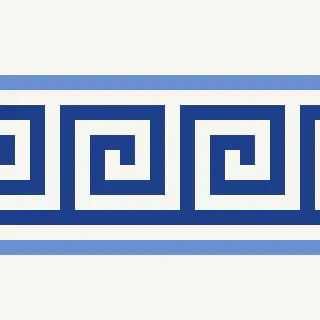
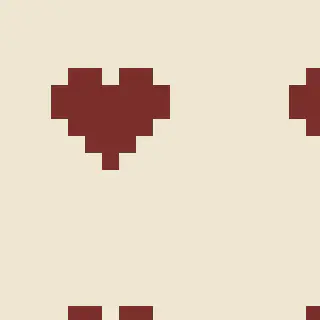
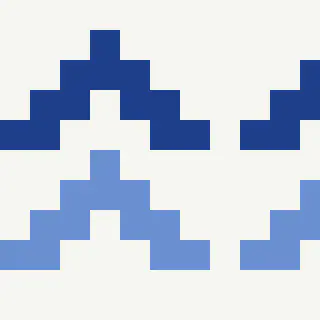
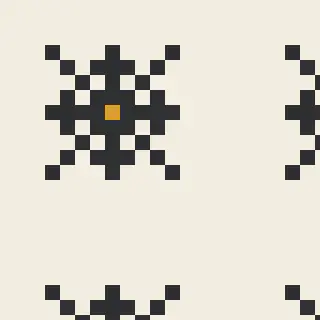
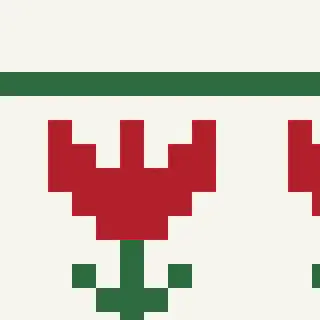
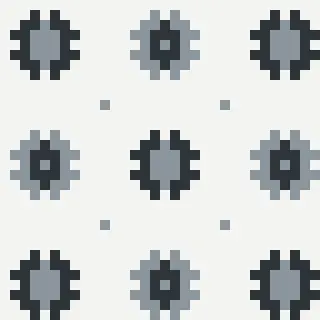
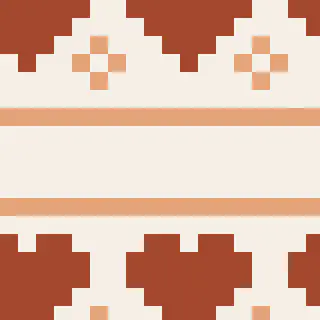
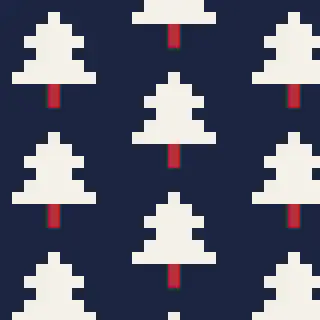
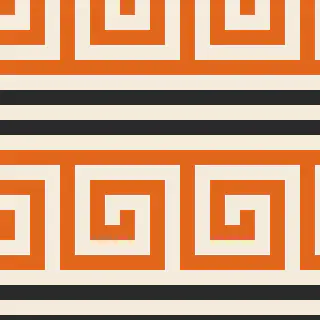
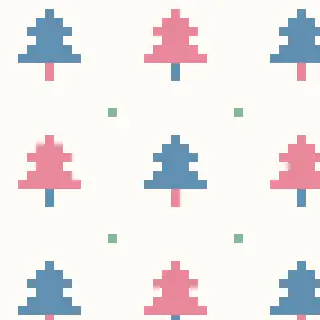
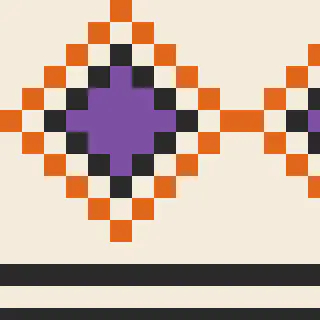
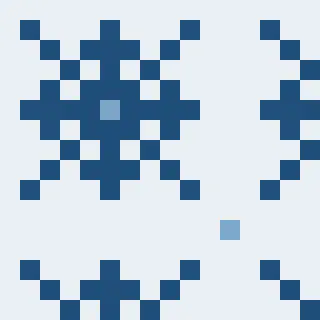
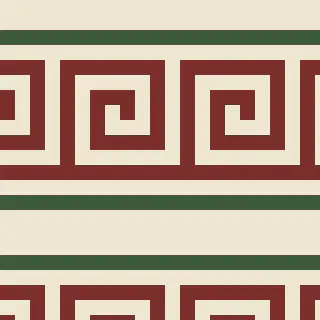
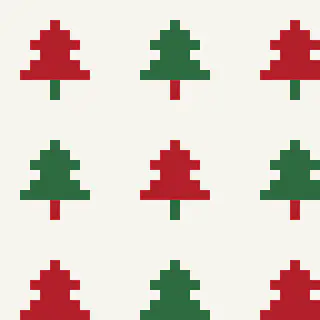
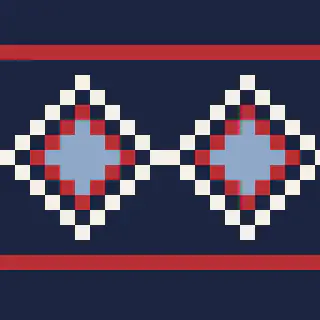
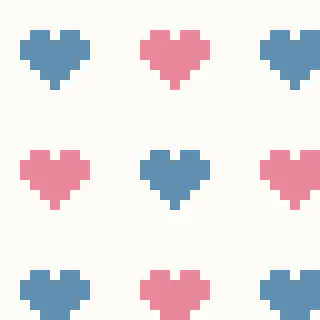
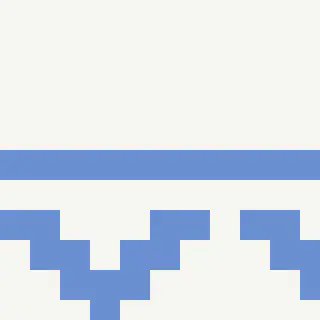
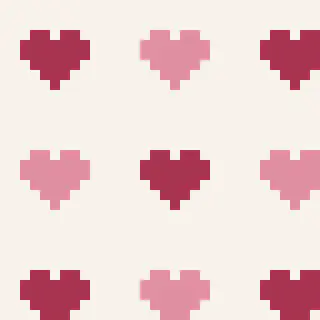
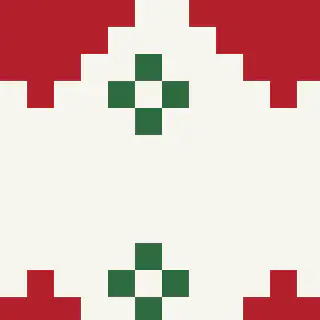
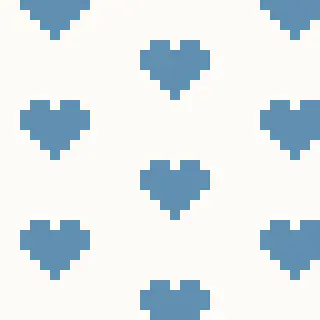
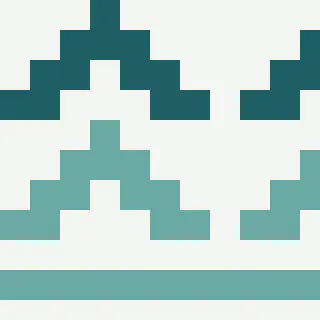
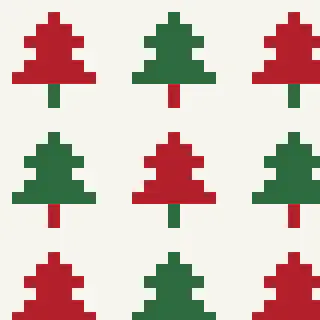
Every square in these charts is one stitch: a single color per cell, set on a grid you can count.
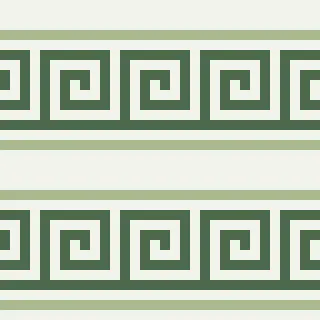
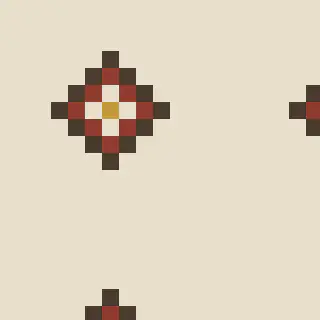
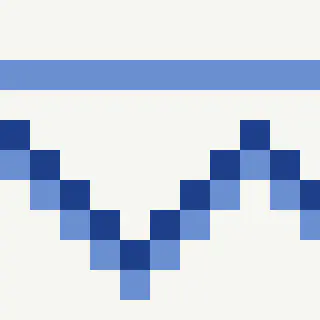
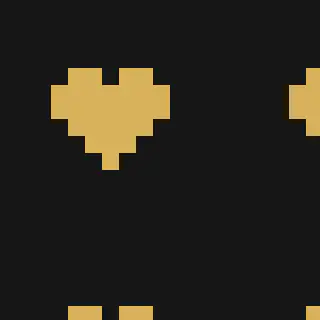
No patterns match this color.
Cross-stitch is counted-thread embroidery. Each stitch is a small X worked over the grid of an even-weave cloth such as linen or Aida, and the rows of Xs build up a picture much like pixels on a screen. Because the stitcher counts threads rather than following a line printed on the fabric, one chart can be worked on any count of cloth.
Which cross-stitch chart to pick: motifs or borders
Motifs are small pictures (hearts, stars, snowflakes, trees, flowers) spread as an all-over repeat. Borders are narrow bands that run along one line and are stacked down the page with plain rows between them. Pick motifs for a filled area such as a pillow top or card front; pick borders for an edge, a towel hem or the frame of a sampler.
Reading and sizing a chart
The charts show one color per cell. There is no floss key or symbol chart, so match each color to a thread by eye. Stitched size depends on the cloth: the same chart comes out largest on 14-count Aida and smaller on 16 or 18. Making a chart bigger in the pattern generator only changes how it looks on screen, not how many stitches it has. The Letter and A4 sheets print at 300 dpi, which keeps the cell lines crisp enough to count with a pencil.
Where does cross-stitch come from?
The craft has been practiced since the Middle Ages, and folk museums hold clothing decorated with it, especially from continental Europe and Asia. Household linens, tablecloths and dishcloths were often stitched only along a border. Samplers were practice pieces that recorded alphabets and patterns for later use.
Sources: Cross-stitch (Wikipedia)