styles
Cross-stitch borders patterns
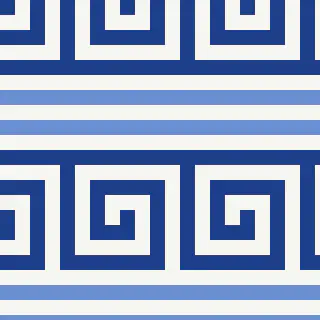
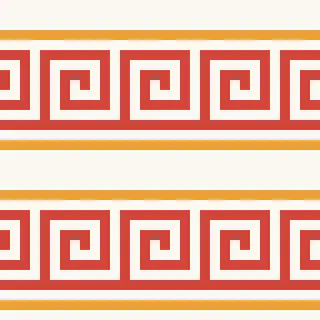
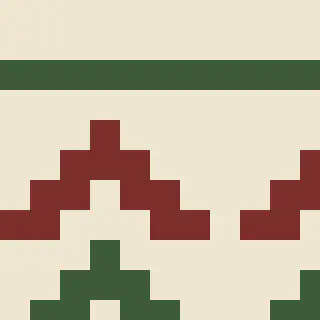
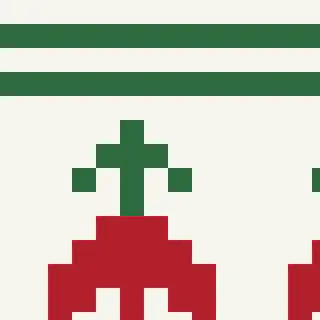
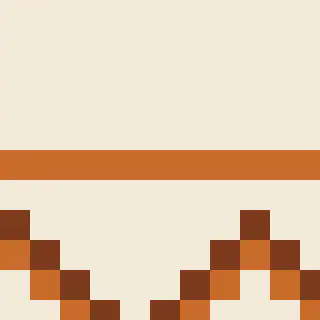
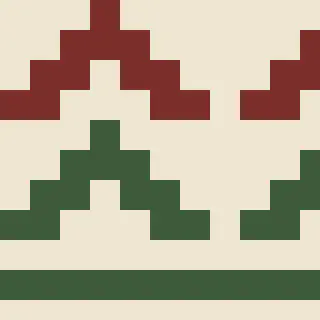
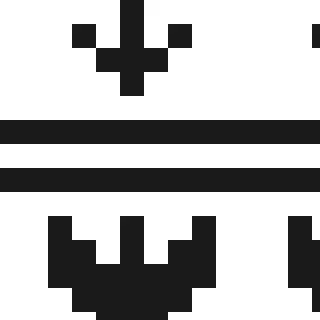
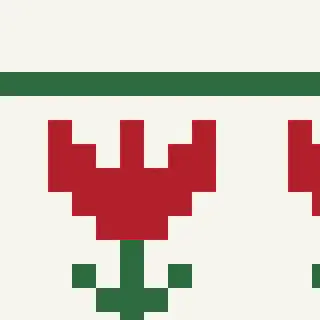
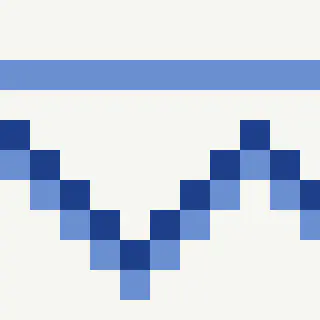
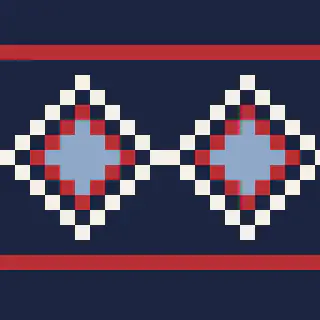
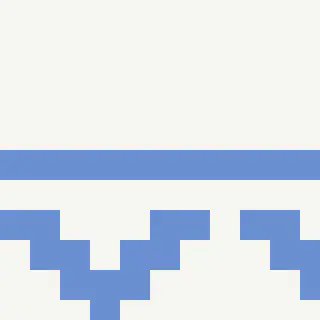
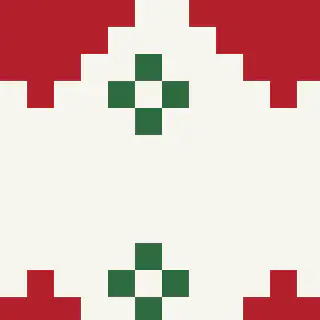
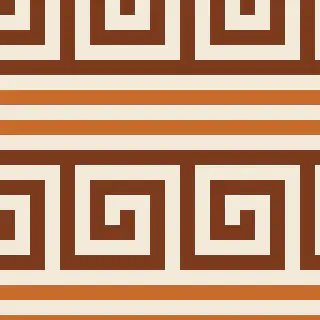
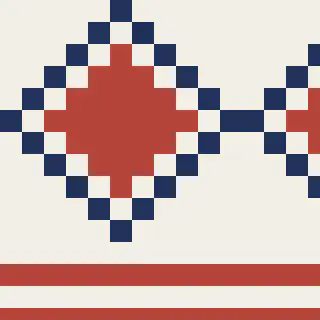
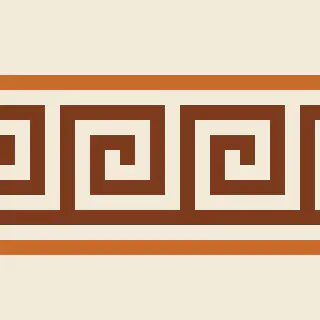
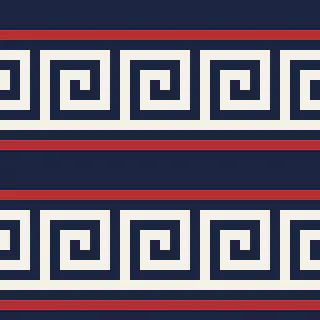
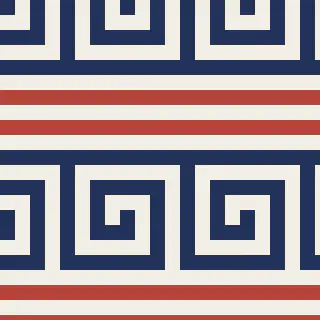
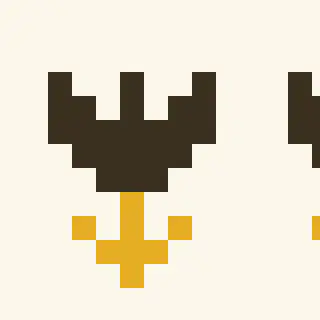
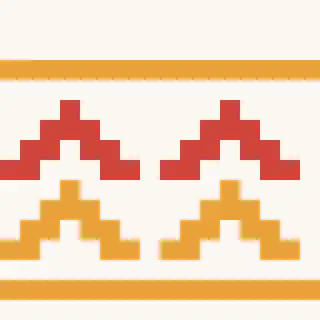
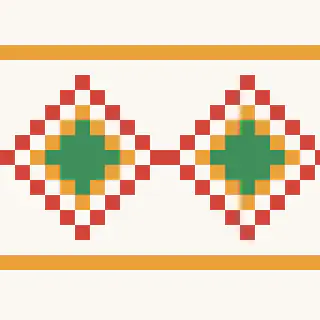
A narrow band motif that repeats along a row: key, zigzag, hearts, tulips, arrows or a diamond chain.








No patterns match this color.
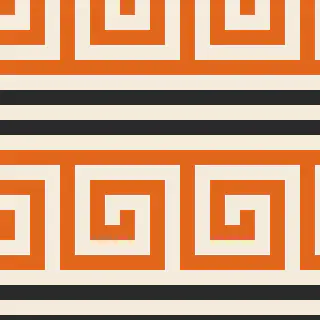
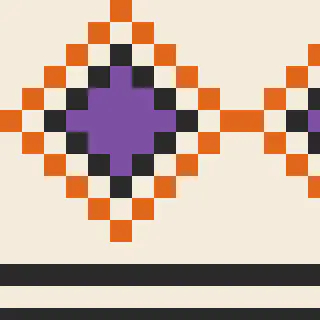
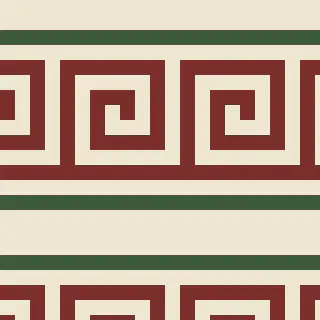
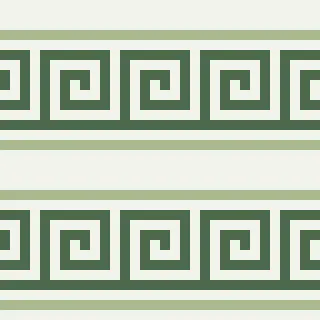
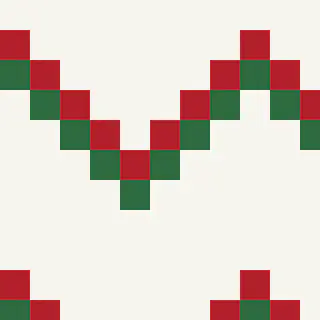
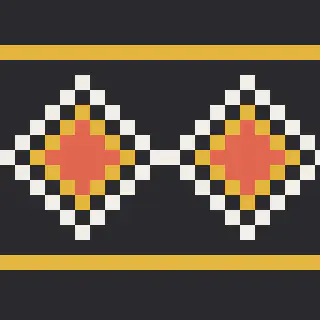
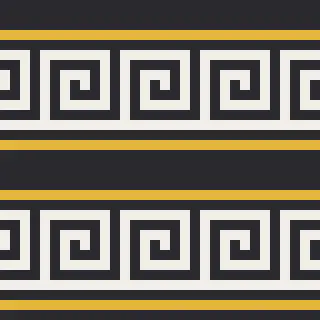
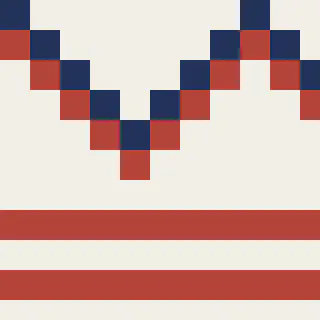
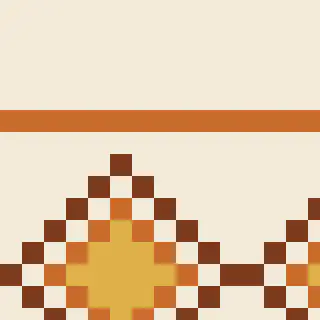
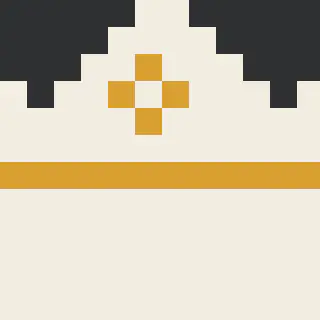
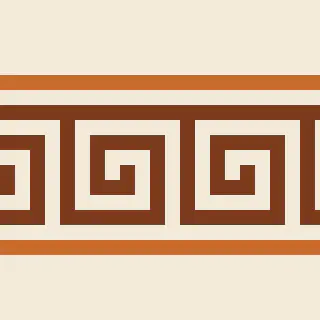
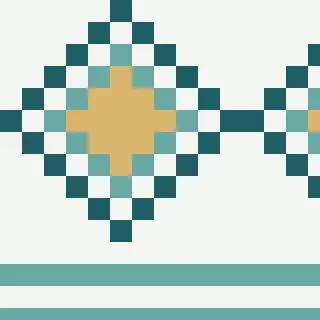
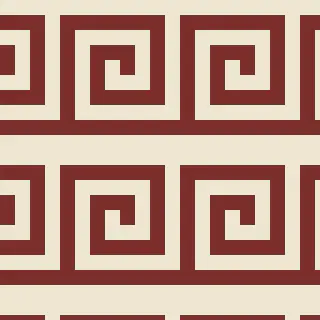
A border chart is built from one short period, six to twelve stitches wide, that repeats sideways as far as you need. The bands are a Greek-key style meander, a zigzag, a row of hearts, a chain of diamonds, tulips and arrows. Each band is repeated down the tile with plain rows in between, so one download holds several copies to choose from.
Which border to pick
Some borders have edge lines: a solid line of the second color above and below each band, one row clear of it, which frames the band like a ribbon. In mirrored borders every other band flips top to bottom, so tulips and arrows point toward each other in pairs. The bands sit close together or with more plain rows between them.
Where borders go
Stitching only along an edge is an old habit in household linen: tablecloths, dishcloths and doilies were often worked along a border and left plain elsewhere. A band works the same way today on a hand towel, a pillowcase hem, a bookmark or the top and bottom of a sampler.
Fitting a border to your cloth
Because the period is short, a border fits almost any width. Count the stitches across the area, divide by the band’s period, and center the repeat so the band ends the same way on both sides. If it does not divide evenly, leave the extra stitches at the ends or add a stitch of the edge color at each corner. On 14-count Aida, each period is under an inch wide.
The charts show one color per cell, with no floss key, so match the threads by eye. The PNG sheets also work as paper strips for card edges and scrapbook pages.
Sources: Cross-stitch (Wikipedia)