styles
Chevron patterns
A chevron is a V shape. Stacked into continuous bands, it becomes a zigzag that runs across the whole page.
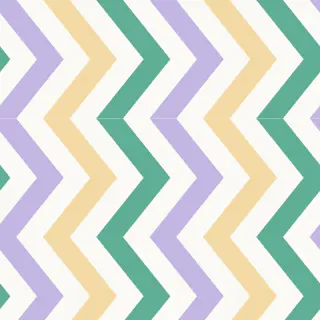
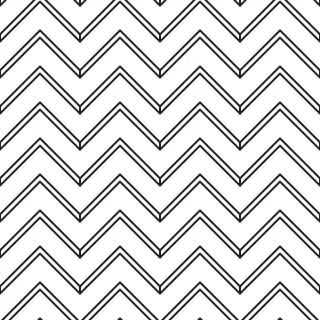
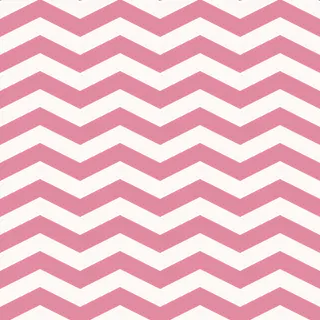
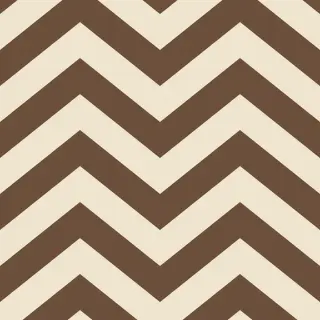
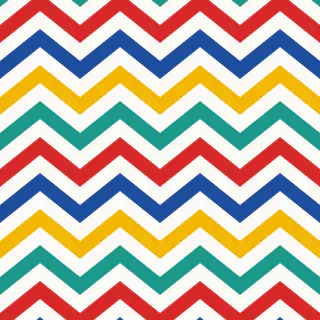
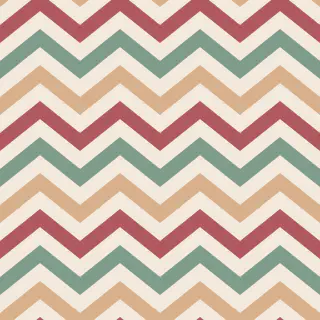
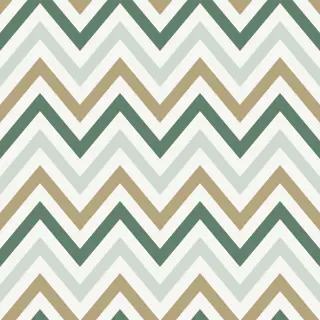
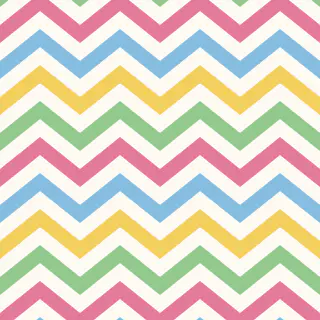
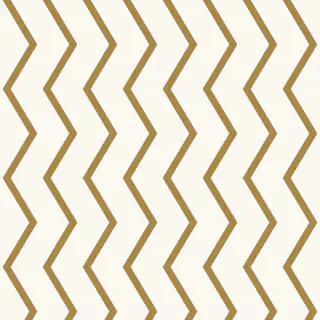
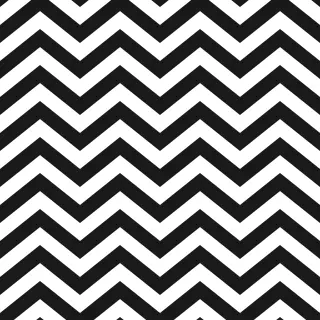
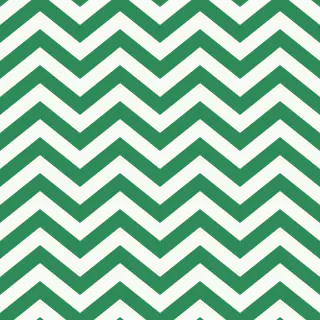
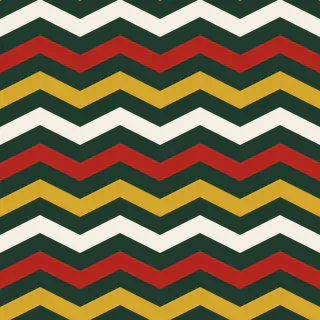
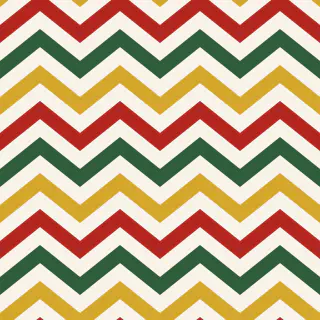
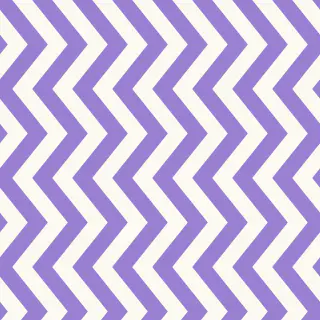
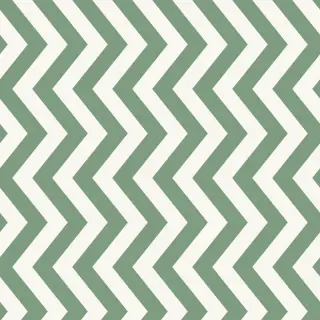
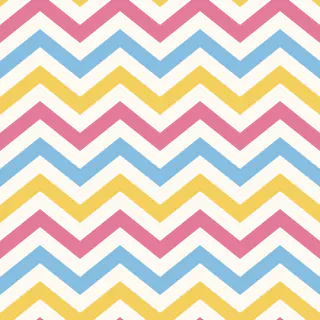
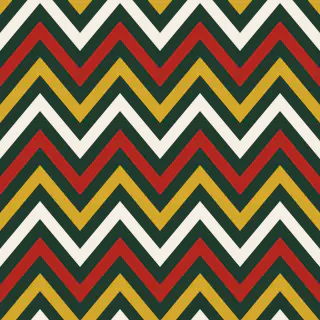
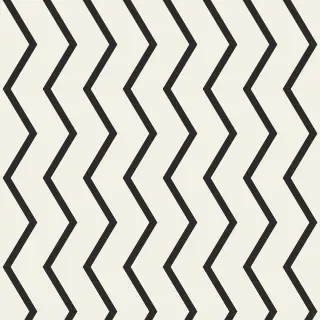
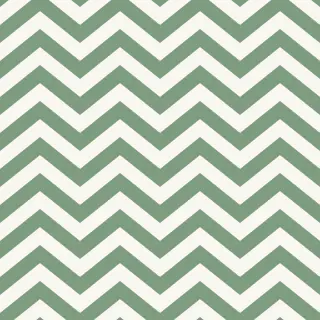
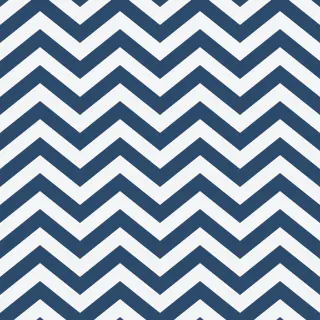
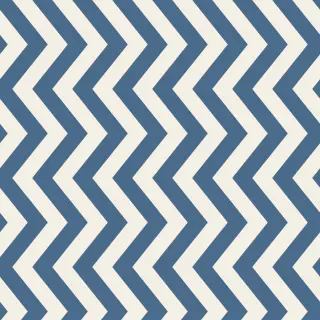
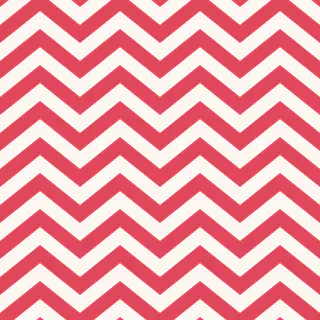
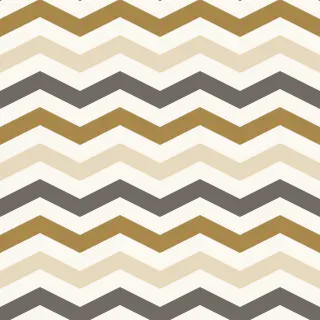
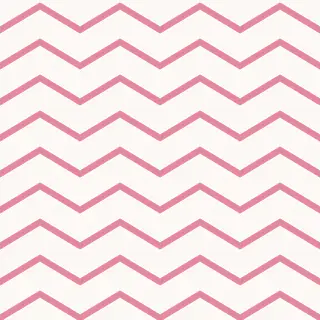
No patterns match this color.
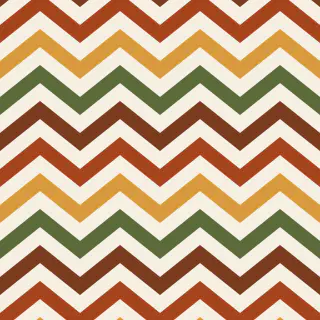
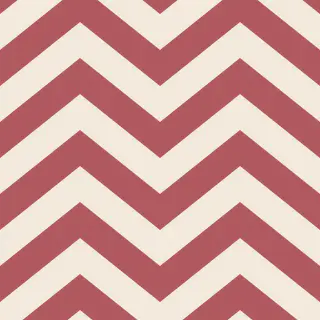
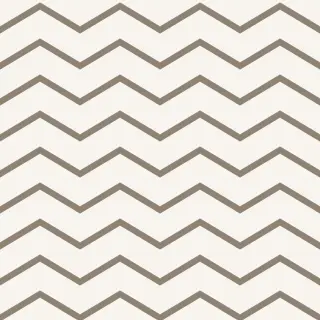
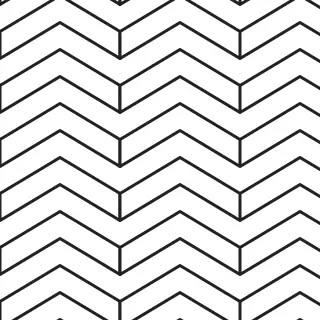
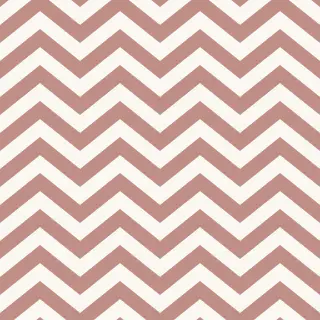
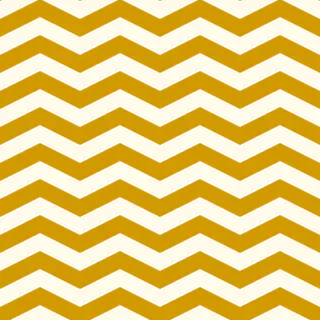
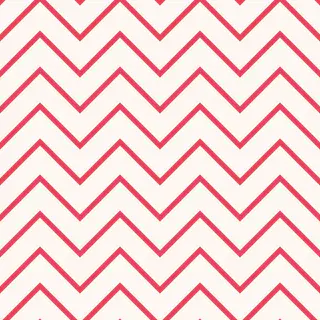
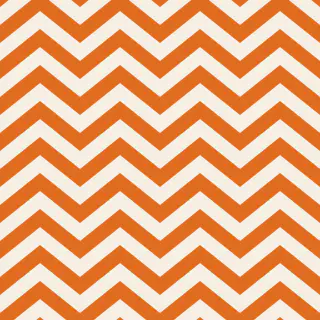
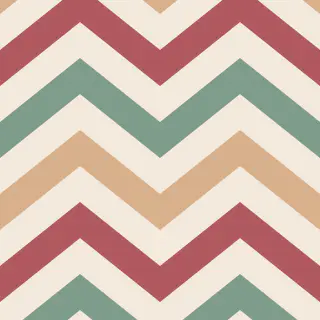
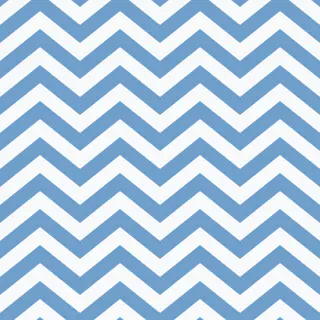
These chevrons are smooth zigzag bands. Each zig is a single V, and the bands stack down the tile with a strip of ground between them.
Which chevron to pick
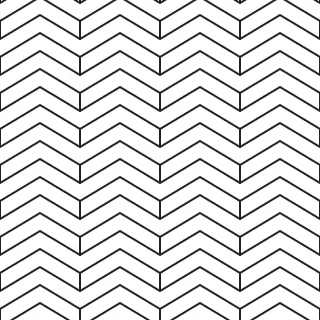
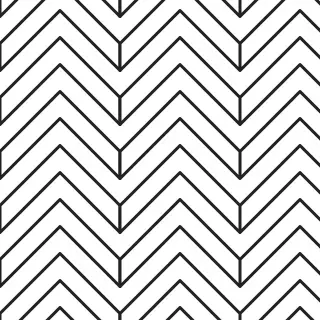
Classic chevrons use one color on the ground in equal bands. Multi-color chevrons step through every color, one band each. Thin-line chevrons turn the bands into narrow zigzag rules. The points run from gentle to steep, and the colored part of each step from narrow to wide.
How to use chevron patterns
Chevron is direction-heavy: the points lead the eye. Run the zigs across a card front, or turn the tile 90 degrees for vertical zigzags on a tall bookmark or a phone wallpaper. Low points give a gentle wave; high ones give sharp peaks.
Multi-color chevrons suit birthday banners and party papers, where each band can match a theme color. For a calmer background, use thin-line chevrons in one color on white; they use very little ink.
On a cutting machine, the classic bands cut cleanly as strips for a layered card. Thin lines are better printed than cut. For cross-stitch or knitting, a chevron maps easily onto a chart, since each zig is a run of steps up and down. Chevron pairs well with polka dots and plain stripes in the same colors.
Where does the chevron come from?
The chevron is a V-shaped mark, often inverted. It appears on pottery and rock carvings across the ancient world and is counted among the oldest symbols people have made. In heraldry it is one of the ordinaries, the basic shapes that coats of arms are built from. Stacked chevrons are also the rank badges of non-commissioned officers in many armies and police forces. Unlike herringbone, a chevron zigzag runs unbroken through each turn.
Sources: Chevron (insignia) (Wikipedia)