styles
Check patterns
A check is any pattern of crossing bands that divides the ground into squares. The kinds run from the fine broken teeth of houndstooth to the big blocks of buffalo check.
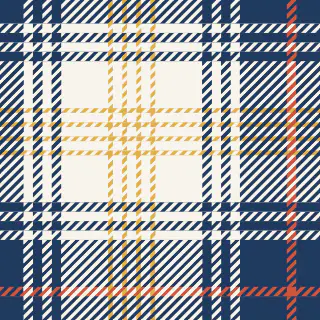
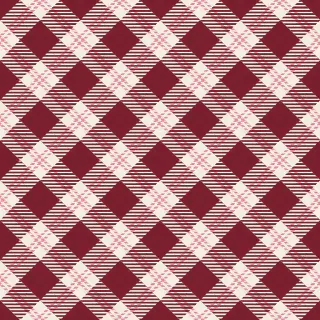
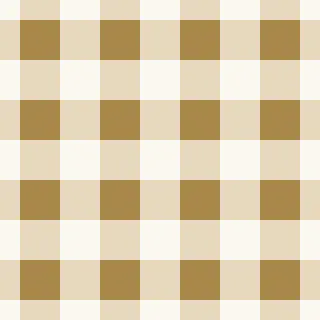
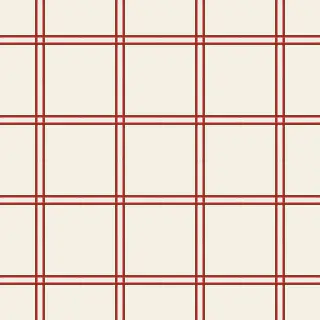
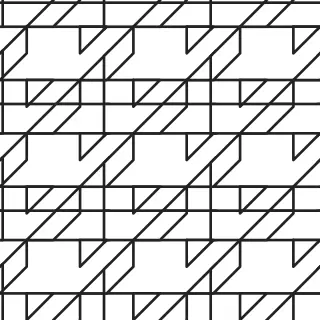
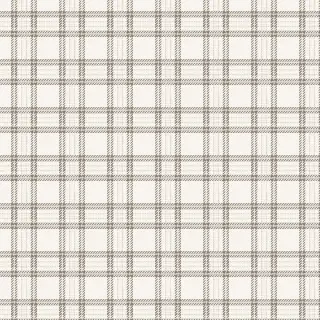
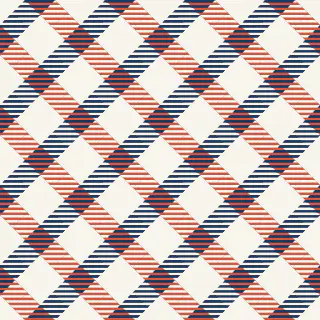
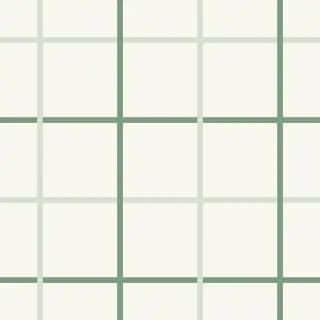
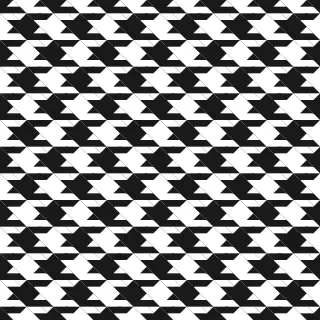
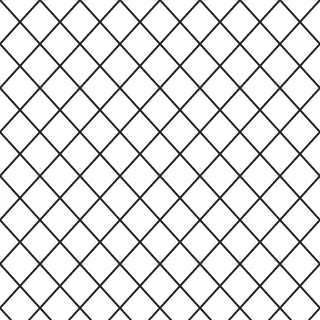
No patterns match this color.
In its simplest form, a check is two colors crossing in horizontal and vertical lines, so that each square sits next to squares of the other color. Every kind below varies one thing: how wide the bands are, how many colors they use, or how the crossing is woven.
How gingham, plaid and other checks differ
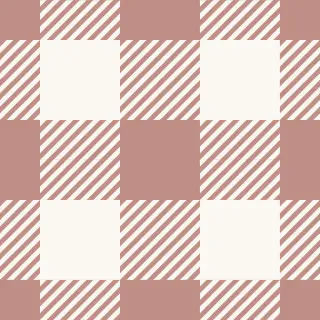
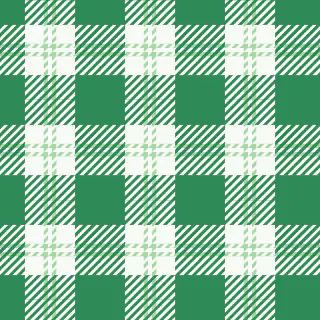
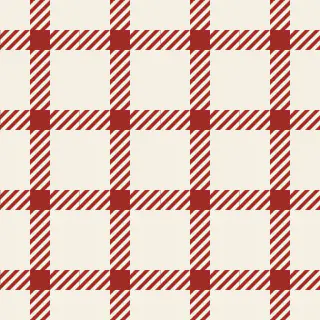
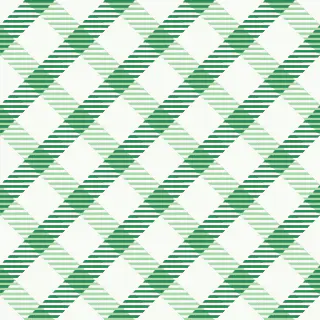
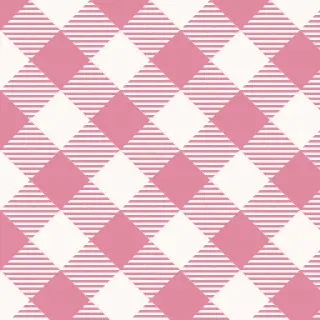
- Gingham: one color on white in even bands, with a lighter tone where a band meets white.
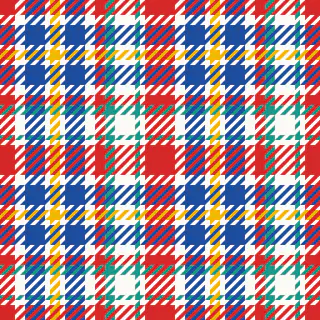
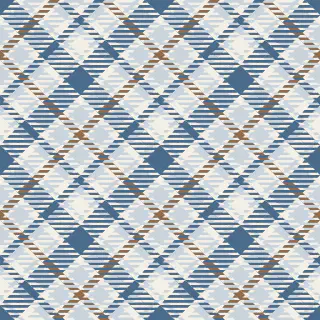
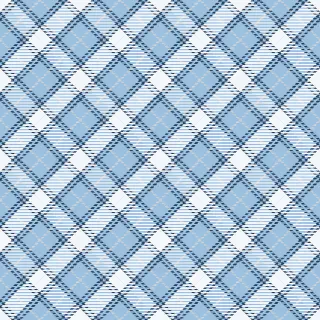
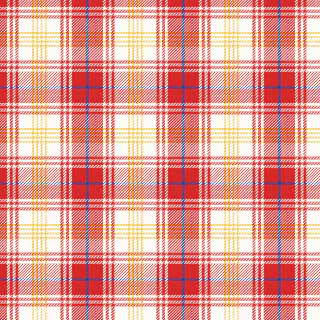
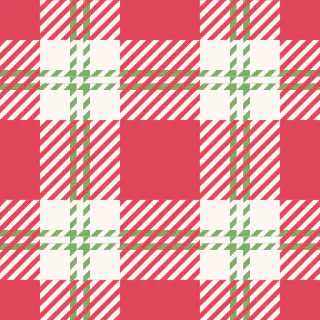
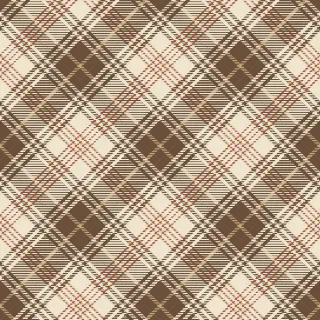
- Plaid and tartan: many bands of different widths and colors, set out in a repeating sequence.
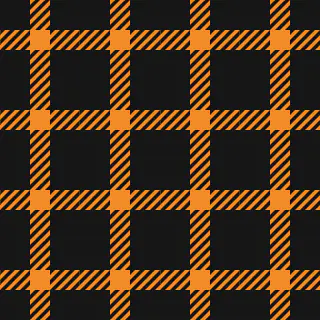
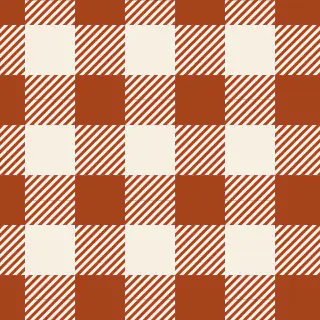
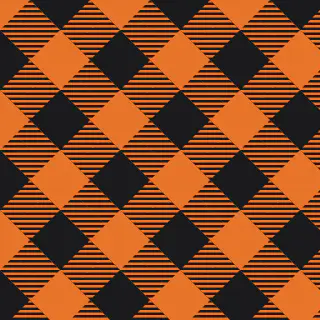
- Buffalo check: a large, even two-color block check with a woven texture.
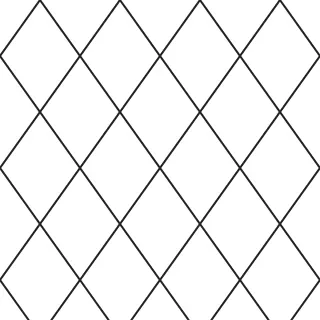
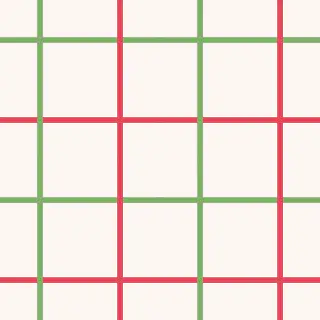
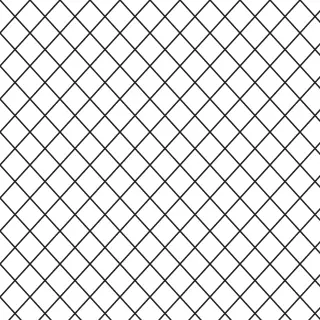
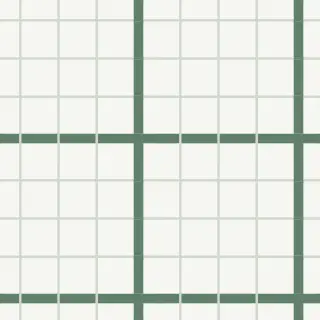
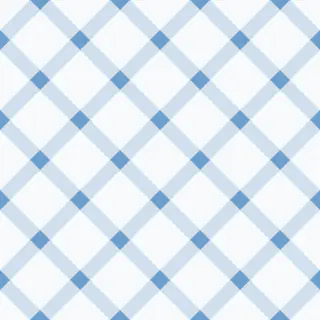
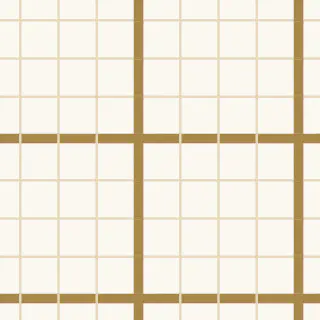
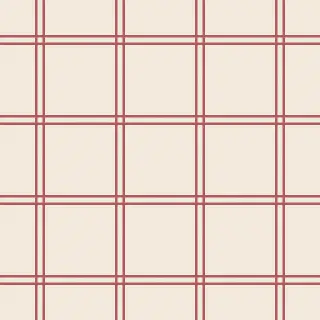
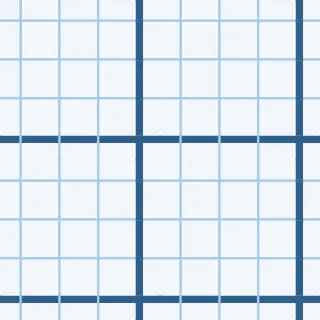
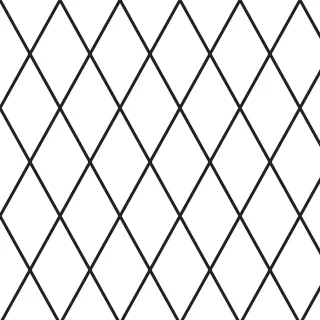
- Windowpane: thin lines on a plain ground, with open squares between them.
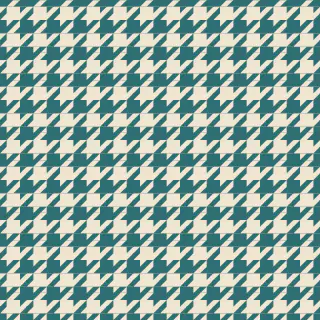
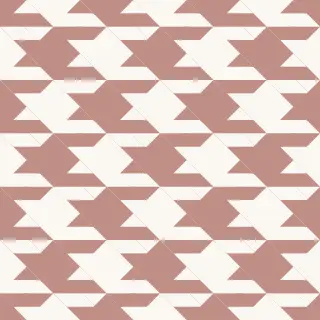
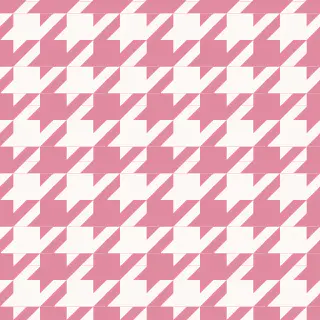
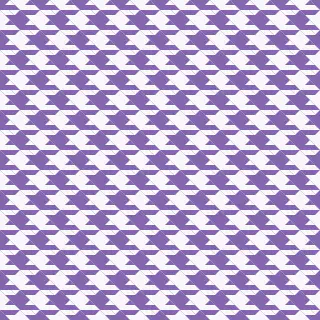
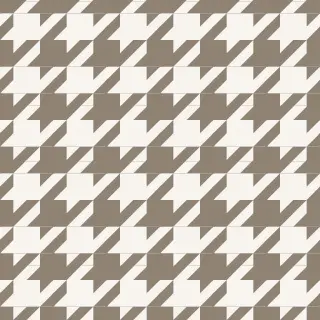
- Houndstooth: a small two-color check broken into jagged points by the weave.
Which check to pick
For a light, open background, windowpane leaves most of the page plain and uses the least ink. Gingham is a step busier but still calm. Plaid carries the most color and detail, so it suits a single feature panel more than a full card. Buffalo check is bold and graphic; houndstooth reads as texture from a distance and as a pattern up close.
Scale matters more with checks than with most styles, because the eye counts the squares. On a Letter or A4 sheet at 300 dpi, a fine check of many small squares looks like a woven fabric; a large one, with only a few blocks across the sheet, looks like a print. For small pieces such as tags or matchbox covers, choose a fine check, or the piece may show only one or two squares. For wrapping a large box, a bigger scale keeps the pattern from turning to gray noise.
Checks also mix with each other: a windowpane and a gingham in the same color make a matched pair of digital papers for a scrapbook spread.
Sources: Check (pattern) (Wikipedia)