styles
Celtic knot patterns
Plaits, panels and open knotwork, with each band passing over, then under, in turn.
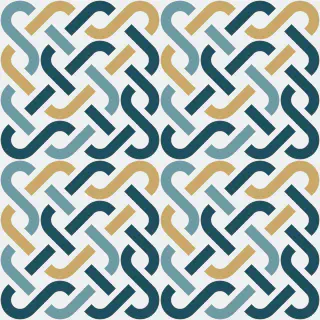
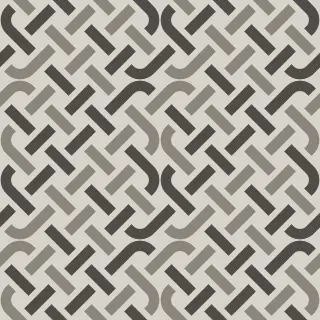
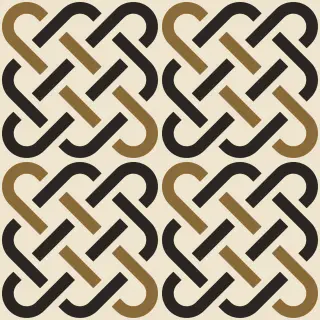
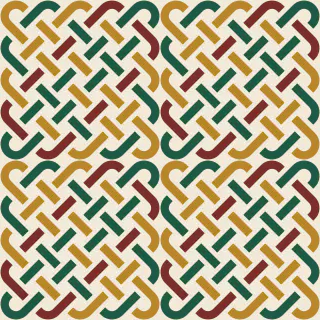
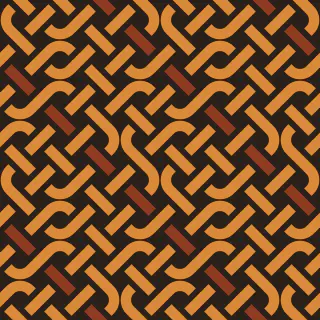
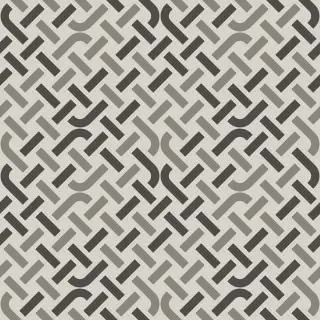
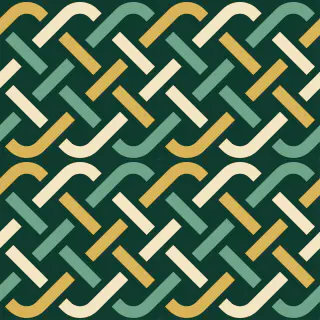
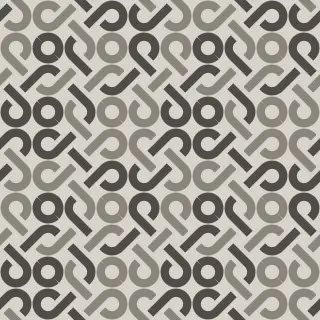
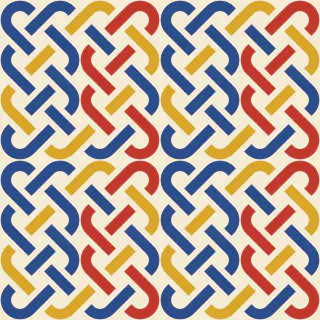
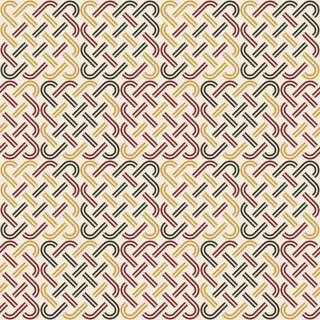
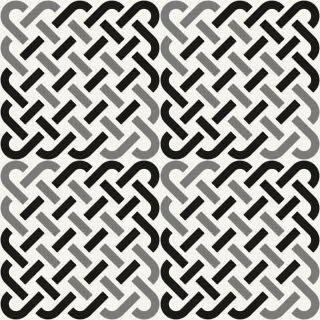
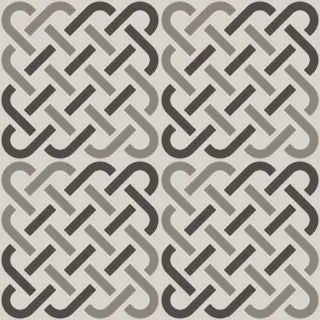
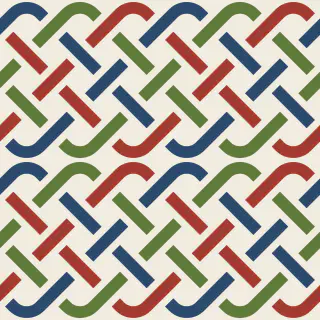
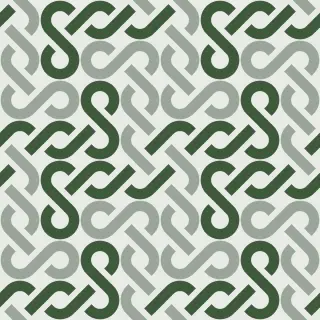
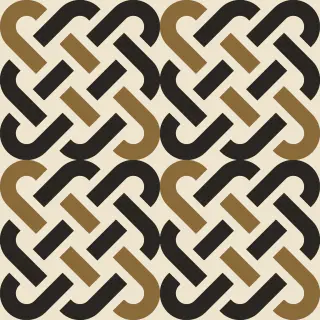
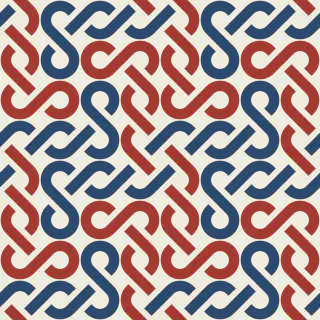
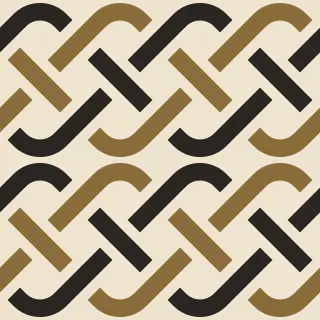
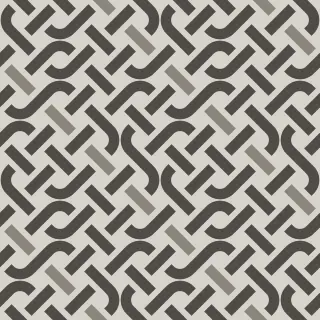
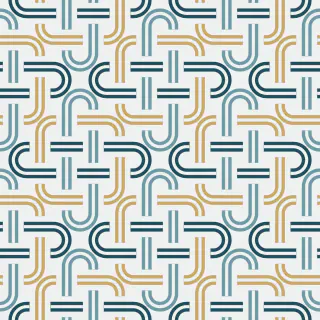
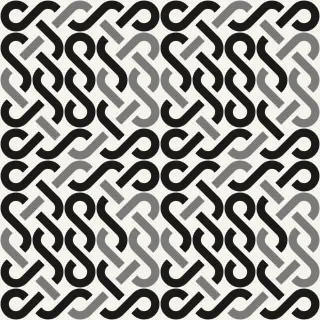
No patterns match this color.
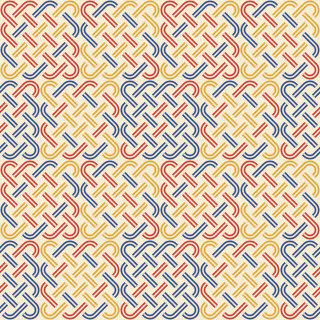
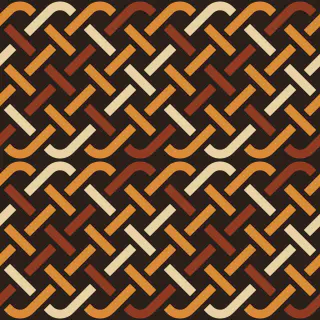
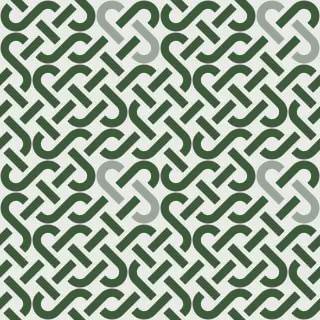
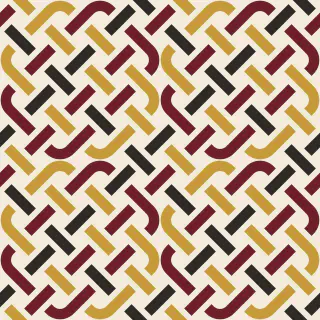
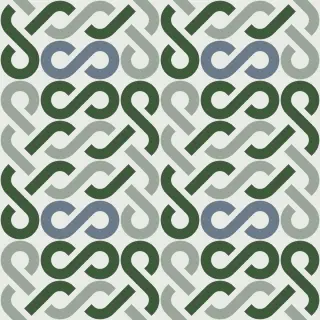
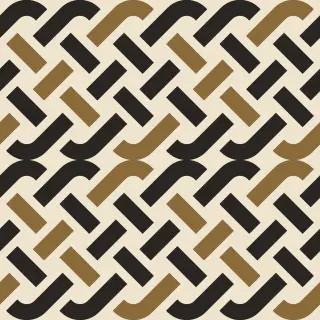
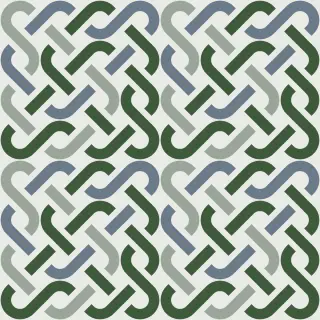
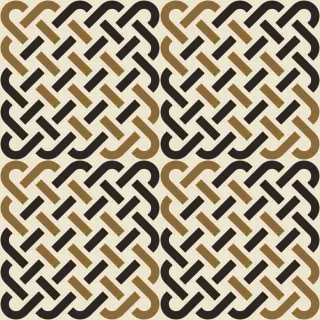
The knotwork is built on a grid of dots. Bands run at 45 degrees and cross between the dots, and at each crossing one band goes over and the other goes under, in strict turn along every band. A break on the grid turns two bands back instead of letting them cross, and the pattern of breaks makes the knot.
Which Celtic knot to pick
A plait band is a plain plait in rows. Knot panels close the plait into square panels. Offset panels stagger them like bricks. Broken panels and open knotwork add breaks at random, in mirror or quarter-turn symmetry or free. With three or four colors, the closed bands take turns in the colors, and the double-line versions cut a thin line down the middle of every band.
How to use Celtic knot patterns
Celtic knots suit digital paper for Saint Patrick’s Day, weddings and heritage designs. Two colors give the cleanest look; three or four colors show which bands form each closed loop. Larger cells give long flowing bands, and smaller ones give a dense weave.
Where does Celtic knotwork come from?
Interlaced knotwork is one of the main ornaments of Insular art, the art of Britain and Ireland in the early Middle Ages. It fills the pages of illuminated manuscripts such as the Book of Kells and the panels of carved stone crosses. In the 20th century, books such as George Bain’s on the methods of Celtic art helped revive the style for crafts and tattoos.