styles
Camo patterns
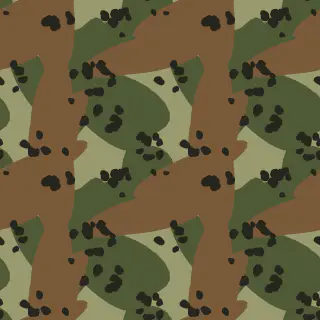
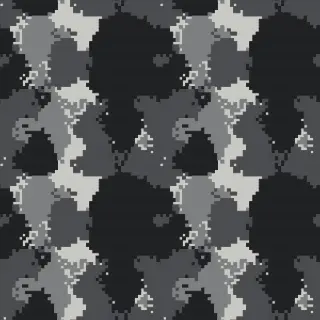
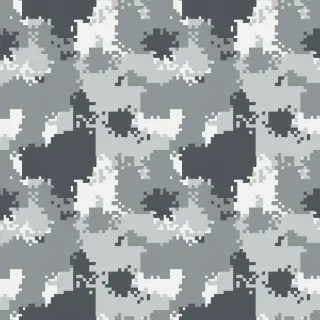
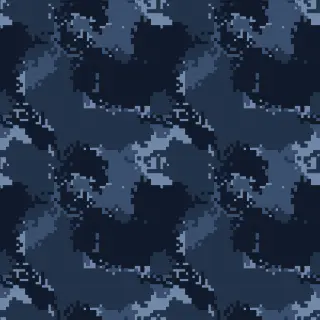
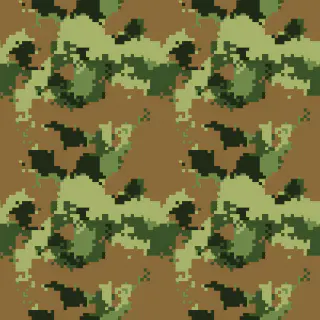
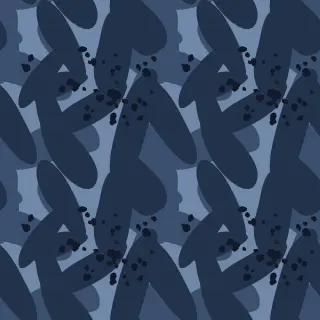
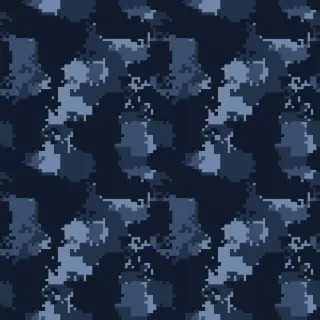
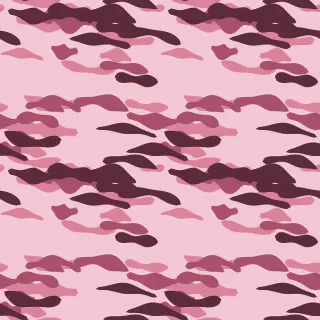
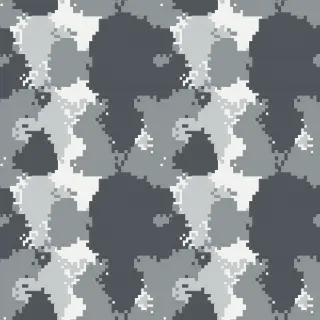
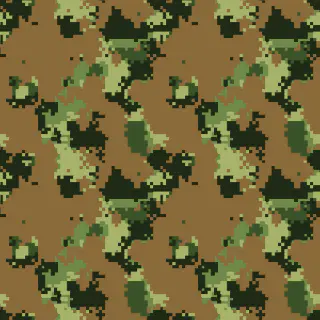
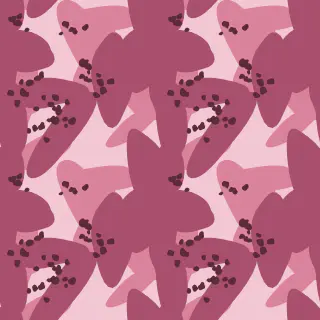
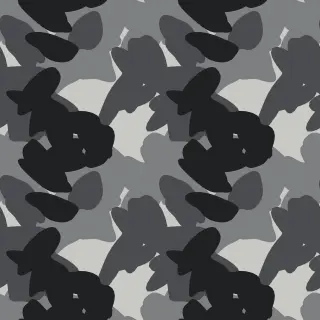
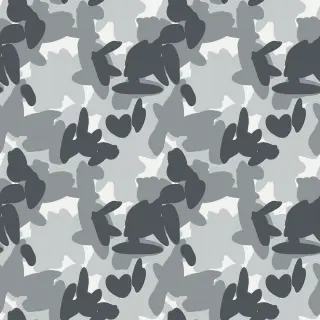
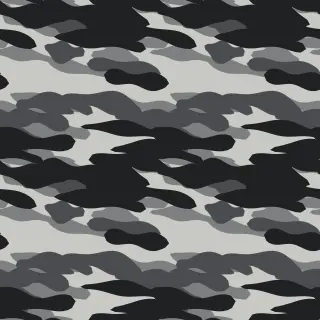
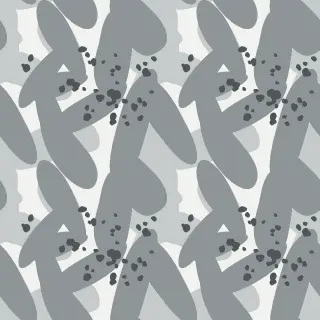
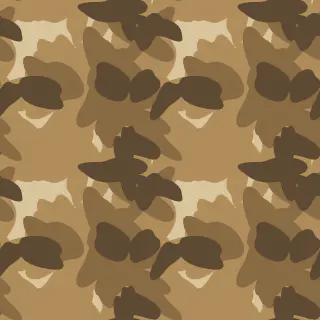
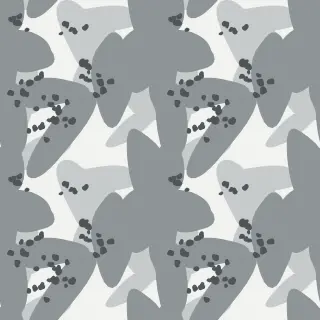
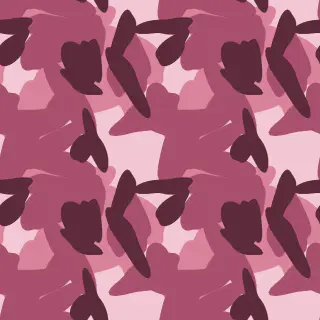
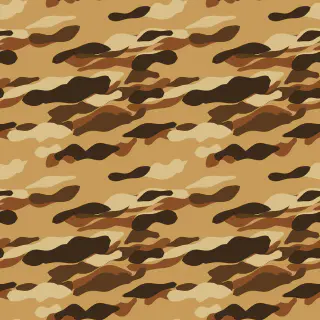
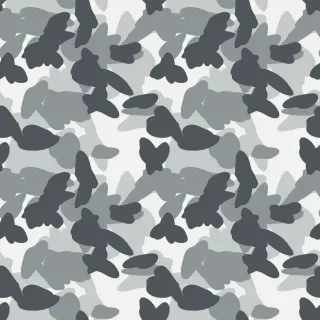
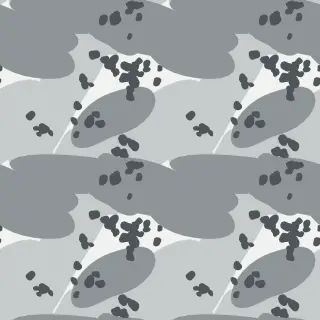
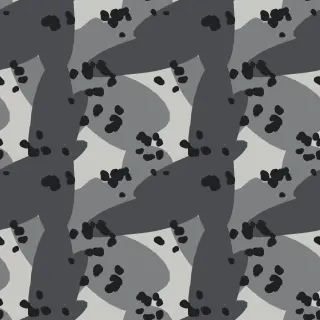
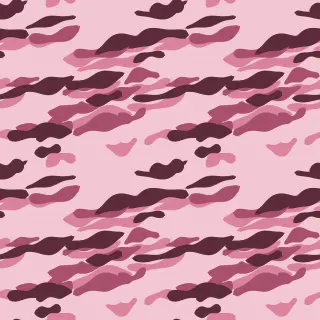
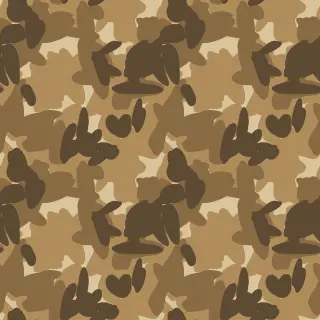
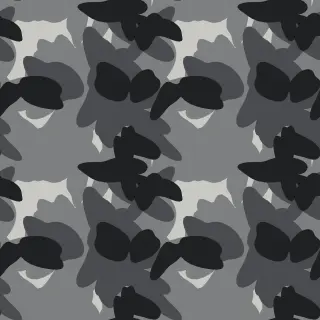
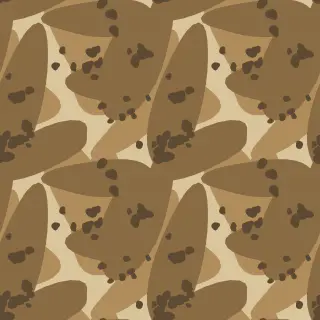
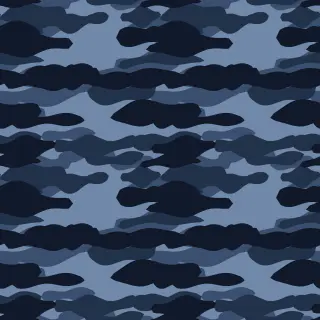
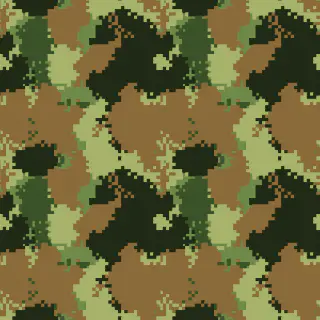
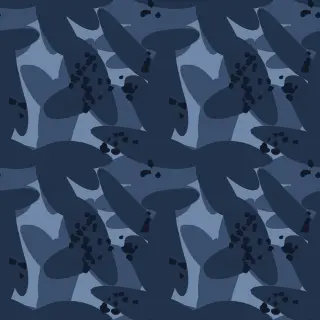
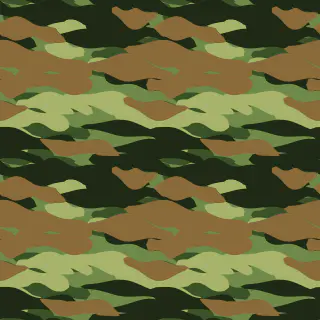
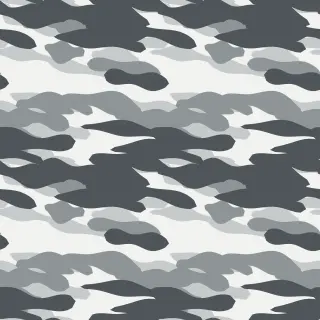
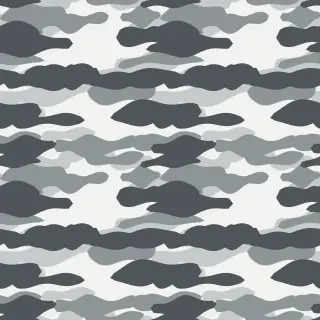
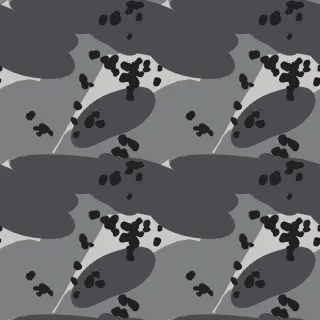
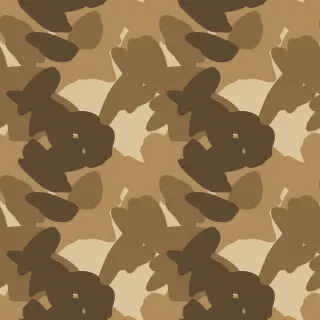
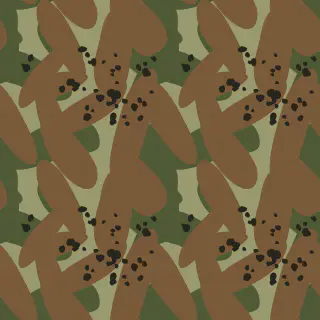
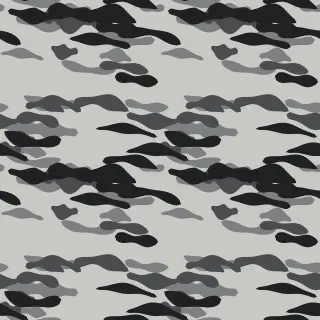
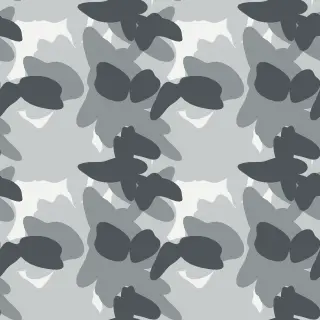
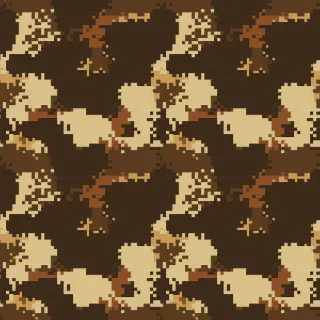
Woodland, desert, digital and brushstroke camouflage, each with its own layout of shapes.
No patterns match this color.
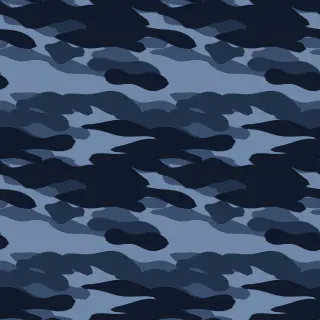
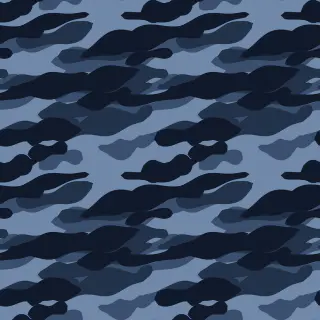
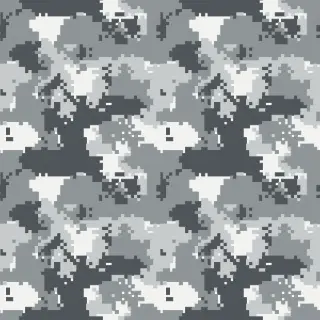
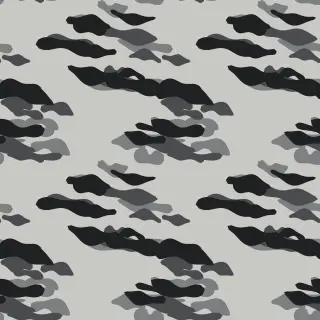
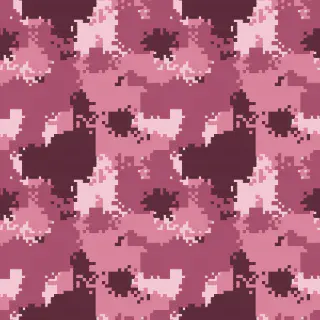
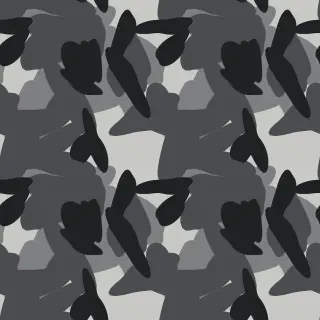
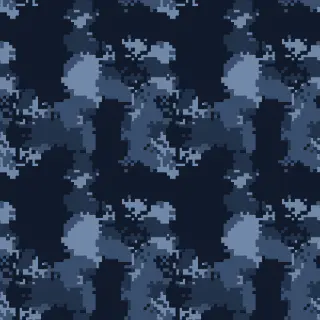
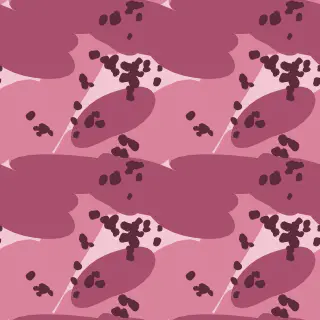
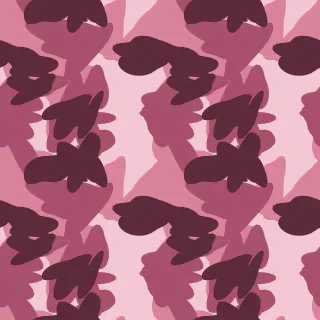
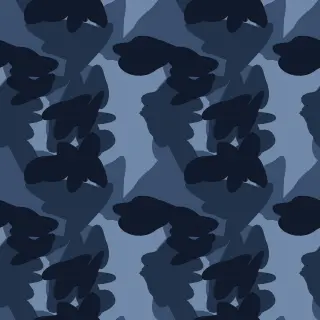
Each camo pattern stacks blobs or pixels in layers, one layer per color, so the shapes overlap the way printed camouflage does. Woodland uses lobed blobs, desert uses large smooth patches with clusters of small spots, digital camo uses square pixels, and brushstroke uses wide tapered strokes at one slant. Large shapes read as camo from across a room; small ones look like a fine texture. All shapes wrap across the tile edges, so the repeat has no seam.
How to use camo patterns
Camo suits sublimation products such as hats, mugs and seat covers, and themed party paper and gift wrap. Pink, navy and snow versions give the look without the military tone. In a phone wallpaper, digital camo stays crisp at any size because its pixels are true squares.
Where does camouflage come from?
Camouflage breaks up the outline of a person or an object so that the eye does not pick it out. Armies began to use camouflage patterns widely in the 20th century, and many countries designed their own patterns for forest, desert and snow. Digital patterns made of small square pixels appeared later; MARPAT of the United States Marine Corps is one well-known example. Camo prints also became a fashion and outdoor style of their own.
Sources: Military camouflage (Wikipedia); MARPAT (Wikipedia)