styles
Buffalo check patterns
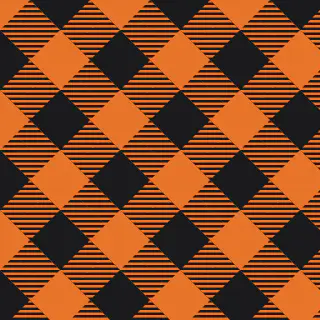
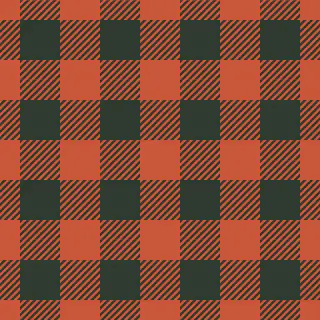
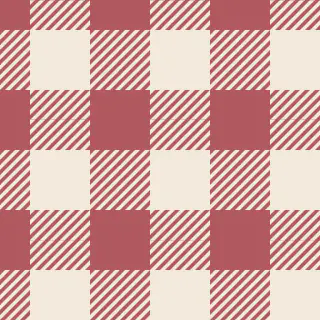
Buffalo check is a large, even check in two colors, classically red and black.
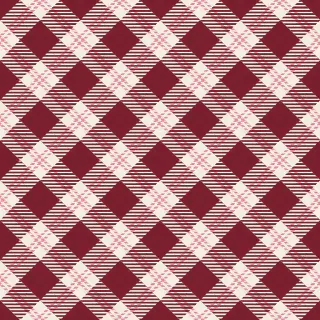
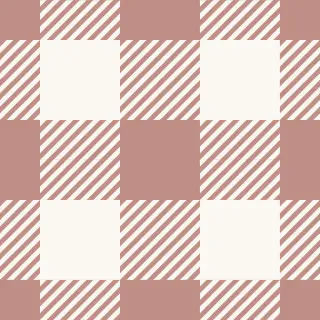
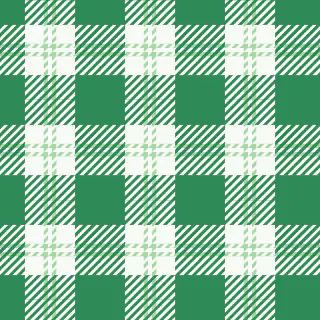
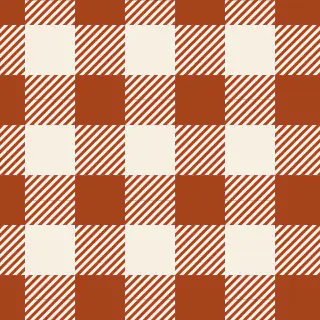
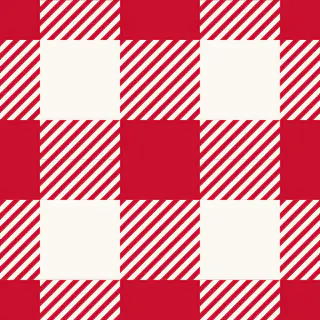
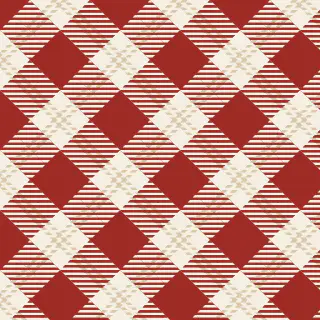
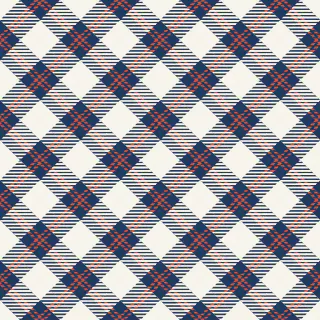
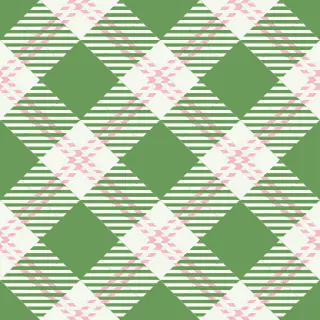
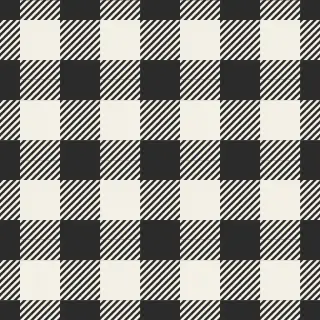
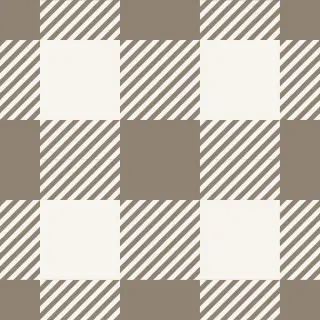
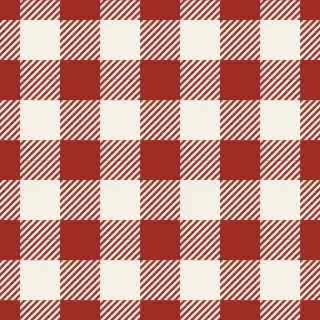
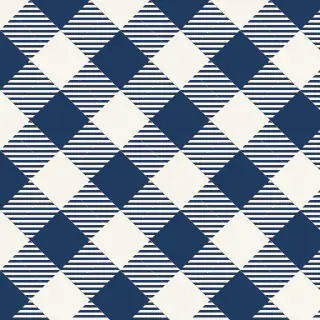
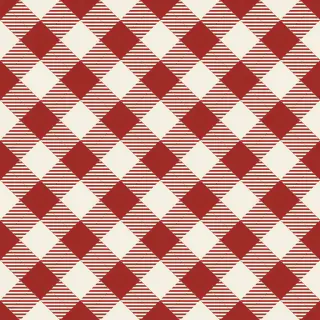
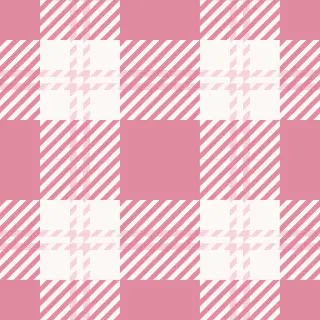
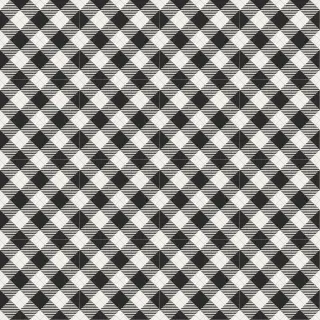
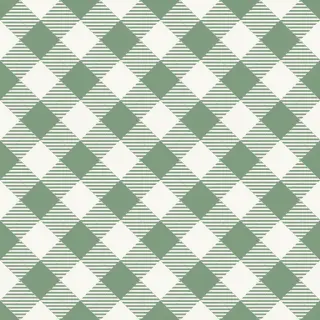
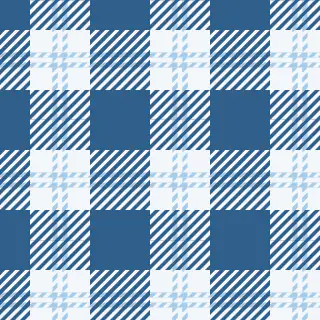
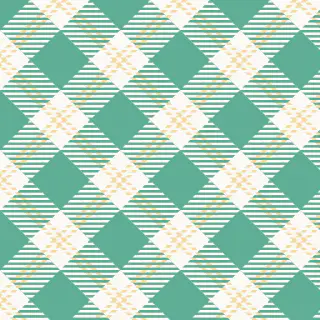
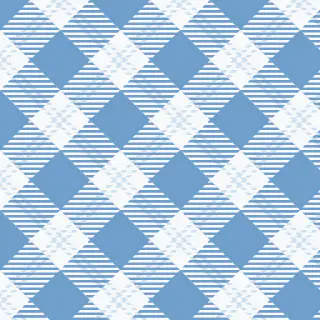
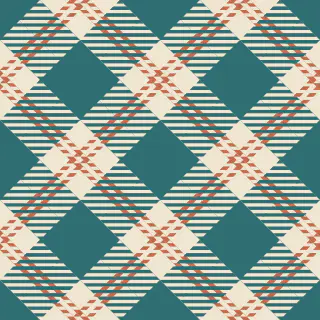
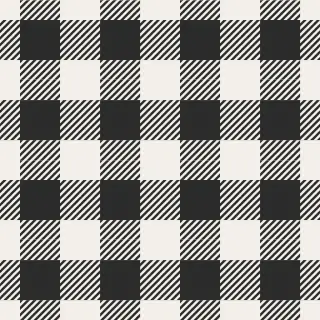
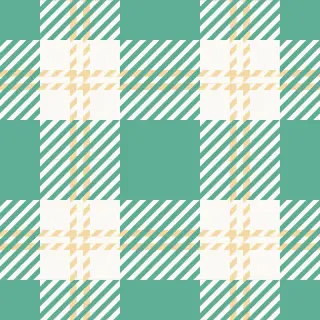
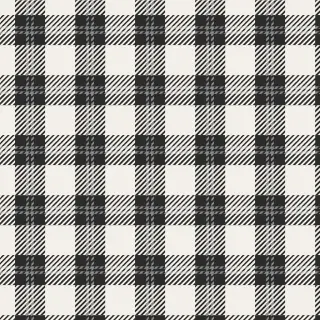
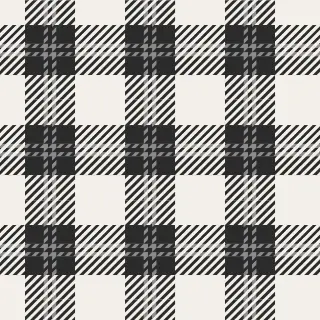
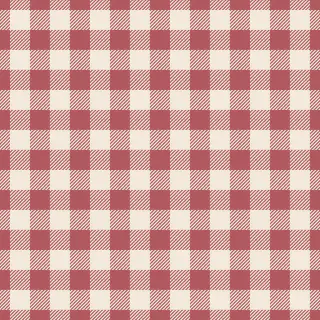
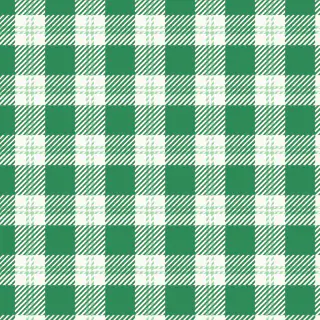
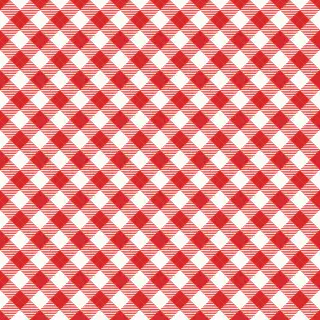
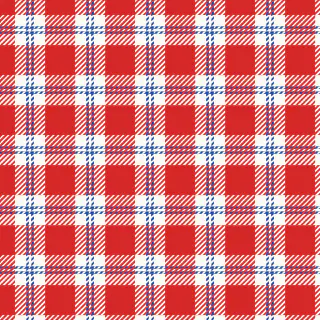
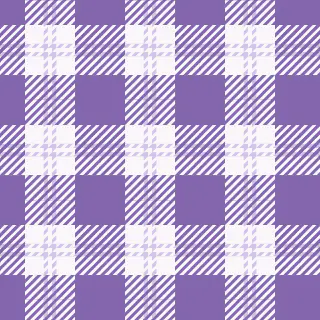
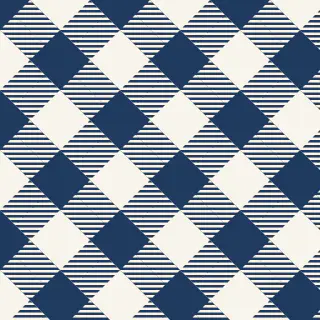
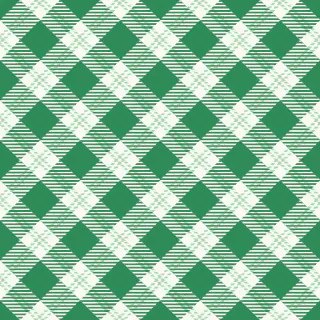
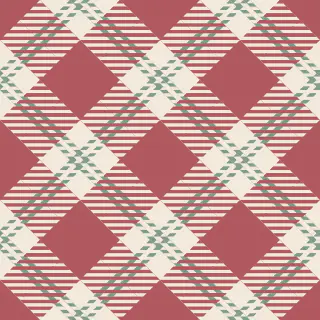
No patterns match this color.
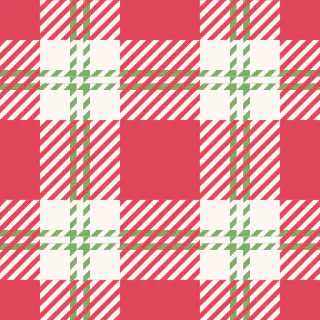
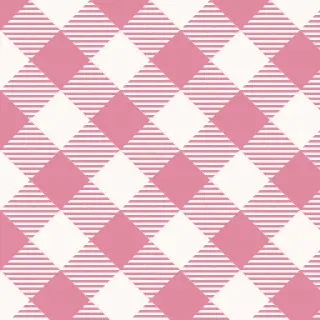
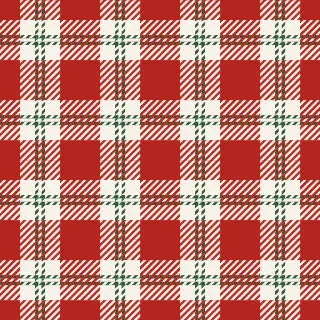
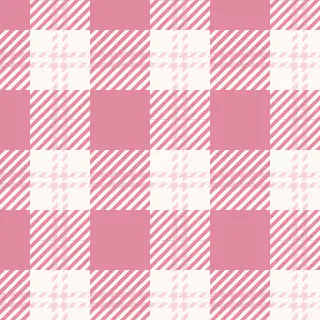
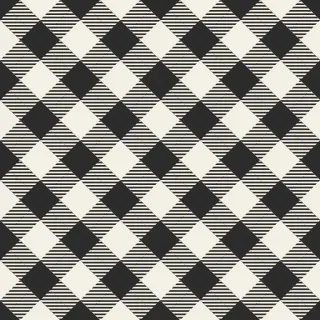
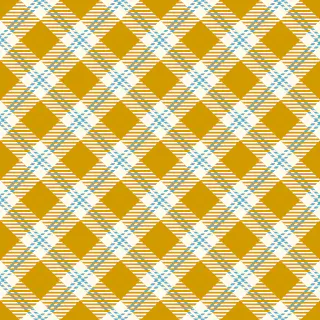
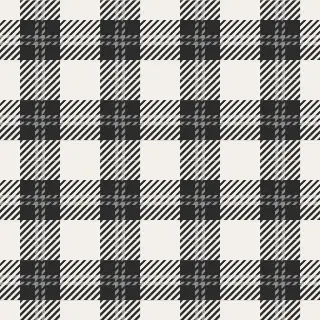
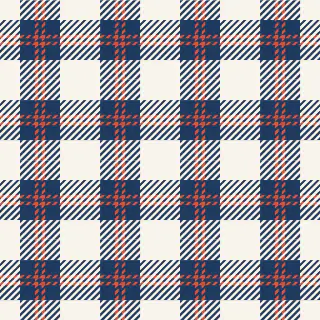
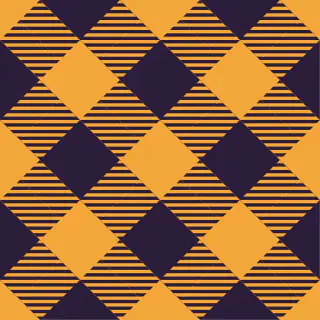
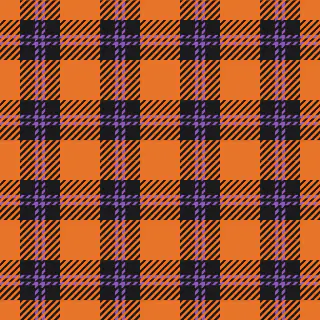
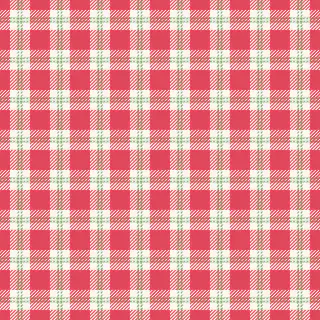
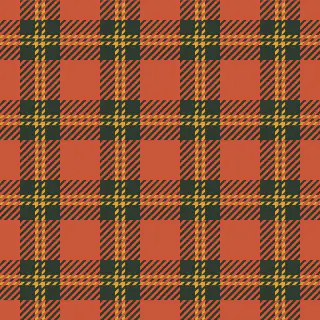
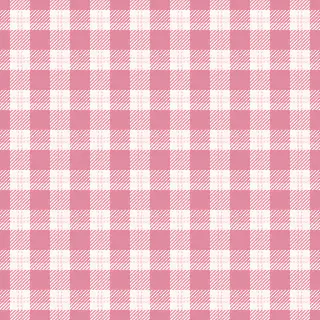
The repeat is simple: equal blocks of two colors crossing both ways. Where the main color crosses itself the square is solid; where it crosses the ground the square is a mix; where the ground crosses itself it shows plain. The mixed squares carry a fine diagonal hatch, like a 2/2 twill weave, rather than a flat tint. The overcheck version adds a pair of thin lines through the ground blocks, sometimes in a third color.
How to use buffalo check patterns
Because the blocks are large, buffalo check is the one check that stays legible at small sizes and from far away. That makes it a good choice for a phone wallpaper, a cabin-themed party invitation, or a gift bag. At a large scale, only a few blocks fit on a sheet, and the pattern becomes graphic rather than textile.
Printing and cutting buffalo check
The classic red and black uses a lot of ink: about half of the sheet is dark. On a home inkjet, try a lighter pair, such as red and cream or navy and white, or print on a thicker matte paper that holds the ink without curling.
For a cutting machine, the plain blocks are easy to cut as a two-layer design, but the woven hatch is made of many tiny pieces: for a cut file, trace the blocks as plain squares. Buffalo check pairs well with plain stripes, a thin windowpane, or a small polka dot in one of its two colors.
Where does the name buffalo check come from?
The name buffalo check is linked to the Woolrich mill in Pennsylvania around 1850, where a designer is said to have based the cloth on a Scottish pattern known as Rob Roy. The red and black check came to be associated with lumberjacks, and it had runs of mainstream popularity in the United States in the 1990s and 2010s.
Sources: Check (pattern) (Wikipedia)