styles

Arabesque patterns

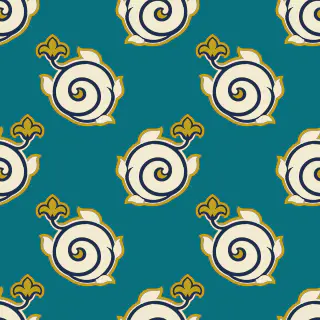
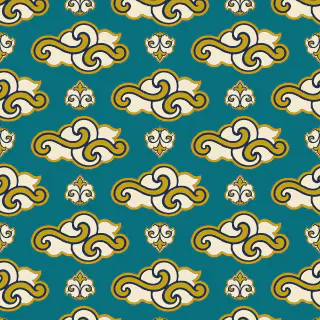
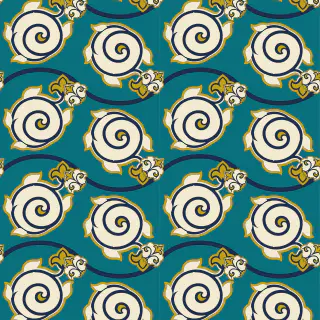
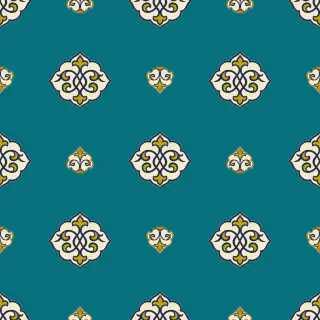
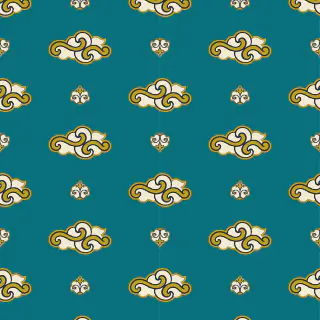
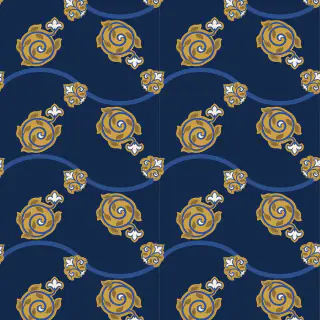
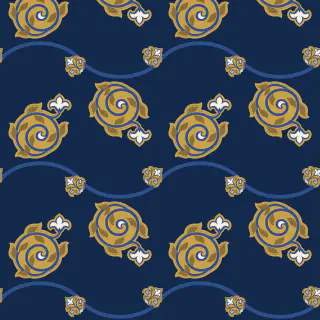
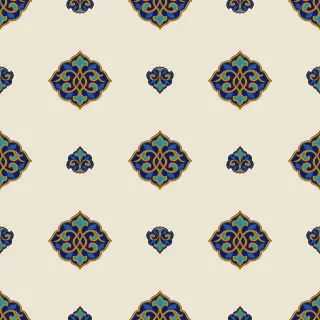
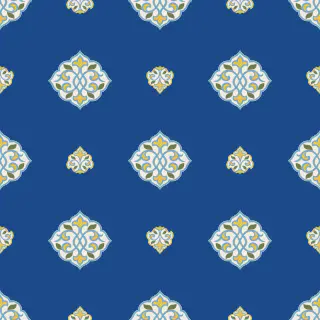
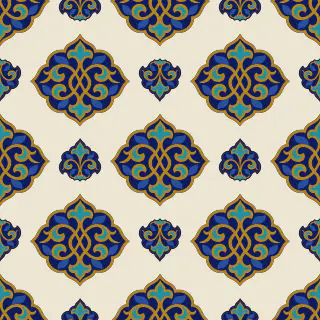
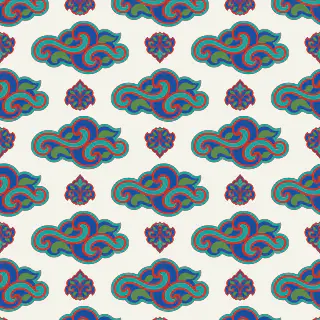
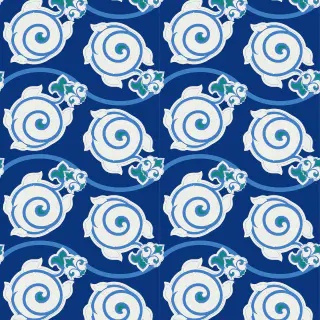
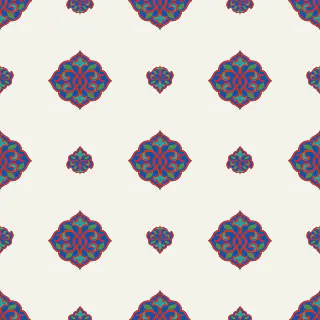
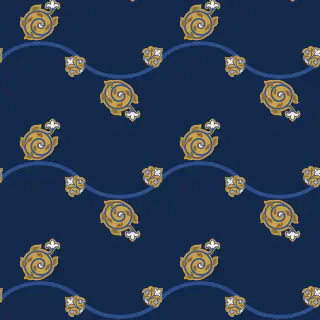
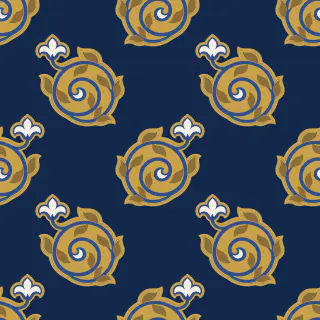
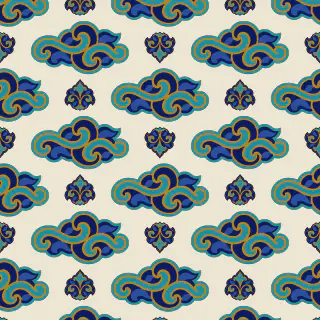
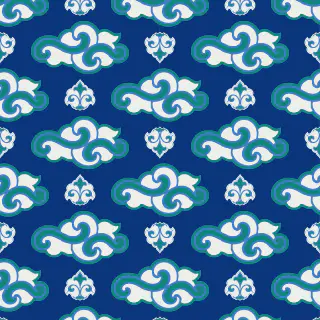
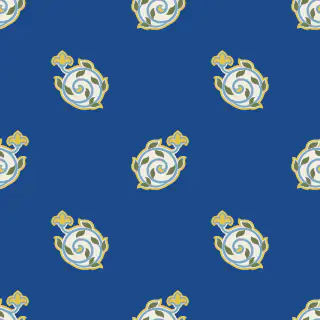
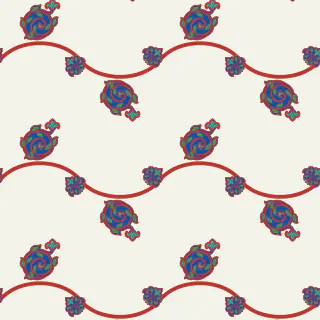
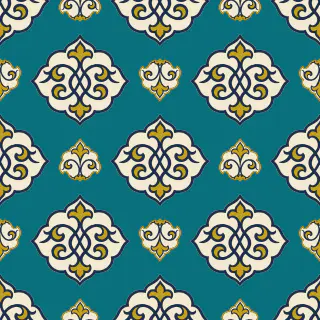
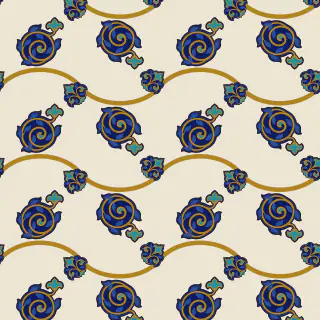
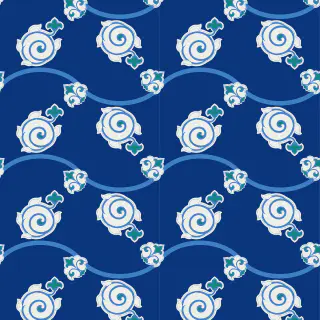
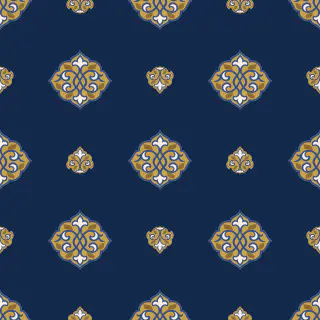
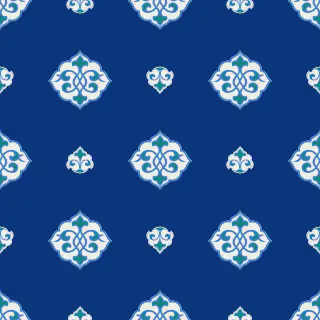
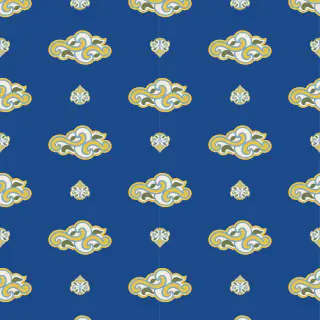
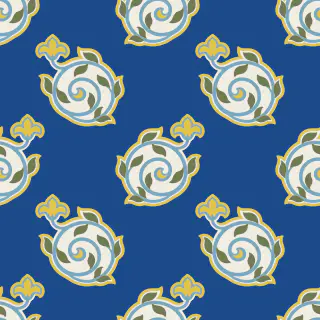
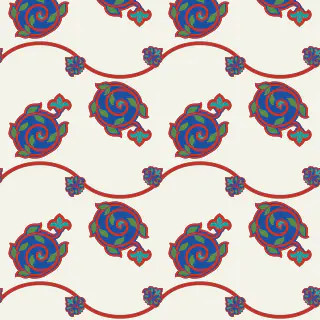
Arabesque patterns in five layouts: scroll, double scroll, spiral, cloud band and cartouche.

Make your own arabesque pattern →

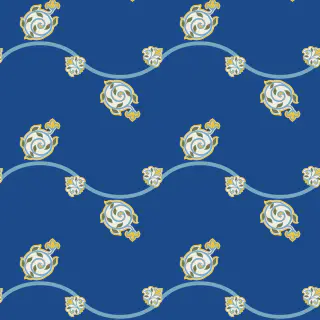
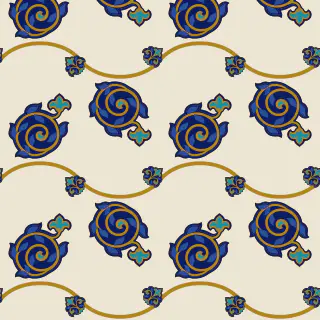
Arabesque scroll pattern, Lapis and gold palette
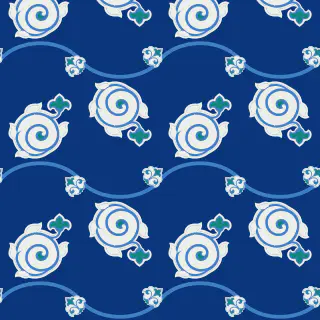
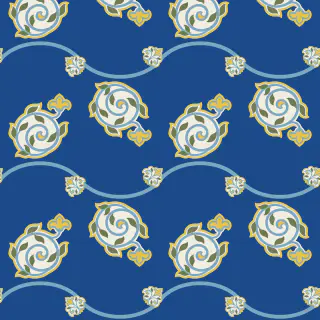
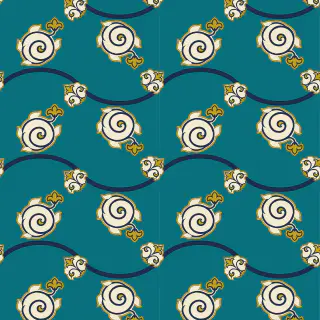
Arabesque scroll pattern, Isfahan turquoise palette
Arabesque scroll pattern, Timurid star palette
Arabesque scroll pattern, Lapis and gold palette
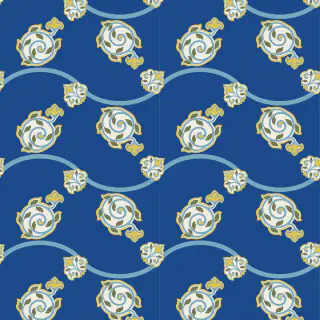
Arabesque scroll pattern, Iznik white palette
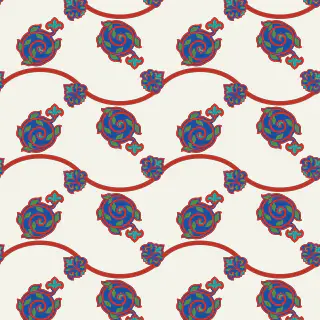
Arabesque scroll pattern, Haft-rangi palette
Arabesque scroll pattern, Iznik cobalt palette
Arabesque scroll pattern, Iznik white palette
Arabesque scroll pattern, Iznik cobalt palette
Arabesque scroll pattern, Isfahan turquoise palette
Arabesque scroll pattern, Lapis and gold palette
Arabesque scroll pattern, Haft-rangi palette
Arabesque scroll pattern, Isfahan turquoise palette
Arabesque scroll pattern, Timurid star palette
Arabesque scroll pattern, Haft-rangi palette
Arabesque scroll pattern, Iznik white palette
Arabesque scroll pattern, Haft-rangi palette
Arabesque scroll pattern, Timurid star palette
Arabesque scroll pattern, Iznik cobalt palette
Arabesque scroll pattern, Isfahan turquoise palette
Arabesque scroll pattern, Haft-rangi palette
Arabesque scroll pattern, Isfahan turquoise palette
Arabesque scroll pattern, Timurid star palette
Arabesque scroll pattern, Iznik white palette
Arabesque scroll pattern, Iznik cobalt palette
Arabesque scroll pattern, Iznik white palette
Arabesque scroll pattern, Lapis and gold palette
Arabesque scroll pattern, Timurid star palette
Arabesque scroll pattern, Iznik cobalt palette
Arabesque scroll pattern, Haft-rangi palette
Arabesque scroll pattern, Iznik white palette
Arabesque scroll pattern, Isfahan turquoise palette
Arabesque scroll pattern, Timurid star palette
Arabesque scroll pattern, Iznik cobalt palette
Arabesque scroll pattern, Lapis and gold palette
Arabesque scroll pattern, Iznik cobalt palette
Arabesque scroll pattern, Isfahan turquoise palette
Arabesque scroll pattern, Iznik white palette
Arabesque scroll pattern, Haft-rangi palette
Arabesque scroll pattern, Isfahan turquoise palette
Arabesque scroll pattern, Haft-rangi palette

The originals

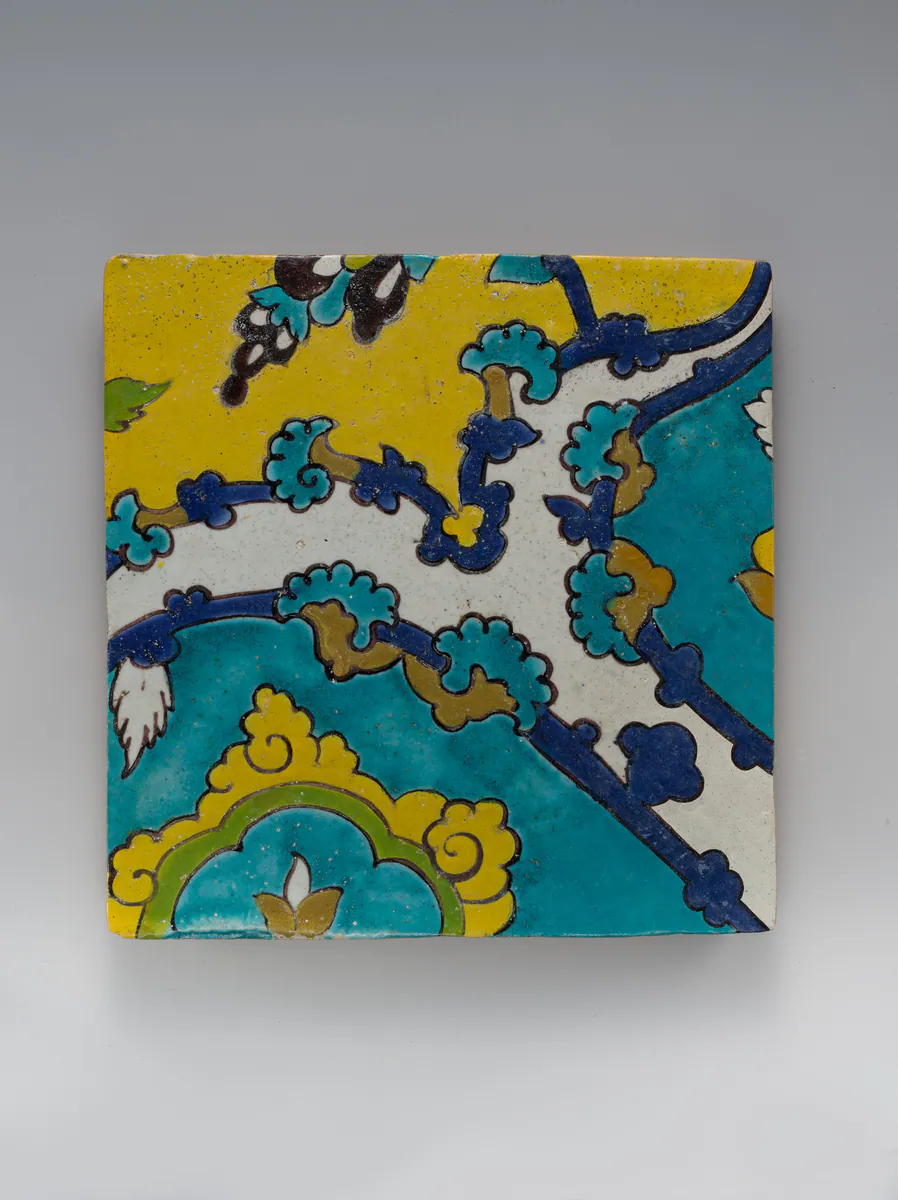
Square tile with yellow cloud forms and white scrolls on a turquoise and dark blue ground
Square Tile Depicting Clouds, 17th century. The Metropolitan Museum of Art, 2006.314. CC0. Museum page

Isfahan turquoise

Colors in the original

  • #06748132%
  • #b6980220%
  • #b0afa517%
  • #1d1e2111%
  • #1d315a9%
  • #836b267%
  • #0f27603%
  • #677f092%

Patterns in these colors
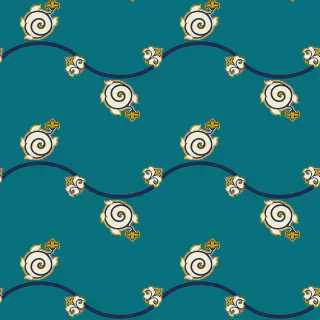
Arabesque scroll pattern, Isfahan turquoise palette

Make your own in Isfahan turquoise →

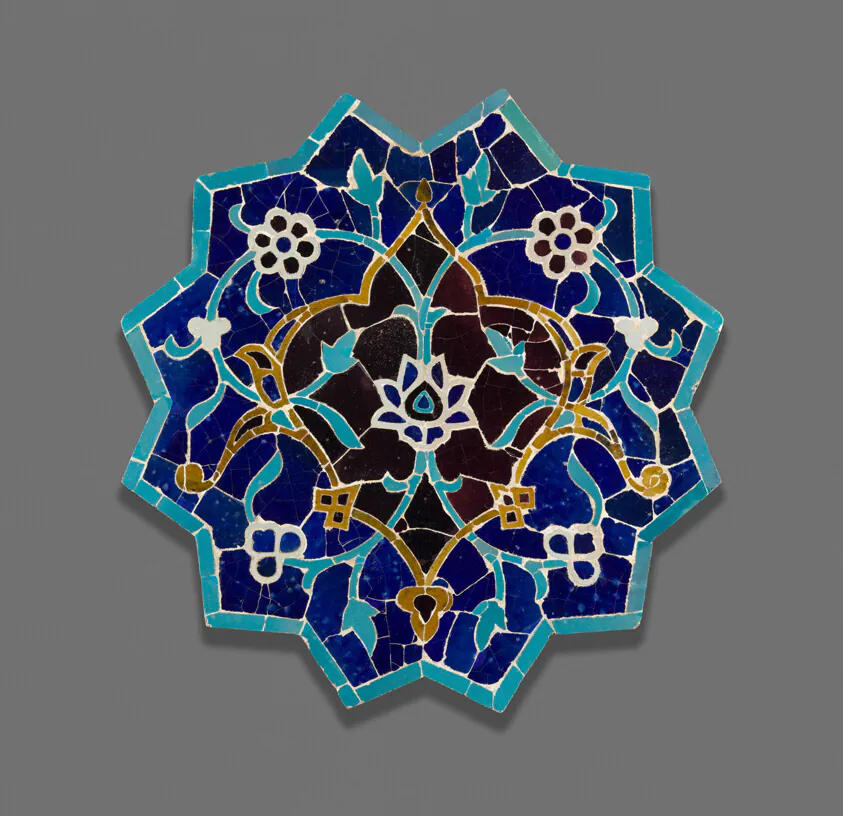
Twelve-point star tile of cut mosaic in cobalt and turquoise, with a dark aubergine center and white and gold flowers
Twelve-Point Star Tile, Timurid dynasty (1370-1507), Late 15th century. Art Institute of Chicago, 1925.40. CC0. Museum page

Timurid star

Colors in the original

  • #209aa918%
  • #000f5c18%
  • #24151916%
  • #16215714%
  • #d3ccb811%
  • #000f6d10%
  • #b49c7a6%
  • #9363013%
  • #c08c133%

Patterns in these colors

Arabesque scroll pattern, Timurid star palette

Make your own in Timurid star →

In arabesque art, the arabesque pattern is a continuous scroll pattern, called islimi in Persian. Wikipedia cites Ettinghausen and others: an unending Islamic arabesque of full and half palmettes, each leaf growing from another’s tip.

Which arabesque to pick

The patterns follow Owen Jones’s plates and Safavid haft-rangi scrolls; they are new drawings, not copies. Each one sets scrolls, cloud bands, cartouches and split palmettes (two mirrored half-palmettes) on a winding stem. The running scroll is one stem in joined half waves; the double scroll adds a mirrored stem; spirals, cloud bands and cartouches fill half-drop rows.

How to use arabesque patterns

Use these patterns as digital paper, or change the colors and scale of the running scroll, double scroll, cloud or cartouche in the pattern generator. See damask for a woven look, or floral and Islamic patterns.

What is an arabesque pattern?

One Wikipedia definition of the arabesque design is stylized half-palmettes combined with spiraling stems. An arabesque motif usually repeats one design seamlessly as often as wanted; many vanish at their frame as if extending without end.

Islimi and eslimi

Known in Europe as arabesque, it is called islimi or eslimi in Persian. The Persian Wikipedia article attributes the name to eslim (a form of “Islam”) and counts it among the seven main motifs of Persian painting (negargari). It lists many kinds of islimi: plain, solid, hollow, “dragon-mouth,” “elephant-trunk,” “snake,” and bindweed. The Persian Wikipedia article reads it as an abstract “tree of life,” especially the grapevine; the English article notes that claims of a theological meaning have no written support and the story of mistakes added for humility is disputed.

Where the arabesque came from

Wikipedia’s lead dates the Islamic arabesque from about the 9th century; its later section traces plant forms from the 8th or 9th century to a complete type by the 11th. Early steps include Jordan’s Mshatta facade (c. 740), Damascus mosque mosaics by Byzantine artists, and Samarra stucco (capital 836–892). Wikipedia says it was probably invented in Baghdad around the 10th century in carved marble. The half-palmette is named after ancient Egyptian and Greek ornament.
From arabesque to moresque

Wikipedia notes “arabesque” entered French from Italian arabesco (“in the Arabic style”) in 1546, and English in Beckford’s Vathek (1786). It cites Fuhring that 15th- and 16th-century moresque is now commonly called arabesque; Wornum (1882) held them distinct.

Arabesque on tiles and carpets

Wikipedia’s Oriental rug article notes arabesques replaced “kufic” borders on 15th-century carpets, and Persian Wikipedia records surviving ones with islimi on field and border. Wikipedia cites a 15th-century Samarkand ceramic panel with white calligraphy on a blue arabesque ground, and the Met’s record lists a 16th–17th-century stonepaste Tile Panel with Wavy-vine Design, probably from Damascus. Wikipedia notes flowers were rare until about 1500, then more common, especially in Ottoman art.

Sources: Arabesque (Wikipedia); Palmette (Wikipedia) (the half-palmette); اسلیمی, Persian Wikipedia (islimi: name and kinds); Tile Panel with Wavy-vine Design (22.185.13a–f), The Met

More styles

Japanese

Islamic

Rugs

Classic prints

Ornament

Modern

Stitch and knit

Quilt blocks

Prints

Heritage

Seasonal

Patterns by style →

Pattern

Palette

Find more

Download