styles
Animal print patterns
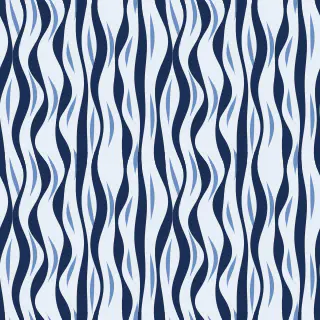
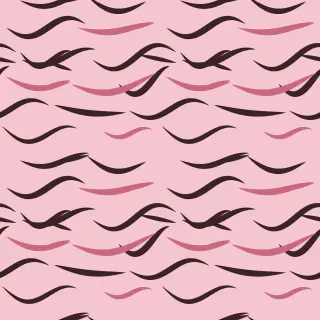
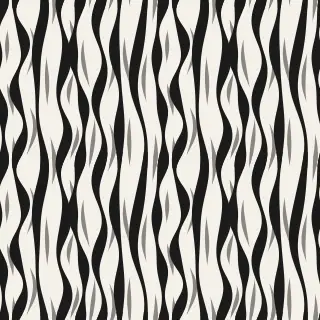
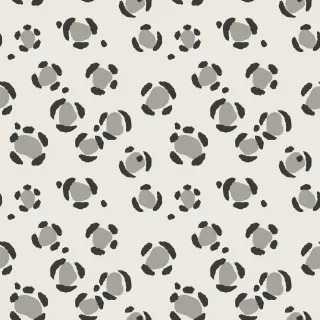
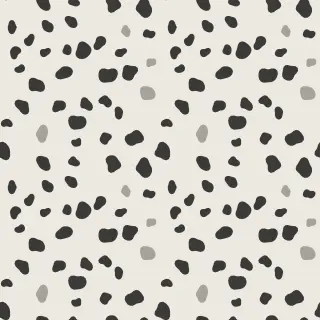
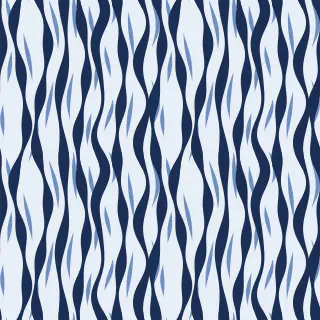
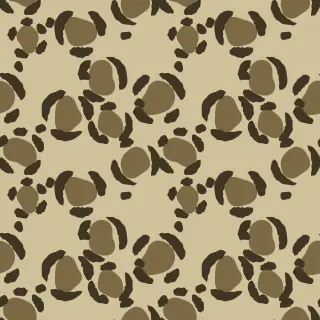
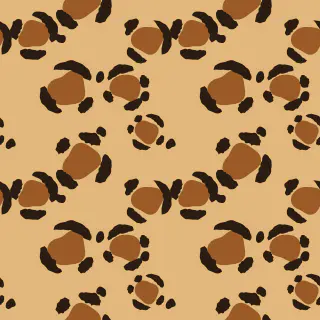
Spots, stripes and scales after six animal coats, in natural and bold colors.

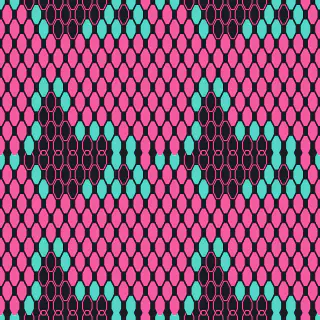
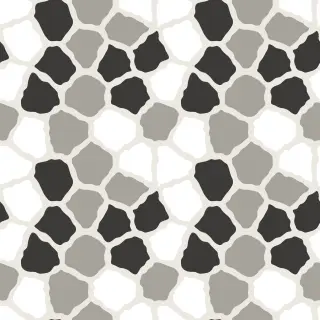
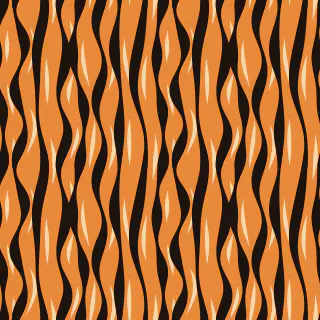
No patterns match this color.
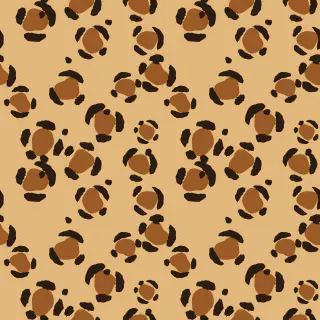
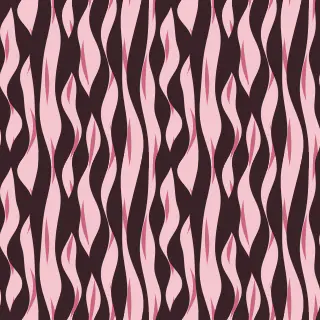
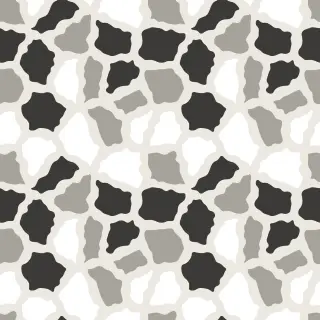
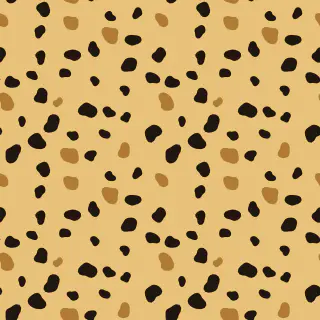
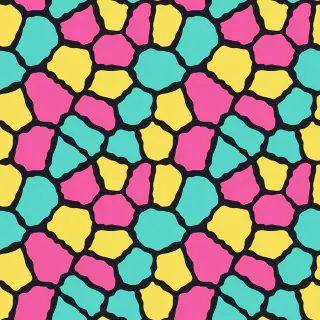
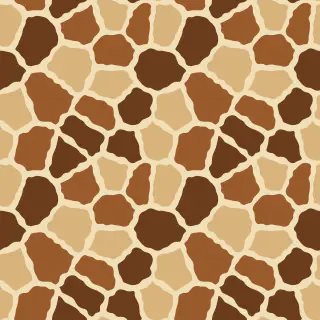
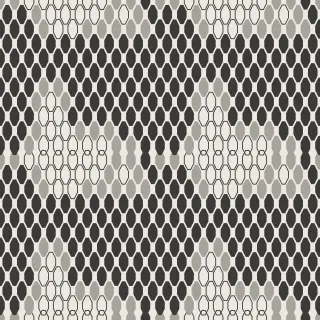
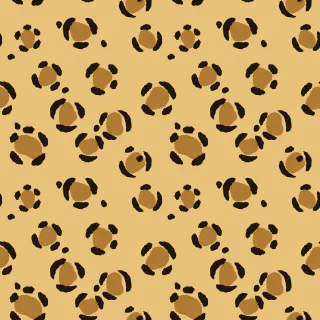
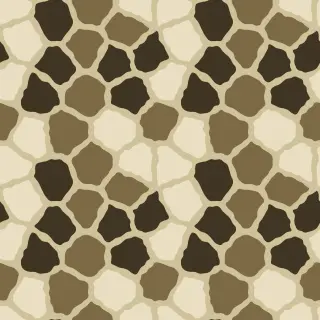
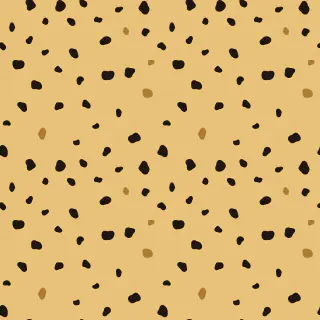
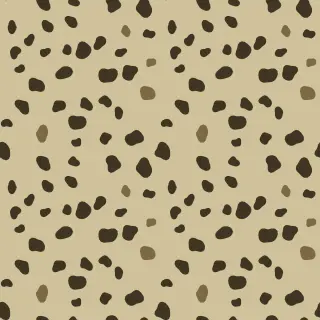
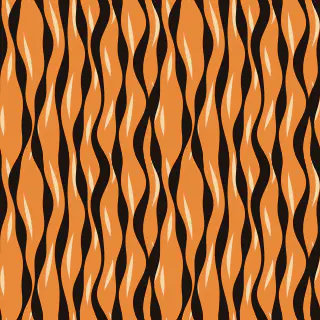
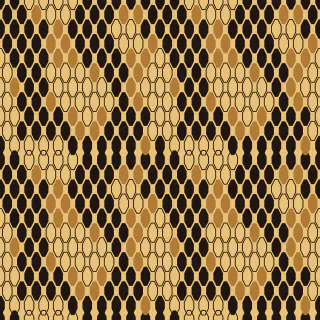
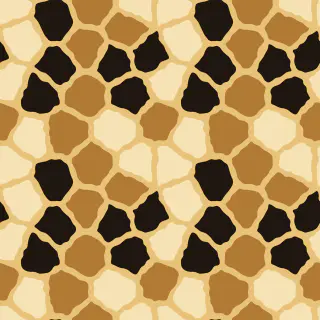
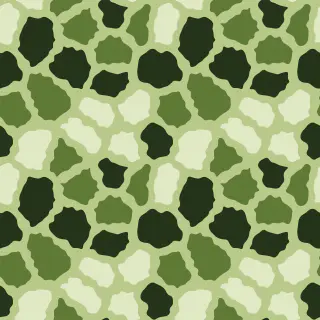
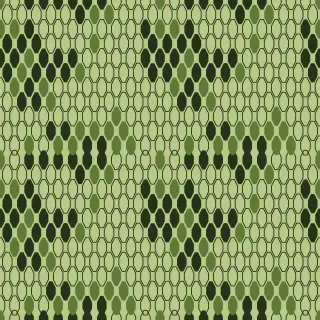
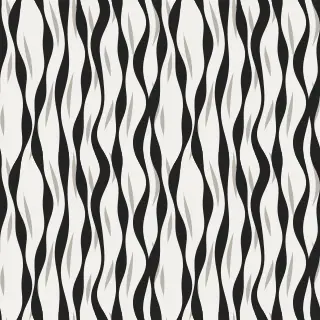
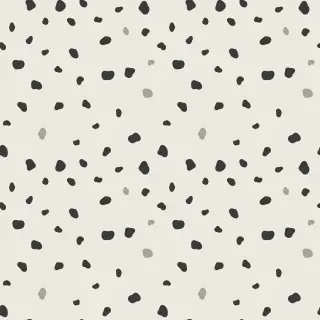
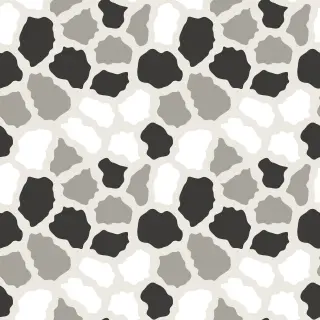
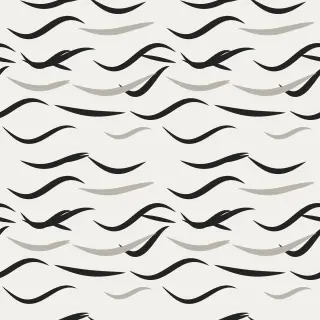
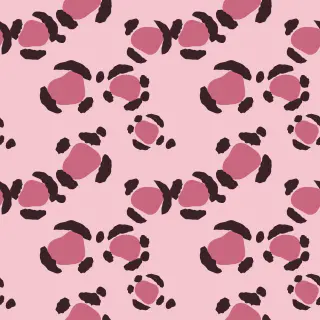
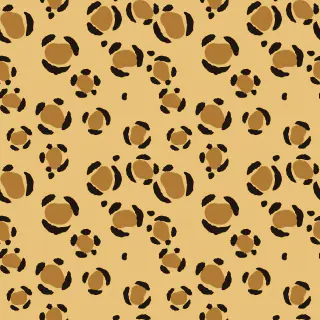
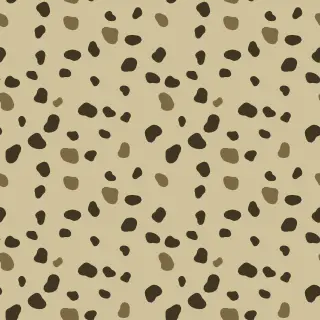
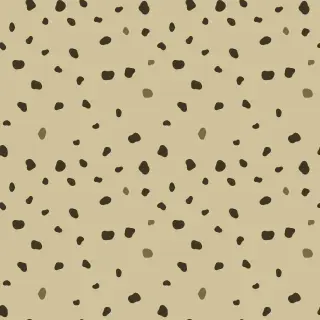
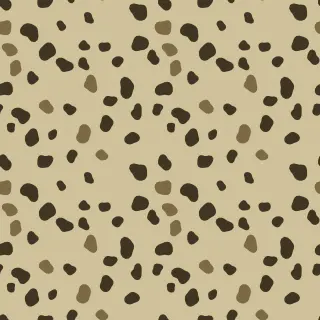
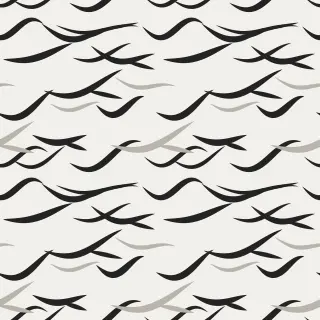
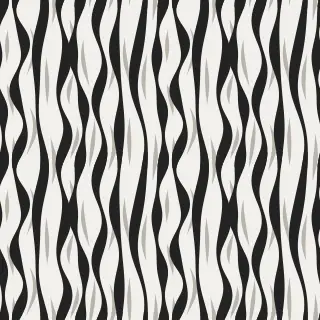
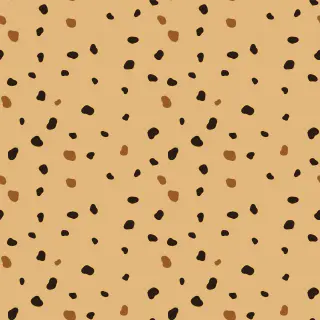
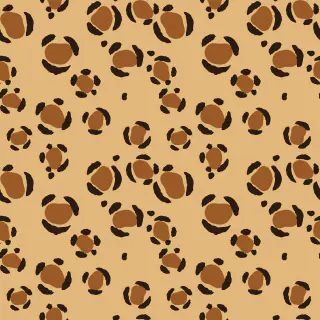
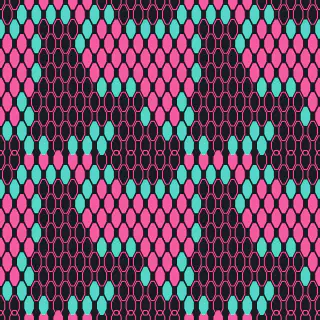
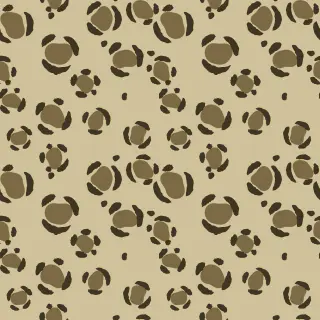
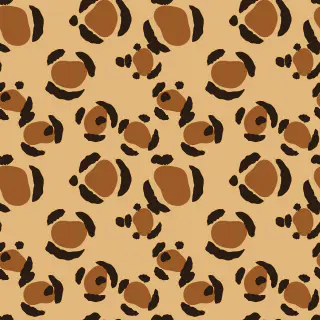
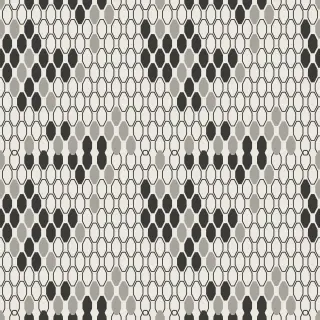
The marks fall in a loose, random layout and wrap across the tile edges with no seam. Leopard rosettes are broken rings around a lighter center. Cheetah spots are small and solid. Zebra and tiger stripes wave and swell as they cross the tile. Giraffe patches are large plates with narrow light lines between them, and snake skin is a field of small scales with dark blotches. Many small marks read as an all-over coat; fewer, larger marks read as a bold print.
How to use animal print patterns
Animal prints suit sublimation blanks such as tumblers, phone cases and leggings, where an all-over repeat hides the seam of the wrap. Natural browns and golds read classic; pink, blue and neon versions read playful. As a phone wallpaper, a larger size keeps the marks clear on a small screen. For a quiet background behind text, pick colors with a small step in value between the ground and the marks.
Where do animal prints come from?
Prints that copy the skins and coats of animals have a long history in dress and decoration. In modern fashion, leopard print in particular moves in and out of style again and again, and it is now a staple of clothing, accessories and home goods. Printed animal patterns also replace real fur and leather.
Sources: Animal print (Wikipedia); Leopard print (Wikipedia)